Cert – PG, Run-time – 1 hour 41 minutes, Director – Stephen Gaghan
When Queen Victoria (Jessie Buckley) suffers from a gradual poisoning Dr Dolittle (Robert Downey Jr) is sent on a voyage to find the one thing that will cure her
Talking (and singing) animals really don’t seem to be going well for Universal. Cats was a universally panned box-office bomb that, aside from the odd jab, seems to have been mostly forgotten, even the nightmares have begun to fade away. Now, comes another story with talking animals, voiced by a similarly all-star cast, and the man that can talk to them, Dolittle. Once again, it almost seems weird to think that the cast were brought on by the script, in fact the conclusion that some wouldn’t be mistaken for would be the fact that the likes of Robert Downey Jr, John Cena, Rami Malek, Emma Thompson, Selena Gomez, Marion Cotillard, Kumail Nanjiani and more were paid a large sum of the $175 million budget – it certainly couldn’t have all gone on the CG animals and ocean landscapes. But, this isn’t something to throw-up presumptions and accusations, this is, after all, a review, not a blame game with a lack of knowledge in such areas.
Speaking of the largely A-list cast that lines the film Michael Sheen is also present as Dolittle’s rival, Dr. Blair Müdfly – the joke being that people pronounce his last name as ‘mudfly’, and he apparently hasn’t got a chin. At some points when hearing Downey Jr speak as the titular Dr. Dolittle it almost seems as if he heard Michael Sheen’s Welsh accent and decided to copy it. However, when he speaks the accent produced almost seems as if it’s been badly dubbed over the movement of his lips in post-production, alongside sounding like a mixture of various other British accents. That is when he’s not grunting or squawking to animals, Dolittle’s ability essentially makes him a translator, which makes for some slightly awkward scenes when his new apprentice, Tommy Stubbins (Harry Collett), also tries to adopt this skill. In fact even from one of the opening scenes, an extended sequence of Dolittle attemping to play chess with Rami Malek’s gorilla, Chee-Chee, where the chess pieces are mice with headgear on, while speaking in various different animal tongues, sets the tone for what the film is likely to be. While the two opening scenes for mild context show some hope in the end the film ends up as a bit of a mess.
Dolittle lives in hiding from the rest of the world after the death of his wife, Lilly (Kasia Smutniak). However, when the Queen (Jessie Buckley) calls for his help after being poisoned he emerges back into the world to go on a voyage to find the only thing that will cure the mostly unconscious monarch. However, first he must travel somewhere else to find a journal in which lies instructions on how to find the island on which the tree that grows the fruit grows on. What seems like something relatively simple somehow manages to get deeply tied up and borderline confusing. This might be because of the messy nature of the film, and the generally uninteresting nature. And while all this is happening Michael Sheen is trying to get the cure before Dolittle by the order of Jim Broadbent’s Lord Thomas Badgley, a figure who you would never once begin to guess was secretly villainous so that it comes as even more of a shock when the film reveals for the second time that he’s the villain, as if thinking it can get a response like it’s the first – it almost seems as if the writer’s forgot about the character – the audience certainly did – and needed to make note of this element again.
When it comes to the attempted humour things never properly takes off – one moment where John Cena’s polar Bear, Yoshi, states “one day my Dad went out for a pack of seals and never came back” you don’t know whether it’s meant to be humorous, serious or even both. While there are some elements that work, and points where the film is at least bearable and just about watchable before the humour and awkwardness sets back in, including the costume design which at least adds something, the overall feel is somewhat uninviting. There’s not a great deal to connect with that brings the viewer into the world of the film. Mix in some rather lacking performances, the heart just doesn’t seem to be there from anyone, this almost seems to be a project to pass the time until the next big role that’s to come along. Even star-power can’t help but lift the screenplay, something just above a selection of ideas but not quite beyond the second draft. It all combines to make a rather un-enthralling, sloppily made trudge through messy and lacking material.
Rounding off Dolittle’s messy themes and style is the fact that it doesn’t seem to know whether it’s a family film or just a film for young-kids, the climax involves bagpipes being removed from a mythical creatures rear-end. This is a very different film for writer-director Stephen Gaghan, who’s previous works consist of more adult dramas like Traffic, Syriana and 2017’s Gold – which had a somewhat lukewarm-poor response, but I personally really liked – his take on a family film seems unsure. His screenplay, written with occasional sitcom and animated TV show writers Dan Gregor and Doug Mand, feels as if there is trepidation around what the tone and feel of the film should be, further pushing the idea of a second draft feeling. There’s a great deal missing from the film. Much like the boats that feature throughout; the script, and film in general, and in need of further construction.
Seemingly stuck in the second draft Dolittle is a mixture of unengaging characters, adventure that lacks in thrills and a number of poor attempts at jokes, the most stable thing about it might just be Robert Downey Jr’s wobbly Welsh accent.
Cert – 15, Run-time – 1 hour 49 minutes, Director – Cathy Yan
After being dumped by The Joker, all of Gotham city is after Harley Quinn (Margot Robbie). The only way for her to end this is by finding a diamond which hides details of a mass fortune.
There’s something rather delightful about seeing Harley Quinn (Margot Robbie), one of DC’s most recognisable villains/ antihero’s, waiting longingly as she watches an egg sandwich being made in a greasy corner-shop-cum-cafe. As bacon and cheese that’s probably six months out of date are piled on it’s made to seem that this glorified snack could easily replace The Joker on the first day of her newly single life. The last time we saw Robbie’s Quinn was in the dismal grit and greyness of 2016’s Suicide Squad. From the start it’s proved that this is a very different character to the one that seemed to be nothing more than a rough idea or thought – all down to poor scripting – four years ago. Sat in brightly-coloured clothing with a wrap made of streams of almost luminous plastic Quinn is truly starting afresh in her latest big-screen appearance.
What else do we find her doing to cope with being dumped by the clown prince of crime? The usual; going to clubs and getting drunk, sitting at home eating cereal and watching Looney Tunes, buying a pet hyena – which she names Bruce – and also driving a lorry full-speed into, and thus blowing up, the chemical factory where her relationship first properly began. However, Harley’s easy new life is abruptly put to an end when the rest of Gotham city finds out that she’s no longer under The Joker’s protection, and it turns out that there are a great many people who hold more than just a small grudge against her. None more so than Ewan MGregor’s fittingly camp crime-boss Roman Sionis, sometimes known for his persona, Black Mask (making him look like the Masked Magician). Sionis makes it his mission to hunt Quinn down and be the one to claim full victory by killing her.
However, things take a turn when Harley finds herself enlisted by Sionis to find a highly valuable diamond which holds the details to a strong fortune. And so, with almost everyone in the city, the police, Sionis and all his men after her Quinn and the audience are all set-up for a hilarious, action-packed ride. In fact, when you mix in the various fourth wall breaks and the often bouncy personality of the central character, alongside various fourth-wall breaks and flashbacks, there’s an air to the film that almost begins to remind you of Deadpool. And even with this in mind Birds Of Prey is a very different film in terms of its style and energy. Style and energy which overflows from the film, leading it to successfully connect with the viewer and simply bring them further into the world that’s created – one which shows a further advancement in terms of variations of tone and feel for DC.
While one her own Harley is a strong character, raising a number of laughs and simply being a source of pure entertainment, the supporting cast is not to be overlooked. With the likes of Mary Elizabeth Winstead, Rosie Perez, Jurnee Smollett-Bell and Ella Jay Basco all creating a kick-ass ensemble cast there’s no stopping the true force of the finished piece. Each figure, whether police detective or crossbow-wielding assassin, has their own unique personality (even if Winstead’s Huntress does seem to have only a short amount of screen-time, especially when compared to the rest of the cast) that’s clearly defined and makes for an even stronger group, especially during fight sequences. In many ways the true strength of the film lies in the fight sequences, where the worth is proved and the levels of care and passion that have gone into the production are truly revealed. And it’s in something rather simple. The fact that during fight scenes character’s don’t simply just go straight for a punch and a kick, or even just a kick in the nads, there’s clear signs of carefully constructed choreography that help to ramp up the impact of many of the film’s violent moments. Some of which do leave a slight wince on the face of the viewer, alongside a potential audible expression of pain.
All throughout the film the fingerprints of a cast and crew that are passionate about what they are making, wanting to make something good with strong female characters. This is very much a film for and about empowerment, while also still fitting in with the standard comic-book adaptation films that have continued to grow in number since the start of the last decade. And Birds Of Prey manages to be both this things while never shouting about that fact, it just gets on and does it, and it does it rather well. It’s a hugely enjoyable time and also very funny. Much of which comes from Christine Hodson’s screenplay – Hodson previously wrote the first good Transformers film, Bumblebee, and is also signed on to write DC’s upcoming The Flash and Batgirl films; if this is the case then the future of DC is very much in safe hands, especially with their current track record. When brought to life by still relative newcomer, this is her second feature, Cathy Yan’s precise direction. Yan, and the cast, clearly understand the tone that Hodson’s screenplay aims for and by bringing it to life they create an utterly engaging, brilliantly constructed and all round fun action film. Filled with some brilliant fight sequences, entertaining characters – who you can even just watch casually go shopping and be entertained by it – and plenty of style, sparkle and colour to make it something that feels unique and original to the comic-book genre!
Harley Quinn’s aim to start life anew is also in many ways a re-imagining of the character. Amongst all the finely choreographed action and passionate girl-power themes, which can be enjoyed by anyone, there’s clearly a great deal of care that’s gone into the film from all sectors. Fun, entertaining, stylish, and not to mention colourful Birds Of Prey is truly a fantabulous emancipation!
Every year as awards season heats up the debate as to what will win the Best Picture Oscar also increases. At the same time I find myself, along with many others, saying that the year’s race is one of the closest and most unpredictable ever. And of course when it comes to the competition between this year’s nominees the same has very much been said.
It seems that almost each week there’s been a new front-runner with the other nominees following directly on the tail of the supposed lead. And so, for the third year running I’m going to take a detailed look at each nominee and their chances of winning to attempt to predict what will win the top prize at this year’s Academy Awards.
For two consecutive years it seemed as if the Academy were changing direction in what they were awarding Best Picture to. Moonlight and The Shape Of Water appeared to almost be ushering in change after two years of #OscarsSoWhite, demand for more diverse nominees in every category, including the ongoing argument for more women in the Best Director category, and the diversifying of Academy members. And then last year voters decided to go back to the somewhat standard politically correct and lazy choice by giving the top award of the night to Green Book. And so, it seems only right to start with the most politically correct and lazy out of the nine nominees on this years ballot; Ford V Ferrari (or as it’s called in the UK Le Mans ’66).
While it seems to be one of the nominees that just slipped onto the ballot there’s no denying that Ford V Ferrari is very much an Oscar bait film. It’s also one of the films that could be likely to connect well with older voters, who make up a large proportion of the voters – after all it’s believed that this is how Green Book ended up with a Best Picture win. It is a fairly traditional, easy-riding Hollywood-underdog-buddy-film. The kind that a range of voting members, not just older voters, like. There aren’t many boxes in terms of style and genre that the film doesn’t tick. But, when compared with the competition that it has in the category it does seem to be the outsider of the bunch. In fact it seems to be the only outsider, often there are at least two or three films that stick out as being behind the rest of the pack, however this year Ford V Ferrari appears to be the only one. It’s almost been universally agreed that this is the case. Because of this attitude and the general response to the film (which has admittedly been fairly positive) there isn’t exactly a great deal to comment on when it comes to its chances of winning the Best Picture Oscar. However, of course, there is still a clear love with it, and it could very well be a surprise win. It has a number of the elements that make up a common Best Picture winner and it could be something of a guilty pleasure for a number of voters – and seeing as their ballots are mostly anonymous/ are never seen by the public, a number of voters could easily show favour to the film knowing this, giving it a bit more of a push towards winning the top prize.
The film definitely strikes as one that people ‘enjoyed’ more than one that they consider it to be the ‘best’. However, when it comes to the preferential ballot voting system of Best Picture – something which is very important when it comes to what the winner of Best Picture will be, and that I’ll come on to later – simply enjoying a film could mean that it’s placed consistently in a certain spot on the ballot. Meaning that by pure enjoyment and ‘liking’ of the film Ford V Ferrari could just about get away with continuing a trend – making the two years before Green Book something of anomalies.
In total the film only has four nominations (Best Picture, Best Film Editing, Best Sound Editing and Best Sound Mixing), three of these are in technical categories. More often than not a film needs nominations in some of the big five categories (Leading and Supporting Acting, Writing, Directing and Picture)to have any real chance at a Best Picture win. With no Director, Screenplay and Acting nods this would supposedly make Ford V Ferrari’s chances very small. Despite this the film does have a nomination for Best Film Editing, something which is of understated importance when it comes to predicting what might win the honour of being labelled as the best film of the past year. Often it’s the editing that people are taken in by, how they feel engaged with the world and the film as a whole, especially when it comes to how concise the story is and how well it flows. This film in particular is a front-runner in this specific category, with many praising the racing scenes in particular for the way they show the action – something similar to the cases made for the concert sequences in Bohemian Rhapsody when it was announced to much surprise as the winner of this very award last year. When you also take into account the 2 and a half hour run-time of Ford V Ferrari the editing nomination is even more impressive, in anonymous interviews some voters have claimed that they haven’t selected Martin Scorsese’s The Irishman in this category due to it not being edited enough with it’s heavy 3 and a half hour run-time.
When all this is taken into account, the enjoyment of the well-edited racing scenes, the safe and traditional nature of the politically correct ‘buddy’ film and a potential win in the Film Editing category could overshadow the lack of support from other voting branches. The way that the film is simply ‘enjoyed’ and ‘liked’ could place it high enough on ballots to mean that the big win of the night could very well go to Ford V Ferrari.
Last year the biggest competition to Green Book was undeniably Roma. Netflix’s black-and-white foreign language film was, for many people, the favourite to win the top prize at the ceremony. It would have been a bold choice for the Academy but would have matched the changing shape of voters and winners. However, the general style seemed to be something not backed by voters, despite director Alfonso Cuaron being presented with his second Best Director Oscar (after winning for Gravity in 2014). But, it seemed that the main thing that may have pushed some, again mostly older, voters away was the fact that Roma was a Netflix film.
Many highly influential figures campaigned against Roma and placed the film at the bottom of their ballots specifically so that it wouldn’t win Best Picture. The likes of Steven Spielberg claimed that Netflix films weren’t proper films. They weren’t distributed properly, only the minimum was done to qualify for Oscar nominations and they were TV movies instead of proper cinematic features. Despite this the film still ended up with 10 nominations, three of which led to a win, and was a front-runner for the top prize. Similarly The Irishman is a Netflix film, however the argument against the company doesn’t seem to have been as big this year, in fact it barely seems to have come up at all. The studio has clearly done more to release their films into more screens and not simultaneously releasing in cinemas and on the streaming platform; often leaving a three week gap in-between the both. The Netflix label is also more notable because the film is directed by none other than Martin Scorsese.
Scorsese has been a lifelong devotee to the big-screen experience. And even with The Irishman he urged audience of see his three and a half hour mob epic in a cinema, instead of at home on the small screen, or even on their phones. With even the likes of Scorsese partnering with Netflix it may be hard for voters to simply vote against films because of the studio. What could make voters turn away from the film is the run-time, are they all going to watch a film that long on the small screen in one instalment? Surely not all of them, and if they watch it in instalments the film certainly doesn’t have the same impact, which could lead it to being placed lower on lists. Despite this the film still has a Best Film Editing nomination, which does indicate that the run-time potentially isn’t a huge problem for all voting members of the academy?
Alongside this the film also has nominations in key categories such as Best Director, Adapted Screenplay and two nods in Supporting Actor (for Joe Pesci and Al Pacino). In total The Irishman has ten nominations, showing love from a number of voting branches. Aside from this one notable exclusion from the film’s various nominations is that of Robert De Niro in the Best Leading Actor category. While he was widely praised for his de-aged, and at some points aged, central role in the film De Niro failed to gain a nomination in this category, possibly because his performance is one of a character who limits and restricts their visible emotions, something which is often overlooked at awards ceremonies. If the Academy couldn’t nominate the lead performance the eyes of which almost everything in the film is seen, then does that bode well for the films chances of receiving a big-step forward for Netflix in the world of cinema?
It could be argued that De Niro’s mob figure is one that he’s played before, especially in Scorsese films, although certainly not one quite like this. The Irishman is Scrosese’s return to the mob genre of which he is so commonly associated with outside of the likes of Taxi Driver and Raging Bull. It marks a film where he almost looks back at his career in a highly reflective and wistful way, something which could connect with voters. While it’s been made clear that voters love stories about Hollywood, as some might put it ‘themselves’, there’s certainly a potential sparkle in The Irishman when it comes to a filmmaker looking back at their own career. Alternatively another debate comes into play against The Irishman winning the Academy’s greatest honour in relation to this. Scorsese has already won his Oscar. Back in 2007 The Departed won Best Picture, Director, Adapted Screenplay and Film Editing – Director and Picture being firsts for Scorsese after so many years of movie-making, and filmmaker friends of his such as Spielberg and Coppola all having won the top awards. The only other nomination the film had, which it didn’t win, was Supporting Actor; indicating that De Niro’s lack of a nomination might not be such a problem for the film. The Departed is certainly not held as one of Scorsese’s best films, despite it being rather good. However, it was very much agreed that he was overdue an Oscar, and with the competition he did seem to have the upper-hand that year. And this was in the days of a first-past-the-post voting system for Best Picture, before the maximum of ten nominees in the category and the preferential system were introduced in 2010, after the uproar at the lack of a nomination for The Dark Knight the year before. All this aside, the point that Scorsese has already won his Oscar is very much in play. This could very much push him away from another chance at the top award.
However, after somewhat middling responses to the likes of Silence and Hugo – despite Hugo receiving a nomination in this category, as did The Wolf Of Wall Street – The Irishman could be seen as something of a return to form for one of Hollywood’s most highly held figures. A strike-back, or possible redemption story could be what the Academy want. They’re known for liking underdog stories, something which will also be mentioned later, and The Irishman does, to an extent, focus on one of these, and a comeback story is potentially even better? In fact this was a large talking point when the film was first released in early November last year – almost a prime spot for Oscar season, late October to mid-December being prime times for potential Oscar releases. For a long time this was the front-runner to win the award. Many considered the race to be over after nothing else really coming along to take it down, however conversation does seem to have died down as other nominees appear to have taken the reins. But, with clear support from across the Academy and Scorsese’s name attached to the project in a look back at his career, there’s certainly a strong chance that his return to the mob drama genre could very well usher a second film of his to be the one that those making speeches are thanking people for their involvement in at the end of this years ceremony.
The Irishman isn’t the only film that Netflix have competing in the Best Picture category this year. It seems that they’ve almost been fully embraced and that the campaigns against them that were so present in last year’s Best Picture race have almost completely vanished. Noah Baumbach’s Marriage Story is the writer-director’s second film with the company; following The Meyerowitz Stories: New And Selected, and shows the clear relationship that Netflix is forming with big filmmakers. Following its release not long after fellow nominee The Irishman Oscar talk soon followed – especially when it came to the fantastic natural performances that line it.
In fact the film boasts nominations in the Leading Actor, Leading Actress and Supporting Actress categories. Adam Driver was at one point a front-runner in the Leading Actor category, however it now seems as if there’s no stopping Joaquin Phoenix from winning for Joker. Scarlett Johansson is up against strong competition in the Leading Actress category, including Charlize Theron in Bombshell and suspected winner Renée Zellweger in Judy. And as for the latter category, it seems as if with her success at almost every other awards ceremony that Laura Dern has the award in the bag. With such strong performances running throughout the film they make for a number of memorable scenes. With this in mind Marriage Story is certainly a film that will likely be remembered by a number of voters, something which could come in handy on the preferential ballot. While some films may be more forgettable, thus placed lower on the ballots, those that are remembered more, if for good reasons, will likely be placed higher on such ballots as voters can recall more about them, specifically what they loved about the film, therefore possibly giving it more of a push for Best Picture.
One scene in particular in which this is the case is the much talked about moment in which Adam Driver passionately belts out Stephen Sondeheim’s Being Alive – the moment that alone could win him the Oscar if it wasn’t for the more physical nature of Joaquin Phoenix in Joker. There’s no denying that this is one of, if not the, most talked about moments of the film; next to the various monologues and arguments effectively placed throughout. This moment being placed very close to the end of the film, in fact it’s one of the closing scenes. It’s likely that this could be the moment that leaves the taste of Marriage Story in the mouths of voters, the impact that it has is potentially a lasting one that makes up the minds of voters on whether they liked the film or not. In most cases this point has been praised, meaning that Marriage Story’s ending moments could lead it to a high enough place on ballots to win Best Picture. Something which was talked about a great deal with the effective nature of the highly emotional closing moments of Roma last year.
Aside from all the acting nominations Marriage Story also holds a nomination for Best Original Screenplay – one of the under-discussed and potentially most unpredictable categories this year, where all the nominees (even Knives Out which has no other nominations) appear to have a potentially equal chance at winning the award. Noah Baumbach’s script has been highly praised for its thoughtful and natural style – having been inspired by his own divorce. However, with the natural feel of the piece there isn’t always a great deal of visual spectacle to marvel at as there is with other nominees, whether it be First World War action or high octane racing sequences. This is evidenced by both the lack of technical nominations, but more importantly the absence of nods in the Best Director and Film Editing categories. When considering this amongst the crowd of highly visual and potentially ‘inventive’ films it’s likely that the film could have its name lost in the crowd – if that hasn’t happened already. There’s a high chance that if it hasn’t already occurred the film could easily lose steam and simply not have enough push or momentum to earn it the iconic golden statue.
On the other hand there’s a great deal within Marriage Story that voters could potentially connect with. For a number of voters divorce is potentially something that they’ve gone through at some point, when seeing what the characters are going through on-screen they may find themselves connecting with the piece more than other nominated films due to understanding and sympathising with the figures as the proceedings unfold and become more complicated. All of this having effect and power as voters recognise the ideas that the film presents and therefore connect with it more, potentially making it come across stronger to them, as they give it a bigger push on their ballots. When it comes to those not going through divorce there’s still something for a large number of Academy members to associate with. The two leads in the film are a play director and actress, Johansson’s actor trying to break back on to the screen, after success in film she goes to the stage for her husband, however chooses to go to TV just before/ during the divorce. Thus by containing characters who work within the world of stage and film there may be more for voters to associate with when it comes to this than any other film. It’s known that the Academy are fond of films about themselves, even about former big-name actors working on the stage or just trying to get another big break – as was the case with Birdman, which also signalled something of a return for Michael Keaton to big leading roles back in 2015. And if that was enough for Birdman then it could be enough for Marriage Story. Plus, Birdman didn’t need a Film Editing nomination to win Hollywood’s highest award, and Green Book didn’t need a Directing nod either, or many nominations, to take home the award last year. So, why should Marriage Story? Especially when it has so much natural power that voters can easily identify and connect with?
Marriage Story isn’t the only film where Scarlett Johansson worries about her son during a feud that’s nominated for Best Picture this year (a rather tenuous link, I know). And in fact she also has an acting nod for her role in this film too, in the Supporting Actress category, making her the twelfth person to ever have two acting nominations in the same year (something also notable for the fact that these are her first two Oscar nominations ever). However, what’s more notable about Jojo Rabbit is those that Johansson’s character opposes. Specifically the way that the film pokes fun at them. These people, of course, being the Nazi’s. Much of the advertising for Jojo Rabbit, and indeed some of the awards campaign, has been based around the idea that it’s “an anti-hate satire”. Poking fun at Hitler through a comedic take on him, and how easily susceptible people were to his lies, through fantastical ideas and claims throughout the film, an early sequence comparing the way people treated Hitler to Beatlemania in the 60’s.
However, this is also where a number of people’s problems lie within Jojo Rabbit. The fact that it uses Nazi’s for the sake of comedy. There are many people who have taken issue with the film’s depictions of Nazi views, and for some its references and treatment of the holocaust. This is certainly not The Producers (which is surrounded by a great deal of other humour aside from the memorable Spingtime For Hitler sequence), which won the Best Original Screenplay Oscar in 1969. And while Jojo Rabbit has an Adapted Screenplay nod, and for some is the front-runner in the category, while others might say that the real lead in the race for this category is Greta Gerwig’s screenplay for Little Women. Add to this a nomination for Best Film Editing there is some heat behind Jojo Rabbit that could lead it to a Best Picture win – especially if it does win Adapted Screenplay. And this might be down to the fact that when it comes to the people who have enjoyed the film they’ve really enjoyed it, and when it comes to the preferential ballot that could really benefit the film. When mixed with the fact that this is a film that does make fun of, and takes aim at, the far right, to an extent, in a modern light it could somewhat reflect some voters views of America, and potentially the world, at this current point in time. If some voters want to bite back or try to make a point then they may too also place Jojo Rabbit high on their ballots, giving it a further push.
Away from all the Nazi related humour and fun poking the main plot of Jojo Rabbit is based around that of the main character, played by Roman Griffin Davis, discovering a Jewish girl living in the walls of his house. Thomas McKenzie’s Elsa uses Nazi stereotypes to scare Jojo and to keep herself safe in his home, creating further humour. In many ways instead of a biting scathing satire the film is more along the lines of a standard bittersweet Taika Waititi film. And this could go in one of two directions. Either voters don’t get what they were expecting and take against the film for not being a harsh satire with strong modern links; or, they find the charm within it, connect with the film and enjoy it. To an extent the general response from audiences to the film has mostly been the latter – the film won the Audience Award at the Toronto Film Festival, which has often been a good indicator in recent years of what will win Best Picture. Whereas, there are a number of vocal figures who have views along the lines of the former point, and their grievances with the film are understandable. And if this line is taken, where some voters think, for example, that the film is making light of severe atrocities and simply lampooning Hitler, then that could damage the chances of the Audience Award and Toronto matching with this year’s Best Picture winner.
Aside from this the film doesn’t have a Best Director nomination for Taika Waititi, and, as already mentioned, just one acting nomination, supporting Actress for Scarlett Johansson – which it seems she will lose out to Marriage Story co-star Laura Dern. When looking at the other categories in which the film is nominated in it doesn’t quite seem to be the front-runner in any of them. And this could mean that other nominees overshadow it in the Best Picture category. If someone were to vote for Little Women for Adapted Screenplay, for example, they may remember how much they liked that film, and it’s screenplay, when it comes to Best Picture, possibly placing it higher than Jojo Rabbit. On the other hand, they may feel that Little Women has their vote in one category, so Jojo Rabbit should have the vote in another. However, this style of voting, in either case, is probably rather unlikely. Voters are probably more likely to vote per category with their individual thoughts – as seems to be the case from anonymous interviews online with various voters from different backgrounds within the world of film.
As with most of the films in this year’s group of nominees Jojo Rabbit really goes for it at the end; and, again, if people remember the ending of a film and the impact that it has, that may more likely lead them to support the film. Jojo Rabbit’s ending is a war scene that is somewhat reflective of the ending of Blackadder. After all the comedy it takes a moment to make a serious point through the emotional ending, and indeed some of the more serious and emotional points of the film. With this in mind, alongside a young performance from lead Roman Griffin Davis that shines during such moments, there could be a chance for the film.
Comedy is a genre that is highly subjective which is why comedies don’t tend to win, or even be nominated for Oscars that often. However, when it comes to Jojo Rabbit there’s a balance of humour and seriousness to creating a lasting impression of the film that voters may reflect on positively. They may think of this balance and remember that it’s difficult to achieve something like this; choosing to vote for the film for this achievement, and the points that it makes along the way. Jojo Rabbit certainly isn’t a film that when everything comes together it’ll lead to a Best Picture win. It’s more one where when the individual elements are thought of and remembered that’s what could push it to a win. While there are some who are quite against the film, or don’t quite see what all the fuss is about for those who support the film there is a real push. And that could very well be enough, if it’s a big enough push that is, to lead rapidly rising talent Taika Waititi the biggest award of the night!
Moving on from one film featuring a depraved, nihilistic murderer playing for laughs to another one of the most talked about films this awards season is Joker. Last year Black Panther was one of the big winners of the Oscars ceremony. Winning four awards and in the eyes of some people it had a good chance at winning the top prize. It helped to usher in, or rather reignite, a new wave of Oscar contenders in the form of comic-book films. Early on in the awards season campaign Disney were heavily pushing box-office smash Avengers: Endgame for awards, and it may have stood a chance if they’d kept the fight going, however the campaign seemed to quiet down a week or two after it was started and thus Endgame only shows up in the Visual Effects category. However, instead of Marvel it seems as if Academy members really favoured DC this year, particularly in the form of Joker.
Joker is possibly one of the most divisive films nominated this year. While there have been those who absolutely love it, placing it high on many best of the year lists, there are also those who have actively spoken out against it for it’s dark, nihilistic tone. Nonetheless the film still has 11 nominations in total, the most this year, so there’s clearly a love for it from almost all sectors of the Academy. Add this to the fact that the film is potentially one of the most widely seen of the nominees – having grossed over $1 billion at the box office; making it the highest grossing R (the American equivalent of a UK 15) rated film of all time and one of the most profitable films ever made – it’s likely to appear on many lists. It’s very likely that most voters will put all nine films on their ballots, however for those who don’t the films they have seen will have a big impact. And if Joker is on almost every list, having potentially been the most seen, then that could be enough to give it the win – especially if the love for the film is as strong as the nominations indicate.
While a number of the categories in which Joker appears in are technical ones it also ticks off the key areas of Best Director, Adapted Screenplay, Leading Actor and Film Editing. Todd Phillips’ Directing nomination was something which was always uncertain. While it was likely that the film would get multiple nominations; as it had done at a number of other awards, Phillips was always an uncertain name for Best Director. This was mostly due to his comments about why he moved from comedies, such as The Hangover trilogy and Due Date, to dramas like War Dogs and now Joker. He stated that comedy had been ruined by “woke culture”, going on to say “all the f**king funny guys are like, f**k this s**t, because I don’t want to offend you”. When it came to the backlash towards the film a number of sources claimed that Phillips didn’t respond well to it. However, the fact that he’s managed to get a nomination, especially when voters often think of the past track record of an individual – one of the reasons given as to the lack of a nomination for Adam Sandler in Uncut Gems in the Leading Actor category – is impressive and shows that there’s potentially some real force behind Joker.
When it comes to force in other departments the most is clearly behind lead actor Joaquin Phoenix. With his current track record at pretty much every other awards ceremony he’s almost a lock-in to win this year’s Leading Actor Oscar. His physical portrayal of the titular clown prince of crime is certainly one of a troubled, tormented and eventually just plain twisted character. In many ways it’s a very Oscar bait-y performance. And with such a strong, highly-praised central performance that many are likely to remember, that makes up a large majority of the film and the praise that it received. Therefore when remembering the strength of Phoenix’s performance voters may very well remember the film, if they liked it that is (there are those who admit to thinking that Phoenix gave a great turn that object against the film), and place it favourably on their ballots.
However, despite the fact that people in various departments clearly favour the film there’s one group where uncertainty lies as to whether they’ve seen the film. That group being older voters. Last year a number of older voters said that they either didn’t like, or simply hadn’t seen, Black Panther, partly due to it being a comic-book adaptation. And with Joker also being one of these that might not help its chances of winning the main award on Sunday. But, it should also be said, as it has been many times before by a great many people, that Joker isn’t quite a conventional comic-book adaptation/ inspired film. There have been a large deal of comparisons to the work of Martin Scorsese, particularly the likes of Taxi Driver and The King Of Comedy – jokes were made on Twitter that the film got its Adapted Screenplay nomination for being based on the works of Martin Scorsese. With this style and feel some older voters may be pulled in, but also the film might act as a call back to this particular age of cinema. Allowing for such voters to connect/ enjoy the film more and give their vote to it, especially with the various themes and ideas of mental health and illness that it plays with.
Throw into the mixture undertones of Oscar bait and you would think that you have your Best Picture winner here. As said on Twitter by @Saachi, “Joker is a movie made by people who think they are underdogs (but are not) about a man who thinks he is an underdog (but ultimately is not)”. As already mentioned the underdog story is an Oscar favourite, no matter what form it comes in. The similarities between Moonlight, The Shape Of Water and even Green Book – in fact almost any Best Picture winner of the last decade – is the fact that they focus on underdogs in some form or another. Most of the time these figures are overcoming something, while in Joker the lead character doesn’t quite overcome anything, instead begins killing people to deal with his problems, which soon just becomes him mentally snapping into a state of uncontrollable madness and cynicism. Either way the character believes that he’s an underdog, and if voters view this as a general underdog story they may be more likely to lean towards voting for it.
It’s certainly been a divisive film; possibly the most divisive out of all the nominees. But, there are a number of clear pushes in favour of Joker, not just from individual Academy branches, but also from the general reception and style. This isn’t a standard comic-book film and that’s likely to give the film an advantage that other DC, or Marvel, adaptations wouldn’t have. There are multiple points that could almost all come together to create a big forceful push for Joker. And if Green Book was an anomaly and the Academy is truly changing direction, and even going away from the likes of Moonlight and The Shape Of Water then Joker may be the option in this case. It’s almost a step forward, but a step in the same direction as Green Book in a number of ways. It’s a complicated film, but somehow there could be enough support to finally give a comic-book adaptation Best Picture.
Moving on from one man’s war against the entire sane world to another film about a World War, 1917 may very well have turned out to be something of a dark horse in this year’s Best Picture race. It seems that for the first two and a half months of awards season nobody was even mentioning it. Part way through December the name began to be banded around as a potential competitor. And then suddenly, one day it just seemed to be a front-runner, completely flipping the table and changing the course of the race for this year’s biggest film award. And with the love that it’s had at other ceremonies – including wins at the Directors Guild Awards, Producers Guild Awards and the BAFTAs, there’s a big push for it. While a number of these awards show that where there is overlap between voters that the film is at the top of a number of lists. Admittedly not all Best Picture nominees have been on this list, so with nine instead of five nominees things could very well change. But, the Producers Guild use a preferential ballot just as the Oscars do for Best Picture, plus they’ve matched the best picture winner 6 and a half (technically 7 – there was a draw in 2014 when Gravity and that year’s Best Picture winner 12 Years A Slave both won) times in the last ten years. But, whatever way you look at it there are clear trends at other awards shows that show 1917, as many believe it to be, as a clear front-runner in this year’s Oscar race. The potential winner that just one day came out of nowhere.
1917 has been highly praised for its technical achievements. Acting as a World War One action-drama that’s made to look like it’s done in two shots – using similar techniques to 2015’s Best Picture winner Birdman – the film follows its two main characters in a real-time setting, so to ramp up the tension that the viewer feels. Add to that the intense nature of the war environment, with many near-death situations for the characters the intent is to create a pulse-pounding war film that pulls the viewer in so they feel every gunshot and explosion. And that seems to have been successful due to the fact that the film has managed to pick up a number of technical nominations – and seems very likely to win a number of them. It appears that Cinematography is an almost certain win in a somewhat uncompetitive list, giving master cinematographer Roger Deakins his second Oscar. In the sound categories the only competition appears to be Ford V Ferrari (which could very well win) and the film has been discussed as a potential winner in Production Design and Visual Effects. While some say this could go to Avengers: Endgame there are those who seem to go away from the big franchise films. one voter has claimed that they don’t like the film, or franchise, and so won’t vote for it in a visual effects category. This same voter also said about the Best Original Song category that they wouldn’t vote for a particular song because despite liking the song they didn’t like the film (logic!) Nonetheless the film has been discussed as a Visual Effects winner. All of this showing that there is a clear love for the visual cinematic spectacle that 1917 offers.
In total the film has 10 nominations, including Best Director and Best Original Screenplay. Sam Mendes almost seems to be a lock-in for the Best Director award. The category is actually titled Achievement in Directing. And with 1917 Mendes certainly comes under deserving this, while he seems to have competition from Bong Joon-ho and Quentin Tarantino Mendes as won directing awards at a number of other ceremonies in the past few months. And often the director Oscar it goes to the person who has made the biggest ‘achievement’ or piece with the most ‘spectacle’, so this could very well go to Mendes this year. And often Best Director and Best Picture have matched up, not so often since the introduction of the preferential ballot, but there is still the occasional match-up, and that could very well be the case this year. After all the reasons for why Mendes might win Best Director are almost the same as to why his film might win Best Picture, the sheer spectacle of the piece.
A piece that many have said should be viewed on the big screen, the biggest screen possible in some cases, and it’s understandable as to why people have said this. However, with the Oscars often films are seen on the small screen through screeners. Meaning that 1917 may not be able to unpack its full potential on those who decide to watch it on a disc at home instead of in a cinema, which could mean that it falters in impact and doesn’t get the maximum response that it could get from viewers. This was the case that was made by some when it came to Christopher Nolan’s Dunkirk not winning Best Picture in 2018. However, Dunkirk was a mid-summer release, 1917 has a potential recency boost with the fact that it was released in the US in December, qualifying it for this year’s Oscars. With this in mind there was the chance for voters to see it on the big screen, meaning that they could very well have had the full experience, and if this is the case, with the film being witnessed as the creators surely which it to be, and the fact that it’s a more recent memory in the minds of voters, this could all manage to work in the favour of the film.
One of the slight surprises of the film is the fact that it got a Best Original Screenplay nomination. 1917 is a very visual film, there’s not a great deal of dialogue in it. And many people weren’t expecting it to get a screenplay nomination, however, the fact that it’s earned one is certainly something for great consideration when thinking about its chances of winning Best Picture. At the point when this category was announced 1917 slowly began to show that it could easily be a dark horse in the race for the top Oscar, and it shows further love for the film in an unexpected category.
The film lacks an editing nomination, and there is potential for that to damage its chances. While the aforementioned Birdman didn’t have an editing nomination, due to the editing not being anything overly new, with various hidden cuts; just like 1917, managed to win Best Picture, it did have acting nominations. 1917 doesn’t have any acting nominations and that could prove almost as damaging, if not more so, than not having a Best Film Editing nod. If there aren’t any performances that prove strong, or memorable, enough for Oscar nominations what does that say about the strength and power of the film? While the two leads are still rising stars that may not be overly well-known to the Academy, in a year filled with many starry names, there was still room for Yalitza Aparicio in the Leading Actress category for Roma last year. And it even could be said that Olivia Colman was relatively unknown to the Academy last year. 1917 is very much an ensemble piece, which struggle to pick up Oscar nominations. However many of the big name appearances, which could easily be viewed as cameos, from the likes of Mark Strong, Colin Firth and Benedict Cumberbatch, are only on-screen for two-three minutes on average and therefore don’t really warrant awards attention. Even if Judi Dench did win Supporting Actress in 1999 for her eight minutes in Shakespeare In love.
There are those that have said that 1917 is “gimmicky” or something of a novelty. And that could do some damage to it. While there has been praise the groups of people who think that it’s nothing more than a technical piece with not much else of a punch then that could mean that its placed low on the ballots of a number of people. But, often when it comes to Best Picture the film that wins is the one that seems to have been ‘liked’ by more people, the one that’s been most consistently agreed upon as a good or enjoyable film – an idea once put across by film critic Mark Kermode, when explaining why he thought that Lady Bird was going to win Best Picture back in 2018. Hence why often, since the preferential ballot, it’s been the mostly agreed upon second or third best film that’s won the top award. And 1917 has won at a number of other ceremonies, as already mentioned, and with Academy members also being parts of various guild awards, etc then there is strong support for 1917 at the top of a number of lists. And if it’s placed somewhere in the top three, or even four at a stretch, on most lists, then depending on what’s above it it could stand a strong chance of winning Best Picture.
Alongside 1917 another rapidly rising frontrunner that seems to be dominating the conversation is Parasite. Last year we were talking about the fact that a foreign language film could very well be the first to win Best Picture, and this year we’re having the same conversation. And it seems that the event is more likely for Parasite than it ever was for Roma. There doesn’t seem to be a bad word said about Parasite by anyone, it seems to have had five star plaudits across the board. Add to that wins at the Writers Guild Awards, Screen Actors Guild Awards and prominent wins at other ceremonies, including Original Screenplay at the BAFTA’s, the race for Best Picture could very well stop here. Parasite has been praised by many as not just one of the best films of the year, but also the decade. It’s arguably the most loved and heralded film out of all nine of this year’s nominees.
In total the film has six nominations. This might not seem like much in comparison to other Best Picture nominees this year, but it ticks off almost all of the key areas; Best Director, Film Editing, Original Screenplay and even International Feature (the new name for Foreign Language Film, introduced this year). The sign that Parasite was going to do well when it came to nominations actually came when the Production Design nods were announced. The fact that a foreign language film that may not have been seen by many people has earned technical nominations is often a good sign, it certainly was for Roma. And Production Design is particularly interesting. It’s the way the sets in the film look and feel that shows the themes of class separation so well, especially when you compare the run-down, washed out almost cave like living spaces of the central family of the piece to the luxurious architect-designed home of the family they begin to work for and infiltrate. The house itself also feels like a cave with its various layers and hidden points, however the main areas almost feel like a fully renovated luxury cave, the type of which some people may very well book a room in for a holiday. Either way the fact that such an integral part of the story has been recognised in this category does show promise when it comes to whether the film can win Best Picture, it sounds weird when comparing to technical categories not always meaning a lot for other films, but in the case of Parasite it does show promise and a push for the film.
However, the fact that the film is nominated for, and is pretty much set to win, Best International Feature could pose a problem. As has been argued in the past, why should a film win both International/ Foreign Language Feature and Best Picture? After all, isn’t that basically winning Best Picture twice? There are also some people who may simply vote against the film, or place it low on their ballots, because it’s a subtitled foreign language film, or they might just refuse to see the film because of this. There are some voters who may do this because the Oscars are American awards. Why give an American award to a foreign film, or foreign actors, even if those actors do speak English, but come from the likes of the UK or Australia, a problem that some people have brought up this year with some of the nominees. However, as happened with Roma last year and various films in previous years this seems to be becoming less of a problem, if it ever was one to start with. But, when it comes to those who are voting on the film for its merit and how good they think it is, if people stick by their word and love it as much as they seem to claim to, and the wild praise is accurate, then Parasite is very likely to get a lot of number one placements of ballots. However, where others place it plays a heavy factor. Do they place it around the middle, in the top three, at the bottoms? If it’s the former or the latter then the film may be in danger of continuing the trend of no wins for foreign language films for Best Picture. But, if there’s enough strong support in the top three, to go alongside all the first place pushes, then it could just slip in to a monumental Best Picture win.
Continuing a similar theme some voters may feel that after the mixed (to an extent somewhat negative) response to Green Book winning last year that giving the Oscar to a foreign language film might act as some form of redemption for Roma and apology for Green Book. They may feel that something should be said or done and by positively voting for Parasite that’s doing something towards this, especially with its foreign language nature and the fact that it is, as Roma was, a strong front-runner in the race, that many are predicting to be the winner. In fact many are saying that it could even win Best Director, which isn’t outside the realms of possibility.
However, while it ticks of the likes of Director, Screenplay and Film Editing the film clearly doesn’t have any presence in any acting categories – despite the strong performances. Some expected there to be some support for Song Kang-ho in Best Supporting Actor (although I would personally argue that he’s the lead of the film) although this was something that didn’t end up happening. The acting branch of the Academy is by far the largest of all voting branches, with over 1,200 members (as of 2018). This is closely followed by the short films and feature animations branch, holding over 550 members, while the directing branch has just over 500 members. In total the Academy has over 8,400 members that are eligible to vote, so the acting branch makes up just over 1/7 of the maximum possible amount of votes. However, this is still a rather large proportion that can have a big impact, and if their votes reflect the performances they nominated then this might not bode well for Parasite. Despite this the film did win the Best Ensemble Cast award at the Screen Actors Guild Awards, of which has some overlap, in terms of voters, with the Oscars. However, the Ensemble Cast winner at the SAG’s hasn’t often matched up with the winner at the Oscars. Although, in the last decade they have predict some underdog winners such as Spotlight, Birdman, The King’s Speech and Argo they have also opted for some outsiders in past Best Picture races like Hidden Figures, The Help and, to some degree, Black Panther. So, there’s almost a coin-flip chance of whether the Screen Actors Guild will match with the Best Picture Oscar winner.
There’s no denying the status and the power that Parasite has in this year’s Best Picture race. It rapidly became one of the major frontrunners, going on to wider releases in various countries than most foreign language films because of the awards attention that it has been receiving. While genre films don’t always win awards, particularly Oscars, due to how subjective they are – Parasite is very much a satirical thriller – this one seems to have connected with people really well, and there’s a lot of praise for it in anonymous voter articles and interviews. There’s a strong chance that it could very easily win Best Picture. And if voters do want to make up for Green Book, or prove that it was just an anomaly; then Parasite may very well be the way to go to help usher in a new age and time for the Oscars. Especially when it comes to the likes of diversity rows and the type of film that is nominated for, and wins, Best Picture. Parasite might just be the film to help bring some of this to an end, and help bring in a new, unique age for the Academy Awards.
While Parasite is certainly a unique, but somewhat more commonly appearing, film in the Best Picture category if there was one person who was almost sure to be there, alongside a number of other categories, it would be none other than Quentin Tarantino. The Oscars love nominating Quentin Tarantino, and occasionally they like to give him a Screenplay win, or one of his actors will take home a trophy. However, he’s never taken home a golden statuette with the words “Best Picture” engraved on the bottom, and perhaps this year could be his year with his ode to the film industry of the 60’s, Once Upon A Time In Hollywood.
As already established Oscar voters love films about themselves, or rather actors and the film industry in general. Once Upon A Time In Hollywood not only deals with struggling actors and stunt doubles but also features prominent scenes of film and TV making, people going to the cinema and also features Sharon Tate as a somewhat prominent character; just to name a few things. This film is a love letter to Hollywood. Tarantino is known for using many elements of classic Hollywood influences in his works, alongside his famous soundtracks, but Once Upon A Time In Hollywood is a new level for him, and with its style and the way it features the iconic land of cinema as a key background throughout the film. Add to that the lack of his standard brand of intensely bloody violence (apart from one specific sequence in the final 15 minutes) and it seems that this may be his best chance at the Best Picture Oscar yet, and if this is his penultimate film that might be a bit more of a push, although this is something that hasn’t really been made much of a deal of.
In total the film has ten nominations, including Best Original Screenplay and Best Director. Both of which are common Tarantino territory. The film itself has been widely talked about for Best Original Screenplay, however this is possibly one of the most unpredictable and closest races of this years Oscars; even Knives Out, which has no other nominations, could very easily prove to be a dark horse in this race. But, in each of these key categories Once Upon A Time In Hollywood has been a strong contender, and it could very easily walk away with the awards, in one or two cases potentially as a slight surprise, there is a lot of love for this film in various categories. Love that hasn’t quite been spoken about or had a light completely shone on it. Plus, there are a number of people who believe this years Best Picture race to be between three films, Once Upon A Time In Hollywood, 1917 and Parasite. And if that is the case, with the love that it seems to have, then the former could quite possibly be the winner. There’s a likelihood that it’s consistently placed within the top three of ballots more than any other film, even if it’s mostly second and third rankings. Nonetheless that can be very beneficial and could slide it into, for some, a shock win.
Add to that two acting nominations, Leading and Supporting Actor, the film has favour from more key branches. It seems highly likely that Brad Pitt will walk away with Best Supporting Actor on Sunday night, judging from his track record at other awards ceremonies this season. While Pitt’s role is something I personally don’t quite get the love for, he’s good but I don’t completely get the awards attention? many have praised it for getting the stunt man trying to break-in more to the world of film and be seen and heard is good. DiCaprio has strong competition from both Adam Driver and Joaquin Phoenix – with Phoenix being almost certain to win Leading Actor – however he has also been praised for his performance of a once strong actor trying to recover from a period of one-off villain roles in TV shows. Both characters representing themes that voters love! This is a film that features a high level of Oscar bait – Oscar bait, served Tarantino style, something which both brings voters towards the film, but also turns some away. Tarantino is certainly a mixed bag amongst the Academy, there’s no denying that.
However, there is a notable absence of an editing nomination. Were there some people who thought that the film was too long? Did the extended scenes of filming a TV show feel too much like watching a programme instead of the narrative of the film? Once Upon A Time In Hollywood is 2 hours and 40 minutes, The Irishman managed to get a nod in the Film Editing category with a run-time of 3 and a half hours, and even Ford V Ferrari at 2 and a half hours. So, this could be damaging for Tarantino’s love letter to the world of classic cinema, which at one point he mentioned there’s a four hour cut of somewhere. There could be something in the run-time of the style of the film that meant that it didn’t earn an Editing nomination, and that could be reflected by the ballots of some Academy voters. Something which could prove to be a big issue for Tarantino if he finally wants to win Best Picture.
The authenticity and general style of the film is something that a number of anonymous voters have praised. The film has both Production Design and Costume Design nominations. In many ways the film is made up of large set-pieces, so a Production Design nomination is understandable, and in a number of ways this is also a front-runner in that category, but again it seems as if even this category is almost unpredictable. It seems as if most of the categories Once Upon A Time In Hollywood appears in are very close, almost too close to call in some cases, or it just has strong competition with one or two other films, often Ford V Ferrari, which is also something of a call back to more traditional forms of filmmaking and cinema. When it comes to Costume Design it just goes to show that members were brought into this world of 60’s filmmaking. A number of voters would have lived in this world, and some of them have praised the film for what it shows and represents, saying that its accuracy is what they loved most about the film, offering almost all of their possible votes to the film at any given opportunity. When people love this film they really love it and show their support in droves, something which could prove highly beneficial to it. There’s an authentically designed world here, and if people were truly engaged in it then they’re likely to show that through their votes.
For the most part this has been a Tarantino feature that has avoided controversy, and as already mentioned mass amounts of bloodshed and violence. However, one scene in particular seems to have garnered some backlash towards its representation of Bruce Lee. Lee is portrayed as rather arrogant and full of himself, something which is family, who object against the scene and the representation of the iconic martial arts movie star, say he never was. There are also people who claim that he comes across as nothing more than an Asian stereotype and that the scene is offensive and lazy. This was very much a big talking point when the film was first released back in the summer. However, now that awards season is upon us it seems to be something that is barely discussed, if not at all, almost as if it has been swept under the rug. However, there could still be some people who hold this view and vote against the film for such a reason. There may also be others who simply disagree with the degree of violence in the final stages of the film. While only in a brief scene some say that Tarantino still went where other directors wouldn’t, the ending is, to an extent, an overall happy one, however in the final scenes there are a number of bloody decisions made to get to there (obviously no spoilers for those who haven’t seen the film). But, that moment is relatively brief, and for the most part, much like the Bruce Lee scene, doesn’t seem to have been brought up much or referenced at all. So, both of these potential issues may not be present at all, and may very well not affect people’s views of the film and where they place it on their ballots.
Linking back to the film’s release back in the summer; out of all the Best Picture nominees this year Once Upon A Time In Hollywood is the one with the furthest away release date. In the US the film was released on July 26th, a fair couple of months outside of standard awards season hopeful territory. This could mean that the film hasn’t been viewed for quite a while by some voters, not all of whom may return to it, therefore this could affect it when it comes to the recency value of other nominees. Alternatively this could be viewed as voters have remembered the film fondly. It’s something that has stayed with them and so they may be more likely to vote favourably for it due to the ‘loyalty’ that they have with it, or how good they remember it being, judging all other films on how well they remember Once Upon A Time In Hollywood to be.
While it’s difficult to tell how well the film will do at this years Academy Awards juding by its track record – at some ceremonies, such as the Writers Guild awards, the film hasn’t been eligible due to Tarantino not being a member of the guild – there’s no denying the fact that this is very much a strong piece of Oscar bait. A celebration of 1960’s Hollywood that also acts as a buddy film about an actor and his stunt double written and directed by Quentin Tarantino? In many ways it’s pure Oscar gold. It’s a different film from him and also his best chance at Best Picture yet. He has all the right elements and despite a lack of an editing nomination he has almost every other box ticked. The audiences seem to have enjoyed his film and that comes across with technical nods that show their engagement in the world. 2020 may very well be the year where a Quentin Tarantino film finally wins Best Picture, and with his producer credit on the film he’d be making the speech!
Finally, after discussing all the many achievements in each of this year’s Best Picture nominees there is perhaps one that stands out more than the rest. How does a Best Picture nominated film that looks wonderful, has a screenplay considered one of the five best adapted screenplays of the year, manages to get two performances so good that they also earn nominations amongst a strong ensemble cast and so much more direct itself? Well, according to Academy members the answer is very simply. It just has to be Little Women. That’s right Greta Gerwig’s much praised, by women and men alike, managed to earn her an Adapted Screenplay nomination but not a Best Director nod, despite many people believing that she could earn one. Back in 2018 Gerwig rightfully earned a Best Director nomination for Lady Bird, after backlash that she was missed out at other awards ceremonies where the main feature was, as Natalie Portman so wonderfully put it when presenting the award at the Golden Globes, “the nominees who are all male”. People thought that after similar backlash happened this year that Gerwig would surely get her deserved nomination for directing Little Women; her direction of this film is genuinely brilliant. However it was not to be, in fact none of the big audience pushes seemed to happen this year – no Wild Rose is Original Song, no Jennifer Lopez in Supporting Actress for her brilliant turn in Hustlers, Lupita Nyong’o seemed to be nowhere near the win she should have in the Leading Actress category for her phenomenally distressing dual-performance in Us, and most of all no sign of Hugh Grant in Supporting Actor for Paddington 2, even if he was only eligible for that last year.
Therefore Little Women could be receiving a push from some voters who feel like they owe some form of justice to Gerwig for missing her out of the Best Director category, therefore they may give her film a push in the Best Picture category. Although they may choose to just do this in the Best Adapted Screenplay category, for which the film also has a nomination in, and could prove to win, where its only other competition seems to be Jojo Rabbit, which has proved to be fairly divisive amongst Academy voters. And an Adapted Screenplay vote could lead voters to remember how much they like the film, potentially giving it a boost on their ballots if that were to be the case. Plus, it seems that Greta Gerwig is generally liked amongst the Academy. Her last film, Lady Bird, was successful in obtaining some big nominations and for some posed a potential threat to the frontrunners in the race that year. Admittedly the film left trophy-less, but in a number of ways it may have helped to also give Little Women a push, and it could, likely, go home with a golden statuette or two on Oscar night.
Little Women does strike as another, potentially of only two, nominee that only just slipped into this year’s Best Picture race. However, it does actually stand a good chance. Partly because it is a very good film, and also because of the general response that it seems to have had. Of course there are the female audience members that have enjoyed the film and may given it a push from a feminist angle, especially in a category dominated by stories about white males and whatever problems they seem to have. And this isn’t to say that the only vote for Little Women will come from the female audience. Far from it, Little Women has been enjoyed by a wide range of people, and that has shown in the support that it’s had. It dos stand a good chance of winning, it has been consistently liked and praised by people and that could be beneficial. As already mentioned the film that wins Best Picture isn’t always the one that people love the most or gets the most nominations, or indeed anything like that. Often the film that wins Best Picture is the one that people agree upon the most, and Little Women could very well be that film.
That being said the film hasn’t overly had success at other awards, but then again it hasn’t really been nominated at a number of them, and so hasn’t really been given the chance to shine. And with that in mind maybe this will be its chance. 1917 and Parasite have had their time, so has Once Upon A Time In Hollywood, and even to an extent Joker. So why shouldn’t voters have their say on Little Women? It’s certainly got the strength and positive responses to do it. Admittedly the lack of a Best Director or Film Editing nomination could prove damaging but, the film does have two acting nominations. One for Saoirse Ronan in Best Leading Actress (making her, at the age of 25, the second youngest person to ever receive four Academy Award nominations, behind Jennifer Lawrence who was only four months younger when she received her fourth nomination back in 2016) and the other for Florence Pugh in Best Supporting Actress. Pugh who made her debut back in 2016 in Lady Macbeth skyrocketed last year with prominent roles in Fighting With My Family, Little Woman and Midsommar – if the Academy gave horror a chance that she may have even found her name appearing in the Leading Actress category for her deeply unnerving turn in Ari Aster’s two and a half hours of dread and discomfort. For a still rising star, who’s appearance in the Marvel Cinematic Universe arrives in May, to get nominated at the age of 24 amongst such a strong cast there’s a strong argument for the memorable nature of the performances that line Little Women. And if that’s the case then there may be an equally strong love for the film, after all if the performances are remembered fondly then it may be likely that the film is too.
Perhaps one of the biggest, or at least most understated, factors that could guide Little Women to Best Picture success is its style. The film is very much a rather traditional period piece, the kind that won Best Picture back in the 60’s, and has every couple of years had a resurgence. Amadeus in 1984. Shakespeare In Love in 1999, and potentially even the likes of 12 Years A Slave in 2014 or The Artist in 2012. While a proper period piece hasn’t won in recent years there have certainly been a number of strong competitors. Just last year The Favourite was a strong potential winner; although in the end it only took home a deserved Best Leading Actress for Olivia Colman. Is this the year where we finally see another period piece winning Best Picture. It’s the type of film that could connect well with older voters, but also with the themes and ideas that the film presents, and the general style and feel there’s a lot there for voters of all ages to like and connect with. It’s an easily accessible film, despite some voters claiming to be confused by the way the film is told (there are literally children who have been able to follow it with ease), for pretty much everyone. Place on top of that the generally positive reception that the film has had, and the recency factor, having been released in mid-December, meaning it might be fresher in some voter’s minds – something which might be more convenient than before with this year’s early Oscars – then one of the most under-discussed contenders might not be so much of an outsider as some people might think. When you look at the amount of forces working in favour of the film they build up to create what is possibly quite a large push. Little Women could very well end up winning this year’s Best Picture Oscar.
And now, we come to the point of this entire piece. Deciding what is likely to win this year’s Best Picture Oscar. The film that all 8,000+ members of the Academy Of Motion Picture Arts And Sciences have deemed to be the best film released in the United States (that meets qualifying guidelines) in 2019.
Most of the time there are at least two or three films that can be instantly cancelled out as clear outsiders. However, this year there only seems to be one film that from just looking at the rest of the nominees it can be said it’s highly unlikely to win. Therefore Ford V Ferrari finds itself driving out of this year’s race.
To an extent Little Women does seem to be a film that just slipped into the nominees, and while it could do well it just doesn’t seem to have the steam that a number of the other films in this category have. In fact it seems that a number of films have simply lost steam and haven’t been discussed as much as they were early on during awards season. Thus we find both Netflix productions, Marriage Story and The Irishman knocked out of the race. Honestly, if you asked me a month ago, and even for a large part of this awards race I would have said that The Irishman was going to win Best Picture. If I were the betting type then I may have even put money on it. The love and praise for the film was so immense that I was absolutely certain that it would win, however it now seems as if that isn’t the case anymore. Martin Scorsese won his Oscar with The Departed and that was that.
Now, we come on to the more divisive films. Sometimes films are surrounded by some form of controversy. Whether it be to do with the director, things people have said in relation to the film or simply a scene or character within it. But, this year controversy doesn’t seem to be overly present. Nonetheless there are still divisive films present. The most notable one being Joker. While Joker has been highly praised its dark, and as some claim twisted, nature has proved to split audiences, seemingly more than any other of this years nominees. It’s simply too divisive. Similarly Jojo Rabbit has also proved to have its supporters and haters. While some simply don’t want to vote for a ‘Hitler comedy’ or simply don’t like the film there are others who protest against it’s depiction/ discussion of the holocaust. This is likely to prove damaging to the film’s chances of winning Best Picture, even if there are a number of people who really love it and show their enjoyment by placing it high on their ballots.
And now there are three films left; 1917, Once Upon A Time In Hollywood and Parasite. For a couple of weeks after the nominations were announced many believed Once Upon A Time In Hollywood to be a front-runner in the field. In fact there are still a number of people who believe that it could just about get away with the win, there seems to be some rising support for Quentin Tarantino in the Best Director category and it has long been a lead amongst the other nominees for Original Screenplay. However, it’s the name Tarantino that could both cause the film to win Best Picture or push it away from that prize. This is certainly a different film for him, and the film based focus causes an even bigger case for his film to win. However, I think that the film isn’t quite strong enough in the competition to compete with the two solid front-runners of this year’s awards race. Therefore the 2020 Best Picture Oscar is between 1917 and Parasite.
Often the style of film that wins Best Picture changes with the decade, as the final year or two of a decade come around the style slowly begins to shift, as if with every tenth Oscars the films that win have a shared theme, alongside that of the underdog. Often the point in which the slight theme changes comes around the end of one decade into the next, as if every ten years the Academy celebrates the films they give Best Picture slightly change, or rather evolve. And this seemed to be the case when Moonlight won, followed by The Shape Of Water. However, Green Book disturbed that and makes it slightly more difficult to try and decide what will win this year’s Best Picture Oscar. And with 1917 and Parasite, two very different films, the clear leaders making a prediction that one is fully satisfied with. Both films have large pushes yet also moderate forces acting against them achieving the title of the best film of 2019.
Parasite has nominations in Best Director, Original Screenplay and Film Editing, and a large degree of love, there might be some who vote against the film because its a subtitled film in a foreign language. However, there is clear support in major categories and the film is likely to earn a lot of first place votes on preferential ballots.
In the case of 1917, the film has Best Director and Original Screenplay nominations but no Film Editing nod; most likely due to the editing being slightly noticeable/ easy in terms of the two-shot look. There are those who have said that the film is slightly gimmicky or something of a novelty, and that could hurt its chances too. But then again the film has won a number of awards, including the DGA, BAFTA, Golden Globe (but they mean nothing) and the PGA, which has the preferential ballot. This shows it’s number one on a number of lists. But, some of these other ceremonies didn’t have the same amount of nominees, or just the same nominees, as those in the Best Picture category at the Oscars. Either way, there could likely be a number of consistent placements of the film in the top three of ballots, which is often more important than having the most first place mentions.
And that brings me on to the annual point of the preferential ballot. The preferential ballot means that voters rank the films nominated in the Best Picture category. When a film gets 51% or more of first place votes that’s when it becomes the winner of Best Picture. This isn’t likely to happen in the first round, so the film with the least amount of votes is taken out of the race. For example if Ford V Ferrari obtained the least votes then it would be removed, the people who voted for that in prime position then have their second place option move up to their first place choice. This continues to happen until a film achieves at least 51% of the vote.
Thus it’s often more important that a film gets more votes in the second and third place positions than first. It’s also important to think about what will be placed consistently higher on more ballots 1917 or Parasite? One is widely loved and praised, but also might have some lower mentioned, while there seems to be consistent placement for the other. But, the love for the former could just about prevail and lead to a monumental change in the winner of Best Picture, something which many people have been calling for. Whereas the latter, while having a big push, would continue current trends while also following traditional voting lines.
I’ve waffled on enough in this piece. If you’re even still reading by this point then well done. If you’re just skimming through, or have just taken a couple of minutes to scroll through the whole thing in the hope of just reading the verdict, then welcome, here it is.
If Parasite wins Best Original Screenplay then that will likely give it more of a push to win Best Picture, even more so if it manages to nab Director from the seemingly locked-in Sam Mendes, and even against Tarantino, who seems to also have some love behind him in that category. In fact even a Film Editing win would be big, it’s certainly not impossible. And all three would be something truly special! Aside from all this there’s already a lot of love for it as it is for Best Picture. But, when considering the winner of Best Picture it all comes back to the preferential ballot. And, with that in mind you have to think of what film will place consistently higher on each ballot, often in the top three of ballots. And with that in mind, this year I am going to say that the film joining the likes of The Godfather, Gone With The Wind, Moonlight, The Silence Of The Lambs and Green Book (ok, you get the picture now, let’s just get to the likely reason you’re reading this) as a Best Picture Oscar winner will be Parasite.
Release date – 31st January 2020, Cert – PG, Run-time – 1 hour 48 minutes, Director – Marielle Heller
Cynical journalist Lloyd Vogel (Matthew Rhys) is sent to meet iconic television personality Mr Rogers (Tom Hanks) for a piece of heroes.
“It’s a beautiful day in this neighbourhood, a beautiful day for a neighbour. Would you be mine? Could you be mine” sings Tom Hanks as iconic American television personality Mr Rogers as he emerges through the door of his television home greeting the viewer with a charming smile and calming tones. This was how every episode of long-running American children’s show Mr Rogers’ Neighborhood began with an immediate connection with the viewer, openly inviting them in to be Mr Rogers neighbour for 30 minutes each day. A Beautiful Day In The Neighborhood very much treads along the same lines, telling its story as if a standard episode set in the titular neighbourhood. Filled with charm, innocence, care and joy. Whether you’re aware of Mr Rogers or not – which for most people in the UK the answer is very likely the latter – there’s an inescapable air of happiness as a smile spreads across your face at the pure presence of not just Tom Hanks, but the spirit of Mr Rogers.
Hanks certainly doesn’t look like Fred Rogers, he doesn’t sound like him; but the most important thing is that he perfectly encapsulates the figure of one of the nicest men to have graced the earth. Spreading messages of kindness and care, telling each person that they are special while helping to tackle their emotions through his half hour of gentle thought. Through the harsh ‘t’s’ and slow, quiet style of speech, whether presenting or talking to others, Hanks is Mr Rogers. It’s almost impossible not to be consumed by his performance alone, connecting on a deeply emotional level with lines that seem to have been plucked from the brightly-coloured, cardigan-wearing host himself. Lines such as “anything mentionable is manageable” or simply the offer of a minute of reflective silence.
However, while Hanks certainly steals the show and is easily the main talking point of the film – earning his Supporting Actor Oscar nomination – the film actually follows journalist Lloyd Vogel (Matthew Rhys). Based on a 1998 Esquire article by Tom Junod about Mr Rogers, Vogel is sent to hold a short interview for 400 words for an issue on heroes. Vogel is the complete opposite of Rogers. Cynical, repressed, closed-in and seemingly lacking in empathy. None of this helped by the tense relationship he has with his distant father (Chris Cooper) who seems to reappear after a considerable time away from Lloyd’s life.
Lloyd views Rogers and his show as cheap and tacky. Only catering to the very young with silly songs, puppets and a false overly-sweetened personality. However, he comes to learn that what he sees is the true personality. Rogers’ Fred and Mr are very much the same. As he finds his eyes being opened, against the adversity of strained relationships, his time spent with his wife and newborn child, and, of course, his everyday life the emotional factor of the film grows. There aren’t simple bursts dotted throughout the piece and the carefully constructed screenplay, this is a film that builds up emotion alongside care – creating a unique warm brand; similar to that brought by Rogers himself – gradually building it up for a truly effective nature as the film goes on instead of restarting after each watery-eye-generating moment. When mixed with the dashes of humour that are spread throughout – never laughing at the characters and there behaviour, but more admiring their quirks and how others might respond to them, even an extended moment of Rogers struggling to set up a tent is finely tuned with a light coating of sweetened charming humour instead of laughter at the man himself – there’s a real sense of genuine heart and control to the film – clearly helmed with great precision by director Marielle Heller. All while avoiding a feeling of overdone sugary, syrupy sap.
As everything comes together and each character becomes more sympathetic, while still avoiding a forceful feeling, you can’t help but want to be more a part of the film. The echo of “won’t you be my neighbor?” is heard throughout the film and the viewer takes the hand of Rogers and the invite itself. Gently guided through the narrative as Vogel begins to experience some form of transformation, going from a 400 word addition to an almost 9,000 word article (something of an editors nightmare). A change that never feels instant as if snapping in a split second, as is often the case with Scrooge – the instant comparison for any cynic turned more open, caring figure – but a gradual process that you can see. One of reluctance, hesitation, rejection and struggles. All told through the eyes of a relatively family-friendly PG lens. With such a tone and style it manages to avoid feelings of cliche and convention. Instead bringing the viewer in for 108 minutes of calm and kindness. Something which a number of people potentially need right now. Provided in a way that never feels exclusively for kids or as if it’s talking down to the viewer. Instead openly inviting them in for a personal, thoughtful and still enjoyable experience. Wholly encapsulating the essence of Mr Rogers while managing to successfully tell a story of one man’s journey to becoming a simply better person. By the end you’re sat in equally reflective silence as you consider what you’ve seen, all the emotion and all the joy. And if you’re not stuck to your seat throughout the credits, make sure to stick around for the delights within them.
Warm, charming, thoughtful, emotional and funny; the list goes on, A Beautiful Day In The Neighborhood is a fantastic blend of everything that made Mr Rogers. A kind and caring tale of people becoming better with the strong support of Tom Hanks’ fantastically performed Fred Rogers. A gentle hug of a film, and very possibly America’s Paddington.
Cert – 15, Run-time – 1 hour 59 minutes, Director – Sam Mendes
Two soldiers (Dean-Charles Chapman and George MacKay) are ordered to cross no-man’s land and enemy territory to stop an attack that could kill over 1,600 men.
Back in 2015 Alejandro González Iñárritu’s Birdman used the idea of multiple hidden cuts to make a film look like one continuous shot to add to the off-beat, and slightly chaotic, nature of the film. Now, five years later, Sam Mendes does the same, but to highlight the length and strains of the journey of two soldiers in World War One. Lance Corporal’s Blake (Dean-Charles Chapman) and Schofield (George MacKay) are commanded by Colin Firth – one of many short starry performances scattered throughout the film, alongside the likes of Benedict Cumberbatch, Andrew Scott and Mark Strong – to cross No Man’s Land, go into enemy territory and find another regiment, with commands to call off an attack due to occur at dawn the next day.
The film’s decision to make it look like everything is done in two shots (there’s a clear cut around half-way through the film) adds to the strain of the journey that the pair undertake; putting the viewer even more into their damp, muddy, worn-out boots. Across various terrains and dangers the viewer is always with the two central figures as they desperately attempt to cross unknown, deadly landscapes.
When mixed with the cinematography of master Roger Deakins, and superb sound and visual design there’s no denying that 1917 fully attempts to place the viewer in a visceral war environment. And for a fair deal of the run-time this is the case, as the two Lance Corporal’s traverse through trap filled enemy terrain deadly tension lingers with every step that they take. Whether through Thomas Newman’s score or the eerie silence and loud sound design of the piece almost every element of noise is precisely used to ramp up the tension and experience for the viewer as they are almost forced into the same experience as the central pair. Such levels only increasing as the film goes on, flowing well throughout and causing the run-time to go by rather quickly.
You only wish that the film could almost be relentless fast-paced action or movement throughout. While some of the quieter walking scenes, such as early ones as Chapman and MacKay’s characters hastily stumble through crowds in the trenches, do manage to hold the interest of the viewer there are some moments of gaps between action that almost become lulls. Moments where you wish that something else was going on. Not to the extent of a constant World War One style Mad Max: Fury Road – although that would be interesting to see – but still at some points you wish that the gaps between moments of strain and action would be slightly shorter for full impact and to keep the viewer near the edge of their seat with tension.
While amongst this the performances are all good there’s never really a point where they truly get to shine. It almost seems as if action and tension were put first at some points over character and emotional impact. There are one or two moments where the performances manage to display their full potential – one moment in particular of MacKay’s shocked soul staggering across the front line as it unfolds into a large battlefield, featured in much of the advertising for the film, truly shows the physical and emotional trauma that his character has been through up until this point in the film. In fact when it comes to the immense scale of the feat that is 1917’s finale the true extent and journey of the film is shown, as the tension and worry is truly ramped up for almost full-effect. It’s moments such as this throughout the film that make it what it is. Something to be experienced on the big screen, the biggest one possible. In fact, with this in mind, there are some points where the scale and feeling of another Iñárritu feature, The Revenant. While not quite on the same scale, run-time or elements of strain and torture, and an entirely different setting; the idea and to an extent feeling of peril and life-risking journey is still there. However, instead of nature being the enemy the struggle for survival is against the threat of both the unknown and the risk of enemy forces being around any corner.
Sam Mendes will very likely win the Best Director Oscar this year for his work on this film, and when you watch 1917 it’s clear to see how. This is definitely a technical achievement, the film may very well win a number of the technical awards on Oscar night. Each technical note goes towards creating something tense, immersive and visceral that should be experienced on the big screen. It’s just a shame that such feelings sometimes escape as the film threatens to slightly lull into quieter moments when it feels like it wants to have almost a constant stream of action and tension, with only one or two short gaps. Either way 1917 is absolutely a technical success that for the most part brings the viewer in for a finely designed world of tension and impact.
The technical elements are all present within 1917 with precise design and detail, making for an often intense, highly sensory tension-filled war feature. However the occasionally extended gaps between action do threaten to go on for slightly longer than may be required.
Cert – 15, Run-time – 1 hour 49 minutes, Director – Jay Roach
Years of sexual harassment claims against Fox News founder Roger Ailes (John Lithgow) emerge after the firing of anchor Gretchen Carlson (Nicole Kidman) amongst the rising heat of the 2016 Presidential election.
Aside from Charlize Theron’s much talked about transformation into Fox News anchor Megyn Kelly Bombshell is notably one of the first major films to tackle the Me Too movement. It’s a story detailing one of the major uprisings of sexual harassment claims in the media world. As the race to become the 2016 Republican Presidential candidate heats up Fox News finds itself in a row with front-runner Donald Trump. Specifically prime time anchor Megyn Kelly (Charlize Theron).
As already mentioned Theron is completely unrecognisable as the prominent Fox News host (helped by the Oscar winning man who transformed Gary Oldman into Winston Churchill in Darkest Hour; Kazu Hiro). Not just when it comes to the prosthetics but also her posture and voice. In fact, to an extent, if you weren’t aware that Theron was underneath the make-up you could be forgiven for thinking that the figure you were actually seeing on-screen was Megyn Kelly. At the start of the film Kelly walks through the offices of Fox News explaining to the viewer the different kinds of people that work there, and the power that they have over others – the sequences feel very much like something out of The Big Short (screenwriter Charles Randolph was the co-writer on that film), while never entering the realm of satire. Power that many use for their own good, none more so than founder Roger Ailes (John Lithgow).
It’s made clear early on that Ailes will only allow women on Fox News if they’re willing to sexualise themselves and be attractive not just for the sake of viewers, but for him personally. Short dresses, legs and pads to make breasts look larger are all elements that he commands, screaming at producers in control rooms for wide shots to show as much of female presenters as possible. However, the true extent to what occurs at Fox News is seen in Roger’s personal office. Hopeful female presenters and producers are asked to give him a twirl and show him their legs – one scene in particular with Margot Robbie’s producer Kayla Pospisil is rather uncomfortable to watch.
It’s through Kayla that we see much of what makes the brand such a toxic one to work for. Amongst the silencing of female voices, forced to agree with the men in the workplace, almost any liberal view is entirely shut down and disallowed. Kate McKinnon plays a fellow producer who is led to hide a picture of her with a friend from college in case it gives away that she’s a lesbian – let alone one that supports Hillary Clinton.
All of this is happening whilst a rising court case against Ailes’ years of sexual harassment is being led by anchor Gretchen Carlson (Nicole Kidman), an effectively quietly angry performance. Her figure struggles to get more women to speak out against the dominant founder of the network, and friend of Rupert Murdoch (a late-appearing, yet, of course, great, Malcolm McDowell). Nobody wants to speak out in fear of loosing their job, even those who have been demoted to local news fear for speaking out, in case it would affect their reputation and chances of being employed anywhere else.
For a large proportion of the film these three lines are switched between. Often it almost seems as if one character has been forgotten about if we don’t see what’s happening to them for around 20 minutes. All three performances are certainly passionate and Theron is worthy of her Oscar nominations, with great support from Kidman and Robbie, she steals the show in every scene that she’s in. And while the performances from the entire cast are clearly passionate and, as mentioned, great. The screenplay sometimes feels slightly less passionate.
At some points in the piece it almost feels as if certain characters are speaking in exactly the same way, but it also feels as if the level of anger and passion from the three central performers isn’t quite there in the screenplay. The thought does begin to occur at one point that maybe this film or story would have been better off in the hands of a female writer, and even director. While the script as a whole is perfectly fine and the final film does what it does fairly well. Led by three fiery performances and some truly effective scenes and ideas, however there are some lulls where the screenplay doesn’t quite rage as much as the film may possibly need? It begins to slightly dip during some quiet moments where as characters struggle to find people who are vocal about similar experiences the film almost seems to be unsure as to where to go, like the characters at some points. When mixed with the three different storylines – which admittedly come together rather well in the final 25 or so minutes – the film does border on being slightly messy, only just avoiding this feeling. However, despite its flaws and what it does there’s enough to like about Bombshell to make it a good watch, and maybe if it wasn’t for the three leading performances the film wouldn’t have turned out to be as good and fiery as it is.
Charlize Theron steals the show as she leads three fiery and passionate performances in one of the first major films to tackle the Me Too movement. However, at some points you wish that the script had as much flare and rage, maybe if it was written, and even had been directed, by a woman it might have turned out differently?
The decade that was the 2010’s saw a great deal of change across the Hollywood landscape. While it might seem as if Disney bought everything there’s been a rise in fresh, unique and original filmmaking talent making waves in the land of cinema. Pushed by movements such as Times Up, Black Lives Matter and Me Too, there’s been an increase in diversity and entertaining cinematic stories. Meanwhile, we’ve also seen the development of various franchises, most notably that of the Marvel Cinematic Universe which overtime has gone on to dominate the box office – Endgame after all overtook Avatar as the highest grossing film of all time.
The changes in cinematic voices have clearly been well received by audiences. Total box office gross for the year has increased almost each year of the decade. Something which goes hand-in-hand with the development and increase in quality that we can see almost every year. It seems as if the amount of ‘bad’ films released is dramatically diminishing. Very rarely do we now walk out of the cinema thinking negatively about the feature that we’ve just seen.
In this special ‘Review Of The Decade’ show I’m kindly joined by a number of brilliant guests to look back at, and discuss, the decade that was the 2010’s in film. Covering the best, the underseen gems, the films that had us crying with laughter and emotion, those that had us hiding behind the seats and those that had us wanting to do nothing more than be inside the spectacular worlds that we were witnessing, and much more.
Links to the guests Twitter accounts, and requested songs can be found below.
Make sure to check out the work of each guest! Trust me, these are all great writers overflowing with immense passion for film, and that definitely comes across in what they do, which is genuinely brilliant.
A huge thank you to each guest for kindly giving up time to take part in this! It was a great pleasure to talk you!
While the likes of Best Picture and Best Director are still being hotly debated one of the closest, and most talked about, races in this year’s Oscars is that of Best Leading Actor. The day before the nominations are announced, here’s a look at the two figures who are believed to have the best chances of winning.
The Best Leading Actor race as part of this year’s Oscars has had two clear leads from almost the very start of the season. Joaquin Phoenix in Joker and Adam Driver in Marriage Story. Two very different performances. And while initially Driver was the clear favourite to win the award after winning the Golden Globe, and Joker’s success at other awards ceremonies, Phoenix has managed to inch his way into becoming the favourite to win.
In the past the voting members of the Academy of Motion Picture Arts and Sciences have shown what type of performances they prefer to award very clearly. Physical performances where the toll a character has had on an actor can clearly be seen, such as Leonardo DiCaprio in The Revenant. This alongside transformative performances, and often ones where the actor goes through a physical change, as seen when Meryl Streep won Leading Actress for taking on Margaret Thatcher in The Iron Lady, or even Gary Oldman as Churchill in Darkest Hour.
However, a clear love has also been shown for more natural, emotional and dramatic performances. Seen through the likes of Cate Blanchett (Blue Jasmine), Casey Affleck (Manchester By The Sea), Viola Davis (Fences) and Frances McDormand (Three Billboards Outside Ebbing, Missouri) all picking up awards in the last decade. When such performances are present voters tend to lean towards them more than they would a physical performance of transformation. Favouring the more natural less ‘visible’ acting over the visible energy and movement of the more bodily performances and transformations that some actors go through, as is the case with Joaquin Phoenix in Joker,
Adam Driver’s performance in Marriage Story is one of those rare performances in which you can ‘see’ the emotional impact of events in the film on the character while their behaviour still remains natural and realistic – something which voters may be more likely to lean towards for two reasons. Firstly, because of the way that they can ‘see’ the extent of a performance such as this. As they can with one where the actor clearly goes the extra mile for the role, such as going through harsh conditions or losing or gaining weight, or simply capturing the details of disabilities and life-changing/ altering events, as Julianne Moore showed in Alzheimer’s drama Still Alice. Secondly, the fact that some voters might be able to simply recognise, and possibly identify, with Driver’s character in Marriage Story. They may have gone through similar events themselves, or experienced a stressful divorce as the figures in Marriage Story do. Connecting with the film and perhaps finding it somewhat recognisable?
Therefore, by sympathising with the central character, instead of pitying them (as some have claimed has been the case with the lead figure in Joker, for part of the run-time anyway), the more personal connection is formed. When heightened by the naturalistic tone of the film, and the performance as a whole, voters may be more inclined to vote for the person who captured how they felt a specific time in their lives, capturing the feeling so well. That is, of course, if they do manage to identify and connect with Driver’s performance.
One of the most notable, and memorable, scenes in Marriage Story is the viral moment when Driver’s character, Charlie, passionately belts out a rendition of Sondheim’s Being Alive. It’s arguably one of the best moments in a film from last year. The scene alone could be enough to win Driver the award on the big night. And it’s undeniably his performance that makes it as strong and powerful as it is, making the viewer want to clap and cheer if they aren’t in stunned silence from what they’ve just seen. The fact that this moment is so close to the very end of the film could be a further reason for a vote for Driver. It’s the memorable moment that could very well leave the lasting flavour of his performance in the minds of the viewer. Sealing the vote and decision of the voter because of the power of this sequence. However, this all depends on whether voters make their way through the entire film, or even watch it. They’re minds may already be made up, or they simply just might not reach this point in the film and lend their vote to someone else. That someone else could very well be Joaquin Phoenix.
Throughout the entire campaign for Phoenix to be nominated for, and win, the Best Leading Actor award this year a number of people have mentioned that the actor is long overdue an Oscar. It’s surprising to think that he’s only been nominated three times in the past, for Gladiator (Supporting Actor), Walk The Line and The Master (Leading Actor). In fact the latter film held the performance that many thought could win Phoenix the Oscar, although it ultimately went to Daniel Day-Lewis in Lincoln. The nature of Phoenix’s overdue win is pushed further by the fact that many believe that his turns in the likes of You Were Never Really Here, Her and, for some, Inherent Vice were equally snubbed. The nature of such a long-due award could be what pushes Phoenix to the win, it’s not unknown that Academy voters often reward people across all categories who are said to have not got the awards recognition they perhaps deserve. In the past couple of years Roger Deakins won Best Cinematography on his 14th nomination. It took Scorsese up until 2007 to win Best Director, and have one of his films win Best Picture, for The Departed, and Leonardo DiCaprio didn’t win until his 6th acting nod. However, this idea may be beginning to wear thin. After all Glenn Close was the favourite to win in the Leading Actress category last year, on her seventh nomination, and the award went to Olivia Colman; while deserved it was certainly one of the biggest surprises of the night. Plus, Amy Adams has received six nominations and is yet to have a win. Although this could simply be an anomaly in the run of awarding overdue awards, or Oscars after multiple nominations with no wins.
And with the multiple wins that Black Panther had last year, although in the technical categories, and its inclusion amongst the Best Picture nominees, helped by the diversification of voters over the past few years tradition is definitely changing. Something which could work both in and against Phoenix’s favour.
If Joker does as well at gaining nominations as it has at other awards ceremonies, most notably its 11 BAFTA nominations, the most of all the nominees this year, a win for Phoenix seems even more likely. Add to that the already mentioned diversified, and introduction of younger, voters. Plus, the straying away from ‘conventional winners’ with genre films such as Get Out and Black Panther, and even the likes of Moonlight and The Shape Of Water, you could very easily say that this year’s Leading Actor award is firmly locked in. The golden statue could already have an engraved plaque reading along the lines of ‘Best Leading Actor 2020. Joaquin Phoenix. Joker’. And let’s not forget that an actor has previously won an Oscar for portraying not just a character in a comic-book movie, but also the Joker before. Heath Ledger won Best Supporting Actor in 2009 when taking on the role in The Dark Knight. And while we haven’t quite seen a nomination like this since then with the changing face of the Academy and nominees there could be a wider change sparking, and that could start; or rather continue, with another win for an actor playing The Joker. Not to mention mental decline, depravity, and physicality, being favourite themes of voters across the board. Things which are strong themes within Joker, and Phoenix’s portrayal of the character.
Phoenix and Driver are very possibly the only two ‘certain’ nominees in this year’s Best Leading Actor category. And it’s highly likely that the winner out of the two could come down to whoever the nominees are. Other potential names that could be included in the batch of nominees are; Taron Egerton (Rocketman), Jonathan Pryce (The Two Popes), Antonio Banderas (Pain And Glory), Leonardo DiCaprio (Once Upon A Time In Hollywood) and Robert De Niro (The Irishman).
If Egerton appears then his physical performance, and take on real-life figure Elton John, could very well take away some votes from Phoenix – especially with his recent re-rise in popularity due to attention from other awards ceremonies, and a Golden Globe win in the Best Leading Actor in a Motion Picture – Musical or Comedy category. Banderas could possibly affect Driver’s vote count or, like Pryce is presumed to do if nominated, could be a slight outsider with not much impact on voting.
When it comes to Leonardo DiCaprio his chances seem to have slightly declined in recent weeks, but still stand strong enough for him to receive a nomination. While he could get some votes it seems unlikely that he could win, although his true impact on voting isn’t properly known by anyone. He could very well have the same chances as Phoenix or Driver, so could any of the other nominees. Plus, Brad Pitt is currently the favourite to win in the Best Supporting Actor category, and Once Upon A Time In Hollywood is amongst the top picks to win Best Picture. Although Best Picture is voted for via a preferential ballot, whereas all other categories are done so via a first past the post system. And, of course, this is all before the nominees are actually announced.
Finally, if nominated De Niro could be the dark horse of the category, and could very well ‘take away’ votes from the two suspected leaders of this apparent race. His performance of someone deeply holding down, limiting and restricting their emotions admittedly doesn’t often win awards however there are factors that do work in his favour. The gradual ageing of his character in The Irishman over the course of the film shows a mild transformation, although one assisted by VFX. There’s also the fact that he’s Robert De Niro and his star power alone could very well be enough to earn him a nomination. The fact that The Irishman is rather good, and a Scorsese film, might also help. And the chances of Joe Pesci and Al Pacino, with some believing a potential win for Pesci, in the Best Supporting Actor category for the same film are very high.
Who knows what could happen when it comes to the other nominees? We could even end up seeing Eddie Murphy (Dolemite Is My Name) and/or Adam Sandler (Uncut Gems) nominated. Especially after big pushes from various fronts including For Your Consideration sites and campaigns, the studios behind the films and even audiences, recent diversity rows and audience response to a lack of nominations for some actors in certain films and most importantly the fact that there are fantastic performances!
There’s no real way of properly predicting the winner of this category, and whoever gets nominated could completely change the shape of voting in the category. It’ll all come down to whoever appears in the nominations tomorrow (Monday 13th January), but it’s likely that the leads in the race for this year’s Best Leading Actor Oscar will remain Adam Driver and Joaquin Phoenix. Two very different performances that both have immense weight as to why they could win. Both almost seem to be pure Oscar-bait. And only one can win.
Of course it needs to be remembered that at the time of writing this the nominations are yet to be announced. But, if I were to say there was one leader that could make it to the big win on Sunday 9th February (Monday 10th when it comes to UK time, when the broadcast starts at around 1:00AM) I would say that Adam Driver just has the edge on Joaquin Phoenix. This view could completely change as the Oscar race takes form and the big night of awards season gets ever closer. However, for the moment, the day before nominations are announced, I would say that Adam Driver in Marriage Story lies more within the camp that Oscar voters are potentially likely to go for than Joaquin Phoenix in Joker.
Partly down to the emotional nature of the performance, the natural state of it and the fact that it’s a realistic performance where the emotion of the character can be ‘seen’ over a more unconventional comic-book adaptation, despite the strong physical performance and dive into crime and mental decline that Oscar voters clearly love. Especially with the themes that the film deals with and the general mannerisms of Arthur Fleck at the centre of Joker. But, Marriage Story represents a figure that can be more easily identified with and understood on a realistic level. However, for Phoenix to bring to life such a twisted and warped character and make them believable that’s possibly a more amazing feat, and therefore a sign of a better performance, something which the acting branch may recognise and want to reward, knowing how difficult that is to do. The acting branch is the biggest branch of the voting members of the Academy and therefore their impact on the winners of many categories, especially in the acting categories where they likely have a vast effect. So, Joaquin Phoenix could end up winning with ease, this is, as with most categories every year, a truly unpredictable race. And again, this pair might not be the real leads in the race, or it could be even or between more names.
But, for the time being as the race is only just going to properly begin from tomorrow, I would say that the award would currently go to Adam Driver in Marriage Story.
The reveal of the Oscar nominations can be watched live on the Oscars YouTube Channel from 13:18 UK time on Monday 13th January. The announcement can also be watched, with nominations listed afterwards, on the official Academy Awards website.
Update (13th January, just after the announcement of the nominees): With the nominations having been announced (Antonio Banderas (Pain And Glory), Leonardo DiCaprio (Once Upon A Time In Hollywood), Adam Driver (Marriage Story), Joaquin Phoenix (Joker), Jonathan Pryce (The Two Popes)) it appears that the main competition is still between Phoenix and Driver. Banderas and Pryce seem to be the slight outsiders, and DiCaprio could be the quiet threat, after all actors playing actors are often highly commended by Academy voters. However, with the current record of the core two at the centre of the race at other awards ceremonies this season there looks to have been little change to the way the competition stands. Meaning that my money, if I were to bet, would currently still be on Adam Driver to win this year’s Best Leading Actor award.
Update 2 (3rd February, 6 days before the Oscars): In this year’s awards season competition it’s impossible to ignore Joaquin Phoenix’s winning streak at guild awards, specifically the Screen Actors Guild Awards (the acting branch being the biggest out of all Academy voting branches, and the SAG winner matching with the Oscar winner 9 out of 10 times – the Guild decided to award Denzel Washington the award for Fences in 2017 while the Academy gave Casey Affleck the prize for his turn in Manchester By The Sea). Add to this his success at various other awards ceremonies it seems that this year’s Best Leading Actor Oscar is the Joker star’s to lose. While it may have initially seemed as if this award was a two horse race that doesn’t quite seem to be the case anymore. In fact it seems as if all the acting categories are locked in. Laura Dern (Marriage Story) for Supporting Actress, Brad Pitt (Once Upon A Time In Hollywood) for Supporting Actor, Renée Zellweger (Judy) for Leading Actress and, of course, Joaquin Phoenix (Joker) for Leading Actor.
You voted and finally the results are here! You the audience have chosen from every film released in 2019 (UK release date) and have chosen your top ten films of the year. It was very close for much of the voting period; at one point it could have been any of the top six. However, one film came out on top with a lead that was almost double the amount of votes received by the second place film. And so here are the films that you, the listeners, readers, consumers, visitors, general audience, etc of Just A Little Bit Random, said were the best of 2019!
10. Booksmart
Reports said that Booksmart wasn’t a huge box office success. However, when earning over $24 million worldwide on a $6 million budget the numbers were still pretty solid. The critically acclaimed high-school comedy, marking the directorial debut of Olivia Wilde, was clearly equally received by audiences, especially amongst big-budget blockbusters such as Aladdin and Godzilla: King Of The Monsters, and big films such as Rocketman and The Secret Life Of Pets 2 released around the same time. It’s likely that many connected with Booksmart’s exaggerated characters. While being exaggerated and somewhat hyperbolic most of the characters remain somewhat realistic, recognisable as people that we may very well know, or once knew during schooldays. Booksmart has clearly had strong word of mouth, and this might be part of why the numbers were solid against initially poor speculation of poor box office predictions. It’s very likely that this will soon become a high-school movie classic, shared between friends of a similar age to the characters, and likely audiences of all kinds. And judging by the fact that you’ve made it your 10th best film of the year that may very well be the case.
9. Bait
Bait is one of those rare small independent British films that’s given a highly limited release and absolutely storms the box office! In fact it was one of the most successful films of the year in the UK, playing at some locations for over two months, an even bigger rarity for a film such as this. Audiences were just as impressed by critics by this unique gem. Filmed on 16mm film with a monochrome look and with sound re-recorded over the footage this is a film like no other released in 2019. In fact at a number of locations this was one of the biggest and most popular films of the year – including Watershed in Bristol where the film was brought back in December for another run due to its immense popularity and acclaim. Something which has clearly been echoed across the country with it becoming the most successful Cornish film ever grossing almost £600,000 at the UK box office. Not only were you taken in by the atmosphere and the style of Bait it seems you were equally hooked (pun intended) by its plot surrounding Cornish fishermen and locals putting up with the stresses of increased tourism and gentrification in the area. As a whole the film was praised by many as an artistic masterpiece in almost every respect, and it seems this has been agreed with by the voting audience; having made it the 9th best film of the year.
8. Apollo 11
Apollo 11 was another unique film from the last year. A documentary with no interviews, no talking heads, no narration or voiceover, simply restored footage from 50 years ago put into the correct order of events to tell a narrative story. That story being the one of the moon landing. Showing never before seen footage from inside the shuttle and the space centre – giving insight into the tensions of both those going to the moon and making sure things went right back on Earth – audiences were taken in by this film and felt as if they were actually in the same situation as the people who went to the moon 50 years ago. Carrying on the proof that films like Free Solo provided that documentaries can work on the big screen Apollo 11 also went on to earn over £1,000,000 at the UK box office, a rarity for a documentary. Although a number of recent films have made this less so and are showing the popularity of non-fiction features on the big screen. Apollo 11 especially as it stuck around in cinemas for a number of weeks, and eventually gained a gradually wider release due to the high demand from audiences who embraced and showed love for the film, making it something of a word of mouth success.
7. Fisherman’s Friends
It appears that Cornish tales were popular amongst those who voted as another Cornish tale finds its way into the audiences top ten films of the year. This one being the shanty-singing underdog story Fisherman’s Friends. Based on the story of the Port Isaac singing group of the same name and the man who got them signed up for a record deal despite a lack of interest or people taking them seriously the group went on to have chart success, as many people will know. Audiences seemed to enjoy this tale of traditional shanty singers and their attempt to get an album in the charts through a seemingly impossible record deal – after all they only enjoy singing in the local port on the side of fishing, who wants to hear dirty old-fashioned shanties on popular radio? With its friendly ‘laughing with them’ style of humour and heart the film brought in large audiences who welcomed it making it a steady hit over the weeks that it was in cinemas. Drawing in large audiences in multiple screens and lasting a healthy amount of weeks to go on to gross almost £10,000,000. Heart and humour were clearly what people were looking for, and was appreciated by audiences, evident from its placement on this list.
6. Spider-Man: Far From Home
Where were Marvel to go after the huge events of Avengers: Endgame? What could they do after the impact that it had? And how could they bring in people who were worried about Marvel fatigue, especially after Endgame? Well apparently Spider-Man: Far From Home was the answer. With it’s spectacular and creative use of CGI during a number of key scenes, and equally great action to match it Far From Home wasn’t quite a palate cleanser like the Ant-Man films have been after large Avengers outing, but it did help to bring Marvel’s Infinity Saga to a fine close. Audiences were brought in with intrigue to see how Marvel were going to deal with the close of Endgame, where they were going to go and what would happen next after such a monumental cinematic storyline, how could it come to an even finer close? By focusing on Spider-Man of course. Already a fan-favourite character Tom Holland’s Peter Parker, arguably the best iteration of the character, was seemingly the best way to have an emotional send-off and review of the Marvel Cinematic Universe as we’ve known it. Being it’s own film while also a slight victory lap of the previous 11 years and 22 films audiences were taken in by it. Both for the continuing and individual story but also for the action, character, look-back and atmosphere of what might be to come in the next phase, and potentially saga of Marvel’s grand plan. And it looks as if things will be just fine seeing as many of you placed this above Avengers: Endgame as your best film of the year, leading it to be the audience’s sixth best film of the year.
5. Rocketman
In 2018 you named Bohemian Rhapsody your film of the year, this year you place fellow musical biopic Rocketman as the fifth best. However, Rocketman is a very, very different film to Bohemian Rhapsody. First of all Rocketman is a full-on musical, using the songs of Elton John to progress the narrative and highlight character’s feelings as they casually burst into song to express them. The label of “a true fantasy” was taken and ran with in this wonderfully creative biopic. Showing John in rehab looking back at his life, delve into drug and alcohol addiction, and discovering his sexuality amongst tense and distant relationships with his family and manager, Taron Egerton is superb in the leading role. He might not look or sound exactly like the figure he’s playing but that adds to the element of fantasy, showing John looking back at a more ideal version of himself, perhaps, amongst an honest portrayal of his life. An honest portrayal that was certainly not watered down, showed the facts, the impacts and the extent of the struggles with addiction. Cinemagoers were evidently transported and transfixed by this unique depiction, through the fantastical musical format and enjoyed this take on the musical biopic – director Dexter Fletcher has previous experience with crowd-pleasing musical Sunshine On Leith, and also worked on the reshoots and final work on Bohemian Rhapsody (although uncredited). And so it seems you continue your enjoyment of his work by placing it high on your list of the best films of 2019.
4. Frozen II
Frozen was a global hit, there’s no denying that, the soundtrack even more so. With many of the songs being blared on repeat, especially Let It Go which went from earworm to infectious repeating pain for many people, especially for those with kids, or living near kids, or fans of the soundtrack, or anywhere really. It’s rare for Disney to make a cinematically released sequel, especially one to a Disney Princess film, however with the success that Frozen had (having been the most successful animated film of all time) there’s no surprise that Disney decided to make a theatrically released sequel. Making a cinematically released follow-up to a Disney Princess film is, in fact, something that the studio has never done before, so in many ways they were venturing into the unknown (again, pun intended). And it appears that they didn’t disappoint. Taking a look more at the past and mythology of the characters and the kingdom that they live in viewers were transported to an even more fantastical world than they witnessed in the first film, and it appears that the writers and creators didn’t overdo it with this sequel which a number of you have held just as close as the first film. The soundtrack seems to have also been well-received, with Into The Unknown being labelled as this film’s Let It Go anthem, although Show Yourself is arguably the better song, and the best song on the soundtrack. And with a well-received original soundtrack often comes an equally happily embraced film, and with the success that Frozen II has experienced so far, breaking records and at time of writing coming close to potentially outdoing the first film’s box office, the reception has clearly been rather warm from viewers young and old, enjoying the further development of some of their favourite characters of the last few years. With the love going as far as you putting it just outside your top three films of the year.
3. Knives Out
If there’s one thing to take away from this list it’s the clear love and demand for original films. And Knives Out is about as original as they can come. All across the world audiences have been captivated by Rian Johnson’s deliciously clever and original murder-mystery filled with an A-list cast who are all clearly having great fun making this film. None more so than Daniel Craig as detective Benoit Blanc, a fittingly Agatha Christie style name for a story that appears to be very much inspired by her and many other classic crime writers, alongside films such as Clue. People love a guessing game like this, one that keeps them on their toes with edge-of-your-seat tension throughout as the answer never quite becomes clearer until the phenomenally clever reveal. Knives Out holds all of this, the viewer constantly guessing and double-guessing themselves and the film, thoughts rushing through their minds while still being able to enjoy the pure entertainment factor of the film, and the occasional laughs that it provides; helped by the overflowing amount of detail that it holds. All these elements creating a deeply unique, original and irresistible murder-mystery guessing game of the best kind. Something which voters have agreed with, showing a further appreciation of 2019’s range of original films by placing this as their third best film of the year.
2. Joker
Every generation has its Fight Club. Or perhaps in the case of Joker the better comparison would be every generation has its Taxi Driver. The influences of Martin Scorsese are heavily evident within Joker, Scorsese himself was at one point a producer on the film before dropping out shortly after the announcement. A film that receives large amounts of praise despite fear that it could cause violence, or somehow be dangerous, alongside a number of negative views. However, the mass consensus of Joker seems to be that it’s one of the best films of the year, and it even seems to be on the way to a potential Best Picture nomination. Not just a conventional comic-book adaptation many have praised the film for its depiction of the madness of the central character, as he gradually becomes the clown prince of crime known as The Joker. The central character, Arthur Fleck, being portrayed by Joaquin Phoenix, who is being heavily tipped for a considerable amount of awards nominations for his role in this film, with a performance that many have praised for all its twisted glory. Joker is bold, unique and another step forward in the world of comic-book adaptations, offering a new alternative to the standard big-budget superhero blockbuster that we’ve become accustomed to. It’s financial success and broken records agrees with this, being one of the most profitable films not just of the year but of all time, and also becoming the first R (America’s loose and somewhat questionable 15 rating – something for another time) rated film to gross a billion dollars at the box office. And with it’s unique style, look at insane mentality and what some see as references to modern society the film was praised and loved by many, being a huge box office and reception-wise success, and one of the biggest films of the year in many different respects. Reflected by the fact that you’ve given in the silver award in this year’s poll.
1 . Avengers: Endgame
The biggest film of the year is also your best film of the year. That’s right Marvel’s landscape-changing Avengers: Endgame is the Just A Little Bit Random audience’s best film of 2019! After 11 years and 22 films Endgame not only worked as part of a wider franchise, completing a long fan-invested story, but also worked as it’s own fantastic standalone feature. Marking not only a cinematic first but possibly a unique moment that may not be witnessed for a number of years, and potentially not even to the extent of Endgame. Possibly the best comparison is to Return Of The King. What makes Endgame work so well is the way that it continues the trend of realistic superhero characters. Characters who are flawed and have imperfections. In fact Empire Magazines Editor-In-Chief Terri White perhaps put it best during an interview on Radio 4’s Today Programme, saying that these characters demonstrated “incredible spectacle, incredible characterisation. Emotional beats. Comedic beats… They’re complex, they’re flawed, and that’s what makes them so brilliant, and that’s what makes their stories really, really interesting”. This connection proved by the success of Endgame. We wanted to see what happened to our favourite characters that we’ve grown to love and recognise over the previous 11 years. With the stakes higher than ever before and great uncertainty as to the fate of such figures audiences were immersed in a tense, epic, action-packed, tragicomedy of the greatest of proportions. And it did not let us down. Evidently so, as you’ve overwhelmingly made it your best film of 2019, with more than double the votes of the second place film! Rather fitting for a cinematic spectacle like no other.
2019 was the year that started with the heights of the heavily Oscar nominated The Favourite and somehow ended with Cats (and Playing with Fire and Spies In Disguise), but we did also ended the year with Little Women. In-between all that we’ve experienced the culmination of some of the biggest film series and sagas of all time, or at least as we know them for the moment. The continued rise of strong female directors and stories, through the likes of Olivia Wilde’s hilarious Booksmart, Lulu Wang’s wonderfully personal The Farewell, Greta Gerwig’s passionate and joyous take on Little Women and even the blockbuster heights of Captain Marvel.
Alongside all of this we were swept away into musical worlds such as Rocketman, Wild Rose, Blinded By The Light, Yesterday and Frozen II. A number of which continuing the popularity of musical biopics of plots centring around the music of specific artists – which, to an extent, Jim Cummings’ tragically funny Thunder Road took a similar angle, although with one specific song.
And while sequels and remakes continued to be pushed out by the studios (this year saw three different Disney remakes released in the UK – which at this moment in time doesn’t have Disney+ – alone) original films still managed to dominate at the box office, proving claims that they’re slowly dying wrong. Rian Johnson captivated us with his deliciously tense Knives Out, we were welcomed into the warm joy of a caring restaurant family in Support The Girls and the complete and utter 147 minutes of pure dread and discomfort that is Ari Aster’s Midsommar – continuing the rapid rise of the varied force of nature that is Florence Pugh, alongside fellow 2019 releases Fighting With My Family and Little Women.
British films have also shown great strength in this last year. Joe Cornish’s follow-up to 2011’s Attack The Block, The Kid Who Would Be King, his fantastical Arthurian adventure filled with adventure to create what was for some a rather nostalgic feeling calling back to classic Amblin features of the 80’s. We were delighted by the pure innocent hilarity of A Shaun The Sheep Movie: Farmageddon and were simply fascinated and drawn into quiet hits such as Bait and The Souvenir
All in all 2019 has been a great year for film! Looking back I can’t think of many films that stand out as truly terrible or just bad. The majority of films this year I rather liked, and the quality of filmmaking is clearly getting better, therefore making it an even more difficult task to whittle down the best film of the last 12 months to a list of the ten best. And finally, after an intro that is far too long and waffly, here is my personal top ten best films of 2019!
10. Eighth Grade
In the past films made by famous YouTube personalities haven’t gone down very well, just take the woeful drivel that is Smosh: The Movie. However, most of these films have been released directly onto YouTube or some other part of the internet. However, comedian Bo Burnham’s Eighth Grade is truly something vastly different.
Burnham’s career started out on YouTube, and since beginning he has gathered hundreds of millions of views with the comedic songs and routines that he’s become known for. And it’s evident from Eighth Grade that every ounce of passion and care that he puts into his comedy work has been equally put into this wonderfully thoughtful and tender film.
But, in many ways Eighth Grade wouldn’t be the same if it wasn’t for Elsie Fisher’s magnificent performance as central character Kayla. Kayla is every quiet, awkward person sat at the back of the classroom wanting to be heard but not sure as to what exactly they want to say, or how to phrase it – a feeling enhanced by the fact that this film is set at one of the most weird and confusing times of anyone’s life. It’s honest, genuine and heartfelt, connecting not just with people of a similar age, but with absolutely anyone, even if people end up connecting with Josh Hamilton’s quietly brilliant role of Kayla’s father.
Amongst all of this this is very much a time capsule for what may just even be this year. Featuring references and memes that kids in eighth grade/ year eight will be particularly aware of, but in many ways this adds to the authenticity of the film, making it feel more real and therefore increasing the connection, and thus emotional impact, that the film has. Everything combining to create an enjoyable, emotional, and not forgetting funny, film that brings the viewer in to connect with a likeable main character, familiar situations and the overall celebration of awkwardness that the film creates. It’s a somewhat different film to Olivia Wilde’s highly hilarious Booksmart, set towards the end of school life, as characters prepare to move on to college, however the two work rather well in a double bill of the school outsiders and the honest personalities that can be found during it – even if Booksmart’s characters are slightly more exaggerated at times.
9. A Shaun The Sheep Movie: Farmageddon
The phrase “laugh a minute” is definitely overused nowadays, and a lot of the time is often not quite meant, or seems exaggerated. However, in the case of A Shaun The Sheep Movie: Farmageddon (or just Farmageddon for short) this is the truth. Aardman’s latest stop-motion offering is from start to finish a pure delight. A genuine laugh out loud every single minute – sometimes multiple times a minute – treat that can easily entertain people of all ages.
As with the first Shaun The Sheep film, and indeed the short TV episodes, there is no speech at any point in the film, all gags are simply visual, mixed with a series of grunts, baas, sound effects and gibberish noises. Whether appearing on newspapers, “win your weight in muck” being a prominent magazine feature, or simply an alien gorging on sweets and multi-coloured fizzy drinks and are likely overflowing with e-numbers leading to an earth-shaking belch there’s a great deal packed into this film. All brought to life through the medium of highly-detailed stop-motion animation.
Alongside such detail Farmageddon’s also features a wide range of humorous sci-fi references. From Close Encounters and E.T. to Doctor Who and The X Files each one never shouts at the audience, nudging them to recognise the reference, they’re simply there because the filmmakers like the sci-fi genre and want to pay homage to it, and show their love in this way. And that comes across and works, as it did with the horror genre back in 2005 when Wallace And Gromit: The Curse Of The Were-Rabbit was released. Everything simply comes together to create a fantastically animated, highly detailed and overall hilarious film. Nothing too extravagant and certainly not something that tries to be anything more than a very funny, delightfully charming film.
8. Rocketman
When it comes to musical biopics Rocketman really is something else. Billed as “a true fantasy” it takes that and runs with it. Director Dexter Fletcher – whose musical credits include Sunshine On Leith and finishing off last year’s crowdpleaser Bohemian Rhapsody – doesn’t just make your conventional biopic of a singer/ musician, he makes a full on musical. One filled with fantastical elements that help to bring the viewer into a deeply visual and clearly thought-through and laid-out world.
Taron Egerton is truly phenomenal as Elton John, truly encapsulating a damaged figure dealing with the impact of fame, a distanced family life, childhood and the alcohol and drug abuse that it seems to all bring. Alongside this he can, as proven, actually sing very well – as would be expected from a musical and biopic about a famous singer. He, alongside the rest of the cast; including Jamie Bell, Bryce Dallas Howard and Richard Madden, accompany the re-working of a number of John’s songs to add to the power and emotion of the piece, the rendition of I Want Love being utterly heart-wrenching. One of the interesting choices about the music is to not just go along the lines of all of John’s hits and most well known songs. The likes of Candle In The Wind, I Guess That’s Why They Call It The Blues and Sad Songs (Say So Much) are only heard in brief snippets, and not quite in the same way as Rami Malek as Freddie Mercury playing the same notes of Bohemian Rhapsody saying ‘I could make something with this’ in the film of the same name – which I do admit to liking.
Egerton doesn’t look like Elton John, although the hair and make-up department does help, and his singing isn’t very much like his either, however these elements all add to the fantasy nature of the film. Elton John, in rehab, looking back on his life. While he’s honest he still wants to see an ideal, Egerton is John thinking of himself as looking that way, all increasing the effect and general nature of the film. It’s easy to be swept up in it all and taken on a truly magnificent, fantastically designed (in terms of set, costumes and general look and feel of the piece) journey of rises and falls. Never once feeling cliche or as if we’ve seen it before. This is a truly unique piece of cinema that truly and effectively catches the viewers emotion, guides them through the fast-flowing run-time and definitely leaves its mark. A fine achievement and a truly brilliant piece of spectacularly enthralling cinema.
7. Apollo 11
Apollo 11 continues the trend of proof that documentaries can work on the big screen! Following on from 2018’s Free Solo, and Three Identical Strangers, both fuelled by a big-screen and audience experience Apollo 11 was another documentary to earn more than £1 million at the UK box office, something of a rarity, especially with an (allegedly) often big-budget blockbuster dominated market.
Taking restored, previously unreleased 70mm footage, edited down from over 11,000 hours of footage, from the Apollo 11 mission to the moon, both inside the shuttle and the space centre itself, the film tracks the events that led to the monumental event, and the journey home. What makes the film all the more intriguing is its lack of interviews, narration or anything but footage and audio from the time. Bringing the viewer into the world, experiencing everything as it happens; as if hearing about these events for the first time. During a number of key moments there’s genuine tension as you forget everything but what’s happening on-screen, worrying for the figures in the ship, despite the fact you know they survive. All this being down to the fantastic use of pacing and editing throughout the film. Always keeping the viewer’s interest and engagement with the piece.
From start to finish there’s something almost indescribably captivating about the film. Making the most of the big screen to truly enhance the impact that the film has on the viewing audience. An audience that sits there in true astonishment at the achievement they are watching unfold as if for the very first time. A number of points filled with edge-of-your-seat breathless tension that only adds to the whole experience. When thinking about it there aren’t many other documentaries like this, or at least not that come to mind anyway. Apollo 11 is a truly unique film, alongside an experience unlike any other. A fantastically constructed, narrative documentary that makes you forget everything you knew just to rebuild your memory in the best way possible. Adding new pieces of information, showing the tension and worry for those behind the desks on Earth and far more. And what makes it even more rewarding is that even on repeat viewings it works just as well as it did the first time. I rather stunning achievement.
6. The Kindergarten Teacher
Another film on this list that works just as well with repeat viewings as it did on the initial viewing, if not better. The Kindergarten Teacher is almost a completely different film every time you see it, raising many questions and leaving them open for the viewer to answer. Each one revolving around the truly superb, and occasionally terrifying central performance by Maggie Gyllenhaal who truly dominates the entire film.
Gyllenhaal is the titular Kindergarten teacher, an aspiring poet who seems to be getting nowhere in the night classes that she attends, put down by her teacher and fellow students. However, things change when a child in her class begins to recite original poems that inspire a burst of creativity within her, and nothing but praise from everyone else. Gyllenhaal’s Lisa soon grows something close to an obsession with this talented child (wonderfully performed by Parker Sevak) and begins to take him to poetry recitals, unknowingly to his parents – who she somehow gains the trust of, adding to the overall eerie nature of her actions.
Throughout the often tense and intriguing course of the run-time a number of questions are raised, both by the film and the viewer. Is Lisa simply imagining everything, or overestimating the talent of her pupil, or is the praise all faked? Is everything that happens simply an excuse for how she’s faltering in her own poetry? Does Jimmy (Savek) take the form of her ideal family lifestyle, due to her own being somewhat distant a tense, with teenagers that seem to do nothing but disappoint her? Alongside many others. No matter how outlandish some may view the events of the film, especially in the third act, there’s no denying that everything remains grounded and real. Creating a faster pace as everything becomes more and more manic and desperate for Lisa. Everything culminating in a tense, terrifying, potentially distressing thriller plunging the viewer into the world, trying to understand the mindset of the lead character and never once letting go or loosening the tight grip on the viewer. An overall magnificent concoction of themes and ideas creating one of the most dizzying and enthralling pieces of cinema this year.
5. At Eternity’s Gate
Willem Dafoe is phenomenal! Okay, we already know that, but he outdoes himself more than ever before as Vincent Van Gogh in At Eterntiy’s Gate. To date it’s undeniably one of his best performances, if not his best. Dafoe rightly earned a Best Leading Actor Oscar nomination for his role in this film and while he was probably the least likely to win he was one of the most deserving. Giving a performance that not only shines brightly throughout the entire film but works so well with the supporting cast, including the likes of Oscar Isaac, Rupert Friend, Mads Mikkelsen and Mathieu Amalric, that he lifts them further up and allows them to shine, while increasing the depth of his own performance. All through the small subtleties of his facial expressions, tone of voice and near descent into madness as the world rejects the paintings of his character.
While depicting a struggle to make it in the world and constantly being brought down by those around the main character there is much of At Eternity’s Gate which is very much calm and reflective. A large proportion of the run-time is spent in near silence as the increasingly stressed and enraged central figure staggers through the various landscapes that he paints in. Fulled further by the fantastic cinematography that helps to make each frame of the film look like one of Van Gogh’s paintings, most of the time such moments of extended trudging and silence simply leave the viewer in awe at what they’re seeing. The fact that it works making it all the better and simply more engaging. Somehow adding an extra layer to the whole piece and bringing the viewer further into the world.
There’s no denying that this is potentially a somewhat niche film. One that some might possibly refer to as ‘arty’, or rather an arthouse film. It’s style and to an extent lack of plot, apart from telling of the last few years of Vincent Van Gogh, could turn some people away. But, I encourage as many people as possible to seek this film out and give it a try. Because for me it’s a genuine, emotional, deeply artistic film that’s not only wonderful to look at but flows equally well and has an absolutely sensational leading performance from Willem Dafoe! One of 2019’s most underseen and underthought of gems.
4. Marriage Story
After initial festival viewings Marriage Story was referred to as the modern Kramer Vs Kramer. And in a number of ways it is. However, while Kramer Vs Kramer focuses on the relationship between a father and son, leaving the legal matters until towards the end of the film, Marriage Story focuses on the legal process and the toll that it takes on both parents.
The two central figures being fantastically performed by Adam Driver and Scarlett Johansson. Both of whom are equally observed by the film and bring to life Noah Baumbach’s highly naturalistic screenplay with Oscar worthy performance. It’s highly likely that the pair will receive Oscar nods for their performances and Driver is currently, deservedly, a front-runner to win the Best Leading Actor award (both alongside a very funny Laura Dern as Nora, the lawyer of Johansson’s character). His much shared rendition of Sondheim’s Being Alive being a true emotional highlight of the film.
Emotion being something that flows throughout the film. Amongst all of the natural humour that the piece holds the emotion is always present. In fact one of the funniest scenes of the film, depicting Driver’s father figure trying to prove to a child services representative that he is capable of looking after his son, is also one of the most tragic and heartbreaking moments. Marriage Story is a film that is filled with raw heartbreak, cutting into the viewer with its natural style, all brought about by strong performances throughout, humour and most of all Noah Baumbach’s script and direction.
When mixed with Randy Newman’s sparingly used score, adding to the effect of a number of scenes while also allowing for the impact of silence in others, the finished product is a fantastic blend of heartbreak, emotion, humour and naturalism. The viewer is guided through the story, led to care about both characters during the hostile time that they go through, as it seems both turn increasingly against each other than before, fuelled by their lawyers and those around them. Led by two dominating lead performances that powerfully bring to life Noah Baumbach’s natural screenplay this is a fantastically made, funny, emotional, contemporary divorce drama. While it can be said that this is a modern Kramer Vs Kramer it is far, far much more than just that.
3. Knives Out
“A whodunnit like no one’s ever done it” ran the tagline for much of the advertising for this film. There are two ways to view this tagline. Firstly, the one that accompanies the other tagline, “Hell, any of them could have done it”. This is a film that first time around is impossible to work out. A murder-mystery where literally any member of the large A-list cast – all of whom are clearly having a great deal of fun making this film – could have done the murder. The other view of the initial tagline is the fact that this is a fresh, unique and deliciously original film. Bringing about an overflowing sense of entertainment from start to finish, pushed further by the immense amount of detail that’s packed into the film, whether it be within the plot or simply in the wonderful sets in a large home described by Lakeith Stanfield’s Lieutenant Elliott as “a Clue board”.
Rian Johnson’s screenplay is nothing but superb. Gloriously detailed and filled with twists and turns that keep the viewer on the edge of their seat. On a number of occasions you genuinely finds yourself leaning in to the screen just so that you can be more involved in the film, and feel even more a part of the world. Trying to get to know even more about the already unique characters. Each with their own personalities and backgrounds that are understood by the viewer, and given time to shine. As already mentioned the cast are clearly having a great deal of fun making this film. However, none more so than Daniel Craig in the role of Detective Benoit Blanc. A suave, charming and somewhat Christie inspired character who at some points, despite his skills, you begin to worry he might not even be able to guess the killer.
Throughout the humour, tension, thrills and pure joy and entertainment factor of the film there’s a great deal of intrigue and constant guessing from the viewer. Double-guessing themselves and the film, constantly wondering if the film is actually ahead of them or not, and sometimes simply having no choice but to be on the same wavelength as it. And this isn’t a film that only works the once. There’s so much that you miss the first, and even second and possibly third viewing, that you have to go back to see what you missed. And every time it’s just as enjoyable, just as entertaining, enthralling and so much more, as it was the first time. A true modern classic that will surely go on to become a murder-mystery feature staple that’ll stay around for many years to come. All stemming from a fantastic sense of original mystery and intrigue in Rian Johnson’s genuinely brilliant screenplay.
2. The Favourite
Olivia Colman won an Oscar for her role in this film. Need I say more? Colman’s speech will likely go down as one of the best Oscar speeches of all time, alongside one of the funniest. And it was a surprise win, many expected Glenn Close to win for her role in The Wife – especially as this was her seventh nomination – albeit one that was very deserved.
Colman is absolutely fantastic as the shouty, spoilt, commanding Queen Anne. With strong support from her, arguably more leading, co-stars Emma Stone and Rachel Weisz. The three actors have a brilliantly strong chemistry together and help to bring to life the unique and offbeat screenplay for this effective period black comedy-drama. Every single element appears to have been meticulously attended to to create the most authentic and engaging feature possible. From the excellent cinematography and detailed set and costume design to the strong screenplay filled with twists and turns between maliciously conniving characters.
All this fuelling the black comedy and at times equally dark drama of the piece. Everything combines to create something highly atmospheric, enjoyable and that the audience can’t help but devour as much as Queen Anne does cake. When enhanced by the direction of Yorgos Lanthimos this is a wonderfully unique film that on the surface is about conflict between two people craving power and three wanting attention, but is also one about people’s insecurities, pain, desires and attempts at coping. All told through a lavish looking film overflowing with detail and not forgetting some strong humour and equally brilliant performances from the central trio.
1 . Avengers: Endgame
22 films and 11 years built up to this monumental cinematic event. Nothing has ever quite been done like this before and Marvel didn’t let us down! Endgame as a whole is a cinematic achievement, and it finishes the overarching story of the Marvel Cinematic Universe in glorious style. Yes, there is a fair deal of fan-service and people unaware of most other Marvel films are probably very likely to be confused as to what’s happening. However, for those aware of the universe and have followed it there’s a great deal to enjoy within the film. Not just showing old locations for the sake of nostalgia but managing to incorporate them into the story for full effect and entertainment value.
Aside from the wider universe Endgame is still pretty much perfect as its own individual film. Marvel haven’t just stuck to the same feeling for each of their films, they’ve shown a variety of genres; and Endgame is very much their tragi-comedy. Filled with great humour throughout to help keep things somewhat light, but never distracting from the tragic tone that lies throughout. Tragic because of the events that led to this film, but also from the characters themselves. The lives that they’re living at the start of the film due to what happened at the end of Avengers: Infinity War, and simply where the film leads them during a number of pivotal moments. There’s a great deal to enjoy within Endgame that keeps the viewer within the intricately constructed set-pieces and plot and the detailed characters.
Characters who we have gotten to know over the last decade and we aren’t let down by them in this film. Writers Christopher Markus and Stephen McFeely and directors Joe and Anthony Russo do a great job of balancing the characters, giving them enough screen-time to feel present and known and to have a true impact in the spectacular final battle. All culminating in a film that feels reminiscent of Return Of The King – and very much feels like the equivalent of this film for a new generation.
Working as part of a wider universe as well as its own singular tragi-comedy feature there is a fine balance in Avengers: Endgame. Having a great impact on the viewer, as well as a defining one on the cinematic landscape, we may never quite see anything like it for a long time and maybe that’s a good thing. There’s a chance that Endgame could have gone very wrong, however thanks to the care that’s clearly been put into making it, from the entire cast and crew, it’s done far more than just work. It’s a magnificent era-defining close (ish) to a series alongside just being a generally brilliant, action-packed film with an absolute belter of a final battle – set to Alan Silvestri’s magnificent score, especially the track Portals. All in all it’s a real marvel (no pun intended) and is undoubtedly, for me anyway, the best film of 2019!
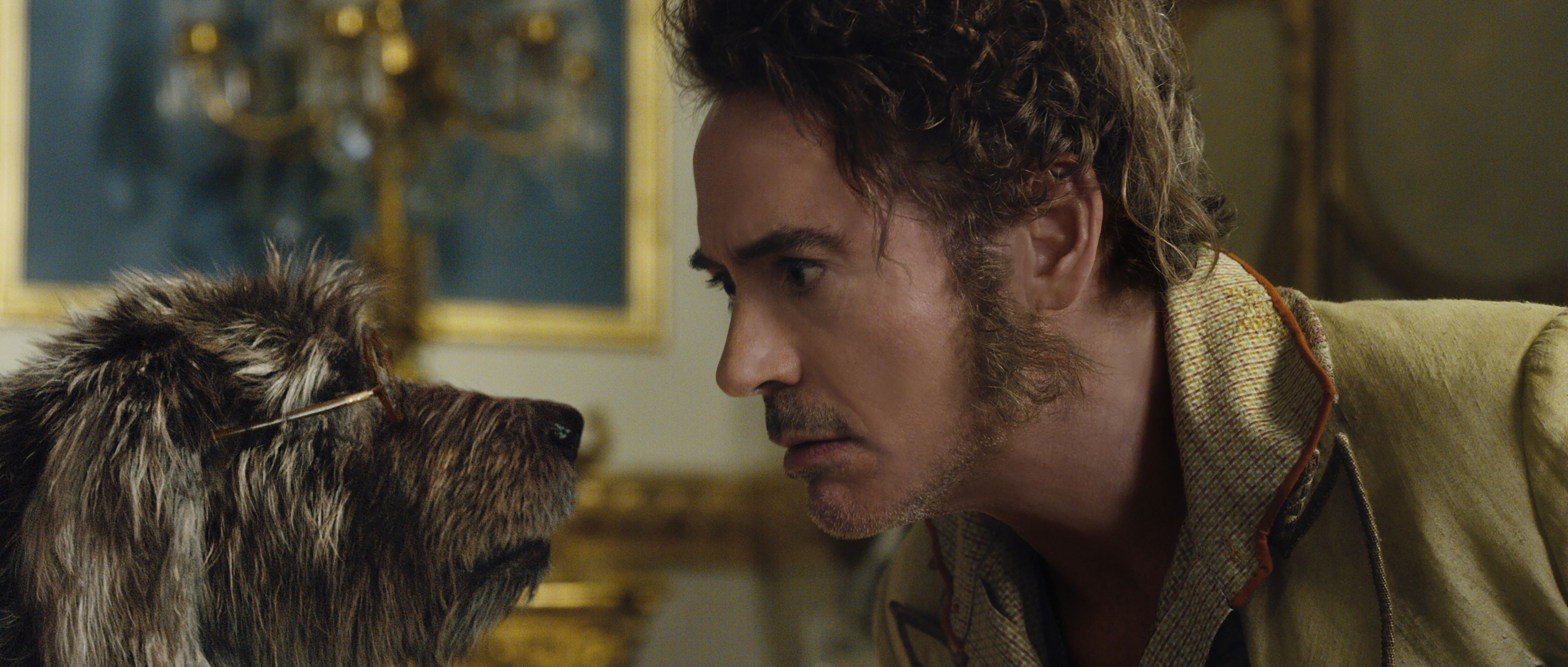
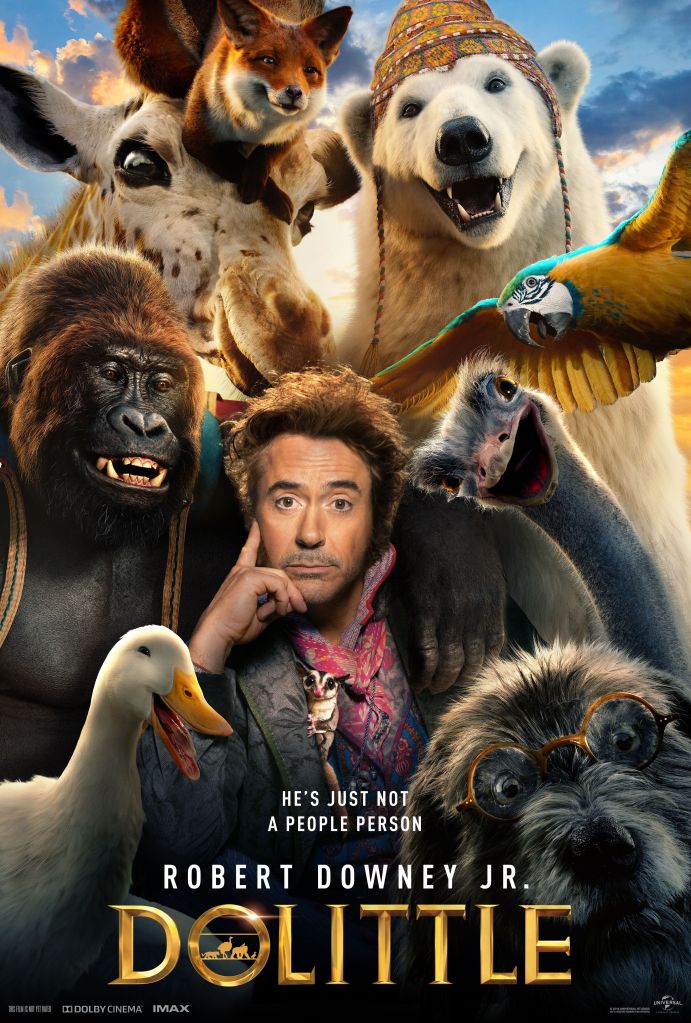


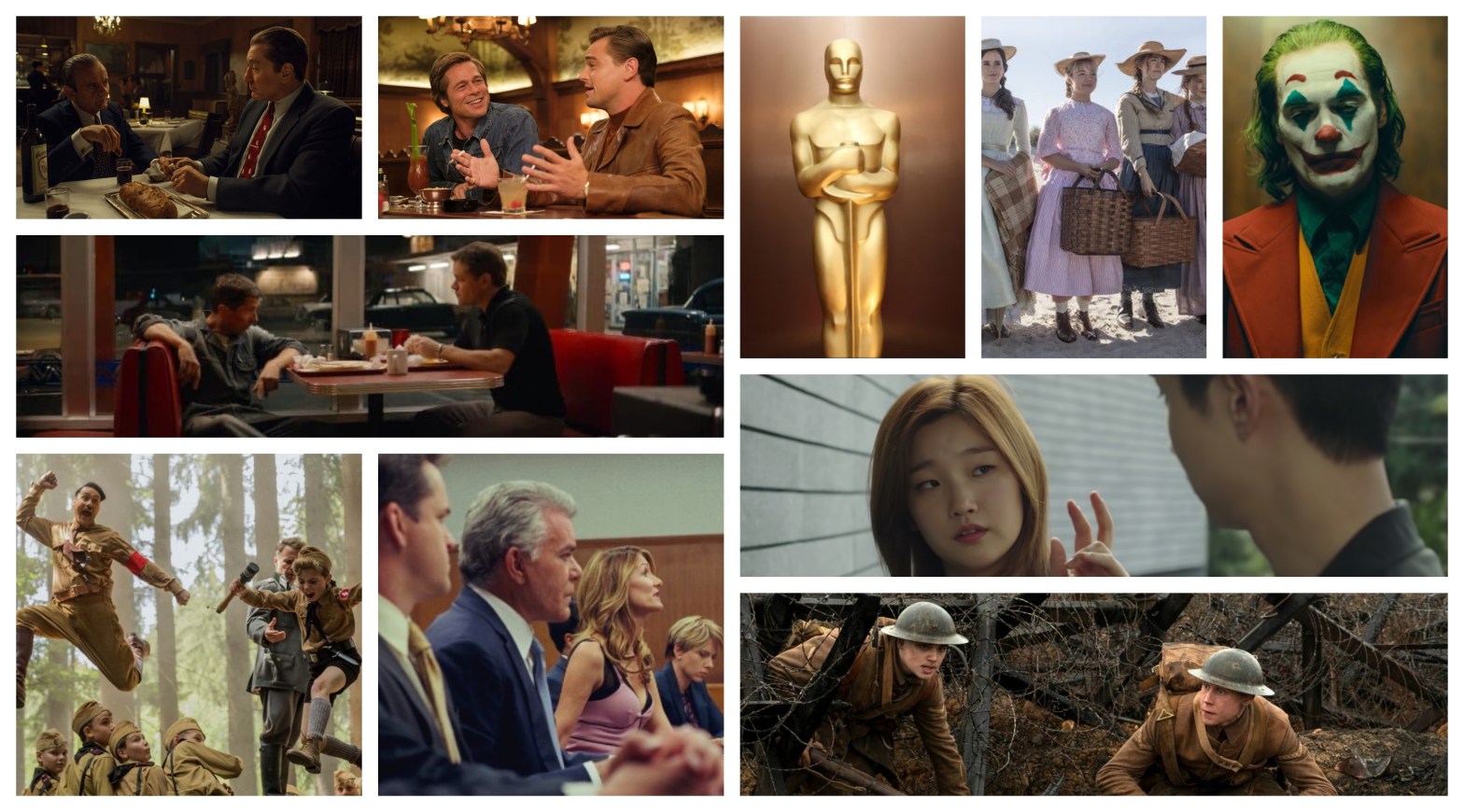
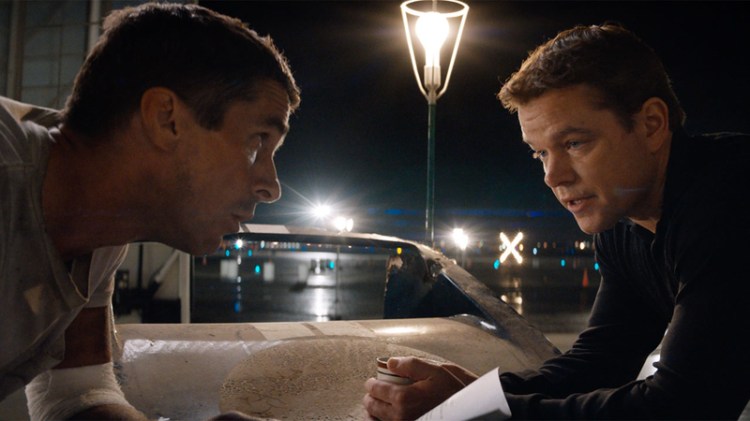


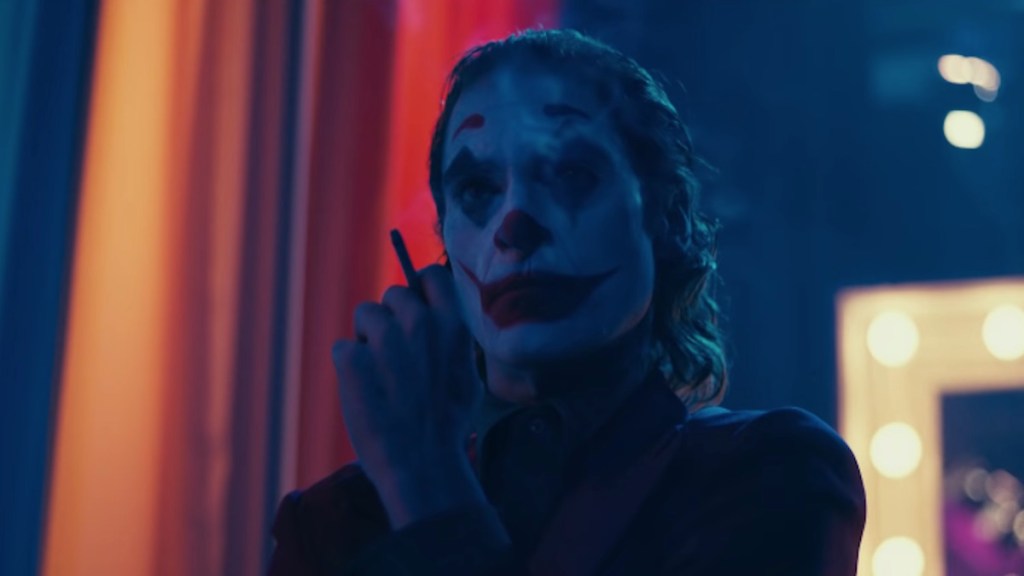
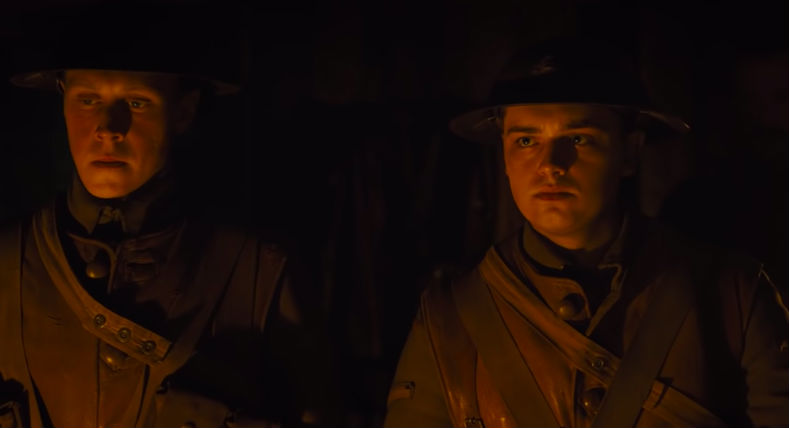

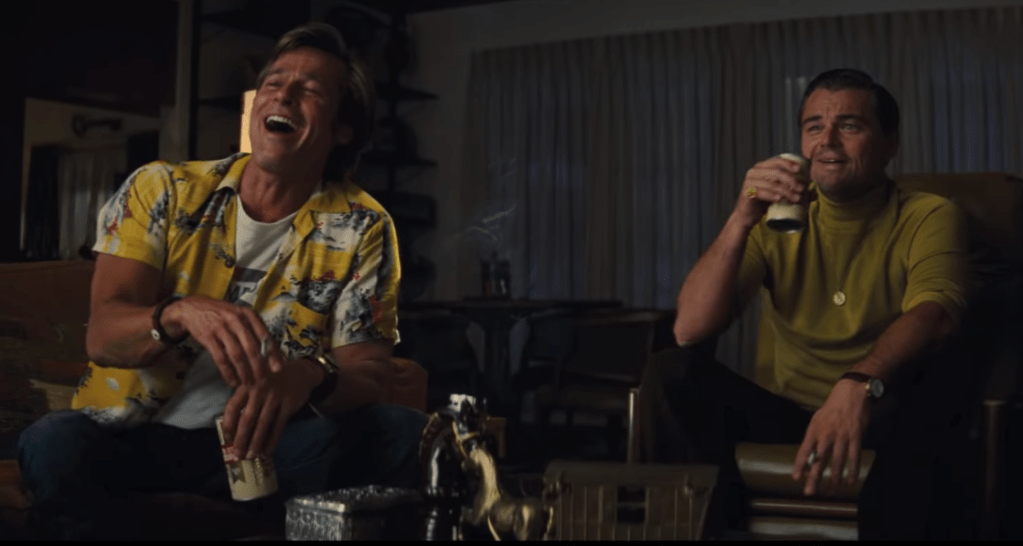
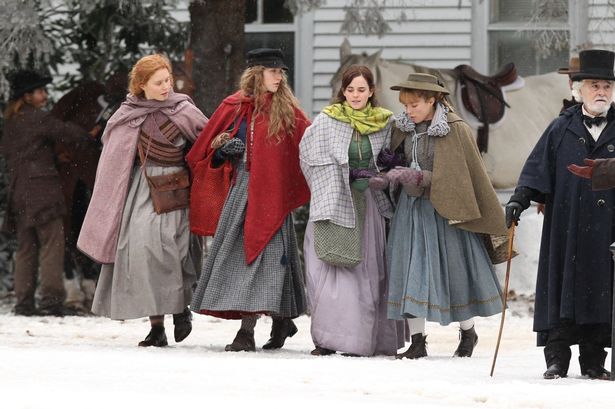
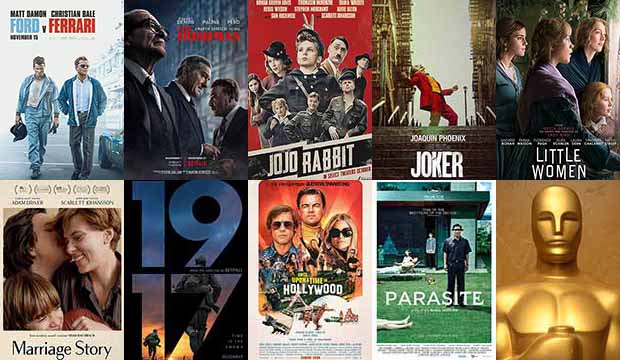

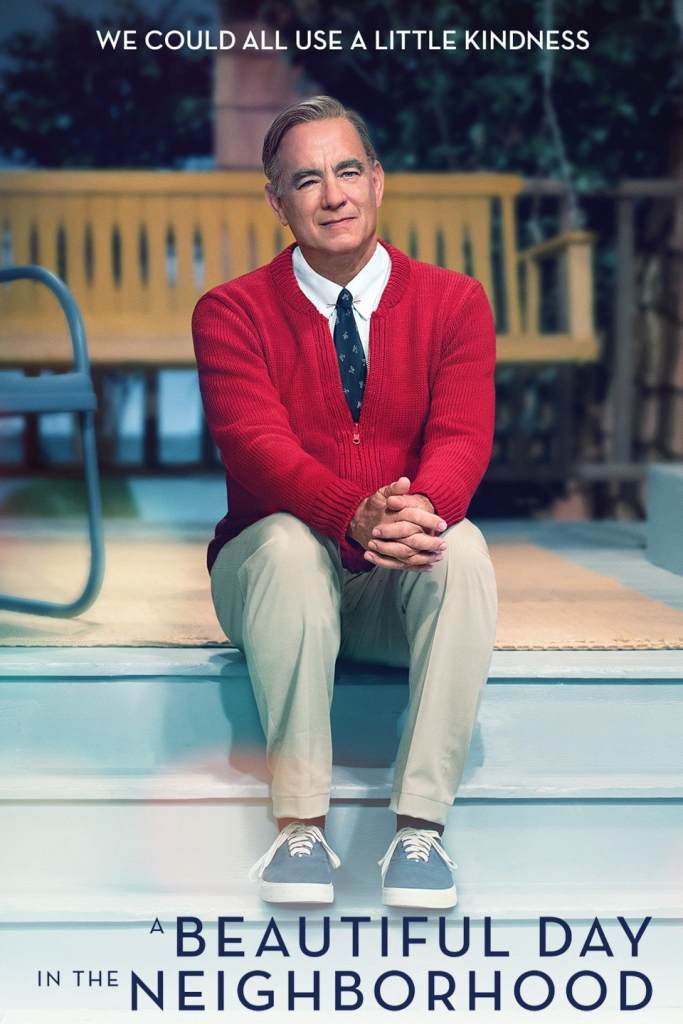


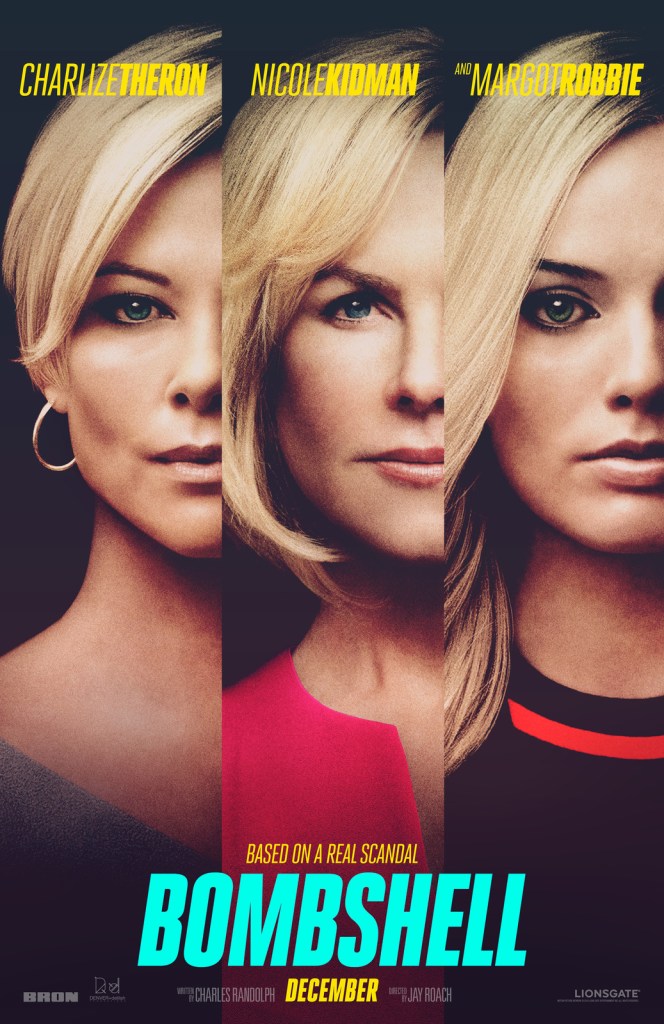


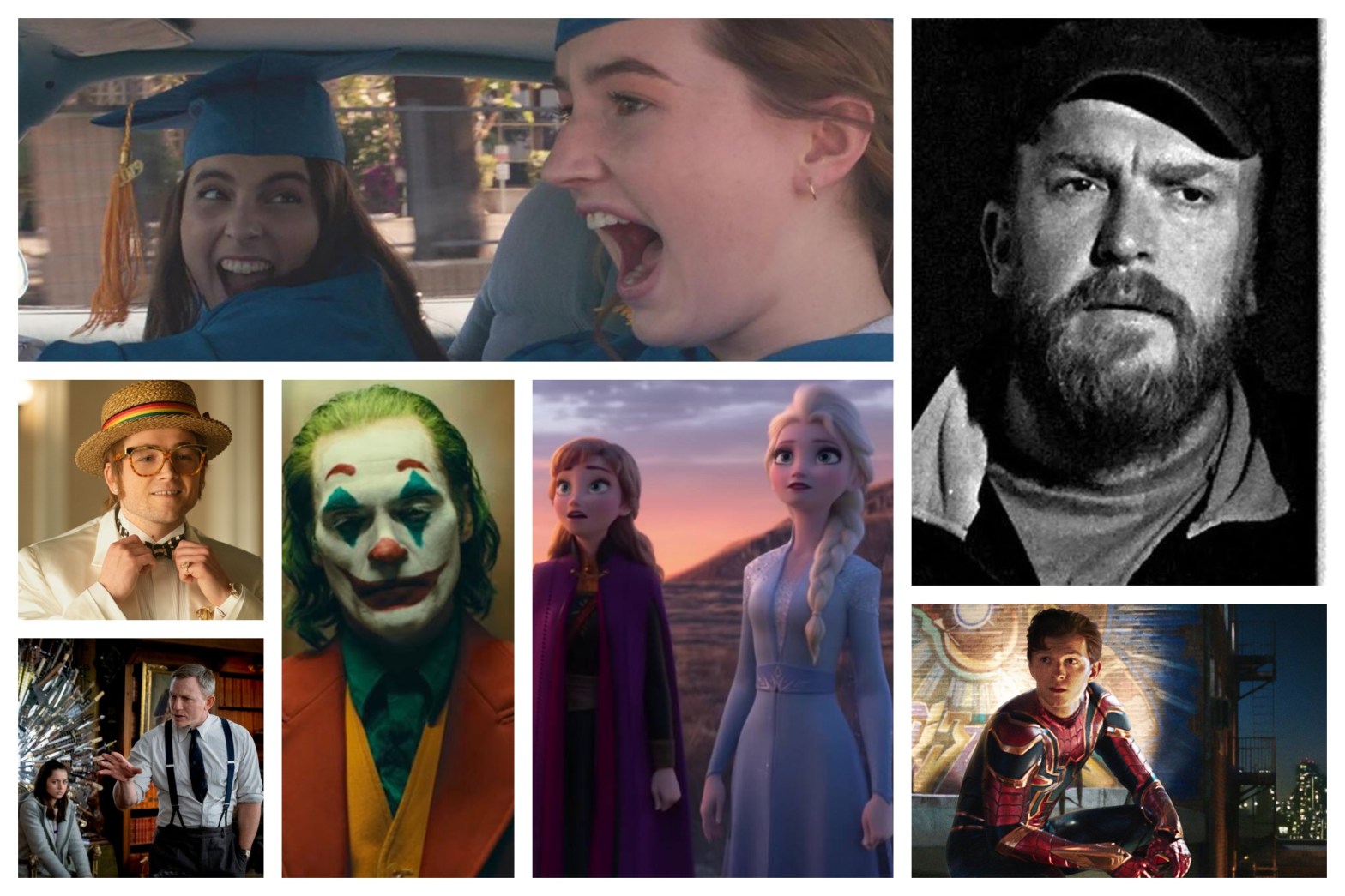
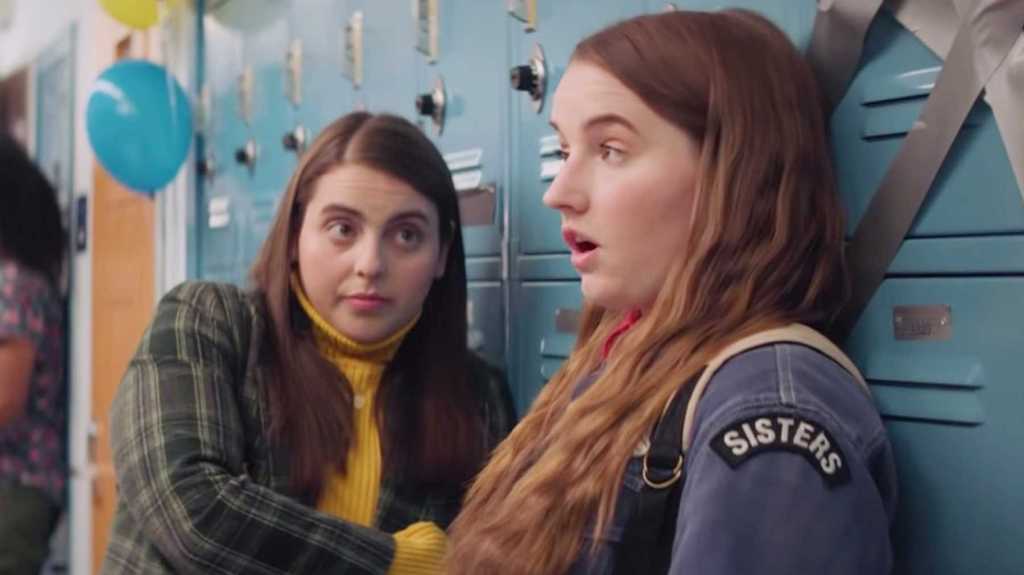
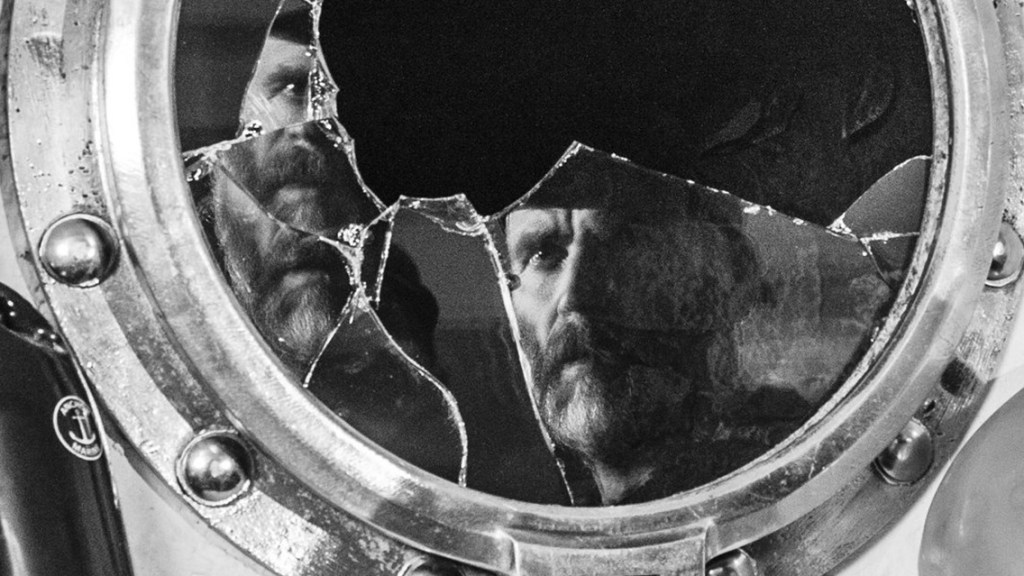

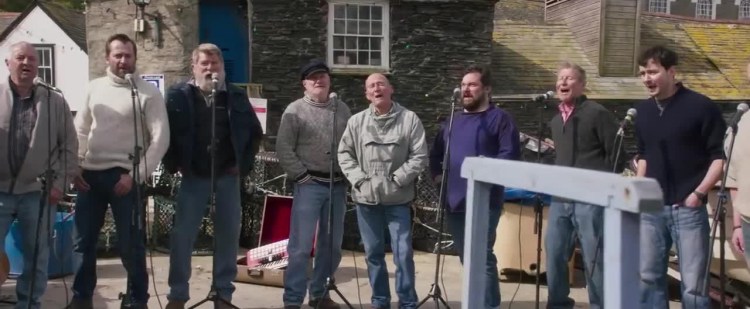
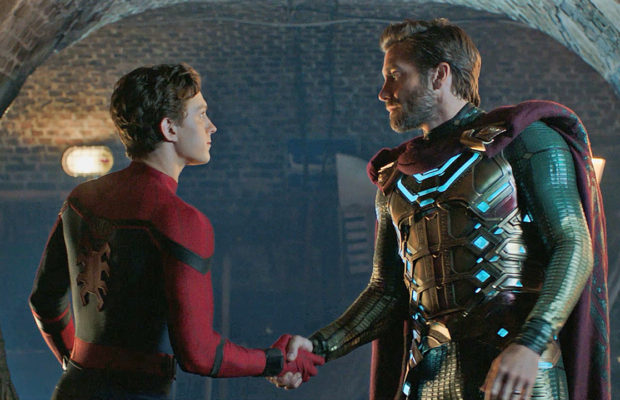
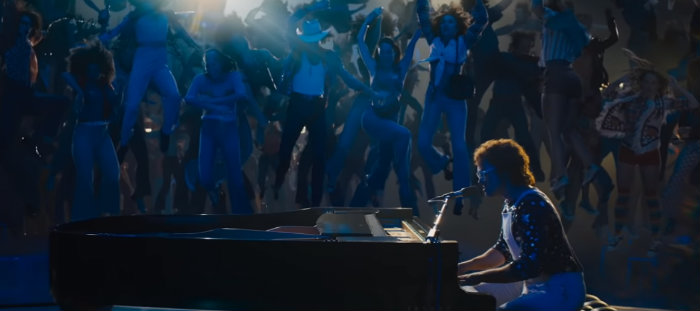

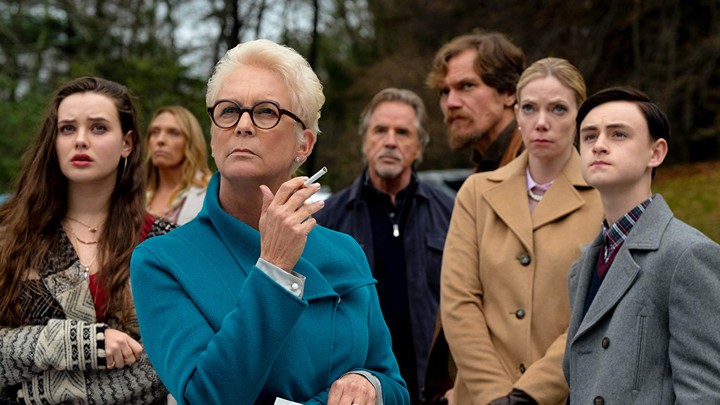
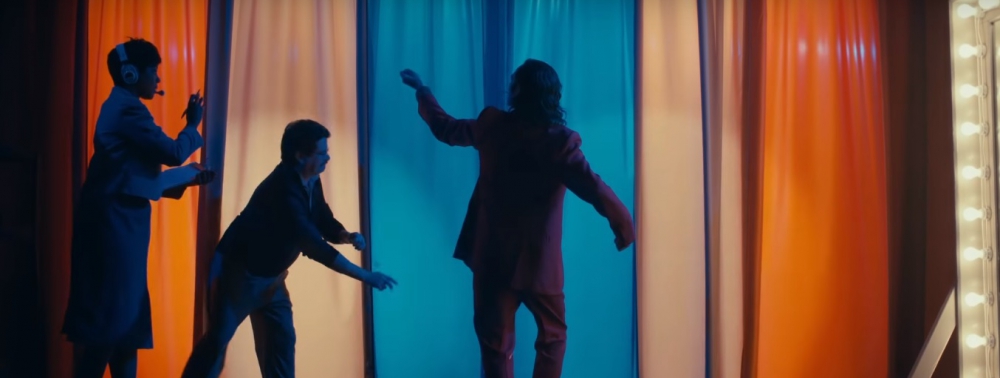
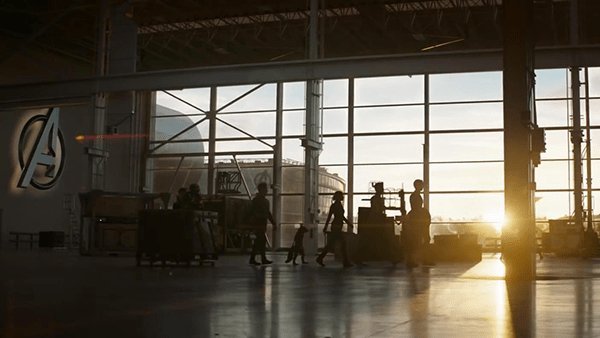
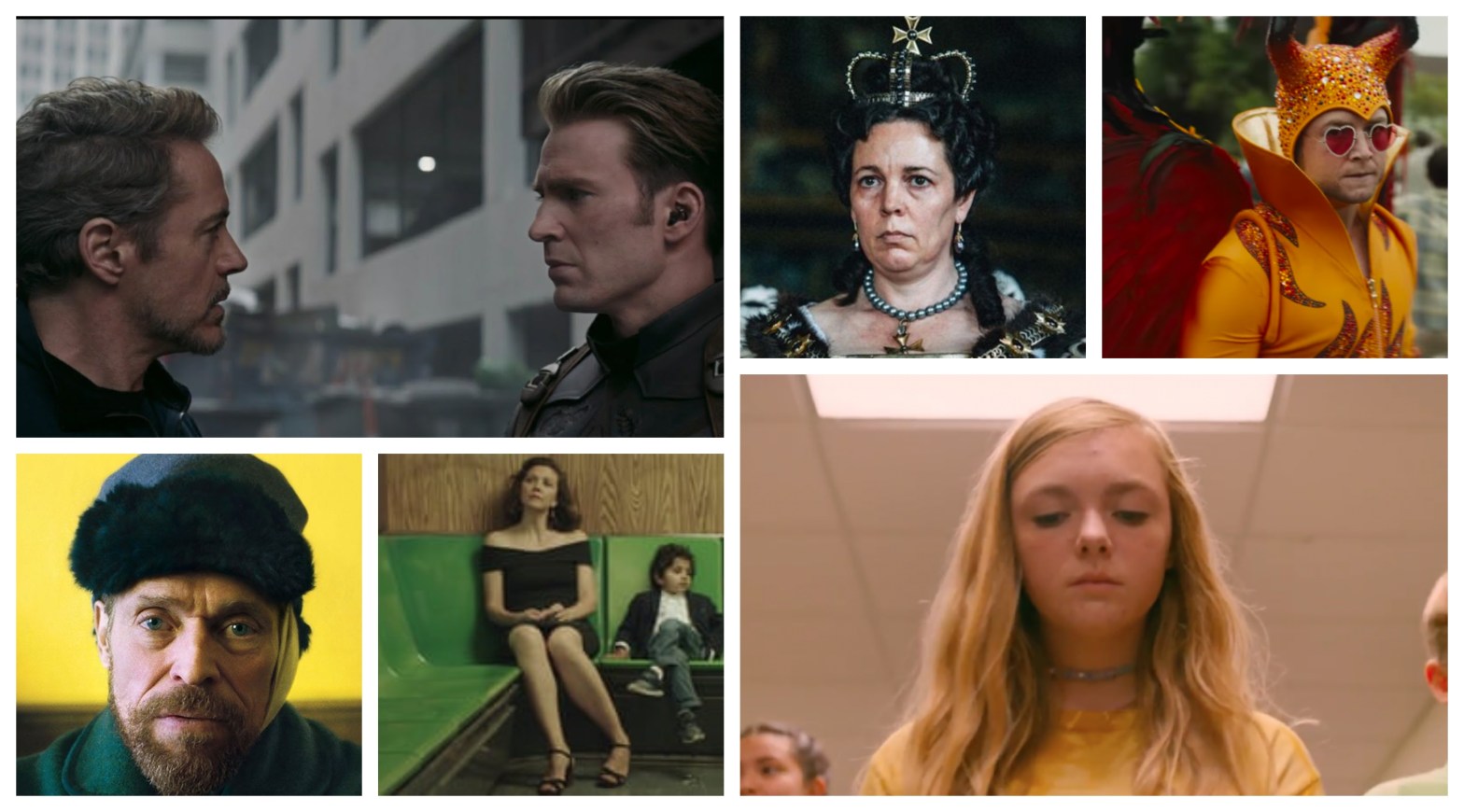
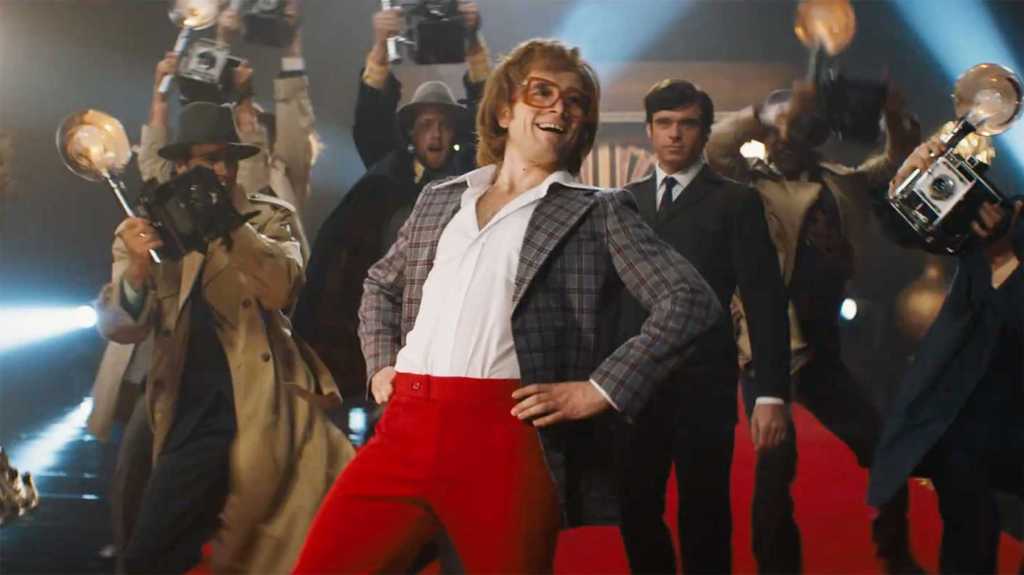
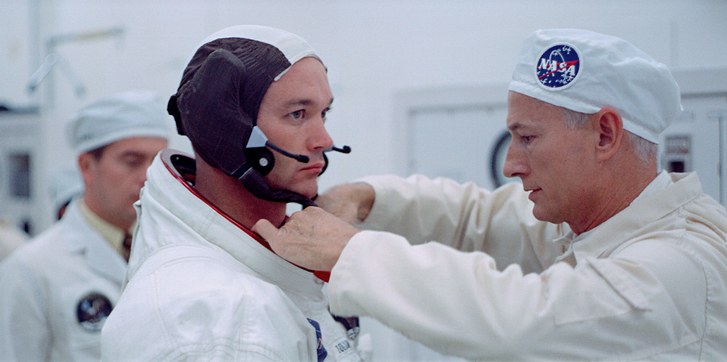
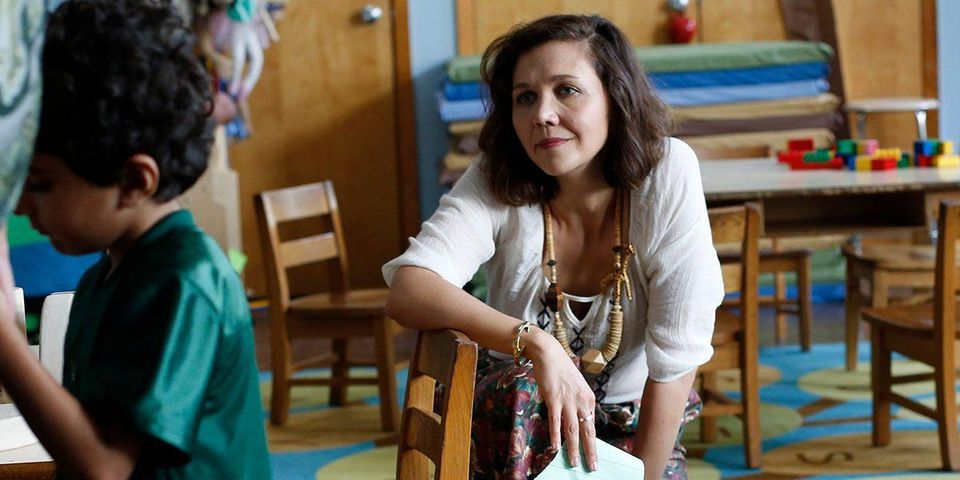
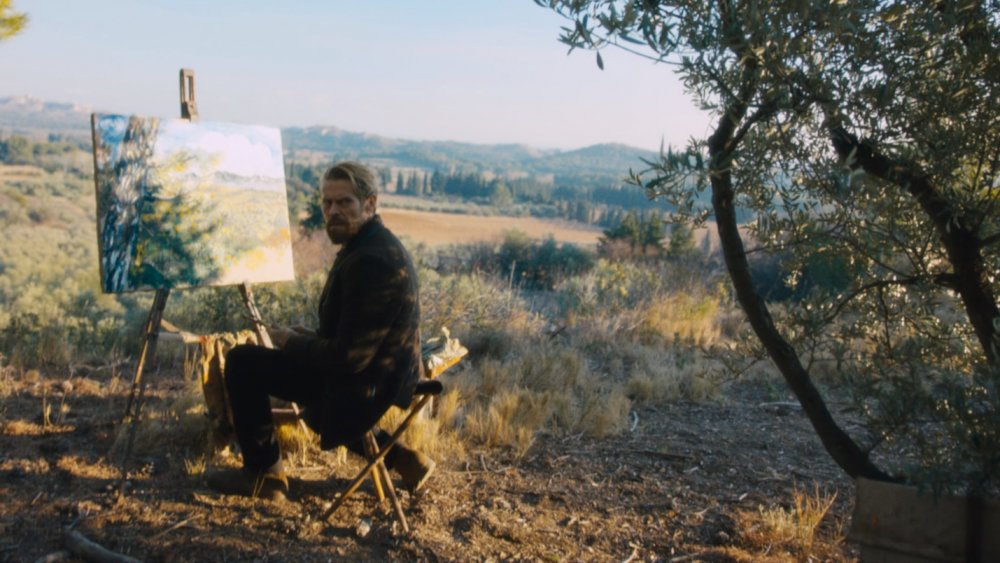

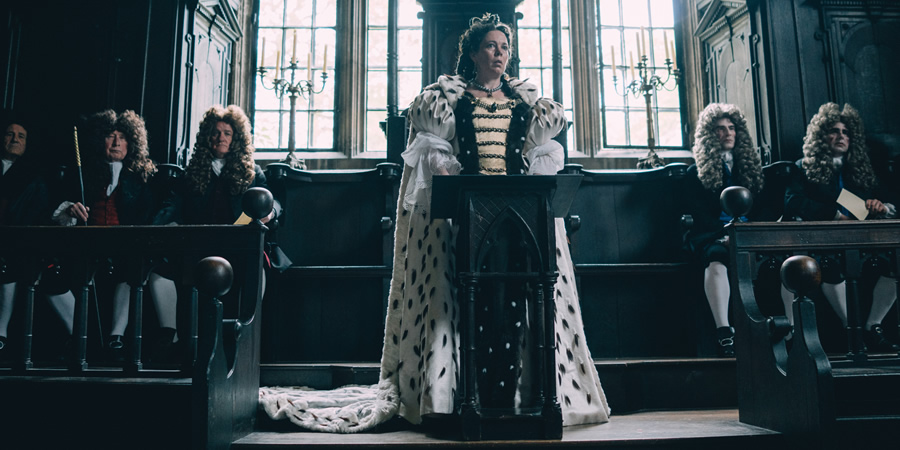
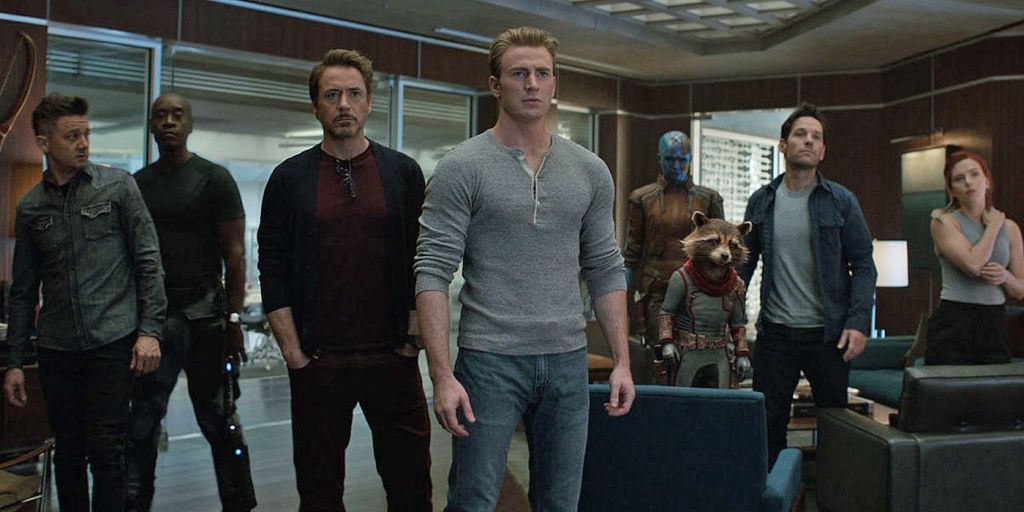
 Just A Little Bit Random