Release Date – 4th June 2021, Cert – 12, Run-time – 1 hour 29 minutes, Director – Aleem Khan
On finding out that her husband (Nasser Memarzia) was having an affair, Mary (Joanna Scanlan) travels across the English Channel to France to learn more about his second life.
We see very little of Mary (Joanna Scanlen) and her husband Ahmed (Nasser Memarzia) together. That of which we do see suggests a potentially distant relationship. As they return home one evening Mary goes to make tea as her husband sits down in the other room, still in frame. In the dimly lit shot we see him unexplainedly pass away. Although there’s a hint of distance between the pair Mary’s pain is still clear. The impact of her husband’s death weighs on her immediately as her quiet life possibly becomes ever quieter.
However, she soon discovers that Ahmed, a ferry boat captain between France and England, was having an affair on the other side of the English Channel. Wishing to learn about his second life she travels to France to meet the woman he was having an affair with. Soon after arriving in the country she finds herself becoming the cleaner for Genevieve (Nathalie Richard) and her son Solomon (Talid Ariss) as they prepare to move house, both fully expecting Ahmed to turn up. As she learns about Ahmed’s second family Mary gradually grows close to, even if still with uncertainty and apprehension on both sides, Solomon as he opens up about his relationship with his father. It’s in these two characters that we find the most connection and understanding, they certainly get a fair-deal of screen-time and perhaps their distance with the same character creates interest in terms of how their viewpoints, ages and responses differ. Feelings that are brought about by the strength and consistency of the two performances.
The two figures, who appear to have spent their lives keeping their emotions held in and speaking little to anyone outside of their small spheres, create a gradual bond. One where they discover more about each other, particularly Mary about Solomon, and begin to open up, even if not always intentionally. There’s enough present within the narrative to keep things flowing well enough. This is a quiet drama. One of character detail and elements instead of spectacle. The key themes and details are those based around connections between people of different backgrounds, and the common ground that they share, leading to understanding and connection.
You do at times feel yourself simply watching the characters engaging with their surroundings, and those in the same environment, rather than properly emotionally engaging with them. It’s perhaps part of the effect of what is a very quiet, fairly observant, film. However, when an element of development comes in and the emotional aspects of, and connections between, characters are focused on there’s certainly something engaging that provides enough to make the overall viewing worthwhile.
Amongst the quietness that sets the tone of After Love there’s enough character detail and development within the connections formed that make it a worthwhile watch, brought about especially by Joanna Scanlan’s strong central performance.
Cert – 12, Run-time – 1 hour 43 minutes, Director – John Patrick Shanley
Farmers Rosemary (Emily Blunt) and Anthony (Jamie Dornan) have known each other since childhood, however Anthony’s father’s (Christopher Walken) decision as to who he leaves his farm to could break the pair’s relationship.
Wild Mountain Time, adapted by writer-director John Patrick Shanley from his stage-play Outside Mullingar, begins as it means to go on a sentimentalists ad for the Irish Tourism Board. Beginning with shots of rural Ireland we hear a voiceover that chirpily acknowledges “welcome to Ireland”. A sentence that, when matched with the visuals, demonstrates a hopeful fairy tale-like view of the country. As the voiceover goes on we learn that we’re being spoken to by the truly shoddy accent of Tony Reilly (Christopher Walken, who looks as if he’s recovering from the shock of electrocution, confused as to how he found himself lost in this film). As he informs us in an equally cheerful manner “I’m dead” this portrait of the Emerald Isle’s countryside is revealed to be more ‘a dweam within a dweam’ than anything to be taken completely seriously.
Tony is the father of Anthony (Jamie Dornan), a dedicated farmworker who has been brought up in this environment his whole life. However, Tony is having thoughts of bequeathing his son’s wealthy American cousin Adam (Jon Hamm – one of the few cast members free to luckily use their own accent) the farm, predicting that his life is close to its end for much of his screen-time. This is poorly received by both Anthony and those on the neighbouring farm, Rosemary (Emily Blunt) and her mother Aoife (Dearbhla Molloy). Anthony and Rosemary have been friends since childhood, and while the film often pitches them as general acquaintances, or just about friends, there seems to be a bit more on at least one end of the relationship. Rosemary appears to have a potentially more romantic view for the two, although Anthony often remains oblivious to such suggestions. Carrying on blindly, talking to the donkey, in the hope of winning his father’s attention by working on the farm.
The conversation flies with romantic zingers such as “the Guinness is good”. Just one of the many hits in a screenplay that appears to imagine Ireland is a place where the romanticised language is made up of similes and metaphors, “it’s dark as tar” being one of the few early, mild, examples – with the odd “burn in hell ya sh!te horse” thrown in for good measure. Dialogue that equals the look and style of the film. One that’s set in the modern day but could very easily be a period piece, it certainly looks and feels like one. Perhaps one of the most shocking shots in the film is that of a passenger plane, it takes a couple of moments to register the fact that this exists and that the film is in fact set in the present.
All held in a film that allows it’s characters to develop through brief moments of personal dance. As they embrace their feelings in this way the world opens up, gains colour (green) and the camera speeds across the vast (green) landscapes that Ireland has to offer. Geese (not green) freely glide past the camera to express the liberty that this character has had unveiled to them. It’s the culmination of cheesy clichés that you’d expect to find in a ‘the-joke-is-its-bad’ film within a film. The likes of which have weather that magically changes depending on the situation, bucketing it down with rain in an instant if the emotional nature requires it, before clearing up just as quickly when some form of resolution arrives. This also happens in Wild Mountain Thyme.
A film that has plenty of entertaining moments, although perhaps not in the way intended; when the piece actually does seem to be aiming for laughs none arrive. Instead it’s met with a kind of awkward, stony response that contrasts with that to the seeming romantic drama that’s trying to play out. While the tone and response might be inconsistent, one thing that’s for certain is that nothing will prepare you for the sensational twist. One that, much like the plane, leaves you at something of a standstill as you have to take time to completely take in and understand what’s just happened. It almost makes everything that’s come before it worth it, and there’s certainly some amusement to be found within what precedes this moment. Unfortunately, there’s also a fair deal that isn’t so good.
A number of Wild Mountain Thyme’s Irish accents match the inauthentic vision of Ireland that it presents. It might have some amusing moments, but often not for the right reasons.
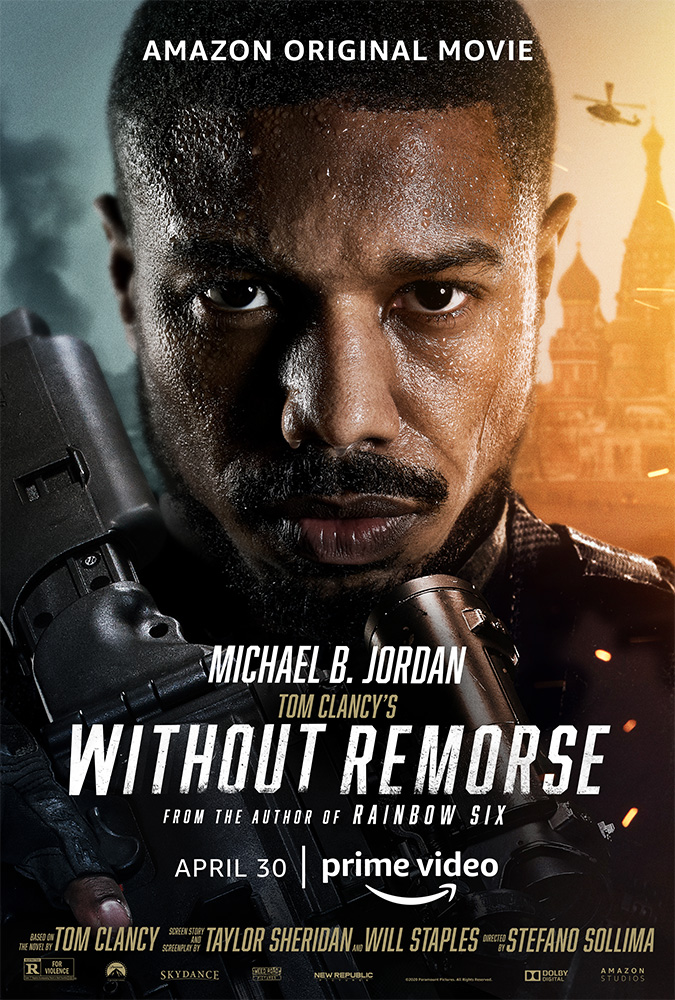
When his pregnant wife (Lauren London) is killed in the night Navy-SEAL John Kelly (Michael B. Jordan) takes it upon himself to get revenge, uncovering a potentially bubbling war between the US and Russia.
Without Remorse is potentially one of the biggest tests of Michael B. Jordan’s career so far. There are a number of occasions throughout it’s fairly by-the-numbers 109 minute run-time where his charisma has a lot of heavy lifting to do. And he manages to come out of it unscathed, giving a good performance within an otherwise somewhat generic film.
Jordan plays Navy-SEAL John Kelly, an expectant father who returns from a complicated mission in Syria to almost instant tragedy. Woken up in the middle of the night to a deadly home invasion he finds his pregnant wife (Lauren London) killed, with many of his team from his most recent mission suddenly murdered too with what appear to be expert executions. Kelly takes it upon himself to find the people behind this, despite conflicting messages, even on home soil, with the sole intent of revenge. There’s no denying his skills, which certainly make for a handful of engaging action beats, and it only makes the threat that he poses that much greater. You begin to look forward not to seeing potential enemies be on the receiving end of his attacks, but just to see him get to work in whichever country he finds himself dropped into.
With a script co-written by Will Staples (who has action experience having written for the highly successful Call Of Duty video game franchise) and Taylor Sheridan (behind hits such as Sicario – director Stefano Sollima directed the underrated sequel) there are still a handful of scenes that feel like a mid-90’s action-thriller. Likely effects from the film having been in production since around this time, the Tom Clancy novel of the same name it’s based on published in 1993, with various screenplays adapted and re-worked over time. It’s perhaps because of this that the film has a rather predictable feel about it, particularly when it comes to it’s final stages and major reveals. Yet, there’s still a watchability to the piece. Perhaps it’s the conventional nature that allows it to go by with little issue, the feeling of it being familiar?
The plot certainly doesn’t seem to be the main reason for engagement within the piece. Themes of who the leader of Kelly’s grief is never quite has the impact that it should, although this is the case for a number of the points in which the film attempts to get an emotional response of some kind from the viewer. The core engagement is with Jordan’s central performance and the slight bursts of close-up action where the final impact may not be anything grand, but there’s certainly some mild entertainment value while it’s happening. Very much a reflection of the overall impact that Without Remorse has overall, perfectly fine while watching although not with any major impact.
Michael B. Jordan’s charisma remains solidly intact, and, alongside some bursts of brief action, helps elevate the otherwise by-the-numbers nature of Without Remorse’s forgettable narrative.
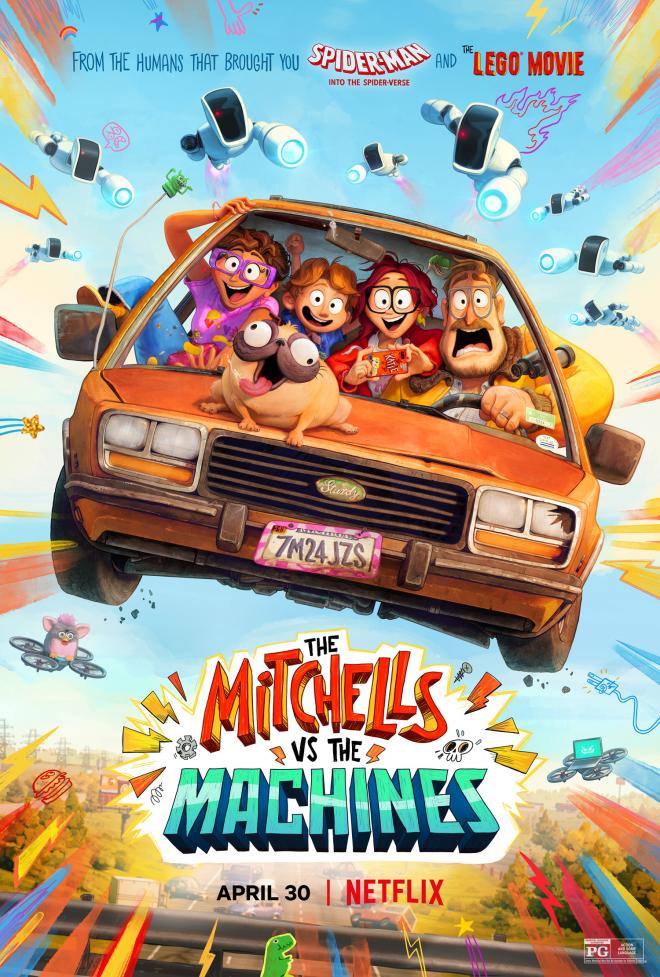
Cert – PG, Run-time – 1 hour 50 minutes, Directors – Michael Rianda, Jeff Rowe
While taking daughter Katie (Abbi Jacobson) to college the Mitchell family becomes the only remaining people on Earth who can stop the technological uprising.
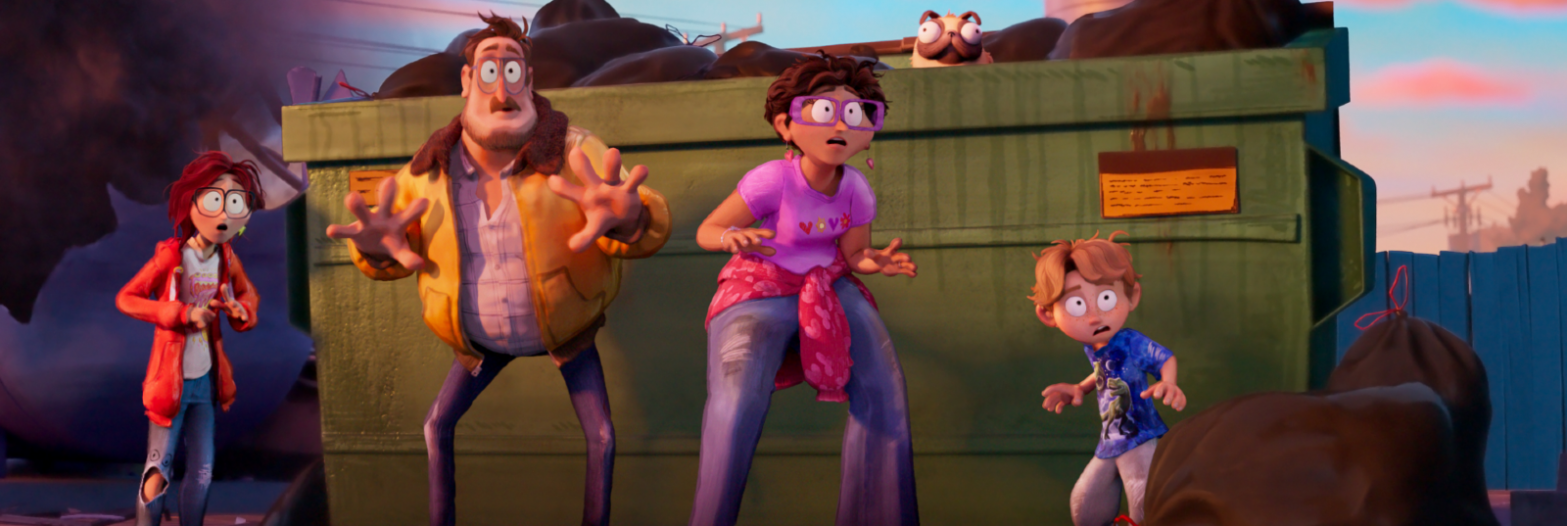
The standard family road trip, often shown from the children’s perspective as a hellishly restricting venture, while the parents view it as a hopeful bonding exercise. For the Mitchells it’s a journey much like their tattered vehicle, full of “character, class and some green ooze we can learn about together!” The group of four (plus, real hero, dog Monchi) are travelling across the country to take daughter Katie (Abbi Jacobson) to college in California. Katie’s relationship with her father, Rick (Danny McBride); a man who has a tendency to exclaim statements such as “it’s not illegal if you’re good at it” when skipping traffic jams in out of use lanes, begins to experience tension. She’s all set to venture further into her life of potential filmmaking – having had great success with short films and parodies on YouTube, not always to the occasional bemusement of her parents (Maya Rudolph plays Mum Linda), and entertainment of younger brother Aaron (co-writer-director, alongside Jeff Rowe, Michael Rianda) – and yet feels undermined at times by her family, particularly the almost strong lifelong relationship with her Dad.
After various rest stops and failed attempts at family bonding the proudly weird – the film is credited as being “a movie by a bunch of weird humans” – family they find themselves facing the ultimate exercise in the form of the technological uprising. When tech developer Mark Bowman’s (Eric Andre) latest advancement, a robot assistant with plenty of smart-phone like abilities, gains power of itself thanks to AI assistant PAL (Olivia Colman on consistently joyful form) it captures every human possible to launch them into space, creating a peaceful Earth for all of technology. When the Mitchells find themselves the last humans left they, eventually, take it upon themselves to brave the world of sentient toasters, fridges and Furbys to save all of humanity.
With a blend of 2d and 3d animation, mixing slight convention with the filmic gaze that Katie sees the world through and cartoon-like hints to show small details of character emotion and interactions with technology, there’s a distinct visual flare to the film. One that makes the world feel unique and original, engaging you further within it, and connecting you with the characters as they try to survive. As was the case with other Sony Animation project Spider-Man: Into The Spider-Verse, also produced by Phil Lord and Chris Miller, who, alongside The Lego Movie, prove to be a strong force in creative, boundary-breaking animation.
As was the case with previous Lord and Miller produced animated features The Mitchells Vs The Machines (originally titled Connected) packs in plenty of heart. Far from a saccharine forced message it instead feels like a finely tuned set of emotional beats that the cast and crew genuinely believe in. One that celebrates the weirdness of not just the central family but all of those involved in the making of the film, and those watching. There may be the ideals, in this case it’s neighbours the Poseys (voiced by John Legend, Chrissy Teigen and Charlyne Yi) with their family yoga sessions and peaceful retreats, but they aren’t part of the people we have a familial bond and connection to. This is far from a film that observes it’s characters as ‘quirky’ or ‘dysfunctional’ or anything close to ‘wacky’, they’re not even outsiders. Instead the Mitchells are an everyday family with their imperfections, grudges, hopes, wishes and most of all thoughts and emotions. It’s what drives them to not just fight against the robot s that they face, but to fight against them together in plenty of inventive ways – disguising the car so that it looks like it blends in with the road for example.
Such hints particularly come in during the second half of the piece. The often laugh-out-loud humour is definitely still present, and each scene continues to overflow with creativity that uses the animated form to full advantage while managing to not go towards the realms of pure stupidity. And while the final events do add to the near two hour run-time there’s a fair deal of entertainment value to be found that keeps things running smoothly enough until the end.
Perhaps the best testament to the film is the fact that it can use references to popular internet videos, including one to the ten year old Nyan Cat, and not feel cringeworthy or as if it’s trying to connect with a younger audience. It simply uses them effectively and without being too in your face to advance the plot, and add to the characters. Emphasising the world that they live in, and perhaps a near accurate, if occasionally intentionally exaggerated, depiction of 21st Century relationships with technology and what it can help, and allow, us to do. It simply adds to the cartoonish nature that the film embraces to allow the engaging ‘weirdness’ of the central figures to show. They’re enjoyable characters and it’s easy to form a connection with them as they emit heart and humour that the creators heap into them, and the film as a whole. It comes across with ease in one of the most fresh, unique, genuine and original animations standing out from the standard Disney and Pixar fare.
The Mitchells Vs. The Machines is a film that wholeheartedly embraces the idea of family. Inventively celebrating all their possible weirdness and individuality in a creative, hilarious piece filled with heart, emotion and most of all laughs.
Cert – 15, Run-time – 1 hour 45 minutes, Director – Lawrence Michael Levine
A filmmaker (Aubrey Plaza) finds herself looking for inspiration for her latest project in two similar cabin settings from two different perspectives
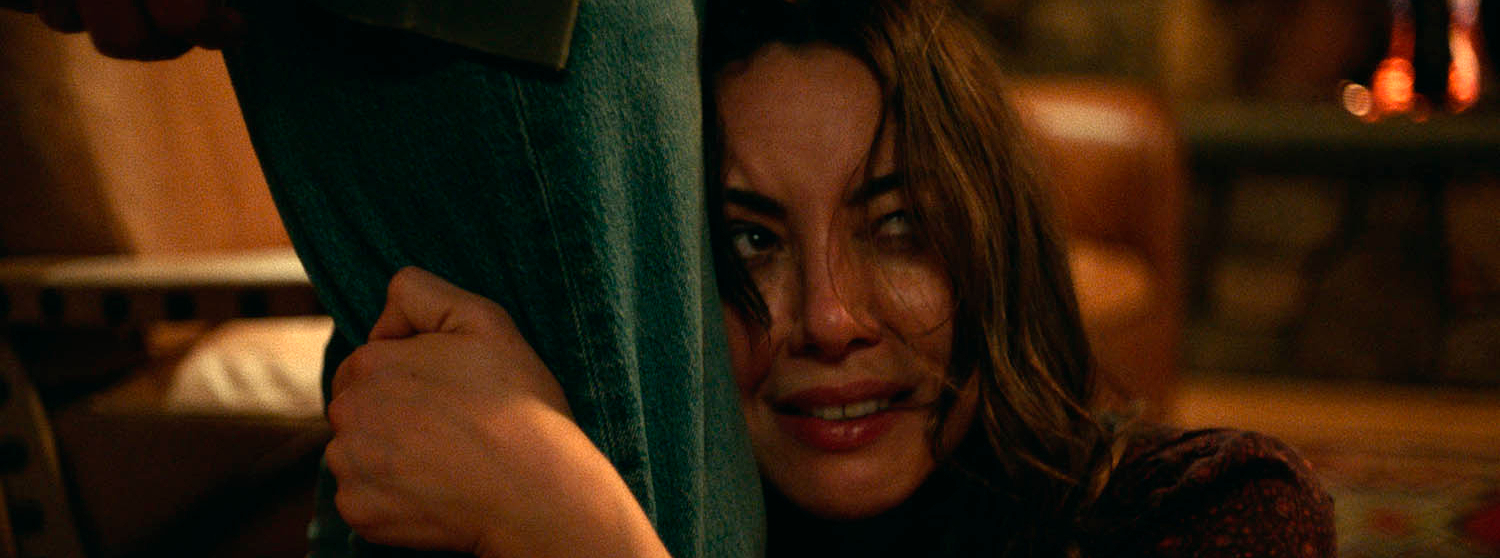
Write about what you know – it’s a phrase that appears to have repercussions on Aubrey Plaza’s Allison twice over in writer-director Lawrence Michael Levine’s latest. We initially see her taking residence in a quiet cabin in the woods, with couple of creatives Gabe (Christopher Abbott) and Blair (Sarah Gadon). Their life appears to be relatively calm, a family on the way, until Allison’s arrival. She begins to gradually chip away into their relationship, seemingly with the intention of working further between the pair. Taking sides back and forth in lengthy conversations about modern gender roles and sexual politics. It helps form a sort of psychosexual drama with tensions growing between the three, particularly with the uncertain aims and intentions of Plaza’s central figure.
Thanks to the longer conversations that line the film and the gradual development of the ideas that it brings up, or perhaps Allison forms for inspiration, there are plenty of points where the play-like events feel as if they’re happening in real-time. It adds an extra layer to the proceedings and allows for the drama to have a greater impact as it feels like it could go in any direction at any time, unable to stop as everything happens in the moment that you’re simply sat there watching like an invisible observer in the same setting. It’s such feelings that also line the second half of the film where the roles switch.
Allison finds herself the real-life wife of director Gabe. Starring in a film seemingly based on the events of the first half of the film. Blair plays opposite her in what appears to be the fictional Allison role, the real Allison suspects that her rival is having an affair. She gets increasingly drunk and details filming. Going from a “really hard to read” figure in the first half to a highly emotional cocktail of frustration – her husband simply telling her that this is why she shouldn’t have been in the film in the first place. This meta spin that knocks something down to reveal a two-way mirror, with the audience looking through the window on the unsuspecting set of feuding characters, their anger growing and impact the film crew around them.
Over time, in each scenario, the characters begin to overflow and break down. How they release their raging emotions differs, sometimes it’s sexually, others tears; often it’s through raising their voices to shout everyone else down. There are conflicting egos, some of which are presumed, warring throughout, growing as the battles continue and grow into a larger scale, and it’s certainly interesting to see it all play out. Plaza is in a very different role to what we’ve seen her play before. Steps away from her more comedic roles, and distant from the stalking psychosis of the title character in Ingrid Goes West (still her best role, although this comes close).
The rest of the cast also find themselves delivering good dual performances. The differences are clearly there, a handful are fairly subtle yet have a big impact on the shifts in style. Yet, although the characters change the tone and style remains consistent. This is a film that focuses on character and emotion, reaction instead of complete development. It makes for something compelling and detailed. Once you get used to the style and the course that appears to be taking, which after the first few minutes becomes clearer, especially as the limited selection of figures start to properly interact. From there the conflicting personalities, viewpoints, interactions, thoughts and depictions all boil over to create a highly dramatic representation of two different searches for inspiration amongst two very different creative mindsets.
After having space to lay itself out Black Bears picks up the pace with an effective play-like examination of character and response within a psychosexual search for creative inspiration and expressions.
Cert – 12, Run-time – 1 hour 50 minutes, Director – Michael Matthews
Daring to leave the safety of his bunker, Joel (Dylan O’Brien) dares to travel the giant-monster covered surface of the Earth to make the seven day journey to his girlfriend, Aimee (Jessica Henwick).
For a light adventure-comedy there’s plenty within Love And Monsters that’s likely to unsettle you. Mostly in the detail of the CGI monsters (the film itself was nominated in the Best Visual Effects category at this year’s Oscars), the likes of 15-20ft frogs towering over central figure Joel (Dylan O’Brien) are at times genuinely uncomfortable. It enhances the feeling of danger and the threat that they pose. The reason for the fact that frogs, worms, crabs and many other creatures and insects have grown into giant man-eating monsters is because of a meteor that humanity decided to, of course, fire rockets at to avoid destruction to the Earth. After radiation was emitted from the meteor and transforming all kinds of animals humans are no longer at the top of the food chain. Skip forward a few years and only 5% of the population remain, with most survivors living in small family-like bunker communities.
Joel appears to be the outsider in his colony. Not the strongest fighter, he’s the only single person left – and especially the youngest of the group. When monsters manage to breach their way into the bunker he freezes in panic, only just saved by the close friends around him. Thus, deciding that enough is enough, Joel braves the surface of the Earth, taking the challenge of the seven day journey to his girlfriend Aimee’s (Jessica Henwick) colony, having only talked to her via weak radio links for the past couple of years.
O’Brien makes for a charming lead and seems to perfectly capture the tone and style of the film. One that, not just because of the creatures he encounters, almost feels like an animated film in live-action format. Partly to do with the jokes that run throughout, none of which feel in-your-face or as if they’re shouting at you; simply naturally coming from the characters and then moving on in an equally effortless way, but also the general look and feel of the action that lies throughout. This isn’t to say that the piece doesn’t work in a live-action format, it certainly does, it simply feels as if it shares elements and details with some of the standard elements that we’ve become used to seeing in a handful of animated films of recent years. It works as a successful family (a handful of sex references, landing this a 12 rating from the BBFC, aside – perhaps one for the older kids, however, or those where the details might skim over their heads?) film, and a delightful surprise too, much as The Kid Who Would Be King was a couple of years ago.
Having gone in knowing absolutely nothing about the film what I discovered was a real treat. Consistently funny, and even with some occasional beats of effective emotion, it’s a film as much about community as it is about Joel’s journey as a whole. He meets, and parts with, various figures along the way. Including surface-living survivors Clyde (Michael Rooker) and Minnow (Ariana Greenblatt). Both figures are a joy to watch as they bounce off each other with ease and create flowing, engaging and entertaining conversation with their knowledge about all kinds of monsters that might lurk in whatever surroundings and how to effectively take them down – as Joel stumbles behind with a makeshift crossbow and newfound dog, which he’s called Boy. Each conversation feels finely put together and simply adds to the entertainment factor of the film and just how enjoyable it is.
When it all comes together there’s a lot to like within Love And Monsters. The simplistic style and effective execution are the type we don’t tend to see that often nowadays. Even some of the more conventional moments don’t get in the way of the pacing and don’t allow things to feel tired or unenjoyable due to lack of originality – an issue which doesn’t overly appear to be present here. Throw into the mix a charming lead and a number of engaging characters who feel naturally funny and real within the cartoon-like world of the film and it’s difficult not to be caught up within it and taken along for a consistently delightful time.
At times feeling like an animated film in live-action form Love And Monsters isn’t without it’s unsettling creatures and emotional beats. It’s a pleasantly surprising, not to mention effortlessly funny, treat that came from nowhere.
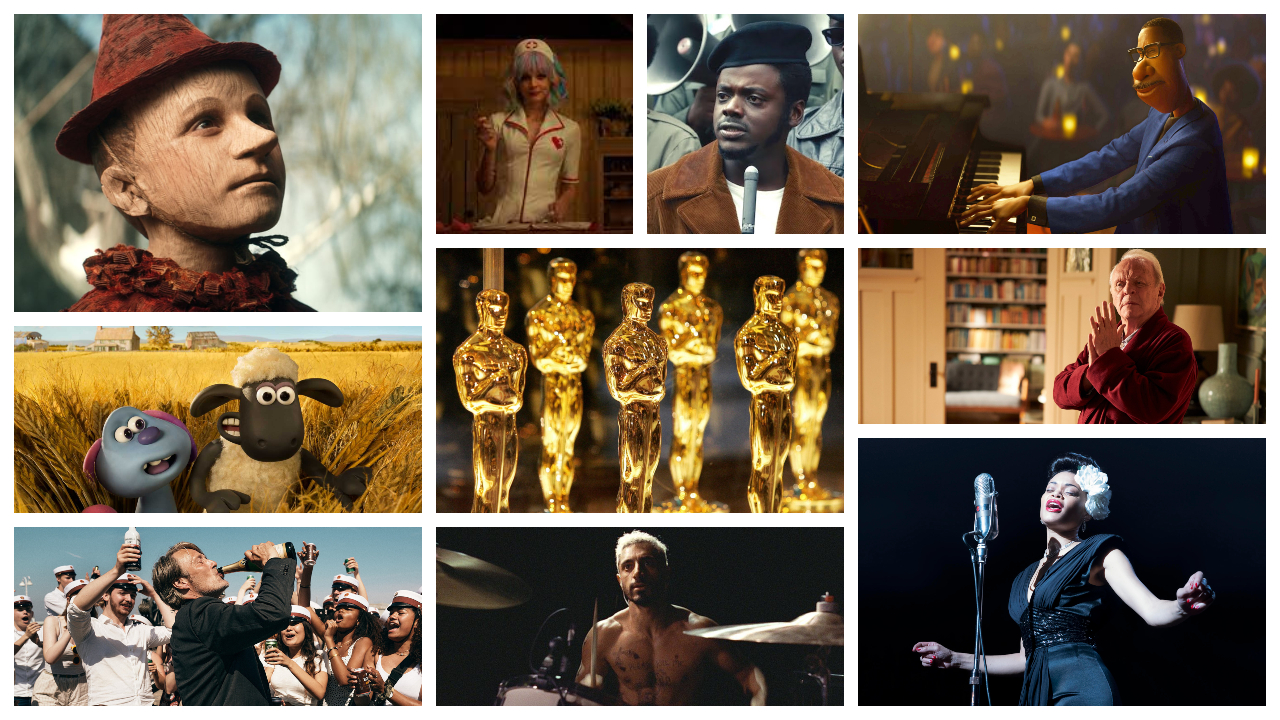
This year’s Academy Awards are possibly the most unpredictable in years. While we’re used to a surprise or two in each ceremony this year could be like no other.
In the constantly changing landscape of Academy votership and nominees this year has produced a diverse range of nominees unlike any other. The race seems to be exceptionally close in a number of categories, making it even more difficult to try and predict the winners. However, that’s still what I’m going to try and do here, with likely unsuccessful results.
Best Cinematography – Nomadland Nomadland looks stunning and really stands out from the rest of the crowd here. It’s the kind of truly visual film that voters tend to swing for, one of the major talking points has been around the way the film looks. It also stands out amongst the other nominees. While Mank could rival it, it feels as if this is Nomadland’s prize.
Best Costume Design – Ma Rainey’s Black Bottom Emma appears to be the strongest competitor here. However, Ma Rainey’s style appears to have been attracting voters in multiple ceremonies this awards season. In a number of anonymous voter articles in the last week or two (which, admittedly only show around ten voters in a 9,000+ member group) this appears to have been the favourite. Plus, there are some truly smashing suits on display.
Best Makeup And Hairstyling – Ma Rainey’s Black Bottom For much the same reason as the predicted Costume Design win, Ma Rainey stands out as the frontrunner in this category. Other nominees have either potentially not stuck out as much or perhaps don’t seem to have as much that grabs the eye in terms of hair and make-up (Hillbilly Elegy, for example, was talked about, but not always in the best light at times, aside from Glenn Close’s transformation). Mank is perhaps the biggest competition, but this still feels fairly locked in for Ma Rainey.
Best Production Design – Mank It appears that most technical category predictions amongst various sources appear to be fairly consistent, and for many confidently locked in. The Father’s subtle details and changes could well connect with a number of voters, however Mank’s film studio and production sets have plenty of sometimes larger-scale detail that could very well be recognised by voters. This could be the only win that the film with the most nominations this year wins, but it would certainly be understandable a win in this category.
Best Sound – Sound Of Metal Unsurprisingly, sound is of great importance to Sound Of Metal. It’s an integral element to the story and the connection that we form with the central character. It feels like a lot of detail has gone into the design and impact of the sound in the film and it certainly lands by placing the viewer in his ears. It stands out from the standard musical or explosive war film nominees, and with its various elements could likely be a winner in this category.
Best Visual Effects – Tenet It’s the major blockbuster with plenty of in-camera practical effects that appear to have attracted voters over the past few years over the likes of CGI-filled features. Tenet may not have picked up many nominations (two in total, the other for Production Design), but this one seems like a win because of the scale of the film and the way the visual effects add to that.
Best Original Song – Speak Now from One Night In Miami… While I would love to see Husavik win this the apparent favour appears to be Leslie Odom Jr. (also nominated for Supporting Actor for his role in this film) and Sam Ashworth’s Speak Now. It seems to be the favourite to win in a category where for a number of people no major song has stuck out as a potential winner. This could be one of the most unpredictable, or rather closest, races of the night and I’m perfectly prepared to be proved wrong in this scenario. However, the song does appear to be the one that the Academy may lean towards most – although wouldn’t it be great if what some think is a slightly jokey song like Husavik won?
Best Original Score – Soul It feels as if either way Trent Reznor and Atticus Ross are winning this award – just with Soul Jon Batiste also gets one. While their Mank score is said to be a strong contender it’s hard to see this award going to anything but Soul. The way the music works with the film in it’s various different styles and elements, and the general descriptive nature of it, perhaps gives it a step above other nominees. Add to that the score’s win at various other ceremonies this awards season and the just how well the score works with the film and it seems like a strong contender for this award.
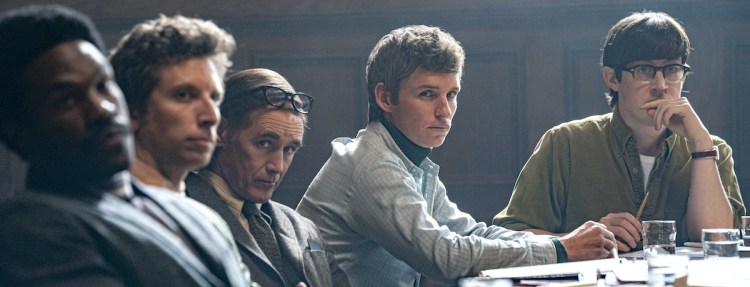
Best Film Editing – The Trial Of The Chicago 7 I’m strongly conflicted on this one. Many appear to claim that Sound Of Metal could take the win in the Film Editing category. It might not seem the obvious winner but there appears to be a lot of love surrounding it. However, in my view, the ‘flashier’ montage editing of The Trial of The Chicago 7 is perhaps what the Academy will lean towards – especially after the past couple of years with the likes of Bohemian Rhapsody and Ford V Ferrari taking the golden statuettes in this category. This is another category where I’m very ready to be wrong and for something else to take the award; it feels as if any of the nominees could take it, but I think The Trial Of The Chicago 7’s montages might just edge it over with the most votes.
Best Documentary Short – A Love Song For Latasha The majority of nominees in this category appear to be somewhat heavy this year. While A Concerto Is A Conversation is perhaps the lightest it appears that there’s a lot of attention towards A Love Song For Latasha. There’s a chance that a number of voters had seen this prior to the nominations because of the short’s availability on Netflix.
Best Live-Action Short – Two Distant Strangers This is perhaps the closest race of this year’s short categories. Feeling Through is said to be a strong contender and The Letter Room has the star power of Oscar Isaac behind it, perhaps a drawing point for some voters, making this the short that gained more attention from them due to the recognition. However, with themes that echo and reflect events from the past year it feels as if Two Distant Strangers could have a bigger impact on voters. Add to that, again, the fact that it’s on Netflix there appears to be a big push behind this particular short, alongside the simple matter of it being one of the favourites to win.
Best Animated Short – If Anything Happens I Love You While Pixar is nominated for their short Burrow the Animated Short category, unlike Animated Feature, isn’t often lead by or reserved for Disney and Pixar. If Anything Happens I Love You made a big impact when it was first released on Netflix and got a lot of people talking, it’s perhaps the biggest name amongst the nominees. Alongside the subject matter potentially having emotionally hit a number of voters this appears to be the frontrunner, unless Burrow does manage to take this one.
Best Documentary Feature – My Octopus Teacher There seems to be three potential winners in this category. My Octopus Teacher, Time and Collective. For weeks and weeks I thought that this was going to be Time’s award, however over the last week or two that appears to have changed. My Octopus Teacher seems to be the favourite to win, and has won a number of awards in documentary categories across the awards circuit this year. I haven’t seen the film and so I can’t speak on its chances with a great deal of confidence. However, based on previous wins, word of mouth around it and the general response it appears that this will likely be the winner at this year’s ceremony.
Best International Feature – Another Round With it’s Best Director nomination Another Round is the favourite to win in this year’s International Feature category. Understandable too, because it’s a great film. While there is competition from Quo Vadis, Aida? and Collective this still seems to be the frontrunner. It’s perhaps the most recognisable name in the category, has had a generally strong, positive response and with the talk that if it was pushed more it could have had an appearance in other categories (including Leading Actor for Mads Mikkelson) Another Round seems like a possible winner in a category where votes could be evenly spread.
Best Animated Feature – Soul It’s Pixar. It’s Pixar handling different themes and ideas for kids as to those for adults. Wolfwalkers seems to be the main competition, and it would be wonderful to see Cartoon Saloon pick up an Oscar, yet Soul seems to be the fixed-on highlighted nominee that’s very likely to pick up the win, especially with the emotional hit that a number of viewers have taken from it. The fact that it appears in other categories (even if technical ones, and could well win Best Score) there’s perhaps a bit more push behind it there too. Either way it would be an unsurprising 11th win of the Best Animated Feature for Pixar.
Best Original Screenplay – The Trial Of The Chicago 7 This is very, very close between The Trial Of The Chicago 7 and Promising Young Woman. Promising Young Woman appears to be the favourite to win, and there are plenty of elements within there that are understandable as to why. However, while it has slightly lost steam The Trial Of The Chicago 7 is an Aaron Sorkin courtroom drama, and I think that that could sway some, especially older, voters. Promising Young Woman could very well have its vote split by some of the other nominees in this category, such as Sound Of Metal and Minari. Perhaps both films could split votes with potential underdog Judas And The Black Messiah. However, in this case, with all the elements that it has and the strength of the screenplay I think that The Trial Of The Chicago 7 could well find itself winning this award. This is, clearly, another category where I’m very ready to be proven wrong. Promising Young Woman could easily win, and Judas And The Black Messiah could be a surprise win, there seems to be a fair deal of quiet support for it in this category. However, I’m going to stick with The Trial Of The Chicago 7, mostly for the thought of older voters leaning towards an Aaron Sorkin written courtroom drama.
Best Adapted Screenplay – The Father Nomadland is a strong contender here, however some of the film was notably natural and slightly improvised, which may impact some voters – as will likely be the case with Borat: Subsequent Moviefilm, despite the fact that scenes are heavily scripted with presumed responses from unsuspecting participants and various scenarios worked around. However, the main thing that perhaps gives The Father a, very slight, edge is the emotional impact that it has; especially with the small details and changes that are in the otherwise naturalistic nature of the piece. It’s managed to pick up some screenplay awards so far and while initially a seemingly quiet outside contender it’s built up a fair deal of steam and attention since the nominations were announced and could easily get love in this category where it particularly seems to stand out amongst the other nominees. Again, Nomadland could be an alternative winner here, certainly not an “upset” as some might put it, but The Father could perhaps win here thanks to the more notable screenplay.
Best Supporting Actor – Daniel Kaluuya in Judas And The Black Messiah Kaluuya has, deservedly, won a number of awards this season for this particular performance, and don’t expect that to stop. He’s the frontrunner in this category and it’s unlikely that co-star LaKeith Stanfield is going to split the vote in any way. Paul Raci was initially said to be competition, and at one point the frontrunner, here for his role in Sound Of Metal. If anything the new ‘upset’ is believed by some to be Sacha Baron Cohen in The Trial Of The Chicago 7, as a stand out in an ensemble cast there is reason to believe he has a chance in this respect. But, as the conversation around Raci appears to have died down that around Kaluuya has simply increased to the level that he seems very likely to win.
Best Supporting Actress – Yuh-Jung Youn in Minari It seems that Glenn Close is unlikely to win for her eighth nomination, simply because the film she’s nominated for is the poorly-responded to Hillbilly Elegy. Maria Bakalova has been praised for being a relative newcomer and managing to match, and shine next to, Sacha Baron Cohen in Borat: Subsequent Moviefilm, and she poses a potential threat to Yuh-Jung Youn’s wonderful performance in Minari. There’s been increasing love and attention towards Youn, who potentially has the advantage of being in a more dramatic role as opposed to Bakalova’s comedic role – the Oscars still seem to somewhat lean away from comedy, even if Bakalova was once the favourite to win (and still has a fairly strong backing), until Youn won a number of prominent awards including at the SAG awards and BAFTAs.
Best Leading Actor – Anthony Hopkins in The Father A lot of me still thinks that this is easily Chadwick Boseman’s to win for Ma Rainey’s Black Bottom. Hopkins won the BAFTA, although on home territory. He does seem to be the main competition to Boseman’s final film role, and favour appears to have grown towards him alongside the film he stars in. It’s a brilliant performance that could gain him the win, and while Riz Ahmed also seems to have a strong following behind him, although perhaps not as much matched to Boseman and Hopkins. I have a strong feeling that Boseman is still going to win this, deservingly so, and yet my mind tells me Hopkins, and so for some reason I’ve gone with his performance as my prediction. I’m very likely wrong, and even think that I am (I understand that this means my prediction makes absolutely no sense whatsoever), but, I still think there’s the chance of a surprise win for him here, and therefore place him as my prediction for Best Leading Actor. It could go either way.
Best Leading Actress – Carey Mulligan in Promising Young Woman In this category it’s anyone’s race. Any of the nominees could take this home and there would likely be no fuss. While Vanessa Kirby seems to be the outsider for her brilliant performance in Pieces Of A Woman the other nominees could cancel each other out and lead her to a win. Meanwhile the other nominees have won awards at other ceremonies and made for one of the most unpredictable races of the night. There’s discussion around Frances McDormand having won twice in the past, and only three years ago for her role in Three Billboards Outside Ebbing, Missouri and therefore being passed on for this so someone else can have a turn. And while Viola Davis won four years ago for her role in Fences she still seems to be a strong contender, Andra Day (my personal favourite in this category) has some support, although potentially not as much as other nominees, just pushing her outside the competition. Thus meaning we’re left with a race between Carey Mulligan’s fierce contemporary performance in Promising Young Woman and Viola Davis’ acclaimed turn in Ma Rainey’s Black Bottom. Either performer could take this award with ease (as, as already mentioned, could any of the nominees in this category), but I feel that somehow Mulligan could just get enough votes to push her to the win in this case. As stated already with a number of explanations in categories, essentially proving that I’m far from confident with most of these predictions and endlessly repeating myself, I’m very open to being proved wrong here and the Academy awarding to someone completely different. To, once again, repeat myself; this is an unpredictable race in an unpredictable year.
Best Director – Chloé Zhao for Nomadland After winning almost every possible directing award under the sun this awards season it almost seems certain that Chloé Zhao will win this year’s Best Director award – becoming only the second woman to win the award (after Kathryn Bigelow’s win in 2010 for The Hurt Locker). David Fincher has been the potential ‘upset’ in this category, with most of the other nominees seemingly not having been overly discussed (aside from Thomas Vinterberg for Another Round who does appear to have had some support behind him). Yet, this still feels like Zhao’s award. With all the praise that she’s deservingly received not just during this awards season but since the initial festival screenings of the film, especially in regards to her style and the subtle techniques she uses to quietly and calmly capture the film. Her direction has been heavily discussed in what seems like nothing but good light from people all across the Academy, and film world in general. It seems difficult to imagine anyone but her winning this award, and deservingly so.
Best Picture – Nomadland With all the love that it’s had I can see Nomadland being the film that most consistently makes the top spots on preferential ballots – especially within the top three. Minari could very easily be a surprise win, although a very good surprise, with it’s universality and how well it appears to have gone down with audiences. Although with how well it’s done at other ceremonies, and Chloé Zhao’s likely Best Director win, it’s hard to see Nomadland not winning Best Picture. But, with the strength of the other nominees and the unpredictable year that this is likely to be, I expect there will be a number of surprises during this year’s ceremony, it feels as if almost any of the nominees could win Best Picture (although maybe not Mank). Despite this, I’m going to say that Nomadland will win Best Picture, with Minari as a potential surprise winner
You can read my annual What Will Win Best Picture piece, delving into the chances of each of the nominees, here.
In an awards season like no other, the 2021 Best Picture Oscar race has thrown in a number of, what many have claimed to be, unconventional nominees. With this in mind, and the year that we’ve just had, this year’s competition might not be as close as some people might initially think.
Here, as with previous years, I’ll take a detailed look at each of the nominees and analyse their chances of winning the Best Picture Oscar. Not with statistics, odds, masses of spreadsheet data or anything like that. Simply by looking at Academy trends and in the end having a hopeful guess at what film seems to have the most potential voter favour in winning the top prize at the 93rd Academy Awards.
If there’s one film that appears to be the outright frontrunner in this year’s Best Picture race it’s Nomadland. Having won the top prize at a number of awards ceremonies, including both the Producers and Directors Guild Awards, it feels as if rarely a bad word has been said about this film. While some claim that it was made for the big screen and works best that way (arguably the case with every film, not just each of the eight nominees), especially with its visual style, the likelihood of most voters watching on a smaller screen doesn’t seem to have impacted the chances at other ceremonies.
Nomadland was long rumoured to be a potential contender in the top category at this year’s Oscars before its initial release, just after early festival screenings. There’s been strong, almost unanimous, conversation around it for a considerable amount of time, conversation of which seems unlikely to die down in the short amount of time before the winners are announced – and with the ballot deadline having passed on 20th April there’s very little that can change now. It appears that the film is favoured highly in a number of categories, including Chloé Zhao for Best Director, and with this in mind it almost seems as if the book can be closed here and Nomadland announced the winner. However, it should be remembered that Best Picture is voted for with a preferential ballot – more on which later. While the majority may very well put the film in primary placement on the ballot it doesn’t mean that the presumed minority will have it named in the crucial second or third place spots.
Adding to this the themes of loss and isolation could be a bit too much for some voters after the events of the previous year. A film tackling such elements may be less favourable than a more escapist piece – although a number of the nominees this year could easily be linked back to social or political events in 2020. Yet, the way Nomadland takes such elements and links them to the theme of community could help the film along, and even make it more relateable and therefore more effective when viewing the piece. Even these points seem to be scratching the surface of a film that has seemingly received universal praise and plaudits – perhaps voters would like to award something else in this case? One that has been free from controversies – aside from some brief, mild internet discussion relating to the representation of Amazon and the contrast in how it treats its workers in the film compared to recent real-life experiences, leaks and stories from employees in their warehouses, and even this is unlikely to cause a major sway in the vote.
Even the more ‘arthouse’ nature and stylings of the film that are sometimes said to be too niche for Academy voters don’t appear to apply here. You could almost presume that there’s no major thought needed to be put into the rest of this year’s nominees as Nomadland seems a certain lock in, with so little against it.
However, one other film that’s been doing well this awards season is The Trial Of The Chicago 7. Picking up multiple nominations at a number of ceremonies the latest from Academy favourite screenwriter Aaron Sorkin even, unexpectedly for some, won the top prize at the Screen Actors Guild awards – the acting branch of the Academy is the largest and if they’ve already shown large favour towards this film then they may be likely to continue it. With this being said, this Outstanding Performance By A Cast In A Motion Picture win is one of the few major awards the film has won – however, this is an acting award and The Trial Of The Chicago 7 is most notable for it’s large ensemble cast, it perhaps doesn’t reflect the film’s overall chances in the Best Picture category. In most circumstances it’s simply picked up nominations with very few, if not any, wins.
One reason for this could be the fact that it’s release date is the furthest away of all the nominees in this years race (September 25th in the US), meaning that it could have been more likely forgotten by voters, taken over by more recent releases. However, it could also be argued that the fact it’s been remembered and has the nomination is a positive indication that it has a better chance, after being fondly remembered – and that could be reflected by its placement on ballots. After all the film has managed to obtain nominations in the Original Screenplay, Film Editing (an underthought of category that is often crucial to winning Best Picture, it’s rare that a film wins without being nominated in this category) and Supporting Actor categories. The fact that in such a large ensemble cast one performance managed to stand out (Sacha Baron Cohen) says that there’s more memorable about the film that lies in the memories of some voters, and often flashier editing finds itself winning, the film’s montages have gained speculation that this could lead it to a golden statue in this particular category.. Even without a key Best Director nomination for Sorkin the impact of such other elements could be beneficial for his film.
Winners of the Best Picture Oscar in recent years seem to have become much more diverse, interesting and less easily defined than they may have been once before. This is, of course, with the infamous exception of Green Book. Green Book went back to the rule that a Best Picture winner is what is safe and conventional; The Trial Of The Chicago 7 ticks both of these boxes, a more traditional feature that could very well work with older voters. It’s believed that older voters were the ones who managed to get Green Book the top prize (and Best Original Screenplay!) something which could happen again if such figures, and the acting branch, go back to this trend. With events from the last year lightly linking to this particular nominee a culturally relevant push could give this safe feature an advantage. If we see a repeat of the Green Book win – if the Academy didn’t learn from the response to that award, it’s easy to forget that it happened; remember Crash? – then it’s very likely that this particular feature is the primary choice, even with more socially inspired films in contention, which give the impression that this isn’t going to be a ‘Green Book year’ and that that instance was simply an anomaly.
Perhaps the diversity of the other nominees could mean there’s a split between their placements on the ballots, The Trial Of The Chicago 7 is the only one with consistent enough placements to have a chance of winning – it would just need to have those placements be high enough on the ballot. Considering the amount of groups that the film seems to have been, and might be, successful for there’s a large group of voters that may look favourably on it and give it enough of a push to gradually make all those nominations at previous ceremonies lead to a much bigger win.
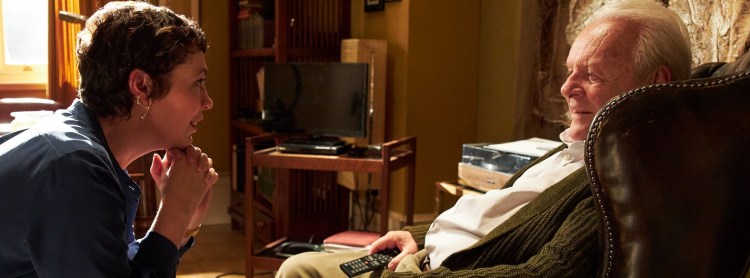
As opposed to films that have gained traction and become frontrunners through consistent awards success The Father was a surprise that after good word of mouth from festivals has continued to snowball into a potential awards hit. Early discussions have turned into reality as Anthony Hopkins could very well be on his way to his second Oscar – there’s a chance that he could beat out Chadwick Boseman in Ma Rainey’s Black Bottom for this year’s Leading Actor award. Alongside this nomination for Hopkins the film also finds nods in most key categories (excluding Director for Florian Zeller), including a Supporting Actress nomination for Olivia Colman (while she’s not overly likely to win, wouldn’t it be great to see her make another speech?), showing multiple memorable strong performances, and even a mention in Production Design. This might seem like a small thing, however, it shows that the technical aspects of the film are being remembered and have an effect. Last year Parasite’s only technical nod (outside of Film Editing) was in this same category. And with the set design being so important to the way that The Father works, putting you into the deteriorating mind of the character, this could be a big push for the film.
In regards to the themes of the film, throughout we see Hopkins character suffer from worsening dementia, they could very well connect with a number of voters on a personal level. The emotion could form a strong connection with them and cause the film to stay in their minds, especially with the realism that’s present in a number of scenes – in the US the release date is also one of the closest to the ceremony (26th February) meaning that it could be fresher in some minds. Perhaps a boost for some after the film’s premiere at Sundance in January 2020 was an initial kickstart to early rumblings and conversation around potential Oscar nominations for the film. For a film that’s been in awards conversation – even if initially very quietly – this long there could be a fair deal of steam behind the film, it certainly seems to have just kept growing over time and done it a fair deal of good.
Realism may be a prevalent element of the film however, not to spoil anything, there are some creative details within the narrative (adapted from Zeller’s stage play of the same name) that enhance the themes and put you into the mind of the central figure. It’s very much a personal experience. Yet, perhaps it is one of the quieter nominees, it’s about the personal, emotional response which perhaps not everyone will feel. But, more importantly, the simplicity of some scenes may mean that it doesn’t quite stand out amongst the crowd. It is perhaps one of the safer contenders, the type of character based drama that, if with a more direct route and one or two less creative details, would fit right in with the Best Picture winners of the 80’s such as Ordinary People, Kramer Vs. Kramer and Rain Man. This feeling could give it a boost with older voters, however considering the stance on The Trial Of The Chicago 7 it’s likely that this would be more favoured for its various aspects above The Father – still, in this scenario it could still gain placements towards the upper end of the ballots.
The Father is certainly a film that lodges itself in your mind. Its themes, details and ideas linger there, especially Anthony Hopkins’ performance. And all of these combined could be enough to leave a strong, positive memory of the film in voters minds. If it lasts longer, or, more importantly, the memory remains stronger, than the other eight nominees, especially if the viewing was more recent, then there’s a potentially strong chance that even if it’s not placed at the top spot The Father has enough top three placements on ballots that it manages to inch itself towards a Best Picture win.
Speaking of films that started out at festivals, if there’s one nominee this year that completely came out of nowhere it’s Sound Of Metal. After getting good reviews and word of mouth on the circuit it’s found itself to be an awards season smash that has simply skyrocketed into endless praise, rarely has a bad word been said about this film. While it seems multiple sources claim this to be an outsider that only just gained a nomination (there’s a chance the latter could be true), the fact that it got into the eight contenders is certainly a feat, and it means it has a chance of winning. And, because of the preferential ballot there’s a strong chance that consistent high placements could lead it to a surprise win. In fact, I personally would claim it to be one of the films with the best chances of winning the final prize of the night.
Perhaps the film did just slip in to the category, this would certainly confirm the comments that it’s an unconventional nominee. However, this appears to be a year of ‘unconventional’ nominees. It simply displays the changing landscape of both Academy votership and the awards as a whole. We are continuing to enter a new generation of bolder recognitions, more ‘artistic’ pieces that are also managing to gain wins. Often the winner of Best Picture – and even the last few years have proved this – is the film most people agree on, as stated by film critic Mark Kermode predicted Lady Bird to win in 2018, eventually The Shape Of Water would win, however, Kermode’s point still stands, it’s hard to argue against. And Sound Of Metal has had plenty of almost unanimous praise, love and excellent word of mouth. It isn’t the one that perhaps the most people love, but the one they certainly agree on. In an age where films are winning just because they’re deserving, just because they’re good – once again, Parasite’s win last year for example – Sound Of Metal could continue that trend.
While it lacks a Best Director nomination for Darius Marder (although this is his narrative debut, however Emerald Fennell is nominated for her debut Promising Young Woman) there are nominations in all other key categories, even what some saw as an initially surprise nomination for Riz Ahmed in Leading Actor (marking the both the achievements of being the first Muslim and person of Pakistani-origin to be nominated in the category). Despite this the focus for this film is, perhaps unusually, in the technical categories. Marder’s debut is a frontrunner in the Film Editing and Sound categories. Sound is, of course, an essential element to the film and the fact that it’s been so effective as to be a lead contender in that category potentially speaks highly of the film and the effect that it’s had on the viewer.
In terms of Film Editing the Academy tend to go for flashier editing; think the race sequences in Ford V Ferrari (still the better title over Le Mans ’66), the Live Aid and other concert sequences in Bohemian Rhapsody and all of Mad Max: Fury Road. In this case the montages of The Trial Of The Chicago 7 are the main challenge to Sound Of Metal. However, the fact that the latter is rumoured to be a frontrunner, likely simply because of the way it allows the story to flow and the effect that it has on putting the viewer in the shoes of the central character – Ahmed himself isn’t a leading contender in the Leading Actor race. Emphasis on such technical aspects within the film, that are so integral to the way that it works and the effect it has on the viewer, could reflect in the general response of voters to the final product as a whole.
Sound Of Metal hasn’t received the credit that it deserves as a major contender in this year’s Best Picture race. It has a strong chance of potentially winning. There are so many elements that work for it and have clearly made a lasting impact that has led to its growing praise and love as a word of mouth hit, from festival to awards circuit. Such factors could be enough for the film to be viewed with enough favour and consideration that its placed consistently high on ballots, winning the big award at the end of the night simply because enough people really liked it.
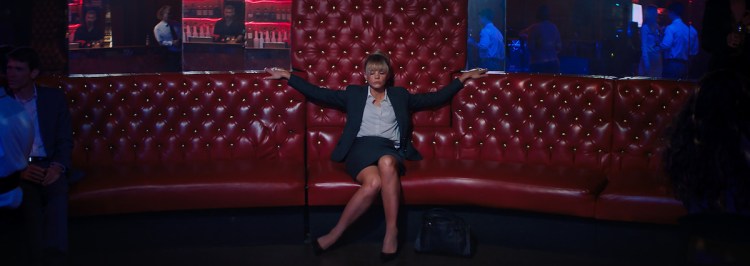
If Sound Of Metal and The Father have grown in praise since festival debuts the nominee with the most consistent word of mouth is undeniably Promising Young Woman. After facing multiple delays throughout 2020, and hit festival screenings at the start of that year this has been a much discussed debut feature from Emerald Fennell for well over a year now. It was said at that point to be a potential awards contender, but not much else was discussed. After having been placed in a prime awards season spot in the States (mid-late-December) the film’s chances at Oscar wins have vastly increased. Not only has it secured nods in all major categories – although nothing outside of them – it’s a frontrunner in one or two of them as well.
Despite one or two mild controversies, especially around the divisive nature of the plot and its treatment of sexual assault the film has still managed to not just pick up nominations but also a number of wins at various awards ceremonies this season. Even more impressive as this is a debut in terms of both feature writing and directing, perhaps even more reason for voters to place this towards the top of their ballots. The divisive nature of the film could damage its chances, such reasons are often cited for films either being placed low on the ballot, or in some cases not at all, however there’s also the argument that the social aspect could give it better chances. After events of the past few years, particularly within the Academy and its push for better representation and inclusion, alongside the changing face of Hollywood thanks to movements such as Time’s Up and Me Too, there could be a large backing behind Promising Young Woman that opposes against the, understandable, backlash.
Believed to be a frontrunner, and by some the potential winner, in the Original Screenplay and Leading Actress (Carey Mulligan) categories there are strong reasons to believe that some potential wins, particularly Original Screenplay, could pair up with Best Picture. Although the, already mentioned, lack of technical nods showing a potential lack of memorable extra details within the film could mean that there’s more in the favour of the other nominees than there is in Promising Young Woman, despite ticking all the key boxes. The film has done well in terms of winning screenplay awards – it won Original Screenplay at the Writers Guild Awards – but not much else. But, once again, the Academy is a much larger group, and Best Picture is voted for in a much different way.
It’s a strong piece of work that tackles a number of modern issues in a genre light – genre, the thing the Academy once turned it’s back against is now becoming something easily identifiable within more recent winners. Parasite and The Shape Of Water both blended multiple genres together, Promising Young Woman combines revenge thriller with dark satire and even finds room for hints of rom-com and it’s Film Editing nod appears to say that it doesn’t feel inconsistent and the changes in tone don’t feel too dramatic or get in the way.
After having stayed in the awards conversation for so long, and proving to still have legs, Promising Young Woman has shown itself to be one of the strongest contenders of this awards season. It’s been talked about and discussed for such a long time with very little, if no, conversation about it being tired or no longer out of contention that there’s a very serious chance that such large amounts of positive awards press could be beneficial for its Best Picture chances. There are a handful of different elements and pushes that all combine to create a stronger force behind the film, adding on to the fact that, aside from a vocal group showing the film’s divisive nature, it’s been generally well-received. There are plenty of sources that claim this nominee to be a major potential winner, and it’s understandable why. There are plenty of elements pushing behind it that appear to heighten its chances, meaning that it could very well be Promising Young Woman that, maybe surprisingly depending on who you ask, is crowned by the Academy as the best film of 2020 (and the first two months of 2021) – by US release date.
Meanwhile, moving on to different fields (literally), perhaps the most universal nominee this year is the one that the Golden Globes ruled wasn’t eligible for its biggest prize due to largely being in Korean. Minari may very well be mostly spoken in a foreign language yet it feels like a very traditional American story – perhaps connecting strongly with both American (which most Academy members are) and older voters. And, even while having themes of the American Dream at heart Minari is a universal tale about family. There’s something there to connect with everyone, and therefore may potentially cover the largest base of voters. The argument of the film being largely subtitled can’t really be made now after Parasite’s monumental win, and Minari itself is still an American film – it just happens to be mostly spoken in Korean. To add to this point, as Bong Joon-ho himself said at the Golden Globes in 2020, which the world appeared to agree with, “Once you get past the one inch tall barrier of subtitles you will be introduced to so many more amazing worlds”.
Joon-ho notably won Best Director last year, beating out expected winner Sam Mendes for 1917. While Minari might not have a Film Editing nod it certainly ticks all other boxes, including a Best Director nod for Lee Isaac Chung. However, where the true strength for the film could potentially lie is in its acting nominations. It’s rare that a foreign language performance gets nominated at the Oscars, and lesser seen is a win for such performances. Minari finds itself nominated for both Best Leading Actor (Steven Yeun – the first Asian-American nominee in this category) and Best Supporting Actress (Yuh-Jung Youn) – and Youn is currently the favourite to win in what was once considered to be one of the closest categories this year. The fact that performances have stood out this much in the film is likely to be a big boost for it – not just because it shows favour from the largest Academy branch – but because it shows there’s been a strong connection with the characters and the family nature that’s so integral to the heart of the piece.
The last year is likely to have impacted all of the nominees and the ways in which audiences, let alone voters, are likely to view them. In the case of Minari the family that the piece centres around could well reflect how many have got on with their own families during the pandemic – or perhaps reminded them of that close familial bond and had a bigger emotional hit from being apart from them.
Alongside this, going back to another point that could be said for almost every nominee this year – just proving how close a race it actually is in the Best Picture category this year – there could be consistently high placements on ballots for the film. It’s clearly had an impact on people and seems to be well-regarded amongst people. Much like Sound Of Metal, it could well find itself placed in the top three of ballots just because of the generally positive reception that it’s had.
Since the growing awards attention more people have been brought to the film, there’s a chance that some voters may have only recently been introduced to it and therefore it’s fresher in their minds. Minari does have the chances of being a quiet competitor – but could the quiet nature of it also be damaging, especially if other nominees are louder, and in this case perhaps more powerful? Although, the quietness could be down to the lack of controversy, the universality, the fact that almost everyone seems to have got on with the film and there’s not been an overly vocal backlash or bout of negativity surrounding the piece could mean that it’s positive quietness. A surprise win, maybe? But, a potentially likely one for a film that’s had nothing but encouraging conversation around it. It covers a lot of the votership and therefore could be the film to pick up the top gong of the night on Sunday.
Minari may be a universal story, but if there’s one film this year that gets to the heart of Hollywood it’s Mank. As mentioned in multiple years the film industry loves a story about itself. By following Herman J. Mankiewicz as he deals with alcoholism while struggling to write his vision of Citizen Kane (which lost out on Best Picture in 1942 to How Green Was My Valley) the film seems like pure Oscar bait. Even down to the nominated direction of David Fincher, perhaps he’s due an Oscar? While he’s nominated for Best Director that category seems to be locked in for Chloé Zhao for Nomadland. Perhaps voters will lean towards his film then if he isn’t going to be winning Best Director?
It’s certainly a possibility, especially as there’s clearly a lot of love for Mank across the Academy votership. The film has the most nominations this year, ten in total – four more than the second place films in terms of total nominations. Often this many nominations, especially with a lead like this, is a good sign of Best Picture chances due to the favour of multiple Academy branches – and the recognised technical detail of the film, in addition to ticking the key boxes of the major categories. Even Gary Oldman, who was a point of deliberation as to whether he would get a nod for his lead performance of not, managed to secure a nomination for his role as someone 20 years younger than him – which has been a bone of contention for a number of people, including within the Academy (thanks anonymous voter articles!) This is an element that has lead to an impact on the film overall – alongside the time-jumping aspect of the film, made up of various flashbacks, which some have apparently found confusing on initial viewing.
Despite the love that Mank appears to have on the surface it’s possibly the nominee with the most middling/ average responses. While it was tipped for Oscar success back in December during it’s initial Netflix release – screening on the platform possibly meaning that there’s more chance voters might have seen the film – the film seemed to lose steam within a matter of weeks. Other films took over in terms of potential nominees and in the race as a whole and Mank seems to have been left in the dust behind them, it’s perhaps the nominee that people have talked about the least over the course of this season, at since the nominations.
Yet, the fact that it has received the nominations, and so many of them, indicates staying power and that it has stayed in the minds of a wide range of Academy members. It targets them and is a film that a number of voters may likely connect with easily because of the Hollywood setting. Such films often do well at the Oscars and the push behind the film hints at the fact that it could do well, it could well be underestimated on surface value, or maybe by overestimating the competition. There are plenty of Oscar-bait details within Mank and its production that all shout serious Best Picture contender. Meaning that it could find itself doing very well, including picking up that very award, on Oscar night.
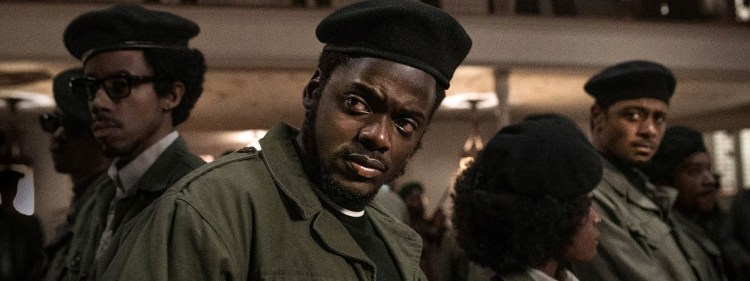
Finally, the film that has possibly been talked about most this Oscar season, especially in the days after the nominations were announced; Judas And The Black Messiah. The film were the two title characters have both been labelled as support. While it was long talked about that Daniel Kaluuya would be nominated in Supporting Actor for his role as Illinois Black Panther leader Fred Hampton, LaKeith Stanfield as infiltrator turned member Bill O’Neal was deemed by many to be less likely to gain a Leading Actor nod (although the pair are equally leads these seemed to be the category placements that made sense). However, both actors managed to get nominated in support, which was something more of a surprise. While this shows favour towards the performances in the film, and perhaps the feature as a whole, there are worries that it could split the vote for the film in this category – although it seems as if Kaluuya will still win fairly comfortable.
Judas And The Black Messiah is a film elevated by its performances that truly push the power that it holds. Shaka King’s film is already great, and the strong performances within it perhaps mean that it stays in the mind even longer – good central performances are said to be what led Green Book to its win, although this film is a fair deal better than Green Book. Take into consideration the more recent release date (12th February in the US – also available on HBO Max as well as in cinemas, meaning there may have been more opportunity for voters to see it). While it has an Original Screenplay nomination it lacks nods for Best Director and Film Editing – which could prove damaging to its chances. The film appears to have lost its name in the crowd since the nominations were announced, the most discussion around it has been Kaluuya’s performance, and the odd placement of both actors in the Supporting category.
Even at other awards ceremonies the film hasn’t picked up many wins. Then again it hasn’t overly been nominated at some of them. Therefore the fact that it’s received Oscar nominations (six in total, across five categories) and has been in the conversation with such limited numbers in most categories (five nominees total, apart from Best Picture which this year has eight – next year will be the first year where the number is a round ten instead of up to ten) does show hope for it. It’s been remembered and talked about, and maybe some voters will feel they owe it something after the acting category confusion – although unlikely.
What may lead voters to place it high on their ballots is the way the film relates to modern day events. Particularly relating to events and movements in the past year critics and audiences have referred to this as a timely film – and events in the build-up to Academy voting have only increased this feeling. It could increase the emotional impact and the power that the film already has and therefore leave a stronger impression in the minds of voters. It may not have been in the conversation as much as other nominees but its power may have increased and personally risen up a number of ballots – if not already highly placed.
There are plenty of natural, within film elements that give Judas And The Black Messiah a strong reason to be a potential Best Picture winner. It’s strong performances and already great nature give it a good chance of winning. The fact that it seems timely or may have a bigger impact because of events in the last year are just reasons that may give it a larger push that could just be big enough to lead it to the Best Picture prize that it’s been nominated for.
But now, onto the main point of this incoherent, poorly written ramble. Predicting the film that the 9,000+ members of the Academy Of Motion Picture Arts And Sciences will award the 2021 Best Picture Oscar to.
As already discussed it’s a much closer race than it might initially seem this year, there are plenty of films that may benefit from the preferential ballot system of voting. Therefore it seems that now is a good time to go over the annual recap of preferential voting. The preferential ballot means that voters rank the nominated films as they view them from best to least-best (or in some cases worse). If a film receives the least first place votes then it is eliminated and the voters who voted for it have their second place film become their first. This goes on, descending down the ballots, until a film gains at least 51% of first place votes. Therefore it’s often more important that a film receives more consistent second and third place positions than first, so that it’s more likely to get to that important 51% mark. For the sake of this I’m going to presume that all voters have watched all eight films and fill in the ballot completely – not leaving out one or two films in protest or because they haven’t watched them, or simply just writing down the name of the film they liked best and nothing else.
When it comes to what films should be eliminated from contention first, and which ones are actually strong competition, it’s difficult to choose. If we were looking at what I seem to have labelled as a ‘Green Book year’ then The Trial Of The Chicago 7 would likely win. If this were a more conventional year and the Academy didn’t seem to be on a changing face then I would easily claim The Trial Of The Chicago 7 to be this year’s Best Picture winner. But, while I could have seen that being a frontrunner a couple of weeks ago, and would have gladly said this, that just doesn’t seem to be the case now when looking at all the other nominees present in this category. The Father would also appear to have better chances. However, when you look at the style and themes of all the other nominees, how much more diverse and different they are to what once were standard Best Picture nominees it doesn’t look like we’re looking at such a year. The Best Picture landscape is changing, and so are nominees across all categories. Green Book seems to have been an anomaly and that means that these two safer, more conventional films can be taken out of contention.
The same could also be said for Mank, while it’s an Oscar-baity film and ticks the Hollywood/ film industry box the it’s steam simply died down far too quickly it seems. It also feels like a slightly more traditional piece and therefore, alongside The Father and The Trial Of The Chicago 7, a less likely winner in this new Academy age. Mix in the fact that it possibly has the most middling views, aside from the love that has led to its nominations, and its possibly going to find itself towards the lower half of a number of ballots (even if around fourth or fifth place), resulting in an unlikely win.
Much like Mank, Judas And The Black Messiah appears to have lost its name in the conversation. While it could benefit from the voting period, and being strong in the minds of voters, it just doesn’t seem to have had the same amount of conversation (aside from early questions about the acting categories) as the other nominees. This could mean that it slips in with a win. Various anonymous Oscar voter articles seem to suggest that it’s been sitting around the top three of some voter’s ballots, however this is only a group of around 15-20 voters out of a 9,000+ group. But, with the talk around other contenders and the wins and nominations that they’ve been receiving at other ceremonies – admittedly with less votership – a win seems unlikely, therefore leading it to drop out of the running.
Now comes the final four, where the mix begins to get closer and thus more difficult. I think if there are three films that are most going to benefit from the preferential ballot because of the praise and love that they have had over the course of this season they are; Minari, Nomadland and Sound Of Metal. Promising Young Woman is a strong contender, and will possibly pick up at least one win on the night – it’s rightfully a frontrunner in a couple of categories – however, the divisive nature may slightly affect the chances that it has of winning Best Picture. However, more so is the fact that on ballots it may appear around the midway point or consistently in one particular spot, but that means that it could get stuck around here and find that its too late to build up to the number one spot – depending on what’s in front of it – to cross the 51% threshold.
Therefore the competition is between, as already mentioned, Minari, Nomadland and Sound Of Metal. It might not be everyone’s instant final three – in fact it’s likely going to be disagreed upon by most – yet, I still stick to the belief that the voting system will help them along. Sound Of Metal will perhaps drop out at this point. It certainly hasn’t ever been the favourite to win and likely doesn’t have the favour or push behind it that the other two films certainly do. It’s a strong competitor and will likely pick up a technical win or two, but that’s about it. The suggestion that it may have just slipped in with its nomination is perhaps right, and while it still has chances (as I believe fairly good ones) of winning, it does seem overall unlikely when compared to the rest of the competition.
Thus the race is brought down to two tales of universality. Thank you very much for sticking around throughout this lengthy piece, if you’ve read all of it; or even just skimming through it, perhaps you’ve just scrolled to the end. Either way thank you very much and I’m sorry for how long it’s been. However, now we finally do arrive at the main point at hand.
Nomadland appears to be the favourite to win for most sources and prediction hubs, while Minari a slight outside for most. Yet, it’s appeal shouldn’t be underestimated and could give it a strong push. It’s likely to have consistent placements in the top 3 of ballots and that could have a big impact on it and quietly lead it to a win.
Looking at other categories and what’s likely to win, unlike previous years, you can’t overly use them to try and predict Best Picture. Winners seem to be quite mixed across the board this year, reflecting the continually mentioned changing landscape of the Oscars. Nomadland seems to be certain for a Best Director win, and is still believed to be a leader in the Adapted Screenplay, and for some Leading Actress, race. These are key races that could also be of key merit to the film’s Best Picture chances.
If Nomadland wins Best Adapted Screenplay then it would seem more likely to win Best Picture this year – it appears the main competition in this category is The Father. However, it already seems like the lead in Best Picture, perhaps Adapted Screenplay is just the confirmation that I’d be looking out for?
With this in mind, and thinking about which nominee is most likely to be consistently placed in the top three of voter’s preferential ballots, there’s one film that I feel is likely to cross the 51% mark with more ease than the other. Therefore, this year I’m going to predict that the Best Picture Oscar winner will be Nomadland.
With the Oscar ballot deadline having gone by and the ceremony a matter of days away many people and sources – including myself – are setting in their final predictions. And so, until then here’s my personal favourites in each of this year’s categories, along with why I’d vote for them – in the almost impossible event that I were a member of the Academy (it’s probably a good thing that I’m not).
Starting with the technical categories, building up towards the major competition of Best Picture, I’ll be excluding the short film categories simply due to the fact that I haven’t seen either enough or any of the nominees.
Best Cinematography – Nomadland Place is an integral part of Nomadland. It’s a character in itself that becomes a part of the human characters we see throughout the piece. Therefore, it’s essential that we believe this. Luckily, the atmosphere of Nomadland, and the occasional documentary style, is established with ease thanks to the excellent look of the piece. With it’s dark pastel-like hues in the various landscapes that the film transports the viewer to, Joshua James Jacobs creates a visually stunning view that’s easy to escape to, much better than many a travel show. Out of all the nominees in this category Nomadland is certainly the most visually stunning film to watch. It looks fantastic.
Best Costume Design – Pinocchio A close one, for me, between Pinocchio and Ma Rainey’s Black Bottom. And while Ann Roth provides the Ma Rainey cast with some cracking suits Massimo Cantini Parrini really helps to emphasises the darkness of Matteo Garrone’s take on Pinocchio. The film is certainly not as light as the Disnified takes on the tale that audience have become used to, and leans into the darker fantasy elements of the tale. The costumes in the film capture the strange, dishevelled, fantastical animal-like (sometimes literally) world in which the characters live in and provide something truly unique and original, especially amongst the mostly period drama fare of this year’s Costume Design nominees.
Best Makeup and Hairstyling – Pinocchio Much for the same reason as the Costume Design ‘vote’, the intense detail of the hair and make-up within Pinocchio truly helps to emphasise the tone and themes of the piece. These strange characters and beings are totally believable and you don’t question them in the world for a second. The transformations that the cast go through – particularly ten year old (likely eight at the time of filming) Frederico Ielapi into the titular authentically wooden boy – all feel genuine. On watching the film it’s one of the first things that instantly hits you as you see each new figure emerge onto the screen, the intense detail in the look of each individual character. In fact, the hair and makeup in Pinocchio was perhaps the best of last year. It’s unlikely to win at the Oscars but, if I were voting, it would certainly have my vote.
Best Production Design – The Father Initially my choice would have been for the design of classic Hollywood studio surroundings in Mank. However, after having had the film sit in my mind for a while my decision has been swayed to The Father. Perhaps not the most obvious choice in this category, however, much of the film works around the idea of the constantly changing details in the set. It helps to put you in the mind of the central character as his surroundings become unrecognisable to him and subtle changes grow bigger and bigger. Such changes have a great effect on the impact of the film, and, perhaps more importantly, it’s plot.
Best Sound – Sound Of Metal From the early everyday sounds such as dripping coffee, creaking floors and the opening and shutting of doors to the muffled, distorted and chaotic sounds that Riz Ahmed’s character just about hears as he rapidly loses his hearing there’s no denying the importance of sound in Sound Of Metal. Add to that the musical sequences of the heavy metal band that causes his hearing loss and there’s certainly plenty of different essential noises covered in the piece. All putting you into the mind – ears, rather – of the central figure and further into the cleverly designed and immersive sound of the world of the film.
Best Visual Effects – Tenet Tenet may have been a complete mind-melt and may not made a lick of sense – it’s certainly no surprise that it hasn’t appeared in the Best Sound Category, although perhaps a slight one that it wasn’t featured in Score – but, there’s no denying that the action certainly benefitted from the visual effects that were at work. Helping to capture the chaos of battlefields and seemingly reverse fights it stands out from the other nominees in this often blockbuster filled category this year. What’s admirable about Tenet is just how much of it was done in camera, as practical effects, with as little CGI as possible – as Christopher Nolan likes to work. Those details perhaps make Tenet stick out that little bit more from the other nominees in this category this year. It’s amazing how some of the effects and stunts (which the Academy still need to properly recognise) were pulled off on set and in camera. It leaves you thinking “how did they do that?”, alongside the universal “what is going on?”
Best Original Song – Husavik from Eurovision Song Contest: The Story Of Fire Saga Husavik stands out in this category as the song that I’d be most likely to return to to actually listen to because I like it. It’s the one that I can properly remember and lightly goes around my head for a little bit after hearing it. I can’t properly provide any other reason as to why I’d vote for it, just that I like it and, in my opinion, it’s the best of the lot.
Best Original Score – Soul For me this was a close one between Soul and Da 5 Bloods. While the score for Da 5 Bloods is fantastic, Soul’s just had that edge for me. From the otherworldly sounds of Trent Reznor and Atticus Ross’ Great Before music to Jon Batiste’s equally descriptive jazz sections for the New York scenes the score creates new details within each of the worlds that are discovered in Soul. It pushes across the feeling of just how integral music is to the film, and the life of the central character, just how passionately he feels about it. It’s such an immersive and energetic piece of work.
Best Film Editing – The Trial Of The Chicago 7 Normally I’d go against the tendency for the Academy to give this award to the ‘flashier’ editing of the likes of Bohemian Rhapsody and Ford V Ferrari. However, in the case of The Trial Of The Chicago 7 the montages truly do have an impact. This is amongst the pacing of chaotic protests, courtroom dramas and multiple other elements. While I was close to saying Promising Young Woman – especially with the way a number of the confrontational scenes are so effectively edited you don’t tend to notice them – the flashier style of some of The Trial Of The Chicago 7’s montages and sequences are perhaps what stick out most from that film.
Best Documentary Feature – Time One of the categories where, admittedly I haven’t seen all of the nominees (I really want and need to check out The Mole Agent!), however Time acts as an emotional, and deeply personal, insight into its subject matter. Perhaps hitting harder because of events in the past year it’s a fine piece of work and you certainly feel involved in the fight that the family unit at the heart of the film is raging on with. It stirs up feelings of upset and anger, more effective because of the impassioned and raw home movie style that the film takes.
Best International Feature – Another Round While on the surface Another Round might look like a heavily-boozy comedy – there are certainly a number of laughs to be found here – underneath it, and very much on show on the surface, it’s a film layered with much deeper themes and ideas. The humour goes in hand with drama which brings along with it emotion which is dashed throughout this fine balance. There’s plenty of heart throughout the film and it’s screenplay, alongside a carefully constructed balance of themes. Add in some great performances (particularly Mads Mikkelson in the central role – there’s a chance that the screenplay and Mikkelson could have been close to nominations) that truly bring to life the tone of the film and there’s plenty to really like and enjoy about Another Round.
Best Animated Feature – A Shaun The Sheep Movie: Farmageddon Yes, Soul is great. Yes, Wolfwalkers is fantastic. Yes, the Shaun The Sheep theme remix at the very start of the credits after a brilliant film is atrocious. But, I just love Farmageddon. A genuine laugh-out-loud every single minute film with plenty of sci-fi references that never feel as if they’re shouting at you for attention, simply acting as homages to classic films and TV shows that are part of a genre the creators clearly love. The animation is, as expected from Aardman, wonderfully high quality, and even packs in plenty of jokes in the background. It’s not trying to be anything bold, overly layered or extravagant, simply a very funny film – which it absolutely succeeds in being. Farmageddon is simply a pure joy to watch filled with chuckles, giggles and pure belly-laughs that should work for anyone, no matter what age – it certainly worked for me.
Best Original Screenplay – The Trial Of The Chicago 7 I love Emerald Fennell’s perfectly written monologue towards the end of Promising Young Woman. It’s a sensational piece of writing that not just captures the themes of the film but the real life experiences and feelings of so many, capturing anger and emotion that runs throughout the film with expert precision. The screenplay for the film as a whole is pretty great. But, The Trial Of The Chicago 7 is an Aaron Sorkin courtroom drama that’s as good as you would hope it to be. Smart, witty and filled with plenty of fast-talking exchanges and detail in short spaces of time. And yet, in this film there’s also plenty of time to dwell and pause on certain lines of dialogue – not as much of the ‘walk and talk’ style that Sorkin has become known for writing so well. It’s a great script that truly captures the spirit of the courtroom drama that it’s aiming for. Admittedly, there are a handful of characters who really don’t get much to do and you forget they’re there, but those who we do get a focus on, or at least see more of within the ensemble, are well-written with enough detail to have distinguishable enough personalities and traits. But, the thing that stands out most is certainly the exchanges in the courtroom, alongside the dialogue that makes up the montages.
Best Adapted Screenplay – The Father Nothing else overly strikes me in this category. I like the other film’s mentioned but in terms of screenplays The Father certainly stands out from the other nominees (although Nomadland does have plenty of thoughtful dialogue). However, the subtlety of The Father emerges in the screenplay. There’s so much precise dialogue and detail within the language that characters use – particularly within the deteriorating state of Anthony Hopkins’ excellently performed central figure. The changes and developments are perfectly captured in speech that feels natural and understands the struggles and worries of each of the characters. It’s a wonderfully refined screenplay that really hits home and adds to the emotional gut-punch by the end of the film.
Best Supporting Actor – Daniel Kaluuya in Judas And The Black Messiah It was evident from Get Out, and his developing career since, that Daniel Kaluuya would one day win an Oscar, and he may very well, deservingly, win it for his role as revolutionary Illinois Black Panther leader Fred Hampton. Kaluuya is spectacular in this role, convincingly delivering a number passionate speeches and crys for unity. It’s a loud performance that you can’t help but be captivated by and entranced in the words that he declares in a rallying call, even on re-watches the response is almost magnetic, as if you’re hearing the words for the first time. He’s a powerful presence and commands the screen whenever he appears. Such feelings and impacts even manage to make their way into some of the character’s quieter scenes and moments. It’s simply another brilliant performance Kaluuya, and one very much worthy of awards.
Best Supporting Actress – Yuh-Jung Youn in Minari Yuh-Jung Youn doesn’t just give the best performance in this category, or in all the acting categories this year, but perhapos the best performance of the entire year. She captures the heart, spirit, joy and emotion that’s packed into Minari perfectly. Her performance as the grandmother of the family is wonderfully natural and fits in with the family dynamic of the rest of the cast in much the same way. Youn pinpoints perfection with her performance and truly encapsulates the swirling feelings that the film comes up with. Her performance is one that’s strong not from force or seeming ‘oscar-baity’ or anything like that, she’s simply a natural delight to watch in the role and delivers an amazing performance. There’s not much else that I can say.
Best Leading Actor – Riz Ahmed in Sound Of Metal Chadwick Boseman delivers a top performance in Ma Rainey’s Black Bottom and Anthony Hopkins is worthy of awards for the utterly devastating portrayal he provides in The Father. However, Riz Ahmed totally transforms into his character in Sound Of Metal. After having delivered a brilliant performance as someone coping with their body deteriorating and potentially removing their career from under them in Mogul Mowgli he topped this with the fear that’s deep in Ruben’s (his character) eyes, coping with a sudden rapid loss of hearing. Ruben looks like Ahmed, however somehow he appears physically different and you forget that he even looks like Ahmed, or that there’s an actor behind the character. The performance feels so genuine and authentic that you completely buy into it and thanks to it almost forget that all of this is a fiction, that what you’re watching is a narrative feature film. You know exactly what the character is thinking, worrying and stressing about, throughout the film in each scene and are taken along his journey with him. Feeling uplift and upset based on his actions and responses to the film’s events. It’s a superb performance and truly the standout in a category of very different performances.
Best Leading Actress – Andra Day in The United States Vs. Billie Holiday It’s hard to believe watching The United States Vs. Billie Holiday that Andra Day has had relatively little on-screen acting experience in the past. She takes the role of Billie Holiday head on and gives a bitingly strong performance. The film as a whole may not be somewhat middling overall, however Day’s performance makes the viewing entirely worth it. She captures Holiday’s distinct jazz and blues styling in the various musical and performance sequences, puts emotion, care and restraint into the more personal elements of Holiday’s life and is even great in the more stylistic, seemingly choreographed moments of the piece. Her performance lifts many of the film’s scenes and is consistently strong throughout. In a strong, unpredictable, Best Leading Actress race, Day is the potential outsider who deserves the attention for her nomination.
Best Director – Chloé Zhao for Nomadland Nomadland is a beautifully directed film. Not just because of the way that it looks but because of the caring way in which it appears to have been formed. A thoughtful depiction of an underthought of group in America, almost documentary like in fashion and tone. There’s a great amount of small details that strengthen the various personal stories we hear throughout the film that impact those of the central character. Zhao’s fine touch and ability to make place as much of a character as the human figures in the piece – as seen in her excellent 2018 feature The Rider – is very much present here and has a big impact on the events that occur throughout the film, there’s not a huge deal of plot and yet the film feels so full of easy-to-digest detail. She does a fantastic job in crafting the world, visualising it and getting across a subtle, thoughtful, personal and engaging film.
Best Picture As Best Picture is voted for via preferential ballot I’m going to list here what my ballot would look like, with one being the best and eight being the least best – just because something is lower down the list certainly doesn’t mean that I don’t like it. If you asked me tomorrow, or even in a couple of hours, this list might look quite different. But, as of this moment in time this is what it would look like (and no, I’m not overly confident on it being right – I’m sure with re-watches, and in closer proximity to each other, this list would likely change).
1. Promising Young Woman 2. Sound Of Metal 3. Nomadland 4. The Trial Of The Chicago 7 5. The Father 6. Minari 7. Judas And The Black Messiah 8. Mank
To focus on my top choice, as that would be what I’d vote if I was only allowed one choice. This was a tough choice between Promising Young Woman and Sound Of Metal, but Promising Young Woman just edged itself over the mark for that first place position. It’s a fine blend of revenge thriller, (very) dark satire and rom-com. Each one seamlessly fitted in and still managing to revolve around the core themes and the plot – a number of serious elements are never just there for simple narrative reasons and actually have impacts on character’s. Even on the small screen the story still feels highly cinematic, as if it should be experienced on the big screen. There’s fiery passion from those at the heart of the film and that comes through in the performances and the narrative as a whole. With each of the genres moulding around the themes of the film almost perfectly and never clashing it flows really well and engages you in the sometimes tense and suspenseful story that unfolds. It’s a truly great piece of work, especially as a debut feature.
Some of these films may very well appear in my top ten of the year, come the end of the year, and in a different order. Again, this is only how I view them at the moment, and could even change tomorrow depending on how I feel. But, I’m fairly certain that, while the rest of the list would likely be a completely changed, unconfident jumble, the top spot would still be a toss-up between Promising Young Woman and Sound Of Metal.
Release Date – 30th April 2021, Cert – 12, Run-time – 1 hour 47 minutes, Director – Chloé Zhao
After her husband passes away and work appears to instantly vanish from around her, Fern (Frances McDormand) turns to living life roaming around America in her new home, her van.
As with her previous feature, 2018’s excellent The Rider, writer-director Chloé Zhao demonstrates within awards favourite Nomadland an ability to make place feel like a calming presence, a character itself, while becoming a part of character identity. For Fern (Frances McDormand) this isn’t one specific place. We follow her as she travels across America in her van as she joins the nomad community following the death of her husband. With work having dried up due to the gypsum plant in Empire, Nevada closing down in 2008 and having a knock-on effect that led to the postcode of the town being removed in a matter of months, she takes seasonal and part-time jobs wherever she can find them. Meanwhile, in the evening’s, she grows bonds with those around her, some of whom have been on the road for many years, exploring the seemingly infinite world of deserts, parks and plains that surround her.
While a small and quiet film, Nomadland is undeniably made for the big screen. Cinematographer Joshua James Richards captures an entrancing world of sweeping landscapes made up of dark pastel-like colours, giving you a front-seat view to the seemingly picture-perfect views of the likes of Arizona, South Dakota and even the cold winter of Nevada. And yet, all of the visuals simply enhance the lives and stories of the cast on show – a number of whom are non-acting nomads themselves, telling their genuine stories. It’s a personal piece and that comes across in the time that the film gives to tell a tale, time can be paused just to give someone the space to breathe and recount how they found themselves where they are, or to give advice to Fern. You’re equally captivated by such conversations and form a bond with each figure as they expand the world that Fern has entered and begins to find a piece of herself within.
Themes of loss, isolation and community which would already have an atmospheric care to them are perhaps heightened by the events of the past year. Zhao’s gentle touch helps to make the film even more accessible, she wants you to connect with McDormand’s finely performed character – one of subtlety and restrained emotion. By focusing on her and how she develops in her surroundings, both in terms of scenery and people, rather than a major plot there’s a more personal note to the piece as a whole – much as was the case with The Rider. During certain scenes the film almost begins to feel like a documentary – apparently a style that was aimed for during production – simply observing the goings on of a little-seen group in America.
While plot does slightly rear it’s head into the later stages of the film, to begin to round up Fern’s development and journey, or perhaps simply escape; whether from or into something is for the viewer to decide, it’s nothing to distract or take away from what the film has established up until this point. If anything this is just one scene that continues to work within the film and progress Fern as an emotionally engaging, and at times privately conflicted, character. It’s not just her who acts as the core of the film. It’s the community she finds herself opening up to, become further a part of because of this, and the environments they travel throughout. It’s a true escape not quite into another world – although the scenery might seem like it sometimes – but into another perspective, one that grows and changes and develops as we here more from those around her. Zhao’s effective direction emphasises so much while still managing to create a calm and thoughtful piece of explorative work into character and identity within community.
Chloé Zhao seamlessly roots character into wonderfully shot place with the most subtle of details, paired with Frances McDormand’s excellent lead performance and the stories of those around them Nomadland is a personal character tale of multiple calmly dealt with journeys and discoveries.