Release Date – 20th March 2026, Cert – 12, Run-time – 1 hour 31 minutes, Director – Jeff Tseng
After losing himself in personal and financial struggles Mark Sowerby takes on the Oceans Seven challenge, swimming across seven open water channels, to find himself again.
Film can show off the scale of a mountain’s height easily enough, as seen in something like Free Solo. What it can perhaps struggle to do as well is show the vastness of a sea or ocean in terms of both length and depth. We can still see the physical toll that swimming across a channel for hours on end can take on someone as in trying to find themselves they seem to slightly lose themselves from exhaustion. In this case that someone is Mark Sowerby, a former investment firm owner who stepped down in order to spend more time with his family. After the company collapsed due to short-selling Sowerby put himself into his passion for swimming and eventually decided to take on the Oceans Seven challenge; swimming seven vastly different open water channels.
It’s something very few people (less than 40 at time of writing) people have accomplished, and there are plenty of dangers beyond exhaustion on the line. Yet, what drives Mark, and many others around the world, is both the challenge and achieving a goal, and often something more personal. There’s often the case with a film like this to feel repetitive, both in the swimming and the stories we hear. But, alongside the different obstacles to tackle (from freezing temperatures to jellyfish and cookiecutter sharks) we hear enough that’s different from each figure we see aside from Mark about why they’re taking on the challenge, and what it means to them, to see through the 90-minute run-time.
While Sowerby is the focus of the documentary, I would have personally liked to hear a little more from these other faces. There’s a good few minutes around halfway through where we hear a select number of stories about personal weights and negative memories that open water swimming helps these figures to put aside and deal with. They’re largely glimpses, but still bring more to the personal journeys that form around the challenge, including for Mark’s trainer Tim Denyer who also highlights some of the preparation that goes into each swim.
Yet, through these points there’s a successfully rooted story beyond just the base challenge, which still takes up much of the run-time while maintaining engagement. Mark and wife Heidi have a phrase which crops up a number of times towards the closing stages, ‘it only takes one day to change your life’. It’s something which the film lightly touches upon as its tries to summarise its closing points, but feels as if it could have been more prominent in the idea of finding yourself again amongst the mental and physical challenge of marathon swimming.
A drive for recovery is a shared theme amongst those who take on the challenge, and some of the most engaging points are those where this is talked about, including recovery from swims. Amongst the personal Don’t Be Prey manages to look into the technical aspects of the Oceans Seven challenge, with interviews with creator Steven Munatones, the time and prep that goes into it. There’s an intrigue in the physical nature of the challenge, just how much is gone through over multiple hours and the reminders of the danger at hand. Joined with the personal backings that manage to avoid repetition, there’s a solidly engaging documentary here.
While it could do with a bit more from others taking on the challenge, there’s an engaging nature to Sowerby’s physical and mental journey throughout Don’t Be Prey which largely avoids repetition as it continues to get across the different extremes of the challenge.
A very brief conversation with BBC Radio Somerset’s Breakfast show presenter Charlie Taylor about the 98th Academy Awards ceremony, broadcast live on 16th March 2026.
There was a lot that could (and probably should) have been mentioned here, however only a couple of minutes was given for the segment. However, there’s hopefully still something in the below look at this year’s Oscars.
Football agent Jimmy Banks (Danny Dyer) is finalising a deal for if his one client (Elliott Rogers) is found not guilty in a rape trial, whilst trying to secure another star client (Chip). However, a blackmail plot could stop his return to the big time.
One Last Deal should feel simple. Narratively it is. Stylistically it is. It’s 90-minutes of Danny Dyer pacing around a slightly dated office shouting at people on the phone. Yet, somehow it manages to lead itself into a tangle where as it switches focus between the different conversations that Dyer’s football agent Jimmy Banks is having.
Throughout the film we see him switch between two different phones and half the contacts in his phone. For business calls he goes hands free with a Bluetooth headset, for anything personal he just walks around with (or more often away from) his phone and still shouts. Much of what we see revolves around him trying to get back into the big time. His sole client, Matt Gravish (Elliott Rogers) is waiting for the verdict on his rape trial whilst Jimmy tries to secure him a lucrative deal in the insistent case of not guilty. Meanwhile, he’s also talking to rising star Jerome Sweet (rapper Chip), with whom he has turbulent history, about signing up to a major international team if he allows the agent to represent him.
On top of this there are conversations with his estranged daughter, lawyers, managers, accountants and more. Each playing out separately before eventually untidily tangling into each other for an overly bulky, and drawn out, twist. All unfolding on the hottest day of the year, we’re told in the opening that it’s 40 degrees in London and then throughout by the fact that everything is shot with the house lights turned all the way up, unless the moment is serious then darkness (or rather evening) arrives. Aside from this there’s little mention or feeling of heat over the 90-minute run-time.
Dyer gives a solid performance as the only actor on-screen, aside from some brief TV footage of sports news presenters who seem to have been pulled in from off the street and put in-front of a teleprompter as action was called. At times, particularly during an elongated dance interlude, as Jimmy gets a kick out of his ego or giddiness takes over David Brent comes out more than the very sweary character (the film is rated 18 for “very strong language”, purely down to the amount of c-bombs Jimmy drops) that seems to be written specifically for Dyer.
As more comes to light about Jimmy the more unlikable of a character he seems, and no amount of attempts to redeem him can really escape that, especially when they can largely feel quite last minute. It’s what makes the third act, which showcases some of the stronger elements of the film, feels more of a struggle to properly engage with. There’s already been an engagement issue for a while before this due to the divided up stages of conversations, and to some extent the amount of pacing through the room, creating a bland set of events. It’s hard to make a film such as this exciting, no matter how much intrigue and tension the narrative seems to be solely designed to create, and One Last Deal falters in that regard.
90-minutes of Danny Dyer pacing around a room shouting at people on the phone proves to be as engaging as it sounds. While Dyer is good, his character feels increasingly unlikable as his various conversations tangle into an overly bulky ending.
2026’s awards season may have seemed to go on for longer than usual, but it’s rewarded us with one of the most unpredictable sets of races for quite some time. It seems as if trying to predict what will win in multiple categories at this year’s Oscars could be more easily done via coin toss, or rather dice roll.
Yet, here I am once again attempting to try and predict what will win at another Academy Awards ceremony (with my choices likely changing shortly after I post this, and again just before the winner is announced).
Best Cinematography – One Battle After Another The first of multiple categories that may as well go down to a coin toss between Sinners and One Battle After Another. I wouldn’t be surprised if Sinners took the win here, but One Battle After Another has won some notable cinematography awards so far (including at the ASC – American Society of Cinematographers – awards), and also has that hill-based car chase sequence, meaning I think it’ll just clinch it.
Best Costume Design – Frankenstein As I tend to always say this early on in my predictions, often with the technical categories you’re looking for ‘most’ rather than ‘best’; although sometimes they can overlap. Frankenstein has plenty of strong visual detail on display, as you’d expect from a Guillermo del Toro film, and all sorts of period costumes are particularly prominent here.
Best Makeup And Hairstyling – Frankenstein Look at the transformation of Jacob Elordi into The Creature alone. It stands out amongst all the other nominees, two of which may not have been seen as much as the others, and makes Frankenstein seem like the obvious win here.
Best Production Design – Frankenstein Pretty much for the same reason as the Costume Design prediction, there’s just so much scale on display in Frankenstein when it comes to the visual detail of the world that’s been created on-screen. It really doesn’t seem as if any of the other nominees are likely to creep up on it here.
Best Casting – Sinners This is the first time this award has been given out at the Oscars, so it’s not entirely clear what kind of film will be awarded here, or how the voting membership of the Academy is going to judge ‘casting’. While I don’t think it’ll be seen as an ensemble prize, the ensemble that’s in Sinners likely won’t go amiss when it comes to leading it to a win. Also note the praise that’s gone towards so many of the performances in the film, and the size of the cast and it seems as if this could well be the first film to win this particular Oscar.
Best Sound – F1 I’m really in two minds about this one. Largely because I feel like F1 might be ‘too obvious’ and that the idea of going with ‘most sound’ in this case is wrong. Sinners could easily pull off a win here, or maybe even Sirāt, which wouldn’t surprise me; it is after all the film where the sound is most prominent in the narrative. But, of course in F1’s racing sequences the sound of everything that’s happening is crucial, and there’s certainly a lot of noise that I think could just carry it over the line to a win in this category (although this is certainly one that I’m not entirely certain on).
Best Visual Effects – Avatar: Fire And Ash See title of nominee
Best Original Song – Golden from KPop Demon Hunters This is another category where I’m really uncertain, because I Lied To You from Sinners has some real weight behind it. Plus, it leads one of the most acclaimed scenes of the year. Yes, Golden was, and continues to be, a huge, huge hit on hard rotation in many places across the world, it is an absolute tune, but Best Original Song doesn’t always go to the most popular track, it sometimes goes to the one people are most aware of – see No Time To Die winning over I’m Just Ken. Yet, sometimes we do get a Naatu Naatu winning, and there’s no denying that there’s a strong awareness of Golden and KPop Demon Hunters, which is a frontrunner in the Animated Feature race. I Lied To You could easily win here, and I’d predict that this race is possibly one of the closest at this year’s Oscars, but (at least at time of uncertainly writing this) I have a feeling that the joy and global sensation of Golden will just pull ahead for the win.
Best Original Score – Sinners I’ve seen very few comments that Ludwig Göransson has already won two Oscars in the recent past (for his Black Panther and Oppenheimer scores), and this doesn’t overly seem to be something that people pay much attention to in technical categories unless names are especially prominent (like John Williams became years ago in this category, and Göransson may be nearing). Regardless, there’s so much character in the score for Sinners, and the music is so key to the film. It’s a film very much about music, embracing different styles and instruments throughout. Plus, it’s just a great score that I can see quite easily see leading Göransson to his third Oscar in his third Score nomination (perhaps his fourth Oscar if he manages to also win Original Song).
Best Film Editing – One Battle After Another While F1 could attract a good number of votes with its flashier, more prominent editing – the Academy has been known to go for it on a number of occasions such as Ford V Ferrari and Bohemian Rhapsody’s wins, compared to something like Sound Of Metal taking home this award – this does seem to be another that One Battle After Another has a good track record of winning. Sinners doesn’t quite seem to pose as much competition here, although it also won at the ACE (American Cinema Editors) Eddie Awards in the drama category with One Battle taking the comedy award. Yet, despite the possible draw that F1 could have, especially with its own race sequences, the barrelling energy and chases at hand in One Battle After Another (again, like with Cinematography, see the hill car chase) will likely see it also win at the Oscars.
Best Documentary Short – All The Empty Rooms Every year I promise myself that I’m going to get better at looking at the nominated short films to get a better grasp on the categories, and also just watch more short films (which I’m quite poor at doing generally). Every year I fail to do so (despite a number of them being made available to watch for free on YouTube this year – my aim is to, while it might be almost a tad late, watch a couple of the apparent frontrunners before the ceremony). And so, once again, my predictions in these categories are largely based on what others have said, and to some extent ‘vibes’. While The Devil Is Busy could also create strong resonance through its emotional impact on voters with its themes and subject, All The Empty Rooms, which looks at the bedrooms of children who lost their lives in school shootings, appears to have a slight upper hand.
Best Live-Action Short – Two People Exchanging Saliva There’s quite a bit of love for The Singers in this category, and A Friend Of Dorothy has proved to be quite a crowdpleaser, but it seems that there’s something of a claimed cinematic edge for Two People Exchanging Saliva in both its style and the way it looks. It feels as if this is a category that could go in a couple of directions – plus, The Singers has the push of Netflix, even if others are available on YouTube and all likely on the Academy viewing platform for voters to watch and access. However, partly based on what I’ve seen elsewhere, and to some extent a pure unreliable feeling, I’m saying Two People Exchanging Saliva for this category.
Best Animated Short Film – Butterfly Without the presence of any particularly big names here, and they don’t always win (or get nominated as is pointed out when the only Disney short people have heard of doesn’t appear in the nominations), Butterfly seems like the likely winner in this category. There’s been a lot of attention directed towards The Girl Who Cried Pearls, which a good number of people are predicting could win, but I think the true-life story that Butterfly tells could help it along. It’s the kind of thing that connects particularly with the short film categories, look at 2024’s winner in this category War Is Over! Butterfly tells the story of French Jewish Olympic swimmer and Auschwitz survivor Alfred Nakache. It’s received a good deal of praise already and that could well continue towards it winning the Oscar.
Best Documentary Feature – The Perfect Neighbour Perhaps one of the more notable titles in this category, and one that may well have the most impact with voters because of its use of almost entirely police bodycam and CCTV footage to follow the build-up to neighbourhood tragedy, and the events following. Maybe there’s a chance that Mr Nobody Against Putin could take the win here, both with its messaging and potential echoes with voters across the globe, and there might be a quiet power to The Alabama Solution. But, it does feel like The Perfect Neighbour may have been more widely seen (again, with the help of Netflix who have a good track record with this category) and could get the win. But, this is definitely another category that I don’t think is as locked in as many others would suggest it is.
Best International Feature – Sentimental Value The Secret Agent could very easily pull off a surprise I’m Still Here win in this category, it’s also nominated for Best Picture like that film was, and Sentimental Value is. In fact, with the acclaim that’s gone to each of the films in this category (and how tough the competition seemed to be to get nominated, many will point to No Other Choice missing out and yet it still feeling like every film here deserves to be there) I’d like to think that any of them could win – although it does seem to be between Sentimental Value and The Secret Agent. I’ve gone for Sentimental Value largely because of its appearance in more categories outside of International Feature, and the fact that at one point it was a Best Picture frontrunner. Yes, this was somewhat the case for Emilia Pérez last year, but Sentimental Value definitely doesn’t have the controversy or divisiveness that surrounded that films awards campaign, and it doesn’t have the same level of nomination, either. Plus, a film about the power of film and art may have something of a boost here. Again, this could slightly go either way, although I think less so than the fight between Sinners and One Battle After Another in most categories. I’d say Sentimental Value likely has this win.
Best Animated Feature – KPop Demon Hunters For a good while I was saying that Zootropolis 2 shouldn’t be underestimated, or perhaps rather KPop Demon Hunters overestimated, as it could manage to get a win here, and slightly with the help of the Disney label. But, over time it’s become apparent that the global phenomenon that is KPop Demon Hunters, and its soundtrack, is the one that shouldn’t be underestimated. It’s definitely got the win here.
Best Original Screenplay – Sinners With the push that’s been behind this film, the fact it’s a Best Picture frontrunner and wins at WGA and BAFTA, plus the fact that it’s a very original horror script with a brain clearly in its head to weave its social themes in it seems very likely Sinners will win here.
Best Adapted Screenplay – One Battle After Another Much like Sinners has won plenty of Original Screenplay awards so far this awards season, One Battle After Another has won a good deal of Adapted awards alongside it. It feels like the main threat here could be Hamnet with the others somewhat trailing behind in the race, but One Battle After Another seems to have this one almost locked.
Best Supporting Actor – Sean Penn in One Battle After Another For a little while after the film was released Sean Penn seemed to be almost certain to win the Oscar. However, when Stellan Skarsgård started to show more of a force for his turn in Sentimental Value, and the fact Penn has already won two Oscars, the race started to get more competitive. That’s still the case with it feeling like this, and three of the four acting categories, could go to anyone nominated, however after winning at both SAG and BAFTA without having really campaigned (some have pointed out the lack of Sean Penn style speeches have also helped him along the way) shows the strength of his performance in the eyes of possible voters. I think he could well be on the way to his third Oscar.
Best Supporting Actress – Amy Madigan in Weapons The only problem here is that this is the sole nomination for Weapons, and it’s rare for someone to win an Oscar and be the only nomination the film has. Yes, Weapons was very well received, particularly Madigan’s performance, and she won at SAG (which has the biggest overlap with Academy votership), but then again hers is quite a showy performance that SAG like to go for. I don’t think that Wunmi Mosaku quite has the push the others have claimed she does after her BAFTA win, I think there was a slight home-turf twist there, although that’s not to diminish her win or performance. And Teyana Taylor has long been discussed as still being in competition despite not having been entirely active in the conversation for a good while. The Sentimental Value pairing of Elle Fanning and Inga Ibsdotter Lilleaas aren’t quite splitting each others votes and just seem to not be overly included in the conversation, although Lilleaas could genuinely pull off a quiet win on par with her performance in the film. However, Madigan is one of the most talked about performances here and certainly has had an effect when it comes to the horror of the film she’s in (even if I’m not the biggest fan of the film, and don’t entirely get this level of acclaim for her performance). Roll a dice and you’re more likely to get a better prediction for this category.
Best Leading Actor – Leonardo DiCaprio in One Battle After Another For months I said that I thought Leonardo DiCaprio was going to win his second Oscar for his performance in this film. The more awards season has gone on the more I’ve been shown that I’m likely wrong, and I very probably am. I’ve changed my mind recently and yet somehow come back to DiCaprio. Yes, Michael B. Jordan won at SAG, and seems to have a lot of favour in the Academy, alongside playing two roles in Sinners. I don’t quite think Timothée Chalamet has the push and support to get him the Oscar he so clearly wants this time around. Look, Jordan is very probably going to win this and should be my prediction, yet I have a slight feeling that he and Chalamet could cancel each other out. But, more importantly, each year I’ve got one prediction that’s very clearly wrong, and for now I’m making that DiCaprio winning his second Lead Actor Oscar. Partly out of stubbornness, partly out of hope. Either way, he probably won’t, but I’ll make it my prediction in a race that could still be won by Ethan Hawke or Wagner Moura.
Best Leading Actress – Jessie Buckley in Hamnet Buckley has proved to be the only consistent winner in the acting categories this awards season. She’s won pretty much all major precursors for her performance in Hamnet and that doesn’t show any sign of slowing down for the Oscars. It’s hers to lose.
Best Director – Paul Thomas Anderson for One Battle After Another I think this will be one of the closest races at this year’s Oscars. While Anderson could win this with a slight ‘legacy’ angle that point has diminished as Sinners has continued to surge ahead and do brilliantly over the course of awards season. Ryan Coogler could very easily, and deservingly, win here and I wouldn’t be surprised if there’s not much of a gap between him and Anderson, especially with how much is brought together in Sinners. And, I was wrong here last year when I thought Brady Corbet’s direction of The Brutalist would win over Sean Baker’s of Anora – although still predicting Anora’s Best Picture win. We could easily see a Director-Picture win this year, just as easily as the same film winning both. And I don’t think in this case there’s one that may have more favour with international voters than the other. But, I have a feeling that with his DGA and PGA wins, and even BAFTA victory, Paul Thomas Anderson may just have the edge for this category.
Best Picture – One Battle After Another It’s Sinners vs One Battle After Another again. And I genuinely wouldn’t be surprised if Sinners wins here. The preferential ballot is very, very likely to favour both with likely consistent first, second and third placements for both with, I would guess, very little amounts. What I’m basing this on is One Battle After Another’s wins at DGA, PGA (which also votes via preferential ballot), BAFTA, etc. Yes, Sinners won at SAG, but that could be viewed as the ensemble cast performance award it is (which certainly suits Sinners), but that award is still seen, and has been plenty of times in the past, as a key indicator.
Regardless, with One Battle After Another’s previous wins it should likely be at the top of a good number of ballots, and I think just a few more than Sinners may be which could give it a head start when it comes to nominees being whittled down in order to get one to the 51% mark that achieves it the Best Picture win. It’s just a matter of how consistent its appearances in the two or three spots below will be, and I think it might be enough to just lead it to one of the closest Best Picture wins (in a generally very close Oscars overall) we’ve had in quite some time.
To read my stupidly long, repetitive and poorly-written ramble about the chances of each of this year’s Best Picture nominees in winning the top prize at this year’s Oscars click to read my 2026 What Will Win Best Picture? piece.
The 2025/26 awards season has truly highlighted the changing face of various awards bodies and their voters. Even before this year’s Oscar nominations were announced blockbusters, quiet indies, horror, foreign language titles and plenty of tales about the healing power of art appeared to be in equal contention. Yes, a number of titles may have cropped up more regularly than others before wins started to be handed out, but if there’s one thing precursors have proved its the existence of an underdog and that an unpredictable race is still alive.
Awards season may have seemed to last longer than usual this year, but there’s no denying that in the last couple of weeks it’s developed into an exciting one with many races feeling as if they could go in any direction, including Best Picture. Once again ten films are battling it out on Academy members’ preferential ballots to be named the best film of 2025 (by US release date). And so, let’s take another annual dive into the nominees’ chances at taking home the top prize on Oscar night and trying to work out which one may be the one to claim it.
Films acclaimed by critics and audiences, box office hits, bold stylistic films, genre flicks (particularly horror), each of these the Academy has embraced more and more over the last ten years and Sinners encapsulates all of them. Some of them have always been present in the Best Picture mix, others more recent appearances since the expansion to ten nominees, and bringing in of more younger voters. Regardless, Sinners is not just one of the most talked about films of the year, having kept up its momentum, and if anything increased it, since its April release date but one of the most prominent forces in this year’s awards season.
A genre film such as this getting any nominations is usually something notable, just think back to The Substance last year, but to get a record-breaking 16 nominations is something else. And, unlike The Substance, Sinners isn’t a body horror film, which can turn some voters away. There’s certainly blood and horror on display in the vampire action, but it also has themes present in other fellow Best Picture nominees this year about the power of art and music. Much has been said about the ways in which Ryan Coogler’s film, which is a frontrunner in multiple categories including key indicators such as Best Original Screenplay and Director, looks at creative industries through its genre lens and alongside being a highly praised film it may well have resonated with a number of voters. And the film is far from the weirdness of Everything Everywhere All At Once, which won Best Picture with its thematic elements wound into everything that flew around throughout the multiversal madness.
With a key win for the top prize at the Actors Awards, and Michael B Jordan picking up Lead Actor in a further shake-up for that Oscar race, there’s clear love for the film from the Academy’s biggest branch (by quite some distance). Add to that the love shown by many other branches leading to its many nods and there’s a strong show of support from across the board that hasn’t led to accusations of it being overblown, as Emilia Perez faced last year with 13 nominations. Over almost a year Sinners has grown and grown and shows no sign of stopping. Warner Bros and the cast and crew of the film have hit the campaign trail hard and maintained that celebration of the film, and filmmaking. It’s something that’s very likely to resonate with a lot of voters, alongside the film being great and could see it being another bold winner of the Best Picture Oscar.
With Sinners leading the way and Weapons earning Amy Madigan a nomination for Best Supporting Actress, one of the closest races of this year’s ceremony, Frankenstein was also included in many lists pointing out the surge of horror in this year’s Oscar nominations. While it may not be the most horrifying of the nominees it slots into the genre, and comes courtesy of past Academy Award winner Guillermo del Toro. With a win for The Shape Of Water and his take on Pinocchio (in Animated Feature), and a Best Picture nod for Nightmare Alley, del Toro has quickly become an Academy favourite and this passion project has been well embraced. Although, it could be argued by some that if he’s won Oscars in the recent past, and had multiple nominations since, this latest film might be passed over in favour of something else (a reason that comes up annually from some voters).
While it may not have key Directing or Film Editing nominations, and seems to be slightly behind in the Adapted Screenplay race there is a key nod for Jacob Elordi’s supporting turn as The Creature – one of the key roles in the story getting notice like this suggests that a key emotional arc in the film had an impact and may be remembered beyond the performance that helped form it – and a number of appearances in technical categories where the film appears to be a frontrunner, if not locked in. The look and feel of del Toro’s films are so key to the atmosphere they create and effect that they have, and the recognition of that could indicate strong immersion and, again, effect from the world and film.
When looking at possible acting winners it can help to look at Makeup And Hairstyling, the Academy love a transformative performances, especially helped by makeup. Elordi and Frankenstein ticking both boxes and an effective transformational performance can bring weight to a film and the impact it has on voters. If there’s weight in one category it may be more in the minds of voters already leading it to be more present for something like Best Picture. Although, it can also be pointed out that it may not be overly present in minds due to not appearing at all key precursors, although perhaps rising through the ranks over time.
Yet, what might help the film the most is the fact that Netflix haven’t barraged their campaign. In previous years, almost every year, they’ve been criticised for doing too much and turning people away from their nominated films causing them to lose (see Roma, The Power Of The Dog, Emilia Perez – amongst many other issues that came up with that film) however, with Frankenstein the campaign has very much focused on the film and filmmaker, speaking passionately about the story and artform, rather than ‘Netflix desperately wants an Oscar’ (and they REALLY do). A more genuine campaign could help the film out, and it is true that to a fair extent campaigning is a big part of awards season, unfortunately perhaps more than the films themselves at some points.
But, with the story of The Creature having had the notice and impact that it has, and the filmmaking side of things being pushed from a beloved creative, Frankenstein could find its way to top prize on Oscar night.
Genre, weirdness, genre weirdness and unique style. Sinners and Frankenstein have nothing compared to the unlikeliest of Academy darlings, Yorgos Lanthimos. Lanthimos’ strange, off-kilter style has once again succeeded in obtaining a Best Picture nomination, this time in the form of Bugonia. Lead Actress Emma Stone has also received another nomination, so soon after her win for fellow Lanthimos feature Poor Things, showing her to be the beloved Academy force we already knew her to be.
There were some who doubted Bugonia’s nomination chances after a somewhat more muted reception compared to his previous films, although those who love it have truly loved it and gone out to bat for it. And with the way it plays with ideas of modern day conspiracy theories in the form of Jesse Plemons’ character (Plemons not having received a nomination despite nods at precursors such as SAG and BAFTA) there’s certainly a good deal of modern day relevance for voters to find – even if the ending itself has divided people, which could hold the film’s chances back.
Lanthimos has generally been a divisive filmmaker, even within the Academy. He may be able to create stylish worlds with his creative production team, but the wins for his films have largely been for the acting performances, even with stronger contenders. Even in the case of Bugonia outside of Adapted Screenplay and Jerskin Fendrix’s score there are no other nominations for the film, although it doesn’t quite have the same visual push as the likes of Poor Things or The Favourite.
And while Bugonia’s response may seem more muted in terms of general reception and nominations, again, those who have loved it have really loved it. And that could be a big help on the preferential ballot. It could have a good chunk of first place rankings on there which helps it through a stage or two, from which point it’s just a matter of enough second and third place mentions (more of which later – much later, sorry). Some may see it as too divisive, but Lanthimos has proved again with this nomination that he shouldn’t be doubted. With the force of him and Stone, and a tamer film than in the past, too, Bugonia could find itself being the title read from the final envelope at this year’s ceremony.
Let’s turn the corner (pun intended) from weird and genre fare to something more familiar and conventional. Every year a traditional Hollywood flick such as F1 appears, think back to a few years ago when Ford V Ferrari slipped in to the nominees. It’s a safe, conventional, crowdpleasing film that the Academy still likes to award every now and then (CODA, or even Green Book, for example). The kind that may not be the most loved film, but is the most consistently liked and agreed upon (which can often be the biggest benefit on the preferential ballot).
There was some surprise, including from myself, when F1 slipped in to the Best Picture line-up. It had only really appeared at the Producers Guild Awards beforehand, and it’s quite a PGA film, really. But, it turns out that Apple have been pushing this film hard. Almost as hard as Warner Bros have with Sinners. Arranging multiple screenings across America, and even in the UK and beyond for international voters, and creating the push of this as a big screen film. Its Sound and Visual Effects nominations show that this has been taken on board, and its just the kind of flashy film that could easily get the Film Editing win.
Yes, it has no other big nominations outside of Best Picture and because of this is viewed as something of an outsider, but Apple are continuing to push the film and hope that a traditional movie star feature can earn them another Oscar (after also releasing CODA), and not quite in the way Netflix have overdone in the past, as already mentioned. It’s something that appeals strongly to older voters, who still form a considerable block of eligible voters even with changes to what makes someone eligible and a greater push for a more diverse Academy membership in recent years.
Additionally, with the lack of titles such as Avatar: Fire And Ash and Wicked: For Good it could be said that F1 has the blockbuster (or at least major title push) that not many other titles in this years Best Picture race could be seen to fall under (aside from maybe Sinners which feels rather different and separate to F1). Plus, a film that’s pushing the idea of big screen spectacle in an age where streamers are continuing to dominate conversation, alongside acquisitions, likely wouldn’t go amiss with voters. A film that’s largely well-liked and sits in favour with a key voting demographic, and has the right consistent pushes, is a good mix to get a Best Picture win.
From modern racing spectacle to the (very) traditional theatrical experience, Hamnet was at one point seen as a frontrunner for Best Picture, and it could well still be. Jessie Buckley appears to be the only acting nominee almost locked in to win in their category, while the other three races could literally be won by anyone nominated, for her performance in the film; showing its strength and effect – especially in the theatre-based third act.
It’s that third act which particularly leaves a lasting impression from Hamnet, and therefore a strong final impression for many potential voters who are left with the effect of the highlight finale in their minds. And that impact could well help the film when it comes to how it sits in voters’ minds helping it on the ballot. Plus, while the film has largely been viewed as dropping away due to not picking up awards at major precursors it’s still been viewed as one of the certain nominees and titles in this year’s awards conversation. It’s held a strong place amongst the chatter for a good while, remaining consistent and showing that there may be a quiet power behind its louder prominence.
Yet, with Paul Mescal failing to get into the Supporting Actor race, despite consistent appearances at precursors and a lack of Film Editing nomination, there are hints that Hamnet may not quite have a full push, even while dealing with a familiar-to-the Academy theme of the healing power of art; seen particularly in those aforementioned final stages. There could also be an argument that co-writer and director Chloé Zhao won both Best Director and Picture somewhat recently with Nomadland, although she’s managed to secure another Director nomination here. Plus, such ideas don’t seem to have been thrown around as much with potential voters in the case of Hamnet.
There’s a good blend in the film, especially thanks to a clearly dominating central performance from Jessie Buckley carrying its core themes, that could resonate well with voters, and has still had a strong showing, not being completely shut out (in fact nowhere near it) from the chance of picking up this year’s top Oscar.
If there’s one thing more appealing to the film industry than a film about the healing power of art and theatre it’s one about the healing power of film specifically. To get nine nominations is no mean feat, to get nine nominations without any technical nods outside of Film Editing is something else. There’s clearly a lot of love still present for Sentimental Value, but it isn’t without threat. Largely in the International Feature category where the film once seemed a lock, it now seems more fairly certain. However, The Secret Agent (also nominated for Best Picture) could prove to be a threat in this category, sneaking up like I’m Still Here did on Emilia Perez last year (although Sentimental Value doesn’t exactly have any controversy around it that could damage its chances).
The performances of the ensemble cast have also been much-praised, leading to four nominations with three in two categories (Stellan Skarsgård in Supporting Actor and Elle Fanning and Inga Ibsdotter Lilleaas both in Supporting Actress) that feel as if they could go to anyone (Jessie Buckley’s seeming lock on Lead Actress puts Renate Reinsve’s chances at a bit of a distance). And in a film about fractured family relationships and trying to find healing affecting performances are certainly going to help with its impact and may impact voters even more than a film already about themselves, or at least their industry.
Yet, the biggest sway is the fact that the film has been nominated in the big four major categories that people look for for a possible Best Picture winner (Writing, Directing, Editing and Acting). Nominations here aren’t entirely essential, but they’re often looked to as a good sign of a strong Best Picture contender. The lack of technical nominations aren’t overly something to take note of in the case of Sentimental Value because it’s not the kind of film that appears in, or is going for, the likes of Costume and Production Design. The film may now be facing stronger competition than perhaps it seemed when first viewed as a frontrunner a good few months ago, but it has a strong mix of factors in terms of key nominations and themes that show notice from the Academy that could lead the cast and crew to take the stage at the end of this year’s Oscars.
From films about the healing power of art to perhaps one about a long search for healing. Train Dreams would be my personal pick for this year’s Best Picture Oscar, but it may be one of the lesser seen nominees. While new Academy rules are in place to get potential voters to see every film in each category before voting in it there still seem to be ways around this meaning that films not seen will likely be placed at the bottom of the preferential ballot. However, Train Dreams has the help of a largely word-of-mouth campaign.
While a Netflix film the streamer’s push appeared to be behind the likes of Frankenstein and nomination-less Jay Kelly, and to some extent A House Of Dynamite, over Train Dreams. Yet, the film grew from festival screenings and when eventually landing on the platform it continued to find an audience which really embraced it and led to eventual awards success. It may only have four nominations (Picture, Original Song, Cinematography and Adapted Screenplay), but the love for the film has continued to grow and grow, even after nominations were announced, showing an increasing favour for it that could give it consistent placement on ballots.
However, despite this the film still hasn’t found itself quite on the same level of discussion as most other contenders and is still viewed as something of an outside contender that only just slipped into the running. With no major nominations outside of Picture and Screenplay, and a lack of appearances at key ceremonies such as SAG, DGA and BAFTA, there’s a long uphill climb for the film, especially with just how tonally and stylistically different it seems from all the other nominees this year. Even in this day and age it doesn’t quite feel like a traditional Best Picture nominee, although it’s understandable as an awards contender and easy to see how it managed to finds its way into the line-up.
The acclaim for the film which has grown may mean that it’s a more recent watch for some voters, causing it to be fresher in their minds and perhaps a couple of places higher on the ballot. And those second and third place rankings can be more important than a lot of top placements. It’s this kind of thing that could help push Train Dreams along the line. A film that quietly emerged and has continued to be quiet while the conversation and note around it have increased could very well quietly creep up and win of the most prized awards in film.
The changing face of early 20th century America eventually shifts into the turbulent face of modern day America, in this case in the form of One Battle After Another. From the moment it opened there was much discussion around the film as being the one that could possibly win Paul Thomas Anderson an Oscar. That conversation has continued with Anderson being a frontrunner in multiple categories, including Director and Original Screenplay. It helps that the film has won key awards in these categories already, including at the DGA, PGA (which also votes via preferential ballot) and WGA awards, and BAFTA.
With strong showings at these key ceremonies and 13 Oscar nominations, including all the major categories and even then some talk of a snub for Chase Infiniti in the acting categories, there’s a lot of love that’s still present for one of the most acclaimed films of the year, with not much labelling of it being overrated. Although, there could be the argument from some voters that the film has won more than enough so it’s time for something else to be given a chance.
Even so, the satirical elements present throughout, particularly involving the antagonists (Sean Penn appears to be a strong contender in the close Supporting Actor race), in modern day America and there may be some more familiarity and resonance for voters – although it has been pointed out that the film isn’t one with an overtly political stance or siding.
There’s something about the tone of the film that fits in with that of last year’s Best Picture winner, Anora; and perhaps even highly-acclaimed recent winner Parasite. The mix of tones and genres on display and the charge-like pacing which spans multiple places and ideas could mean that there’s something for almost everyone, and the acclaim the film has had could mean it gets a lot of first place rankings on ballots which could give it something of a head start towards the 51% mark eventually needed to win Best Picture.
Leonardo DiCaprio may not quite be charging ahead in the Lead Actor race, but he’s not really been campaigning for himself and more the film and those around him; as if knowing that he’s already got his Oscar, having won for The Revenant. And a push from someone like DiCaprio doesn’t go amiss, even for a film such as this which has had, plenty of acclaim. From the moment the first reviews came out there seemed to many to be a smooth path for One Battle After Another towards Best Picture. There’s every chance that that could prove to be true with the near-sweep the film has had so far, with only Sinners’ win at SAG (and also claim of Original Screenplay at WGA to One Battle’s Adapted Screenplay win) getting in the way of a clean on, showing a lot of love behind it that could continue to Best Picture glory.
Moving to the other multi-party chase story involving revolutionaries, The Secret Agent brings back one of the highlights of last year’s Oscar season which surrounded I’m Still Here. By that I mean the outpouring of joy, celebration and love from Brazilians online over the film’s nominations. Each post about The Secret Agent that The Academy puts up on socials, or just Best Picture, or perhaps even the ceremony in general, is packed with comments of Brazilian flag emojis and celebration for the film and Brazil. Every time it’s an absolute joy to see, one that’s never failed to bring a smile to my face whenever I’ve seen it.
While this might not have a huge impact on the Best Picture race or voters, who are unlikely to see this, there’s been a growing campaign around The Secret Agent that’s led it to be in a similar situation to I’m Still Here last year. Where it could creep up on what was viewed as a strong frontrunner to win International Feature, with additional nominations for Casting and Wagner Moura in Lead Actor. While The Secret Agent may have seemed to have slipped into this year’s Best Picture grouping as a ninth or tenth nominee, it appears to have pushed ahead with word-of-mouth, certainly more so than Train Dreams has, which largely helped to secure its nods in the first place, including Moura’s.
It could be said that, like in International Feature, it faces competition from Sentimental Value with both being foreign language films, although perhaps there’s more of an argument that it could face more from One Battle After Another with the aforementioned revolutionary aspects. Although, it could be said in this vein that The Secret Agent might have more of a click with the expanding number of international voters in the Academy, despite some criticism for some of the weirder sub-plots and moments in the film (see the journey of a missing leg). The Secret Agent may not be the most universally agreed upon film, although perhaps more so than Bugonia, and like that film those who have loved it have really loved it and may well give it a round or two’s advantage on their ballots.
Yet, after last year’s success with I’m Still Here creeping up there could be more of that with The Secret Agent. It took Roma to lead to Parasite becoming the first non-English language Best Picture winner, The Secret Agent could have the gradually built momentum to push ahead and win. It’s, a bit like the main character, something of a mysterious figure that’s built-up over time and could easily become the second foreign language film to win Best Picture.
And after nine films dreaming big of winning Best Picture we arrive at the final nominee, and perhaps one that’s dreaming biggest of a win, with a star who appears to almost desperately want an Oscar. And largely Timothée Chalamet’s openness about this hasn’t damaged his own campaign, which may have pushed the likes of Odessa A’zion away from a deserved Supporting Actress nomination; nor have his recent comments about ballet and opera which came about shortly after Oscar voting closed this year. Chalamet has certainly proved himself as not for everyone, and when it comes to Marty Supreme he’s all over the film and its promotion – although that’s unlikely to turn many voters away as he’s managed to secure his third nomination.
Yet, he’s continued to fall behind in the Lead Actor race, missing out on major awards like SAG and BAFTA while Marty Supreme has also left many ceremonies empty handed. Although, in an anyone-could-win race like Lead Actor he still very much has a chance, and more than the internet (which the Academy sits outside of) would have you think. Where the film has perhaps faced the most damage is in the form of writer-director Josh Safdie. Safdie’s nominated for Best Director and already seemed unlikely to win, but now seems firmly at the back of the pack after reports of his awareness of misconduct involving a 17-year-old actress on the set of 2017’s Good Time. While it could be argued that his damages his campaign and not entirely the rest of the film led by Chalamet, Marty Supreme is so much a Safdie film that it’s impossible not to see these reports, which emerged just days after nominations were announced, having an effect.
Even with the film’s nine nominations, including in key categories. Yet, in most of them it seems to be playing second or, more often, third place to One Battle After Another and Sinners. If Chalamet can pick up Lead Actor, which is still very much possible, then the film’s chance may pick up. Plus, it’s one that undoubtedly leaves a lasting effect for many with its frantic, stress-inducing style. One that’s led by the bad decisions and impulses of the lead character. Although, one who, despite his big dreams, many have pointed out is unlikable. There may be a good performance bringing that character to life, but can a film with an unlikable character at its centre win Best Picture over something, or rather someone, slightly more crowdpleasing? It’s not necessarily a major factor, again the film has an impact that voters will likely remember the effect of, more strongly than that of other nominees, but over the course of this year’s awards season it does seem to have had a growing list of factors working against it as it seems to have fallen away in the race.
But, with more than the key nominations (nine in total) and being one of the more talked about nominees, pretty consistently through the race, it’s still been in the conversation in one form or another. There’s every chance that the ideas of dreaming big could be enough to push it across the line and connect with voters for consistent enough top four placements that could see it across the line to achieve that dream of winning the final Oscar announced on Sunday night.
Finally, after yet another set of overlong, rambling, repetitive and (even more than usual) poorly written looks at each individual nominee it’s time to finally get to the point of this and look at what might win this year’s Best Picture Oscar.
This, as always, comes down largely to what will fare the best on the preferential ballot. And in that regard you’re not looking for the film with the most consistent first place rankings, although that can obviously help, but that which also may likely have plenty of second and third place mentions to keep it in the running. All in the hope of eventually getting to the 51% mark that will win it the award. It’s why often the winner is the film that’s most consistently liked rather than the one that may have had the most praise directed towards it (although this has varied between the two in the last decade).
There are often some films that you can immediately spot aren’t likely to win Best Picture. Those that have had the most mixed, or more muted, reception and those that just haven’t had the awards season presence of other nominees. This year those come down to three nominees, all largely for each of the above reasons. Therefore, it looks as if F1, Bugonia and Train Dreams are unlikely to be taking the Oscar stage at the end of the night this year.
Frankenstein, too, seems to have fallen away over the course of this year’s awards season, after having grown during it, too. It’s name has been somewhat left behind in the race. While it’ll likely pick up a good deal of technical awards its lack of Directing and Editing nominations, and not being seen as likely to win outside of the technical nods, means it has something of an uphill climb to win. For similar reasons, despite its nominations, and many factors which have started to appear against the film and its lack of major awards success, Marty Supreme also seems to have fallen behind more than perhaps expected when it was first nominated.
As for The Secret Agent and Sentimental Value, while they’re both being talked about for International Feature, and each have a strong chance, there’s not much other conversation around them anymore, particularly The Secret Agent. While Sentimental Value could pull ahead in races like Supporting Actor, (I hold out hope for) Supporting Actress and maybe even a surprise in Original Screenplay awards season has largely seen it pushed to a significantly nominated film that’s set to maybe just win International Feature.
In the case of Hamnet, Jessie Buckley appears to be a lock for Leading Actress and I don’t believe that the film has fallen away as much as people claim it has. There’s still a lot of love for it, and lingering effect from it that could push it up people’s ballots. Yes, it might not quite be consistent number 1, but it may have a good deal of key placements just below that help it along. I also don’t think that it’ll overly be fighting for space amongst the other films about art as therapy – again, see Sentimental Value which is the most similar as opposed to Sinners. Yet, with the film not picking up Best Film at BAFTA, although claiming Outstanding British Film, it seems that even more home turf is leaning away from it and towards other nominees.
And then comes the very likely two-horse race between Sinners and One Battle After Another. One has a record breaking 16 nominations, the other isn’t far behind with 13. The genre leanings of Sinners, particularly horror in this case, have far from held it back and to some extent seem to have helped it along. It fits in with some recent wins, and yet stands out as something of a slight anomaly. It’s stayed in the conversation since its release almost a year ago and has had a big, big push from Warner Bros, perhaps bigger than that which they’ve given One Battle.
Plus, while One Battle has one at a number of key precursors, Sinners has often been alongside it. Maybe not winning the top prize, but still key awards that show favour for it, and it won the top prize at SAG, which has the biggest overlap with Academy votership and also saw Michael B Jordan winning Lead Actor for the film there. If he repeats this at the Oscars then there could easily be a surge for the film in Picture, even more so if Ryan Coogler takes Best Director, which could easily happen.
Yes, the Academy may want to give Paul Thomas Anderson an Oscar, but this will likely be recognised by Director and, if not, Screenplay. And this doesn’t overly factor into Best Picture wins unless it’s a major career-spanning lookback, such as Scorsese with The Departed is now seen to be by some. Both are likely to be placed very close to each other on ballots and it could literally come down to either of them. There could be a split between Picture and Director, while there could also be a shared win. This awards season has been greatly unpredictable the more its gone on, with multiple categories feeling as if they could be won by anyone nominated, to some extent even Best Picture (although that mostly comes down to these two films, although a surprise is, of course, possible).
And while I think that Sinners will pick up a number of awards on the night, with 16 nominations it almost certainly will, One Battle After Another may well get those key ones that could indicate a Best Picture winner (although CODA proved again a couple of years ago that you don’t need everything to win the top prize – having only been nominated for, and won, three awards, although still in key categories).
But, with the track record that it’s had so far and the momentum since release I believe that One Battle After Another will be the film to win the 98th Best Picture Oscar.
As in previous years, whilst I try to delay my Oscar predictions through a good deal of uncertainty it’s time to take a look at each of this year’s categories and see what I would vote for amongst the nominees. And so, let’s just cut right to it and see which nominees I would hand the Oscar to at the 98th Academy Awards.
Best Cinematography – Train Dreams There’s something truly striking about the wide world that Train Dreams captures in its visuals. Showing the lonely state of the central character as the world around him rapidly broadens and changes. Sinners looks great and has some wonderful, wonderful shots, but, for me, there’s something truly striking in the way Train Dreams looks from start to finish. It’s easy to get lost in its landscapes which push the idea of the grandness of an ordinary life.
Best Costume Design – Frankenstein As you’d expect from a Guillermo del Toro film there’s so much attention to detail in the technical aspects which really flesh out the world. Yes, this could be me falling into the trap of going for ‘most’ costume design rather than best, but there’s a lot to like about the different costumes that add to the settings throughout Frankenstein. Whether it be in the middle of the frozen sea or a regal household the costumes help to make each location the titular creator and his creation find themselves in feel even more lived in.
Best Makeup And Hairstyling – Frankenstein As with many for this category, this may well be swayed by the design of The Creature over anything else in the film. Admittedly, I haven’t seen The Ugly Stepsister, and Kokuho is yet to be released in the UK, but for those that I have seen Frankenstein appears a good step above. Not just because of the look of Jacob Elordi’s character, but also the increasingly bedraggled appearance of Oscar Isaac as madness takes over him, in part helped by the costume design. There’s a good deal to like about both the more subtle hair and makeup effects and the grander more upfront elements.
Best Production Design – Frankenstein Much like with the Production Design and Makeup And Hairstyling, there’s just a great deal of detail about the would of Frankenstein that pushes a lived in gothic feel. A dark coldness lingering in even the lightest of rooms. Once again down to how well realised the worlds that del Toro and his production team, in this case production designer Tamara Deverell and set decorator Shane Vieau, create.
Best Casting – Hamnet I think this may well be based on the distance that’s felt between the characters, and what comes to the fore in the brilliant theatre scenes, and, of course, the performances in them. The pain that comes through in the wake of grief heightened by the distance and different responses to it, and what expression through art allows to come through, is in part down to the effective casting. I won’t lie, I wasn’t entirely sure what to go for for this category, it was largely between this and Sinners, but something about Hamnet seemed to click for Casting.
Best Sound – Sirāt Not so much for the sound of dance beats drifting through the desert in rumbled echoes, through different kinds of speaker set ups, but the linger effect of sudden and dread-inducing sounds. One at the point where things take a sudden emotional turn around halfway through is sustained and added to with great impact. The audible landscape of the film is integral to the effect that the desert has, and while some of the sudden turns might start to feel a bit much towards the final stages of the film there’s no denying that they still have an effect because of the attention that’s gone into the sound. Into putting us into this situation where what quiet can be found has as much a sense of fear and threat as the loudness that can cause escape or pain.
Best Visual Effects – Avatar: Fire And Ash While I wasn’t as blown away by the visuals this time around as in the previous two Avatar films there’s no denying the detail in the world of Pandora and how seamlessly the CG blends in with the live-action elements, especially in a film with such a grand scale. That being said, I saw some behind the scenes for the visual effects of F1 and what’s been done there is so seamless that it’s barely, if at all, noticeable in the film, and there’s quite a lot at play that’s not been disguised or under-talked. It’s rare to hear of a big film like this talking about just how much wasn’t done in camera.
Best Original Song – Golden from KPop Demon Hunters This is actually a pretty strong category this year (well, 3 out of 5 isn’t bad). Yes, there are obvious omissions such as Let’s Prepare For Paddington or anything from The Ballad Of Wallis Island, but Nick Cave’s Train Dreams and I Lied To You from Sinners are great tracks. In fact, the latter was, like I think is the case for the actual award itself, very close for me for this. However, Golden is such a great song. One that I’ve listened to a good number of times, as likely many, many people have since the film and smash-hit-sensation soundtrack first dropped, since first hearing it and each time it just manages to be a pumped-up, energetic anthem. It’s just a great song, and (while I’m someone who really doesn’t listen to much modern music) perhaps one of the best of last year overall.
Best Original Score – Sinners Yet another Ludwig Göransson score that’s filled with so many layers and so much personality. Perfectly complimenting and escalating the film whilst working as its own great piece of music. There’s a lot to love about the score to Sinners, the different styles it embraces and instruments that take the lead during different moments of the film (and, let’s not ignore the fact that it makes great utilisation of the banjo), yet slot in perfectly with everything around. It’s just a wonderful score that easily stands out from the rest in this category (and while I wish that Bryce Dessner’s fantastic, mesmeric score for Train Dreams had also been nominated, and I just wanted an excuse to mention it, Sinners would have still likely had a good upper-hand over it).
Best Film Editing – One Battle After Another The propulsion that this film has to have a constantly barrelling energy that follows Leonardo DiCaprio’s character, and the movements of those linked to him, with such a fast-paced nature that crafts a multi-layered cat-and-mouse tale even after an already pacey extended set-up is truly key to One Battle After Another. Much of it comes through in the way in which it’s edited, especially in the tense car chase sequences of the second half (one particular hill-based scene comes to mind). Amongst the pacing there’s still time given to each shot without frantic cutting, we follow the characters rather than what’s happening around them, the other characters are what’s happening around them, and it allows for that focus and tension to once agian come through.
Best Documentary Feature – The Alabama Solution The only film I’ve not seen in the line-up is Cutting Through Rocks, which do intend on watching when available in the UK because it does sound interesting, but out of the other four The Alabama Solution is the one that struck me the most. An unflinching, open and empathic look at unimaginable cruelty in the US prison system and how it fails to be looked after properly. The idea, as has come up in a handful of films over the last year or two – currently Wasteman in UK cinemas – of incarceration over rehabilitation. Shocking, painful and at times angering, in a line-up of interesting films it’s the one that, to me feels the strongest and most impactful throughout.
Best International Feature – The Voice Of Hind Rajab I tend to say that if you want to find the best. most interesting films nominated at each year’s Oscars look at the Best International, Documentary and Animated Feature categories. There are a lot of big names in the International Feature category this year, and even more that didn’t quite make it (No Other Choice being one that stands out for many), but The Voice Of Hind Rajab stands out as the most devastatingly impactful of them all. A shattering portrait of desperation in the wake of tragedy and inhumanity I stand by the idea that Motaz Malhees and Saja Kilani should have been in serious contention for acting prizes this awards season. It’s a hugely powerful work.
Best Animated Feature – Little Amélie Or The Character Of Rain For its entire just over 70-minute run-time this film made me feel calm. There’s a purity to the inquisitive nature of both the title character and the film itself as the mature aspects of the themes and narrative are dealt with with accessible humour and emotion that are consistently in-tune with each other. Add to that vibrant animation and I was utterly entranced by everything that happened from start to finish. It’s very likely that this will be one of my films of the year by the time 2026 ends (it was released in February here in the UK), it’s just fantastic; and perhaps my favourite of all the nominated films this year.
Best Original Screenplay – Blue Moon I can’t say that there’s a screenplay in this category that stands out as particularly striking to me, but I do remember being taken in by the monologues of Blue Moon. The wit and frustrations pouring out of Ethan Hawke’s Lorenz Hart to anyone who will listen, usually the barman and piano player. In fact, the back and forths between these characters, the banter they engage in, is a particularly highlight of the film before, and something that’s always enjoyable to return to. There’s an intentional unease to other interactions, particularly those with Andrew Scott’s Richard Rodgers. And much of it is caught in the dialogue between each character and the regret-tinged quotes of Hart.
Best Adapted Screenplay – Train Dreams I mentioned this when talking about the cinematography, but there’s something about Train Dreams that makes a normal life, playing out against the changing face of early 20th century America, feel so grand. The narration alone feels as if you’re experiencing one of the great American novels, all while so much of what we see is internalised or contrasts with the scope captured in what we’re being told. I’ve heard that the novella the film is based on is very internalised for the central character and that there’s very little dialogue. To take that, keep it intact and yet still open things out enough for a film that clicks, works and feels rather profound in all the subtleties of what it says and does is testament to the strength, and again subtlety, of the screenplay and the sparing interactions an dialogue throughout.
Best Supporting Actor – Sean Penn in One Battle After Another Had Paul Mescal been here for his brilliant turn in Hamnet I would have absolutely gone for him here, however due to him not being nominated Sean Penn’s turn in One Battle After Another is still a strong pick. A gruff antagonist who’s gradually chipped away at by the film with his frustrations, feelings of inadequacy and vulnerable shortcomings, yet one who still manages to bring tension and a sense of threat during the same scenes where we’re chuckling at him. It’s a balanced and strong performance from Penn.
Best Supporting Actress – Inga Ibsdotter Lilleaas in Sentimental Value There’s so much subtlety to the quietness of Lilleaas’ performance that it almost blends in entirely with the ideas at play in Sentimental Value. Her character is often seen at the side of things and it’s something that’s felt entirely in the leaking emotion of her performance. One full of understanding for both the character and what she’s feeling and what the film is dealing with as a whole. It’s an impactful yet very restrained (and at times intentionally restraining) performance that deserves the win because of just how much effect it has whilst being the complete opposite of showy, even in its moments of emotional confrontation.
Best Leading Actor – Leonardo DiCaprio in One Battle After Another I just love DiCaprio’s performance in this film, it’s one of the best of last year. One that captures the frantic and rushed pacing of the film as his stoner character’s life catches up with him and he finds himself both chasing and on the run. Amongst his panicked and dazed attitude, still affected by the drugs in his system, you feel the care and worry for his daughter, the fear that something bad has happened to her. It’s a big, force performance that fits the film and doesn’t steal away from the actions and other characters at hand as it understands the chaos playing out.
Best Leading Actress – Rose Byrne in If I Had Legs I’d Kick You With this performance Byrne masters the tired, exhausted, dead behind the eyes look of someone who is struggling to continue trying but knows that they have to, and wants to. Frustrated and burned out, with a therapist who doesn’t seem to take her seriously you can see her character, Linda, wearing down more and more as the film goes on. Exasperated, telling herself she needs to keep going on and that she can be better when in actuality she just needs, and desperately wants, to sleep. But, the world and its stresses, worries and demands continue to weight down more and more, leading her to be on the verge of collapse at any and all moments. It’s a brilliant performance that masters the looks and feelings of Linda’s swelling breakdown.
Best Director – Ryan Coogler for Sinners While it may not be my favourite of the Best Picture nominees, although a film I’ve enjoyed more on re-watches (perhaps having known about the way the largely unadvertised first half plays out), just how much Coogler brings together in Sinners is undoubtedly impressive. His film is one where all the elements are working in harmony with an understanding that they’re all key in creating the one piece, and in some ways this is caught in the film itself. From the build-up to the events at the juke joint to the vampire action itself. There’s so much happening in the film and yet it doesn’t distract from the thrill and tension of the bloody events that start to unfold, and explode onto the screen in the third act. And, of course, let’s not forget that whole I Lied To You sequence, undoubtedly one of the best scenes of the year and expertly tracked and brought together by Coogler and his team.
Best Picture As Best Picture is voted for by preferential ballot, I’ve put my personal ranking of this year’s nominees below (from strongest to weakest) with my thoughts on my number one placement after that.
1. Train Dreams 2. Sinners 3. One Battle After Another 4. Hamnet 5. Frankenstein 6. Sentimental Value 7. Marty Supreme 8. The Secret Agent 9. Bugonia 10. F1
Train Dreams is just a wonderfully quiet yet impactful film. Capturing the grandness of the everyday life with such contained scale I’ve seen it a couple of times now and each time its swept me away in both the landscapes that it captures and the tales that are told amongst it. Joel Edgerton physically carries the weight of pain and isolation that his character feels, and should have been in more consideration for Lead Actor. His character, Robert Grainier, is very internalised yet thanks to Edgerton, and the details around him, you feel and empathise with the tragedies that he faces and carries with him over the course of his life. I just loved and was truly struck by Train Dreams, I thought it was one of the best films of last year and it would absolutely be my pick for Best Picture out of this year’s line-up.
Cert – 12, Run-time – 1 hour 33 minutes, Director – Nick Moorcroft
A distant family (Martin Clunes, James Buckley, Jonno Davies) try to heal their divide and save their empty village pub by entering a national bear award.
“There’s nothing robust about that” says Miles Jupp’s pub critic, grimly regretting his sip of beer at the empty Drovers Arms pub. While itself not robust there isn’t an entirely regrettable state to Mother’s Pride which isn’t a tipsy mess, either. It’s a familiar light British comedy that largely appeals to the silver cinema crowd and tells you everything you need to know in the trailer. Referencing ‘from the makers of Fisherman’s Friends’ in the trailer, it’s a safe, familiar tale.
Cal (Jonno Davies) has returned to his small home village after years away chasing his musical dreams, which have led to a one-hit-wonder and poorly received second album situation. With the money dried up, and fame having taken its toll, he’s welcomed with a punch and call to leave by pub landlord father Mick (Martin Clues), and some help from brother Jake (James Buckley). The pub faces frequent trouble from the multi-award-winning rivals across the road – headed up by Luke Treadaway’s two-dimensional posh bad guy Pritchard, who almost entirely speaks in flat, single sentences.
To save the place Cal decides to make the most of his late grandfather’s microbrewery to make a beer that will challenge Pritchard’s own, put The Drovers on the map and maybe win back old flame Abi (Gabriella Wilde), who now happens to be dating Pritchard. From there you can fill in the blanks of almost all that happens over the 90-minute course of the film. It’s a predictable and seen-before affair but not one that’s as trying as others in this vein.
Where things feel most grating are in under-dealt with personal issues, largely faced by Jonno, in the wake of his fame and the mental impact it’s had on him. The one, and only, scene dealing with this feels intensely surface level, and almost as if because the writers only had a surface level view to start with and didn’t think to go deeper. The same applies to one or two gags scattered throughout, an early one involving a character being pansexual seems to have been written after a quick Google of what pansexual means and a presumption off the back of that. Leading to a joke, like a handful throughout, that falters at an attempt to be a bit cheeky with the hope of a Carry On style response.
The laughs often fall flat, I laughed once around halfway through at an amusingly awkward yet playful morning-after situation, but not painfully so. Things move along without a great deal of trouble and there’s a watchability to what plays out; with the film perhaps acknowledging that it knows what it is and what its doing, generally trying to be a British crowdpleaser, one that’ll likely one day turn up on weekend afternoon TV. For the most part I sat and watched it all happen, noticing the clichés; the overfamiliar beats. Sometimes feeling the grind of it and wishing that it would perhaps do a bit more, but maybe by the end it had the slightest of effects in its predictability, even if joined with a slight eye roll.
Mother’s Pride is another case of a British comedy that’s all in the trailer. If you’ve seen that you’ve seen the film and largely know your opinion (although, of course, the trailer isn’t the film). It’s a very familiar work, but not as weak or tiring as it could be. It certainly isn’t strong and its issues are almost clear from the very start, plus it’s likely that it’ll be quickly forgotten. However, with the stumbled laughs thankfully not grating there’s a less trying film than there perhaps could be, one that goes down that bit smoother because of that fact.
While the laughs don’t come through they’re not as grating as they could be, meaning that Mother’s Pride largely passes by with the occasional eye roll at its strong, predictable clichés and attempts at misunderstood cheeky humour.
A film of in-the-moment make, rather than write, what you know, 8 1/2 brought a production technique that Federico Fellini would embrace for much of the rest of his career. An idea sparked at, as is the case with many great tales of classic films, just the moment he was about to announce defeat.
Fellini’s improvisational method of filmmaking is looked into in my introduction to his classic semi-autobiographical film. The introduction in the video below was recorded specially for it based on the rough version that I had written before the screening held in December 2025 at The Little Theatre in Bath as part of Picturehouse’s ‘Lynchspirations’ season, where the film was shown as an inspiration for David Lynch’s Inland Empire.
Follow this link to find where you can watch 8 1/2.
Brought back to life, and possessed by the ghost of Mary Shelley (Jessie Buckley), The Bride (Buckley) goes on the run with Frankenstein’s Monster (Christian Bale) after a series of murders attract the attention of police and gang leaders.
The best scene in Maggie Gyllenhaal’s The Bride! is set to the surely intentional tune of Puttin’ On The Ritz. The titular Bride (Jessie Buckley) and Frankenstein’s Monster, otherwise named Frank (Christian Bale), are on the run from the police after a Bonnie And Clyde style murder and flee. Crashing a 1930s high society event they flirtatiously look at each other from across the room while stealing food and drink. Soon, they’ve burst into dance like in the movie musicals they see together (led by Jake Gyllenhaal’s Fred Astaire-like Ronnie Reed). The scene is chaotic, frivolous and a pure surge of electric joy.
It’s all the best moments of The Bride! packed into one sequence. Making the most of the pair enjoying being on the run as the police, and cronies sent by gang leaders, track them down. Gyllenhaal’s Bonnie And Clyde inspiration isn’t shied away from and is evident in a number of shots throughout, she has fun with presenting her two leads in such light, there’s an almost infectious nature to their glee. This criminal strand is where things truly find a spark and most often where they’re most confident.
Gyllenhaal’s screenplay, a very different set of affairs to her excellent drama The Lost Daughter, packs a lot in and not all of it settles. The opening scenes see Buckley’s Ida – as she’s known before resurrection by Frank and Dr Euphronious (Annette Bening), in order to give him a bride to stop his loneliness – possessed by the ghost of Mary Shelley (also Buckley), claiming to want to finish and properly tell her Frankenstein story, leading Buckley to flit between the pair’s voices and vocabulary in the first half before gradually dying down more as the narrative takes hold. It’s evident from this and much of what we see in the first ten minutes that we’re seeing a big-budget B-movie genre flick – the budget is said to have been around $80 million and a good deal of that appears to have successfully gone into the visual design.
There’s an undoubted boldness to The Bride! and for much of the run-time I admired the ambition, even if not everything clicked. We follow Peter Sarsgaard and Penélope Cruz as detectives on the tail of The Bride and Frank, yet don’t quite get enough of them to warrant the pay off and connection the film seems to want. It’s the case for a number of the supporting characters, and the themes and instances that relate to them most. Much like the protagonist there’s a wild nature to the film, but more to just how much it has going on and how it tonally shifts rather than attitude, of which there’s a dash.
The film wants to be wild but there’s a knowledge that it needs to be contained, particularly within a run-time that itself shifts in pacing. There’s a feeling that sometimes things need to let loose just a little bit more, feel the potential madness at hand and let the fun flow. Feel the frivolity of puttin’ on the Ritz. What’s present is still a likable monster caper held up by two effective central performances, especially Buckley’s dual (potentially even triple) performance which emits sparks of firecracker energy in the smirk often wiped on her face. But one that in its search for chaos can sometimes get that tangled in thematic elements which dampens the spark.
There’s an admirably ambitious film in the monster caper of The Bride that has enough occasional frivolity in its ideas and lead performances to see it through patches of jumbled themes and supporting characters with little connection.
David Lynch loved LA. That love for the city and all the things it represented is all over Mulholland Drive.
With its many interpretations, and the fact Lynch remained intentionally tight-lipped about it throughout his life, I chose to focus on that love in my introduction for the film. This was given for a screening at The Little Theatre in Bath in November 2025 as part of Picturehouse’s ‘Lynchspirations’ season, in this instance in a double bill with Sunset Boulevard.
The audio in the video below was specially recorded based on the rough introduction that I had written before the screening. The ten clues I mention that David Lynch gave to unlocking the film can also be found below.
David Lynch’s 10 clues to unlocking Mulholland Drive (as featured in the original DVD release): 1. Pay particular attention in the beginning of the film: at least two clues are revealed before the credits 2. Notice the appearances of the red lampshade 3. Can you hear the title of the film that Adam Kesher is auditioning actresses for? Is it mentioned again? 4. An accident is a terrible event… notice the location of the accident 5. Who gives a key, and why? 6. Notice the robe, the ashtray, the coffee cup 7. What is felt, realized and gathered at the club Silencio? 8. Did talent alone help Camilla? 9. Note the occurrences surrounding the man behind Winkies 10. Where is Aunt Ruth?

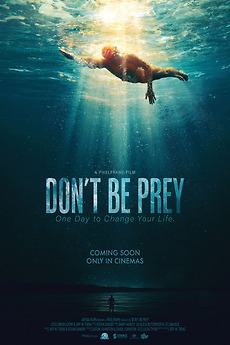

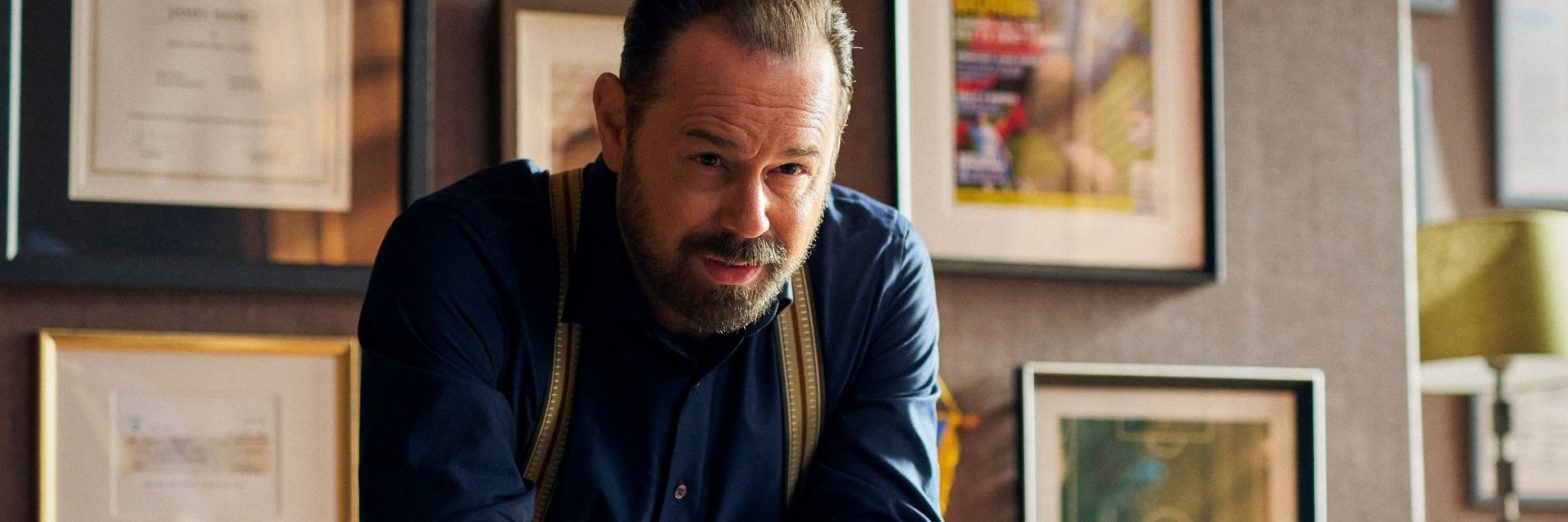
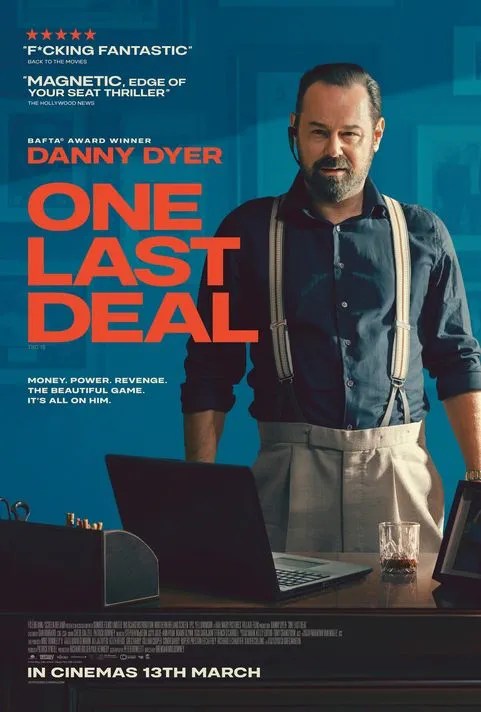
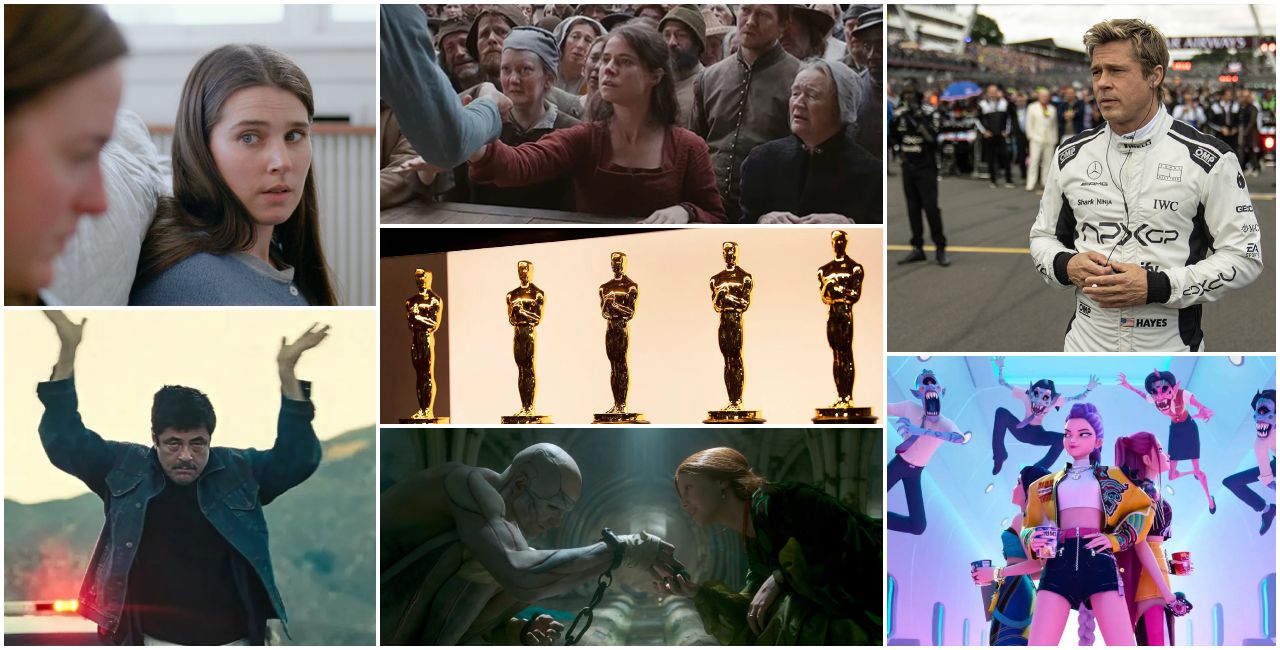
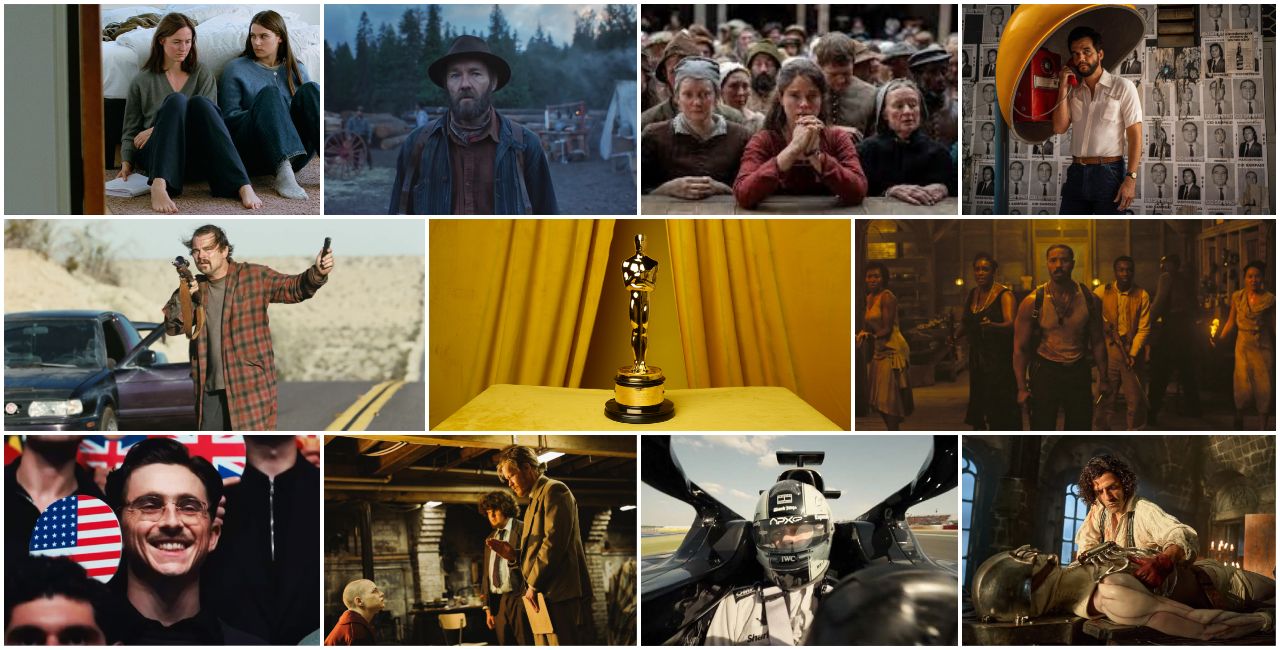
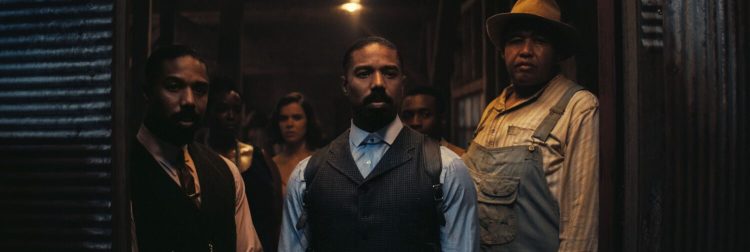
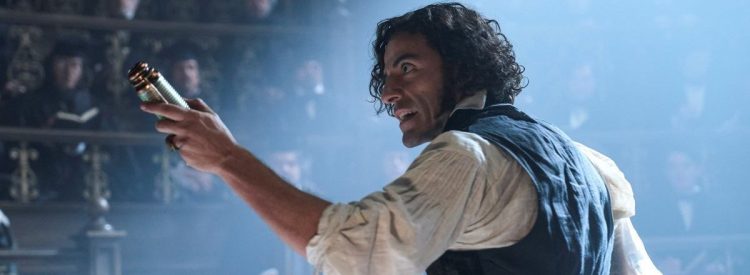
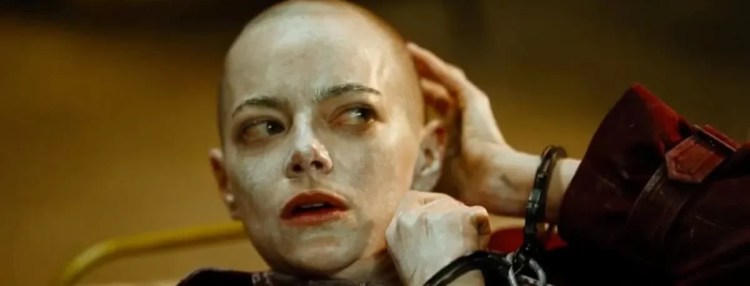
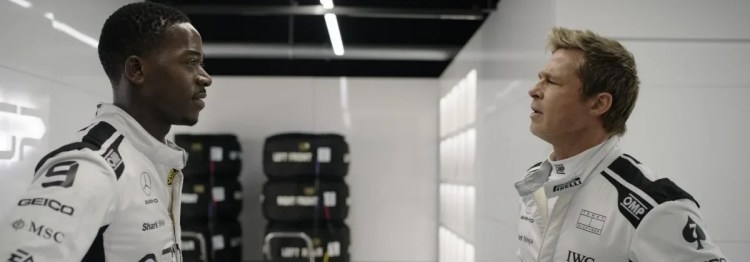
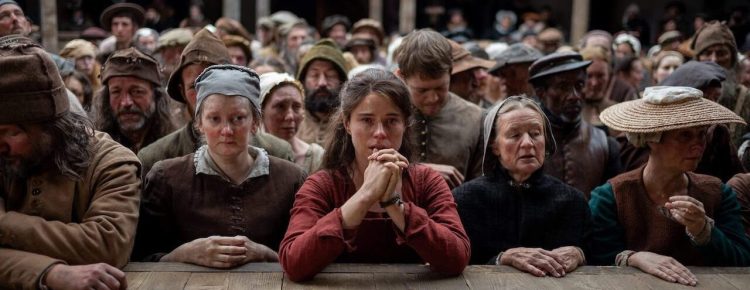
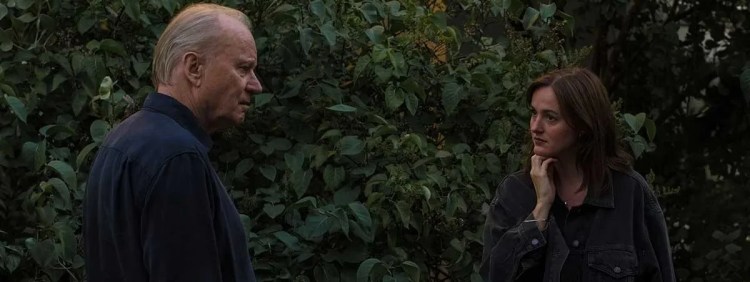
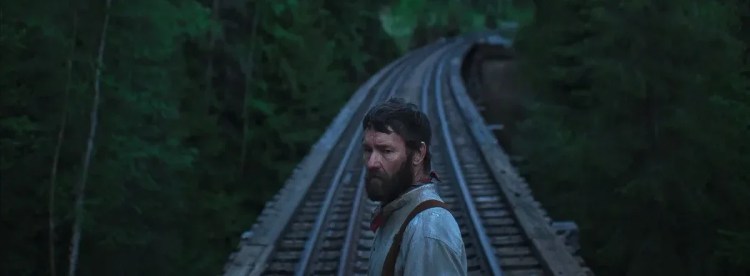
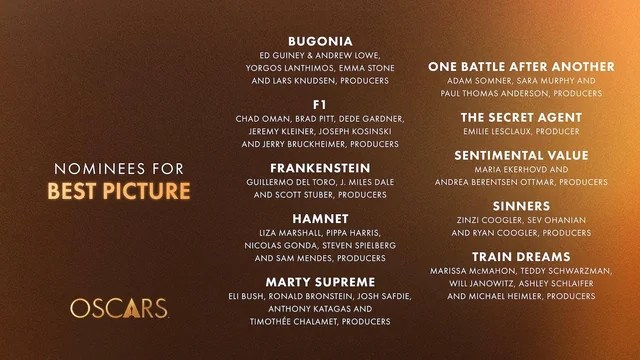
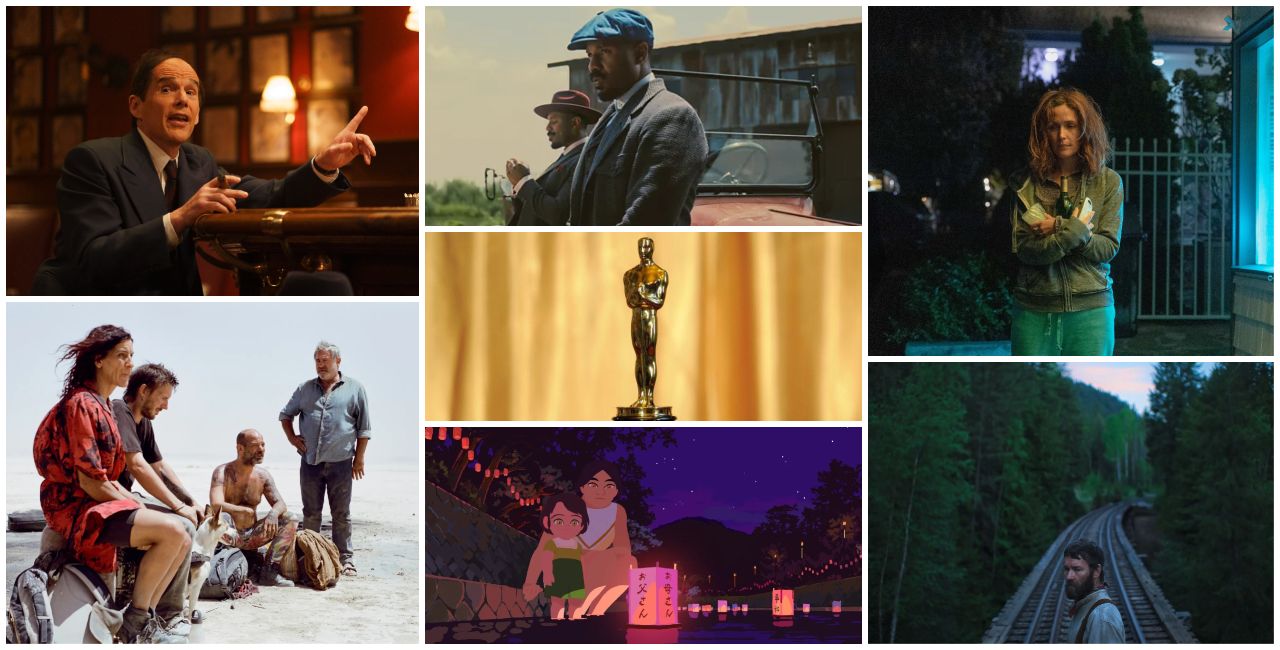


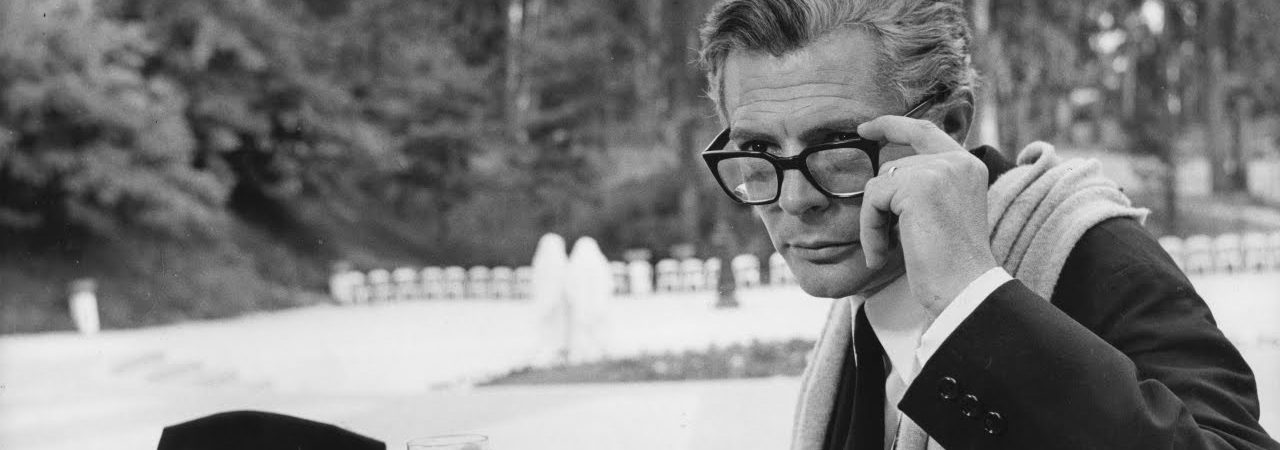
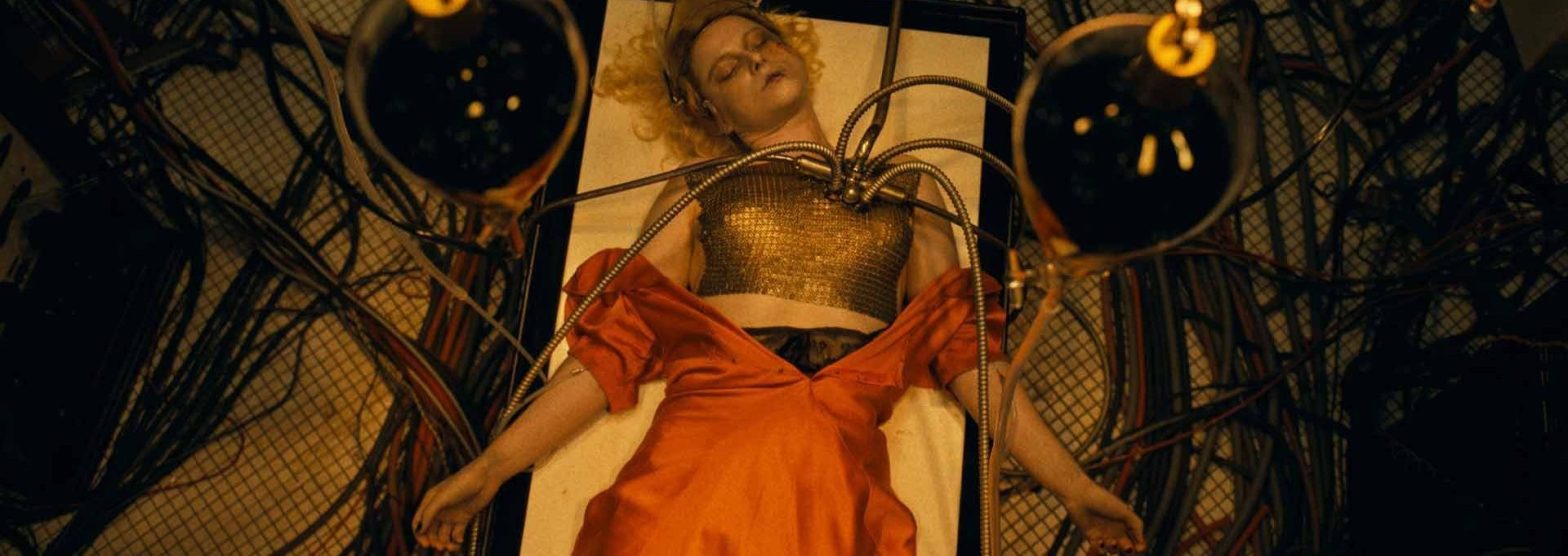
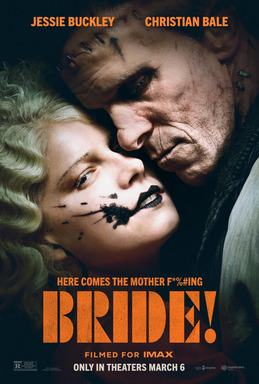
 Just A Little Bit Random