
Cert – 15, Run-time – 2 hours 8 minutes, Director – Sian Heder
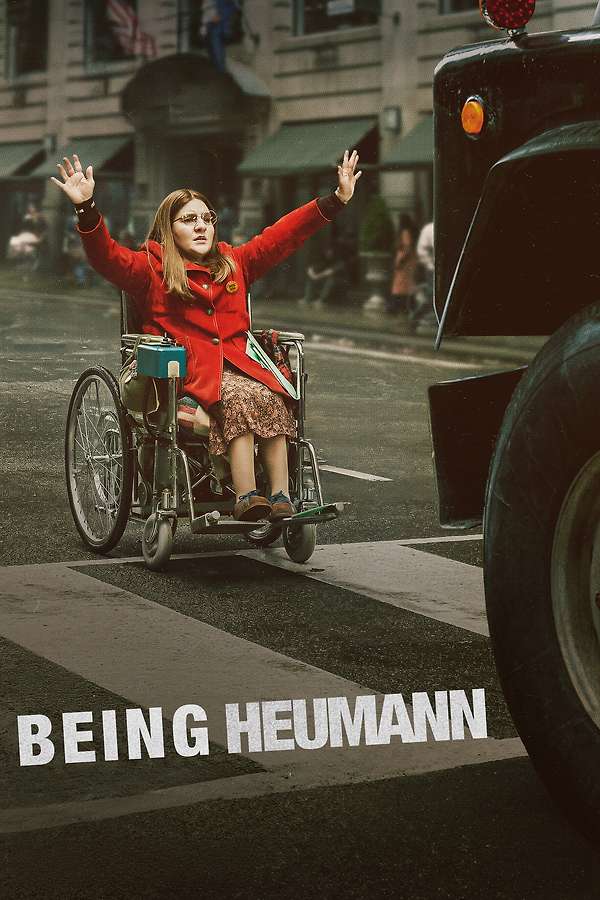
Disability rights activist Judy Heumann (Ruth Madeley) leads a 28-day occupation of San Francisco’s federal building in order to get better accessibility and education for disabled people across America.
Like with her Best Picture winning CODA, one of the things that sells Sian Heder’s follow-up, Being Heumann, is both its good-heartedness and belief in itself. The former can sound easily dismissive, or damning with faint praise, but it comes through in a drive from its characters, their actions and the push of the overall film. There may be markings of familiar underdog stories, and sometimes the film can’t quite rise above them, but there’s an inviting nature that sees things through thanks to the drive and intentions at hand.
What Being Heumann doesn’t quite have that CODA did is a big emotional hit, there’s no Both Sides Now scene here. You can feel the injustice that disability rights activists are facing as they occupy San Francisco’s federal building for weeks on end in the late-70s, led by activist Judy Heumann (Ruth Madeley) in an attempt to get Secretary of Health, Education and Welfare Joseph Califano (Mark Ruffalo) to add his signature to long-gestating Section 504 which will allow for better accessibility and education for disabled people across America. His mind is on the money that this would cost, while the conversations of those in the building quickly turn to the different needs that each of them have – lowered curbs on sidewalks would be great for wheelchair users but maybe not for the blind. This scene in particular creates a brief tension in the group and another layer to the dynamic and unity of the group.
The building takeover has its pros and cons. While it can bring out interesting tests and moments such as this it can also mean that there’s a slight cycle of ideas and events – especially as that final signature needs to be secured with Califano elsewhere. It also means that occasionally more conventional moments within such an underdog story start to appear. The film generally gets through them and there’s still a watchable quality, but the familiarity can hold back some of the effect sometimes, especially over the course of just over 2-hours.
When breaking out into the streets more, and confronting Califano and those that work for him there’s a generally more upfront nature to the film, even if even these scenes can sometimes be hampered by archetypes through the politicians at hand (Ruffalo himself appears to carry as much drive and goodwill as the rest of the film). There are interesting moments, and when the film gets louder there is a feeling of some things being played up for drama, not always a bad thing, of course. And overall it’s easy to get on board with what’s happening and finding yourself caught in the drive of the film and what Heder is doing.
She doesn’t appear to have gone for Oscar-bait or trying to follow up a Best Picture win with something grand. Instead, she’s done what she appears to have wanted to do, and highlighted a story that she cares about – in a similar vein to CODA. You can feel that care in the film, and a number of the performances in it as they appear to rally around the feature as the characters do the cause for better access at hand. Hearing the stories and effects that lack of accessibility has had has some of the biggest impact of the film as the characters come forward and what they’re fighting for is pushed in a different way beyond the central action and protests. In these moments, in dialogue and when characters rally together and use their voices, in whichever way they communicate, the film and Heder find their best stride and create the most effect.
While there may be familiarity in the underdog aspects of Being Heumann there’s a drive to the film overall that helps see it through, especially when characters find their voice and deliver the dramatic fight for accessibility.

