The Prom – Review

Cert – 12, Run-time – 2 hours 12 minutes, Director – Ryan Murphy

A group of struggling Broadway performers (Meryl Streep, James Corden, Nicole Kidman, Andrew Rannells) team up to better their image by helping a young girl (Jo Ellen Pellman) excluded from her prom because of her sexuality

The movie musical has very much made a full comeback over the last decade or so, however nothing has been quite like The Prom. Based on the Tony nominated musical of the same name this is an energetic, glitter-filled dance mob, spontaneous musical number belting MUUUUUSSSSIIIICAAAALLL! One where, to quote one of the film’s songs, it truly does “give it some zazz”. This is a film about struggling Broadway actors, whether pushed back to the chorus, struggling to get work or simply starring in successive flops the four central figures core problem is that their narcissistic personalities have got in the way of their careers. Therefore they search for causes they can get behind to make it seem like they care, to boost life back into their public personas. After browsing Twitter the quartet discover a story about high school student Emma (Jo Ellen Pellman), who has been excluded from her prom by the PTA because of her sexuality. ‘Outraged’ by this the group travel from Broadway heights and lights to rural Indiana, where the hotels don’t even have spas.

For much of the duration the one joke is the fact that these characters only think of themselves and their believed high-lives – Meryl Streep’s Dee Dee Allen shows off her two Tony awards in the hope of securing a non-existent hotel suite. It wears thin at times but there are still one or two laughs to be found along the way. This single gag even takes up some of the earlier songs in the film, including one called It’s Not About Me. And yet, amongst it all there’s something rather enjoyable about a number of the musical numbers. Overdone, overpowered and overflowing with lights, colour, glitter and dance it’s very much a direct Broadway adaptation – although featuring some added elements and camera movements/ trickery to warrant the film format. For the most part it’s some of the musical numbers where the feeling of ‘this almost feels like a stage recording’ is in play.

It does feel as if not much has been cut out from the original stage productions. At 2 hours and 12 minutes the film does feel somewhat lengthy. Particularly as the songs die down and the plot comes more into play in the second half the run-time begins to show. Other characters, aside from James Corden’s Barry Glickman – (proudly describing himself as “as gay as a bucket of wigs – A bucket of them!” – while Corden does seem miscast, and his labelled ‘gayface’ has come under fire, although having been defended by castmate Andrew Rannells, begin to get more screen-time during this period as Corden appears to act as the ringleader for much of the run-time. And yet, the film tries to keep in frame, as much as possible, the character of Emma; who simply wants to be able to take her girlfriend, Alyssa (Ariana DeBose) – who hasn’t yet come out – to the prom. However, Alyssa’s Mum (Kerry Washington) is the head of the PTA, who said that all dates must be of the opposite sex, coming up with multiple rules simply to prevent Emma from being at the prom.

While the Broadway stars belt out powerful energetic numbers Emma and Alyssa’s songs are much more reigned in. Not quite ballads but gentler personal songs to themselves and each other. Revealing themselves instead of powerfully trying to better their own image for those around them. You feel their connection and it simply boosts the overall traditional musical feel of the film. Not just this, but it also provides good breaks from the heaps of exuberance in all other scenes of the film – which if held throughout could potentially become tiring, especially with the run-time that the film holds. However, for what it does do, despite seeming a bit long, there are some great moments of energy within this full-on Broadway musical. It spreads an infectious smile and you can’t help but go along with it, being amused by the actions of these characters who are so obsessed with themselves that at times the only possible joke is just how out of place they seem in this small town in Indiana. Yet, with that are some good chuckles and laughs and enough to make for an entertaining song-belting prom that eventually gets round to celebrating people recognising each other and coming together.

Powered with energy and a cast that truly can belt out a numbers of songs The Prom isn’t without its more refined moments, saving it from feeling a bit too much during its rather lengthy run-time.
Rating: 4 out of 5.

Host – Review

Cert – 15, Run-time – 56 minutes, Director – Rob Savage

A group of friends find themselves attacked by angered spirits when a Zoom séance goes wrong.

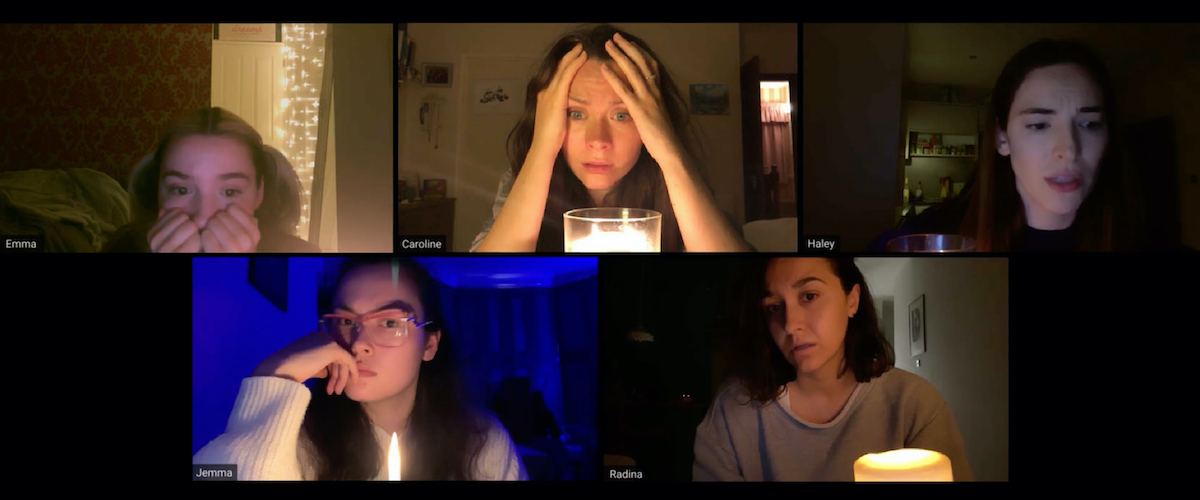
It’s undeniable that at some point a horde of films are going to drop relating to lockdown and the pandemic – Ben Wheatley is already preparing to release one. Host – the directorial debut of Rob Savage – was one of the first to drop earlier this year on streaming platform Shudder, becoming a quick hit it now finds itself with a cinema release – plus pre-recorded Q&A, due to the short run-time. Taking a similar line to the likes of 2015’s Unfriended all the action takes place on a screen, throughout the border of a Zoom call surrounds the frame. What starts off as an amusing night for a group of friends soon turns into terror as they find themselves attacked by angered spirits.

It’s impressive that the practical effects of the film were all setup by the cast in their individual homes during a pandemic. But, more impressive is the fact that they’re genuinely scary. As the film goes along the spirits that attack – due to one member of the group lying about a ghost communicating with them – seemingly get more and more enraged. Tormenting the central group. Through jump scares, tension and the occasional haunting Zoom filter and background the piece becomes more and more intense as it goes on. 

You feel the genuine fear and tension of the girls, all relatively new actors who give great performances, who initially just wanted to have a fun evening and instead find themselves fighting for their lives restricted to their homes. While only 56 minutes long Savage wastes no time when the horror properly kicks in. This is a rare film where you’re left wincing, hiding behind your hands, you won’t trust anything close to you afterwards, in terror at what might happen next. Meanwhile, at other points you find your eyes glued to the screen in pure, seat-clutching fright.

You know jump scares are coming yet they’re still effective. Otherwise the film subverts expectations, with a bigger impact from somewhere else. All acts become a worst case scenario as you too feel trapped and helpless, trapped on the screen of a Zoom call. A feeling pushed even further by Savage’s finely tuned pacing, never missing a beat throughout. Add to the mix a fairly realistic feel, the film plays out in real-time, and a bit of humour at the start as the film settles itself in and it feels uncomfortably genuine. Boosting the scare factor and making for the scariest film of 2020, and a strong contender for one of the best of the year.

Savage turned this film in, from short film to finished product, in 12 weeks. 12 weeks to make a film that has all the marks of a finely crafted, carefully thought-through, layered horror. It’s tense, terrifying and will leave you wary of everything around you long after the credits, which have their own unsettling feel, are over. 

Rating: 4 out of 5.

Mank – Review

Cert – 12, Run-time – 2 hours 11 minutes, Director – David Fincher

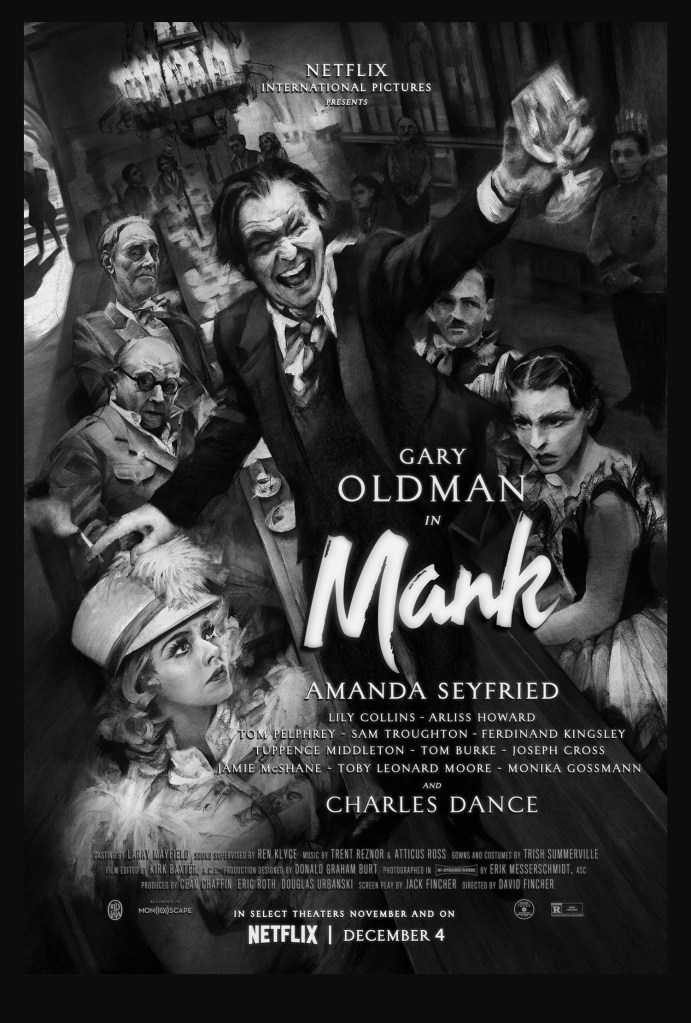
Alcoholic screenwriter, Herman J. Mankiewicz (Gary Oldman) finds himself bedbound with 60 days to write a screenplay for Orson Welles (Tom Burke), which would go on to become Citizen Kane.

“He likes the way you talk, not the way you write, the way you talk!” Herman J. Mankiewicz (Gary Oldman) finds himself being shouted at late in David Fincher’s Hollywood throwback Mank. He’s a charismatic screenwriter jumping through the studio system of the 30’s and 40’s with a wry wit. Fincher’s film, written by his late-father Jack Fincher, is about words and the relationships and reputations that they can form or destroy. Through elections, scripts and disagreements with studio executives there’s a lot to unpack within Mank.

The core of the film sees a bedbound Herman – with a broken leg as a result of a car accident – with 60 days to write a screenplay for a 24 year old Orson Welles (Tom Burke), who has just been given free reign over a motion picture project of his creation by RKO Pictures. A film that would turn out to be Citizen Kane. Oldman’s drunken writer dictates his screenplay to Lily Collins’ Rita Alexander as his past, which inspires much of what would become what many regard as the greatest film ever made. The narrative taking a form much like Kane in that it jumps back and forth to flashbacks and back – typewriter text spelling out when and where we are at each point. While becoming a part of the heap of bedsheets he’s a part of a sea of partially crumpled paper surrounds the central figure as gradually realises that he’s writing something more like an opera than a standard feature film.

While perhaps a bit too long, and certainly rather jumpy with its flashes back and forth in time, there’s plenty to like about the detail of this piece. No expense has been spared on creating an authentic look and feel – even a black dot appears in the corner at the end of some scenes as is the case with a number of old prints of films when the reel had to be changed. However, it’s Oldman’s fantastic central performance that acts as the biggest connection to the viewer. Oldman initially suggested to Fincher that he should wear heavy make-up to make himself look more like Mankiewicz, however Fincher decided against this in the hope of showing a more personal, human story – allowing for a greater connection with the protagonist. Thanks not only to Oldman’s brilliant lead performance but by those of the supporting cast too – including the likes of Amanda Seyfried, Charles Dance and Tuppence Middleton, all capturing the flair and feel of the workings of a classic Hollywood studio system.

As Mank clashes with the studio executives of MGM and Paramount, and battles with Welles and John Houseman (Sam Troughton) about his screenplay. While feeling a bit long around the 100 minutes mark there’s enough in the detail to enjoy – especially within the performances – within this ode to classic Hollywood, even if a number of elements aren’t quite shown in a good light, and perhaps a personal one from a son honouring the work of his father – this has been in the works in some form or another since the late-90’s. Yet, even with the grand style and feel of the piece – all finely tuned and crafted for the best possible effect – the thing that works the most is the way that the film uses language. Whether for argument, reason, humour or persuasion the clever use of words is impressive. Some moments may be more entertaining than others, particularly punchier walking-talking scenes – backed by Trent Reznor and Atticus Ross’ fantastic score – but there’s certainly enough coming through David Fincher’s vision to make this a large-scale tale of classic Hollywood filled with the ins and outs of the studio system that all led to Citizen Kane.

While its jumpy nature pushes the feeling of the run-time, Mank delights in the words of its screenplay. Brought to life by an array of great performances, especially Oldman – likely to be in Oscar contention – this is a (if sometimes overly-) detailed piece that takes delight in the world of classic Hollywood.

Rating: 4 out of 5.

Train To Busan Presents: Peninsula – Review

Cert – 15, Run-time – 1 hour 55 minutes, Director – Yeon Sang-ho

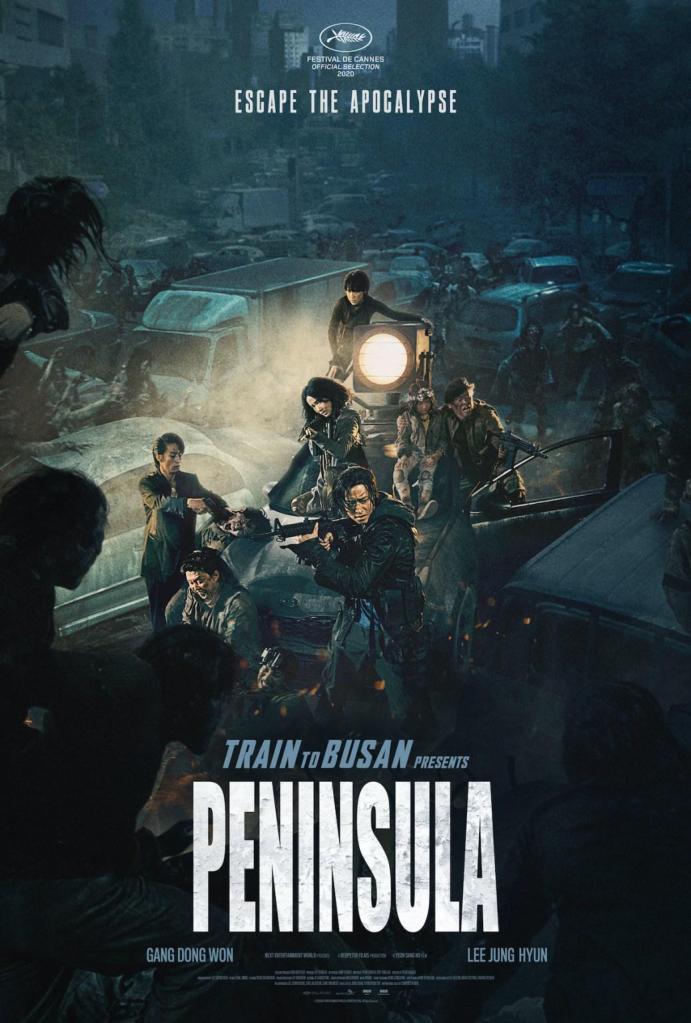
A group of survivors are sent back to a zombie infested South Korea to find a truck holding $20 million in cash

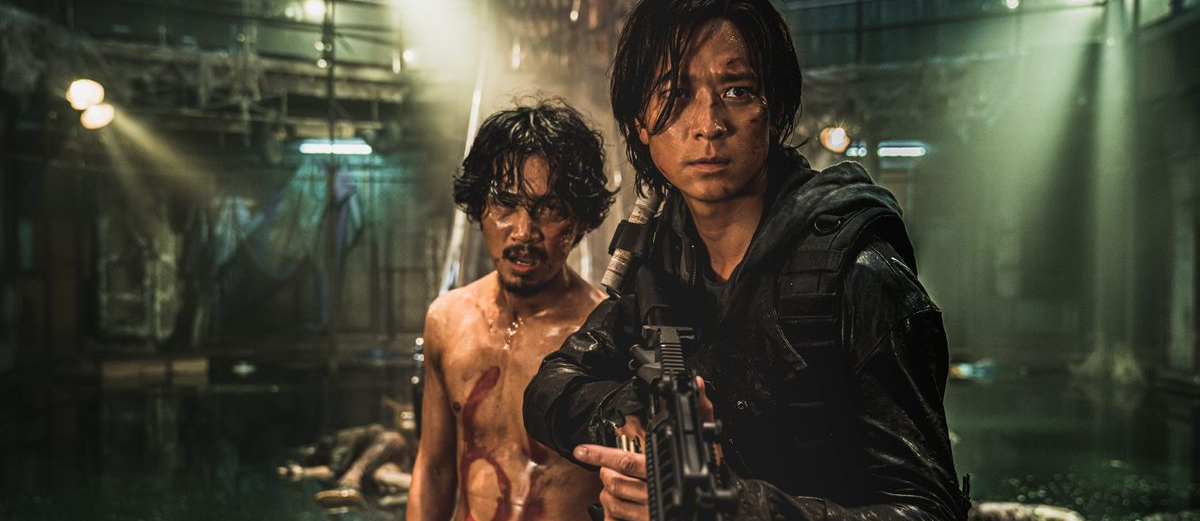
For my money the opening to 28 Weeks Later is one of the greatest film openings ever. Robert Carlyle furiously runs away from a zombie attack in a countryside house, leaving his wife behind to be overcome by the infected. The score swells with rising tension, getting louder and louder, as do the sounds of the hoard of attacking undead. It’s tense, emotional and deeply unsettling, if not terrifying. There’s a feeling in the opening scenes of Train To Busan Presents: Peninsula – the sequel to 2016’s fast-paced horror hit – that a similar emotional punch is being aimed for. Soldier Jung Seok (Gang Dong-won) watches his sister and nephew become infected when it turns out that a safety ship out of South Korea is carrying a man who turns into a zombie on the way to hopeful freedom from the devastating outbreak that got out of control within hours.

Set four years after the events of the first film this is a loose sequel – likely the reason behind the decision to simply put “Presents” in the title instead of calling the film Train To Busan 2. The only major links are the fact that the initial infection is that the action mostly happens in Korea and Busan is mentioned once or twice. Instead of fast-paced zombie attacks we’re introduced to an almost post-apocalyptic world, like Mad Max with zombies. Gangs have been formed, some for survival, others for entertainment. The various members of the central group – including Jung Seok and his brother-in-law Chul-min (Kim Do-yoon) – are sent back to South Korea, by a gang in Hong Kong, where they have been in safety since the infected struck, to find a truck holding $20 million in cash.

However, the group quickly find themselves either split up or killed. Jung Seok is taken in by a family who have managed to survive on the streets while trying to find some form of radio help out of the country. Meanwhile Chul-min is captured and entered into various trials where he faces off with other victims in battles against the undead. Initially starting out as a heist film before changing into something more of the survival and then action genre the horror tone isn’t quite there – distancing this more from the original. And this isn’t necessarily a bad thing. Where the film does fall in this respect is the fact that its jumping between characters, locations and ideas makes it feel rather clustered. As if there were so many ideas thrown around at a meeting that the writers (returning director Yeon Sang-ho and solo-writer of the first film Park Joo-suk) decided to go with multiple instead of one or two direct potential narrative points. Because of this jumping back and forth the film does occasionally feel as if it stops, or takes a step back every now and then to reacquaint the viewer with certain films. Add to the mix the more westernised feel to the film – there’s certainly a fair deal more speaking of English during a handful of patches over the course of run-time.

Yet, despite this there are still some decent moments of action throughout the film. The CG featured in a number of scenes – particularly in the extended finale/s, none of which quite hit the emotional punch that the film aims to copy from the original – isn’t best, but it doesn’t completely distract from what’s happening in the scene. Tension certainly isn’t there, and there is something a bit basic about the more traditional apocalypse survival feel to some moments, but there’s still a mild entertainment factor. Despite the stammers, the pauses and the varying tones throughout there are some interesting points throughout – especially within the gang underworld and the various trials they put people through. It’s all a bit Mad Max at times, but there are points that just about click and work amongst the faults and flaws. Just about enough to keep the film’s head above the zombie swarm and keep the interest of the viewer for enough of the share of the run-time to make this worthwhile. And who knows, this could be a film that improves on re-watches. It feels like it has the potential to. But for a first viewing, it’s good enough – even if it does try to cater to audiences it might not have aimed towards the first time around, although this is a very different film overall.

Less express bullet train more traditional steam train that needs to occasionally stop for fuel and water. Different and a bit jumpy, but not without its moments.

Rating: 3 out of 5.

Happiest Season – Review

Cert – 12, Run time – 1 hour 42 minutes, Director – Clea DuVall

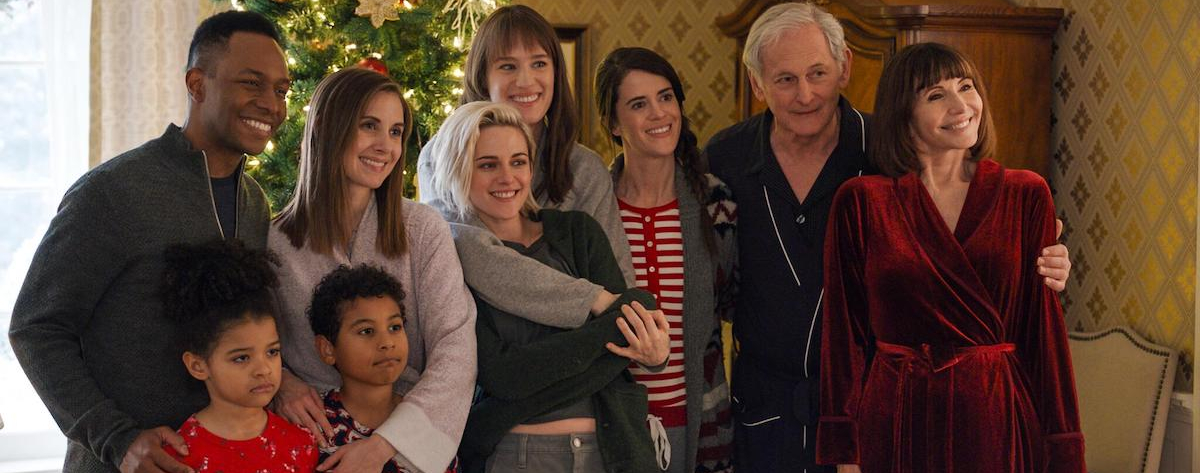
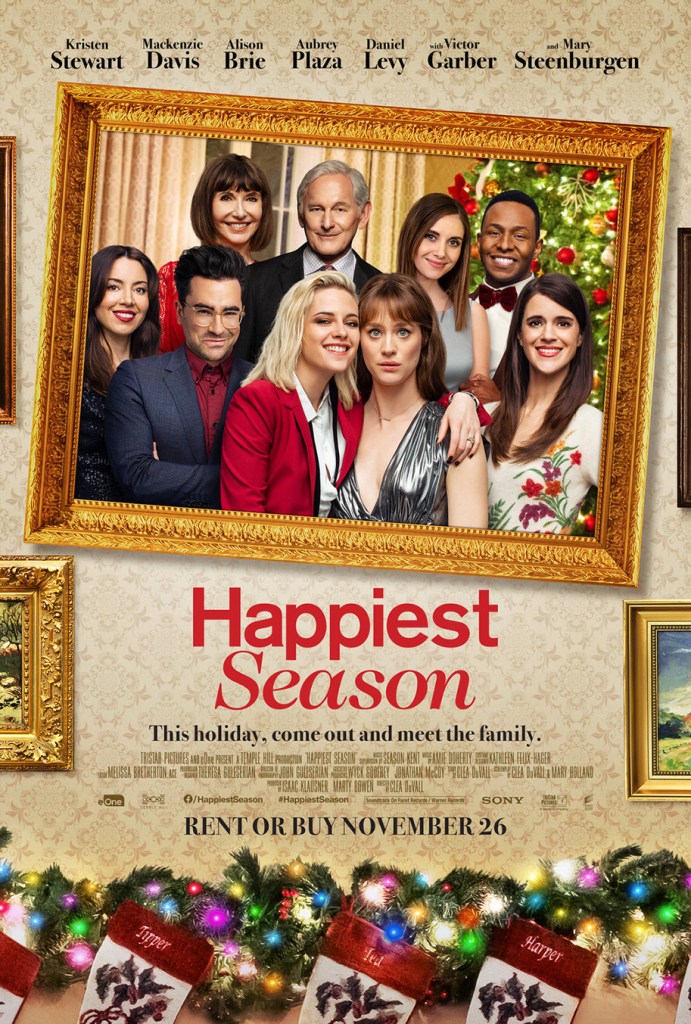
Abby (Kristen Stewart) is visiting her girlfriend Harper’s (Mackenzie Davis) family for Christmas. However, Harper’s family don’t know that she’s gay.

Nerves often rise when it comes to meeting a partner’s parents. However, for Abby (Kristen Stewart) her nerves stem from somewhere else. Initially she’s calm and relaxed when her girlfriend Harper (Mackenzie Davis) invites her round for Christmas, to prevent her from spending it alone. However, on the journey to her family’s large, quiet home Harper reveals that her parents don’t know that she’s gay, and she doesn’t plan on telling them for a few more days. Her father (Victor Garber) is running for mayor, and any alleged rifts or controversies within his family could damage his campaign, especially at this festive time of year when everyone’s meant to be united. This family’s unity is something that all should witness, as his wife (Mary Steenburgen) seems to live by, documenting everything on Instagram; frustrated that she can’t get the perfect family photo.

The family, while trying to look perfect at various festive gatherings, seems far from it. They’re each distanced with their individual secrets and behaviours. Alison Brie’s Sloane tries to show her perfect family lifestyle and business success, but is often told by her parents to simply stand to the side and mingle. Meanwhile other sister Jane (Mary Holland – who also acts as co-writer with director Clea DuVall) allows her mind and energetic nature to often carry her away – when she’s not working on an extensive fantasy novel, often telling others of the various layers and details which it holds, making for a rather amusing running joke. Jane feels almost excluded from the rest of the family and simply wants to get some form of attention, or rather recognition; especially with more people in the house for Christmas this year. What is meant to be the happiest season turns out to be a rather stressful one of twists and secrets for everyone.

Harper and Abby’s relationship is tested as they try to keep it a secret, Abby herself living on a lie of being straight. However, things truly heat-up when ex-boyfriend Connor (Jake McDorman) arrives on the scene, still with feelings for Harper; which her parents support, thinking that they’re relationship would be good for the campaign and general look of the family to potential voters. Throw in the figure of Riley (Aubrey Plaza), someone clearly key to Harper’s past, although the relationship of which is ambiguous to Abby, and there’s a swirling pot of potential rifts and clashes. Throughout the film Stewart’s protagonist becomes increasingly uncomfortable with hiding herself, and seeing her partner do the same thing. She was planning on proposing on Christmas Day, but with her plans thrown into the air, and at times thrown aside as the people she was invited to spend the festive season with seem to be more concerned with publicity than anything else.

As this happens Riley becomes more of a recurring presence, Abby bumping into her in the street while shopping and simply spending the evening with her. There’s good chemistry between them, however you still feel the strong central relationship of Stewart and Davis which truly sells the piece. Even as the opening credits depict various different holiday scenes and their relationship growing through Christmas card style drawings you’re set up and ready to go, believing the authenticity of this relationship. From there the film settles you in, assuring you that there is a good time to be had over the next 100 minutes or so. There are a couple of chuckles along the way, never really at the expense of any of the characters or the situations that they find themselves in, and it wraps up rather nicely. Admittedly, some elements of the narrative do feel somewhat predictable, or at least as if you can roughly guess where they’re going, but for the most part that doesn’t get in the way of your enjoyment of the film. Hooking you early on with the central relationship, brought to life by two enjoyable central performances, and introducing you to an equally good supporting cast. Relationships and chemistry click, allowing for the laughs to be brought in and by the end it’s all been a rather good Christmas rom-com.

There are some points where you feel you know where Happiest Season is going, but there are also some pleasant surprises along the way. The central relationship clicks and works, bringing you in for an enjoyable time with some equally engaging supporting characters for a nice, mild festive feature.

Rating: 3 out of 5.

Lost At Christmas – Review

Release Date – 4th December 2020, Cert – 12, Run-time – 1 hour 41 minutes, Director – Ryan Hendrick

Two strangers (Natalie Clark, Kenny Boyle), after breaking up in their relationships on Christmas Eve, find themselves stranded, miles away from home, in the Scottish Highlands.

There’s a point in Lost At Christmas where Frazer Hines’ character describes himself and Sylvester McCoy’s as “two rowdy old b*ggers, giving it loudly until we kick the bucket dancing”. They spend their Christmas sipping glass after glass of whiskey in the warmth of a hotel bar in a small town in the Scottish Highlands. This seems like almost luxury compared to the situation that Jen (Natalie Clark) and Rob (Kenny Boyle) find themselves. Not only have they found themselves spending Christmas alone – Jen has found out that her boyfriend is married, while Rob’s proposal to his partner is publicly rejected, not for the first time – but the two are stranded in the thickening snow of the mountainous Highlands. It’s Christmas Eve, in the middle of the afternoon, the snow has stopped all transport, which means they can’t both get back to Glasgow, and so somehow they set-off together in the hope of getting home for Christmas, even if they will be spending it alone.

With Jen’s belief that all men are “b*stards”, and Rob getting increasingly frustrated at her otherwise festive attitude – she dons an elf costume and multiple Christmas themed bags for a lot of their journey, quoting various Christmas songs; after all ’tis the season – the pair clash to say the least. Based on director and co-writer (with Clare Sheppard) Ryan Hendrick’s 2015 short film Perfect Strangers, apparently the initial title for the feature adaptation, the film travels along lines suggested by this title. You can roughly tell where this relationship is going to go, however for a number of scenes there’s a feeling that the film is aware of its clichés, even if this feeling does seem to fade away as it goes along.

They find themselves in a small, almost deserted hotel in the middle of nowhere, and in the opposite direction to which they need to go. Aside from the stressed-out manager (Sanjeev Kohli), the regulars (McCoy and Hines) everyone appears to be present to simply escape the festive season – to the dismay of Jen. We get to know one or two of these characters as the two leads interact with each one over an extended period of time. It’s in the bar/ restaurant area of the hotel where we seem to spend most of the film’s run-time, it’s also where most of the run-time is built up. Through the various interactions, the delays in the main conversation and each event a lot almost seems to be present to push the film beyond the 90 minute mark. It slows the pacing and while not everything is unwatchable or bland it certainly doesn’t all quite click as well as the film does beforehand.

When it comes to the chuckles that this Christmas rom-com produces there aren’t a great deal, one or two mild exhales of amusement throughout – one particularly at the sound of an entire crowd roaring with laughter when a taxi company is told that Jen and Rob want to get to Glasgow on Christmas Eve. But, the film certainly isn’t bad for the most part. The supporting cast, particularly Hines, McCoy and Kholi, help to bring in some of the amusement and push the piece along a bit – even if some exchanges seem to be a bit too long, and there simply to add a sense of people coming together at Christmas. It’s this that appears to push the length of the film a bit more. Much like the two central figures have to start with this is a bit of a stagger, there are moments and it’s certainly something you can appreciate, and for the most part it’s pretty good, however there are moments where the film feels slightly lost and a bit too long that hold it back – particularly towards the end – from being truly enjoyable.

There are plenty of good moments within Lost At Christmas, and it’s not really a bad film, it’ll likely find an audience. However, its flaws do show, including its run-time and extended ideas and scenes, particularly around the film’s midpoint.

Rating: 2 out of 5.

Safe Spaces – Review

Release Date – 7th December 2020, Cert – 15, Run-time – 1 hour 33 minutes, Director – Daniel Schechter

A college professor (Justin Long) finds himself defending his comments in class that have made a student uncomfortable, while also looking after his deeply ill grandmother (Lynn Cohen) in hospital with his chaotic family.

On its initial release last year in the US writer-director Daniel Schechter’s Safe Spaces was called After Class. While the film follows college professor Josh (Justin Long) and initially revolves around controversial comments he makes in a scriptwriting class about a student’s sexual experience after a date that make another student feel uncomfortable, it quickly explores the other aspects of his life. Josh’s grandmother (Lynn Cohen) is in hospital and it seems that things aren’t going well, most of his distanced family have arrived and are making things even more chaotic.

His sister, Jackie (Kate Berlant) has arrived and made herself at home in his flat, with him and his partner – although the relationship seems to be for different things depending on who you look at. His relationship with his father (Richard Schiff) is possibly the most distant. He barely associates with the rest of his family, not even telling his son from his second marriage, Ben (Tyler Wladis) – who, for some reason, gets angry at even the thought of Josh’s existence – that he has brothers and a sister.

Things simply don’t go well for Josh throughout the film. The general plot is a series of worsening situations for the main character. His work-life is almost forgotten at a number of points, despite being the catalyst and perhaps the main thought that the film wants to dwell on, there are so many other elements that are brought in and seemingly made worse over the course of the film that it almost begins to feel too busy. The humour that the film once held, even if not always succeeding in raising a laugh, begins to fade away as the drama takes centre stage, or simply the laughs are also forgotten about, and the film tries to get in as close to 90 minutes as possible.

As the film develops and things possibly couldn’t get any worse for the protagonist – who does struggle to simply apologise for his inappropriate comments, causing further trouble for himself when students refuse to turn up to class in protest – territory of near sympathy begins to be strayed near to. As certain comments are thrown around – especially by two particular students who claim that they’re going to start a petition to say Josh did nothing wrong – the film risks straying into, and points this out, ‘the woes of the persecuted straight, white, cis male’. However, the film borders on this, just about avoiding being a full-on sympathy piece for someone who is rather in the wrong, and knows it, but just doesn’t apologise and instead insists on defending himself in all situations of life.

Everything combines to simply create something that’s a rush to resolve, and with the humour having gone early on it does highlight how crowded the plot is. The film passes well enough and it’s a perfectly fine watch, however when it borders on certain types of sympathy – particularly towards some of Josh’s, to put it lightly, more controversial comments and actions – it does begin to further highlight its own flaws. There are a number of issues within this busy film, however there are some moments that work and hit the mark fairly well along the short course of this ‘dramedy’ – heavily focusing on the drama after pushing most of the comedic elements aside.

Much like the family at the centre of it Safe Spaces is rather busy and a bit chaotic, and the college elements certainly aren’t the main focus. However, there are some watchable moments throughout that collect to make this a decent enough, if rather average, viewing.

Rating: 3 out of 5.

A Christmas Carol – Review

Release Date – 4th December 2020, Cert – PG, Run-time – 1 hour 36 minutes, Directors – Jacqui Morris, David Morris

A dance-based retelling of A Christmas Carol with recorded dialogue reading Dickens’ words.

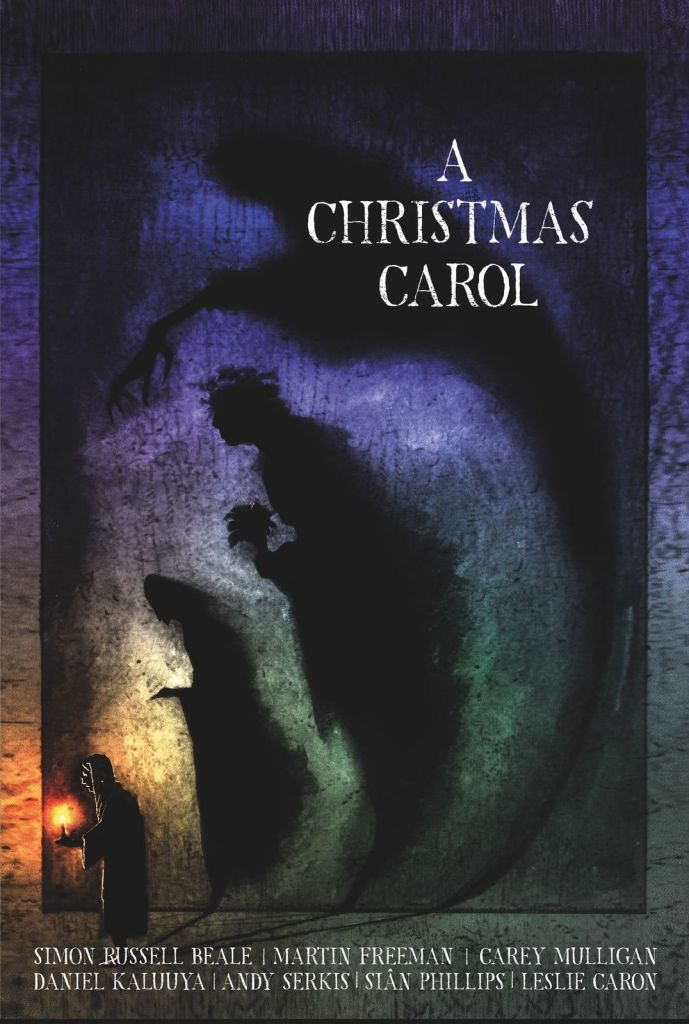
Not even 2020 is able to stop another version of Charles Dickens A Christmas Carol from making it to the big screen. However, this take from sibling directors Jacqui and David Morris puts a slightly different spin on things. Telling the story mostly through dance, with voiceovers reciting the lines of Dickens’ text to what is happening on screen at the time. Much of the action occurs in and around a cardboard-looking set in the middle of the stage. Functioning as the various different locations throughout the story – one which never tries to be a new version of the classic Christmas tale, it knowingly travels along its lines as a retelling. The camera capturing shots and ideas beyond a standard theatre recording – there’s certainly a cinematic element to the film and the way it’s shot.

We open with a group of Victorian children creating an actual model theatre/ set in their living room. The family arrive to sit around it as Grandma (Siân Phillips) begins to tell the tale of Scrooge, acting as the main narrator throughout the piece. The theatre opens up into a proper theatre of the mind as the dancers begin to bustle around the busy streets of London, while Scrooge takes his money from the poor, humbugging the festivities outside. Michael Nunn takes the form of Scrooge on screen, while Simon Russell Beale – who so wonderfully played evil in The Death Of Stalin – is on voicing duties.

As Ebenezer is visited by the four spirits that will hopefully turn him into a better person one of the biggest issues with a number of Christmas Carol adaptations arrives. It’s sometimes difficult to show the gradual development of Scrooge, he often seems to change instantly at some point in the film – even The Muppet Christmas Carol has this issue. One of history’s biggest misers in this instance appears to show a more emotional, less cynical, side during his interaction with the restlessly twisting figure of deceased business partner Jacob Marley (Russell Maliphant – with the gravelly rumble of Andy Serkis).

Many of these earlier scenes are flooded in icy blue hues, showing the coldness of Scrooge’s heart. This is the same style – making elements in frame appear almost white – in which we see the lonely, isolated and homeless throughout the film – although such elements are briefly looked at and feel as if they could have a slight bit more done with them. Meanwhile a light orange fills the moments aiming for warmth, particularly when looking into the home life of Scrooge’s struggling employee Bob Cratchit (Karl Fagerland Brekke/ Martin Freeman) and his family.

The film travels along its lines relatively pleasantly, the visuals are certainly interesting at times. And while the feeling that this would be better witnessed performed live on the stage – mostly down to the highly theatrical feeling, even the voice performances have an air of theatricality to them. The piece certainly works on the screen, but it feels as if it would be better seen unfolding on a stage, even if the camera weaves in and out of the various actions in a way that theatre can’t do.

Highlights, as usual, arrive at the joyful presence of The Ghost Of Christmas Present (Mikey Boats/ an ingeniously cast Daniel Kaluuya). His humour and heart is felt, as we slowly see various different households celebrating the Christmas Day to come – the film certainly takes its time to dwell on each instance, trying to explore various details and keep track of different characters and their whereabouts. Admittedly things mostly slow down just after the hour mark – as the second spirit is finishing his message – much of the film seems to be so dominated by the dialogue that tells the story that the dance and general visual flair can’t quite take centre stage and so it doesn’t break out as much as it perhaps wants to. It does mean that this particular feature does stick to Dickens more than most even if not quite with the darkness – this is a mostly family-friendly watch. While there are some elements that seem to not quite clash, but hold the film back a bit there’s still a fair deal to like about this particular take on A Christmas Carol. It’s something different and there’s interest in that, and its traditional yet unique theatricality often serves as enough to stop it from delving into anything particularly uninteresting.

While it does feel as if the dance wants to shine more the theatricality of this retelling of A Christmas Carol does provide enough interest and style to keep you in place for the majority of the run-time. Even during some of the slower points when the film wants to take time to dwell on multiple successive points.

Rating: 3 out of 5.

Hillbilly Elegy – Review

Cert – 15, Run-time – 1 hour 55 minutes, Director – Ron Howard

A hopeful Yale law student (Gabriel Basso) finds himself revisiting his childhood when his mother (Amy Adams) is in hospital from a heroin overdose.

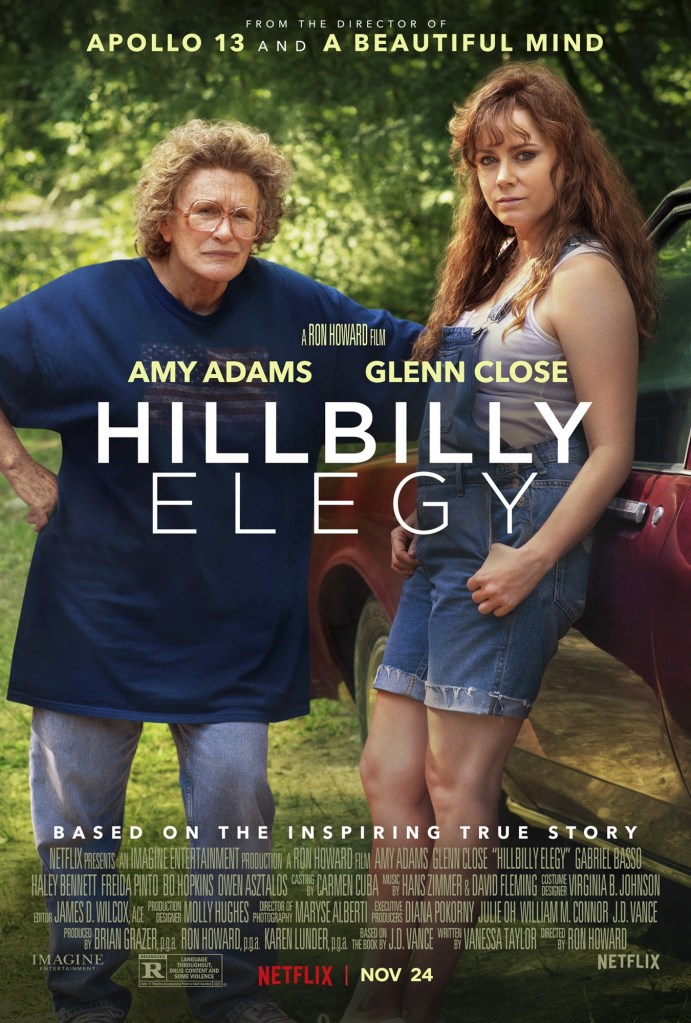
Many have referred to Hillbilly Elegy, Ron Howard’s adaptation of J.D. Vance’s 2016 memoir, as a bootstrap tale. Yet, the film seems more like something set after the peak of the bootstraps has been stood atop of. The subtitle for the novel is A Memoir of a Family and Culture in Crisis and Howard’s film attempts to capture this, well, the family element at least. At one point Glenn Close’s crotchety grandma – called Mamaw – snaps “family’s the only thing in this world worth a god damn”, the tone of the film, if not already laid out clearly enough by this point, easily established. Or at least this is the tone it’s possibly trying to go for. Because, throughout Hillbilly Elegy the crisis is the fact that almost every character is unlikable. You rarely feel sympathy for them as they lash out and argue with each other for almost two hours.

The film is a series of tearful monologues trying to get other characters to think about themselves before descending into a random argument that contains a line such as “if you’ve got a problem with that then you can talk to the barrel of my gun” just so a character can storm of in rage so the scene can end. The screenplay truly isn’t best. And unfortunately the performances, try as they might, can’t quite help make anything emotionally engaging of this slow, fist-shaking rage. Perhaps cheek-slapping is the better term to use, after all the characters seem to believe that a quick palm-to-face interaction will solve all of life’s problems.

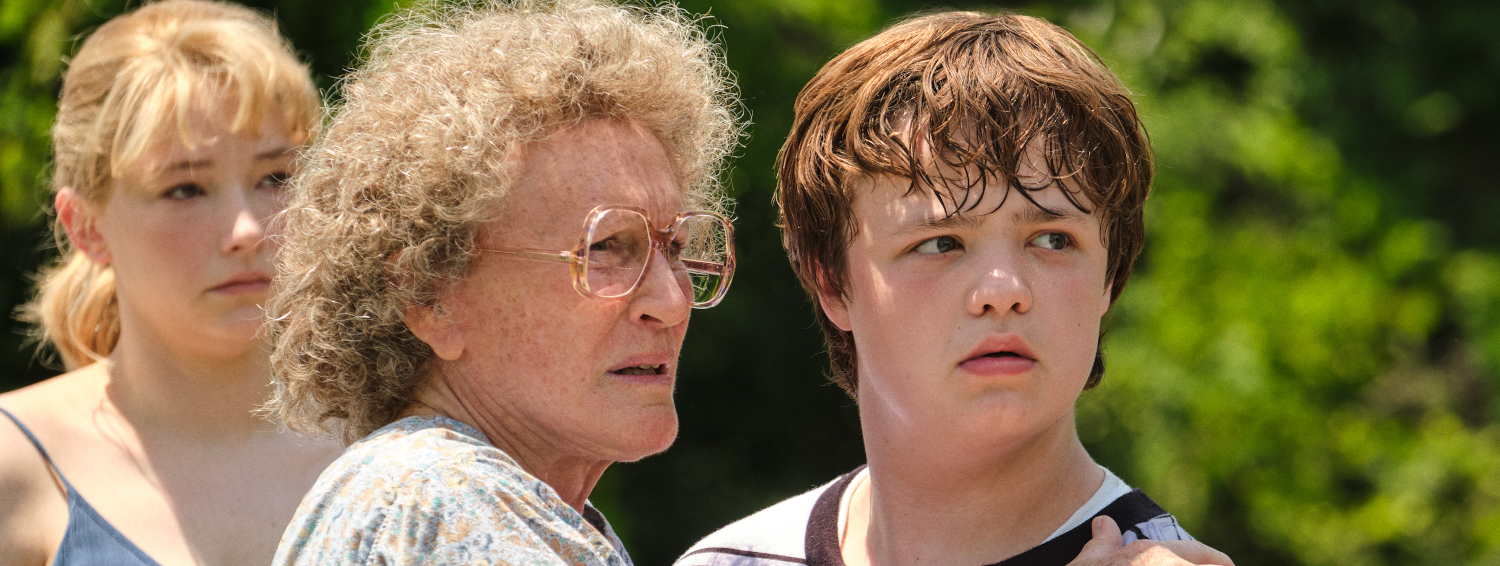
J.D. (Gabriel Basso) finds himself distanced from his family in 2011, called back home to Ohio the day before an early interview that could get him into Yale Law School. However, his mother (Amy Adams) is in hospital after suffering a heroin overdose, his sister (Haley Bennett) unable to look after her due to having a busy family, and having to work. As he drives through his former home of Middletown there’s a clear contrast to what seems to be the rest of the world. He travels under a bridge from well-dressed suburban life to what’s made to seem like a shabby run-down town. Everyone hangs around on street corners looking miserable, houses looking like they’ve been repaired multiple times. It’s an almost cynical view just to say that he’s distanced himself from his family, having progressed further than any of them have – as if his university life makes him superior to any of them. Cue multiple, sometimes randomly started, flashbacks to his past where we get subjected to the multiple fights and outbursts.

Alongside this we also witness many odd metaphorical points that are apparently meant to mean something. One of the most referred to examples being when Close’s character is watching Terminator 2 with her grandson (Owen Asztalos plays the young J.D. – who often is no better than the grown up version) and begins stating that there are three types of people in the world “good Terminator, bad Terminator and neutral” – it’s the type of thought parodied in a certain speech scene in Team America: World Police, but feels more like Taika Waititi’s ‘Two Doors’ monologue in Hunt For The Wilderpeople. Although the film has much less humour than this. While attempting to at times be light and humorous, or at least that seems to be the aim, it never lands and simply makes the finished product seem even more uneven and unsure as to what it wants to be (aside from Oscar bait – and it may not even work in that respect either, despite some claiming that voters might just fall for this it simply feels to weak and all over the place to be in contention). There are points where the tone and feel border on that of a fake film within another feature, where the joke is that its cheesy, cliché and not best.

The finished piece ends up, instead of being something of a crisis and struggle between a family to communicate, as a story of a distanced family. Not distanced by class, background or where the paths of their lives have taken them, but simply by the years of abuse and arguing that they have put each other through. It’s a slow watch, even more so because there’s barely a redeemable trait within anyone present – perhaps J.D.’s present-for-convenience girlfriend Usha (Freida Pinto) causes no offence, simply there to make J.D. looking like an even more agitated figure. Thing’s don’t quite come together in the right way. Simply they mesh together in some untidy clump to make for an uneven, unenjoyable and unsure look at a family and its carious issues. Wanting to gaze at various different points but jumping back and forth too often to properly look into each one the film is almost as dysfunctional and distanced as the family at its centre.

Not even Close and Adams can give performances that can prevent how unlikeable the characters in Hillbilly Elegy are. Add to that a screenplay that randomly jumps back and forth and some clunky messages and monologues, this is certainly a family stuck firmly in a constant strand of tearful argument based crisis.

Rating: 2 out of 5.

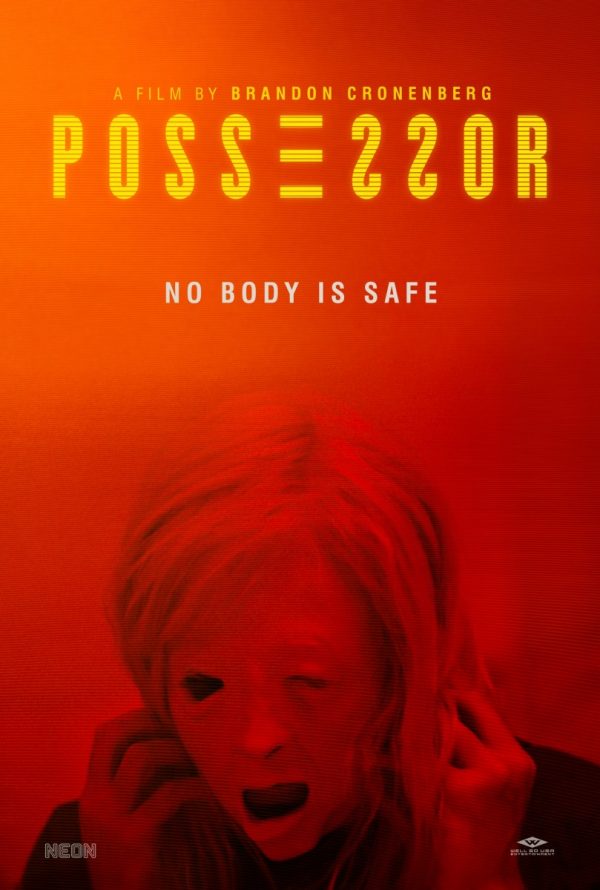
LFF 2020: Possessor – Review

Release Date – 27th November 2020, Cert – 18, Run-time – 1 hour 43 minutes, Director – Brandon Cronenberg

Tasya (Andrea Riseborough) works for a group that inserts her consciousness into the bodies of unsuspecting people, controlling them to assassinate rich targets, however one specific victim (Christopher Abbott) begins to fight back.

As many are likely to, and already have, point out; Possessor is a Cronenberg film through and through. Style has clearly been passed on with the tone and feel of this bloody sci-fi horror. And yet Brandon Cronenberg has his own distinct tone of lingering inflictions and internal battles of characters throughout this crimson-soaked feature – striking a tone that can possibly be best described as future-gothic.

Throughout we follow Tasya (Andrea Riseborough – who after 2018’s Mandy seems to enjoy being a part of the year’s maddest, bloodiest features), an assassin for an organisation who injects her consciousness into the bodies of unsuspecting victims to kill wealthy figures, while the person it looks like did the killing turns the gun on themselves as Tasya is pulled to safety. This is all until one particular job starts to go wrong. Tasya is placed into the body of Colin Tate (Christopher Abbott), a figure with too many stresses and worries to be able to be controlled by someone else. His mind begins to push Tasya aside, having consequences on her mind and body – stuck inside a machine that helps link her to Colin. She’s sent to kill the cruel industry-figurehead father (Sean Bean) of his fiancée, Ava (Tuppence Middleton).

Bean’s industry figurehead John Parse may just be the definition of the traditional sneering classic villain, just with a Brandon Cronenberg spin. He truly puts the filthy into filthy rich. Disapproving of the man his daughter is spending her time with, running workplaces that – assisted by the dark hues of Karim Hussain’s cinematography – are made to seem almost like conditions of uniform slavery. He’s a cruel and heartless figure, doing everything he can to bring Colin down and get him away from his daughter as quickly as possible – even if that does mean torment. Colin’s hatred for John is too strong to be controlled by Riseborough’s exasperated professional – who is initially reluctant to take this job on after struggling to turn the gun towards the end of a previous hit. With Tate taking control of his body throughout the film – various images of bodies and minds melting into each other take place as this happens – there are mental impacts on both central figures, examined throughout by Cronenberg as both minds become increasingly tired, not to mention scared and uncertain.

While death is a main target for the piece it certainly doesn’t fill the film. However, when it does come about Cronenberg certainly doesn’t hold back. He lingers and pushes into each brutal attack on the senses. Not only do your eyes fill with increasingly dark shades of crimson, your ears are filled with all kinds of crunches, snaps, high-pitched nerve breakings and screams of pain – not to mention your own yelps and gasps of fear and shock at what you see on-screen. All while the film ever quite touches on the idea of being sadistic, or taking any form of joy in itself from the painful sound and images of the relentless murders. It’s not quite there in those moments to be enjoyed, although the surroundings are certainly some form of other-worldly escape, although certainly not one you’d wish to exist in the real-world.

And this feeling comes from the delve into the mentality and mindsets of the two central characters. They are certainly imperfect, they know that and that tires them out; but because of the imperfections and hassle of the other person making them have to come to terms with their personal flaws. The constant battle throughout a large proportion of the 103 minute run-time has clear-set consequences – one or two are somewhat predictable; especially towards the latter stages of the piece – and you don’t quite know what type of ending Cronenberg is running towards. The pacing of the film certainly speeds up as he begins to sprint towards his conclusion yet the question that’s always in the air is is there actually a positive outcome here? It seems unlikely, you begin to feel that the only way the two personalities will be truly joint and untied is by both meeting a fate similar to Sam Lowry.

As Cronenberg travels along his rattling rails – the marks of many people who were clearly never untied from them splattered across it – his plan gradually becomes clearer. This is not a film simply there for gross-out shocks and blood-drenched cameras. This is a feud between two minds. Who is really in control of whose mind? To be cliché and use the film’s title; ‘Who is the real Possessor?’ And yet, the existential questions are never quite posed to the audience, and they never fully ask them throughout. They simply witness a dystopia of the mind as both Tasya and Colin battle for control, a somewhat shared goal, but for different aims – thus causing a civil war of sorts. There are interesting developments and ideas throughout the film, some clearly passed down, or rather influenced, from father to son.

The film travels across its path, never branching into sadism, but simply positioning the right elements for truly brutal sharp turns as the rage rises and energy declines for a pair who act as both the protagonists and antagonists – while Bean, in a number of instances, truly steals the show with his most brutal, just wait, of baddies. But, most of all, it’s simply a well made piece of sci-fi horror cinema that we rarely see nowadays. Perhaps an ode to Dad’s work, or a legacy continued. Either way, this modern spin is certainly something that if continued will lead to another strong, long-lasting name in the bloodiest corner of cult cinema.

An interesting battle between two different minds, leading to pain and exasperation for multiple parties, this is something that while successfully painful in terms of its gore is a fairly well told story of an internal, mental struggle for mental power.

Rating: 4 out of 5.