Cert – 12, Run-time – 2 hours 22 minutes, Director – David Yates
With Grindelwald (Mads Mikkelsen) now free, with a growing legion of followers, and attempting to take supreme power over the wizarding world, Albus Dumbledore (Jude Law) enlists the help of Newt Scamander (Eddie Redmayne) and co. to stop him from launching a war on the muggle world.
It’s been said by many that Fantastic Beasts: The Secrets Of Dumbledore, the third in the Wizarding World prequel series, could be the film that solidifies the fate and future of the franchise. Up until this point the previous two entries have been somewhat underwhelming (including somewhat when it came to the previous entry’s box office performance), although they do have their fans, providing little development; previous instalment The Crimes Of Grindelwald ending in very much the same place we arrived at the start of the first film. While this third entry does continue the idea that this franchise is two, maybe three, films stretched into a planned five there is at least some slight development across it and something more of a narrative arc gradually formed throughout – even if we do arrive at the inevitable dead-ends and circling again.
With Grindelwald (now taking the form of Mads Mikkelsen) now free his followers grow, putting him in good stead to seize the upcoming election which could give him supreme power over the wizarding world, being able to launch war on the muggles. While he can’t do anything himself in attacking and effectively taking down Grindelwald, due to a blood-bound spell, Albus Dumbledore (Jude Law – who truly rocks his character’s hat, and occasionally coat, and beard) enlists the help of returning Newt Scamander (Eddie Redmayne). Alongside Newt are returning faces such as ministry-working-brother Theseus (Callum Turner), Professor Eulalie Hicks (Jessica Williams – who brings a welcome deal of charm to her few scenes), muggle Jacob Kowalski (Dan Fogler) and more – a number of whom feel like new faces due to the faded memory of the previous films, an event which may happen again due to the little screen-time such figures get here.
In many ways The Secrets Of Dumbledore plays out like the previous two films, although sending its various characters in different directions of different locations in order to confuse the future-seeing villain. The narrative certainly feels somewhat stretched with a handful of tangents and extended sequences that don’t overly have a great deal of effect. This being said there certainly feels to be less sequences of could-be-silent ‘action’ dotted here and there. Dialogue appears to play more of a part within this film and the course that it takes, mostly coming into effect and prominence in the second half once the elements have been properly built up towards – it certainly makes for a third act that flows rather well with the progression that it displays compared to the rest of the story. Perhaps this is down to the fact that J.K. Rowling, who penned the previous two films alone, is joined on this screenplay by Steve Kloves – who wrote the screenplay for each of the Harry Potter adaptations, excluding Order Of The Phoenix. Pushing the dialogue forward, particularly as the film goes on, and simply adding that built more detail to the narrative.
The narrative as a whole doesn’t completely develop much, neither do many of the elements, but at least it feels as if something happens within this film. Those elements may not have much to do with the alleged secrets of Dumbledore, Albus or – as we learned at the end of the previous film – Aurelius (AKA Credence Barebone, AKA Ezra Miller), or even Aberforth (Richard Coyle), but they at least allow for a brief, singular arc for this film to unfold, particularly in the later stages where some of the best content lies, because of the feeling of flow that’s introduced. Otherwise, it is the titular beasts that somewhat steal the show. They offer brief moments of silliness – particularly an extended moment involving mimicking, scorpion-like creatures – that stick out from the sometimes lacklustre drama that the rest of the piece attempts to conjure.
There’s a mixed bag within The Secrets Of Dumbledore. Three films in to this series and there still feels like little overall development, but at least within this particular outing there’s something of a slight arc, particularly coming into effect in the engaging flow and movement of the third act. It perhaps comes down to the more present dialogue that puts into effect the unfolding set of situations, and the Grindelwald-based one that’s most core to the film, or at least seems to be. It may still suffer from the slowness and tangents of the previous two films, but at least there’s still something relatively serviceable and watchable before the more entertaining bursts and strand leading up to this latest non-bookending.
Certainly displaying more of an individual arc than before, Fantastic Beasts: The Secrets Of Dumbledore still has the extended tangents that have lengthened this series so far, but is slightly lifted by the more dialogue-led nature which helps form the effectively engaging flow of the third actafter another slightly middling outing.
Cert – PG, Run-time – 2 hours 2 minutes, Director – Jeff Fowler
When Dr. Robotnik (Jim Carrey) returns to Earth, with newfound ally Knuckles (Idris Elba), Sonic (Ben Schwartz) must learn to team-up with fan Tails (Colleen O’Shaughnessey) to defeat the pair before his powers are stolen.
Back in the early stages of 2020 I gave the then recently-released Sonic The Hedgehog one star. Since then I’ve thought back to this review and consistently thought that I was too harsh on the film, at least in terms of the star rating. Having revisited it the night before watching the sequel I believe that while I’m not on board with the film it’s certainly not a one star affair. However, whilst watching Sonic The Hedgehog 2 there were times when my mind began to wonder whether I was right the first time around. Perhaps there was an unconscious cynical layer within that line of thought that simply wanted to have been ‘right’ instead of accepting a changing opinion or viewpoint. Yet, as the film progressed while, for me, it contained many of the same flaws as the first it eventually feels like something of an improvement.
We re-meet Sonic (Ben Schwartz) living a calm life in the small town of Green Hills, having settled in with police officer Tom (James Marsden) and wife Maddie (Tika Sumpter). However, when Dr. “Eggman” Robotnik “Jim Carrey) returns from the distant reaches of The Mushroom Planet, with super-punch echidna ally Knuckles (Idris Elba – who appears to frequently switch between British and American accents mid-sentence), the titular hedgehog finally has an, albeit seemingly impossible, way to prove himself as the hero he wants to be. Teaming up with fan Tails (Colleen O’Shaughnessey), who has been observing Sonic’s actions from some time, the pair need to find the all-power-giving Master Emerald before their rivals do, both wanting to destroy Sonic and, in the case of Robotnik, take his power.
It’s through this line that we begin to get three different strands running through the film, also viewing Tom and Maddie in Hawaii at the wedding of her sister (Natasha Rothwell) – still not a fan of Tom. With so much going on the film feels slight busy, yet it’s perhaps testament that the lengthy looking – at least for a film like this – two hour run-time isn’t really felt. The gags as a whole may not take off, many relying on having seen the first film or simply coming across as quite laboured and predictable, but the more the film goes on the less trying it becomes. Yes, the fact that characters narrate pretty much everything that is happening or has happened instead of allowing the film to just show events and have the audience simply understand from that is still present (alongside Sonic occasionally coming across as a non-fourth-wall-breaking, child-friendly Deadpool figure – the words “if I die don’t look in my closet” don’t quite feel right coming from him). Yes, there are some slightly outdated instances – Jim Carrey’s Eggman flosses, Carrey, the highlight of the first film, doesn’t quite seem as manic here and gives a slightly hammier performance. Yes, there’s a slightly odd dance battle set to Uptown Funk, after some pretty cool Russian dancing. But, as such elements die down in the build-up to the third act there’s a better flow to the film as a whole that’s easier to get on with.
During more action-based sequences where dialogue feels less key to what’s unfolding on screen, and not everything is pointed out, the film properly begins to feel as if it’s coming off the ground and picking up pace. Again, the third act contains some of the best stuff in the film, but unfortunately the big final battle comes into play a bit too late to properly turn things around. But, it does mean that the film as a whole does leave off on a good(ish), if slightly obvious, note, and perhaps creates some hope for the inevitable third film. Generally, while still somewhat flawed throughout, some of the issues with Sonic The Hedgehog 2 are shed throughout to create a slightly more even, less trying piece of work that while certainly not great appears to gradually find its strengths and footing in its more planned-through sequences.
An improvement on the first film, but still not great, Sonic The Hedgehog 2 has many of the same flaws that occasionally make for slightly tedious exchanges. However, when focusing on action, particularly in the third act, the flaws begin to shed to create something gradually more bearable, and even engaging.
Cert– 12, Run-time – 1 hour 37 minutes, Director – Richard Linklater
After building the shuttle for the Apollo 11 mission too small NASA decides to embark on a secret mission with the same aims with a child (Milo Coy) going to the moon instead.
“It was easy to be swept up in the thought of the future” reminisces the older voice of central figure Stan (Jack Black) as he looks back on his childhood, specifically the summer of 1969, as NASA was preparing to send man to the moon. It also appears to be easy to be swept up in the thought of the past thanks to the highly nostalgic nature of Richard Linklater’s latest rotoscope feature. Placing you directly into the childhood of the late 60s thanks to the warm, nostalgic tones of Black’s narration lining pretty much the entire run-time of the piece. There’s a solid 40 minutes+ where he looks back at his childhood and the various different things that made it up, from music to film to simple games involving firing fireworks at people using bin lids as shields. It very much creates a feeling of a film of two halves – perhaps two similar short films – one a piece of nostalgic childhood flashback, the other a tale of the space race (mostly).
Early on we see Stan (Milo Coy) taken in by two NASA agents (Glen Powell, Zachary Levi) after particular skills are noticed within him. They explain that the Apollo 11 shuttle has been built too small and so they want to send a child on a secret pre-11 mission to see how it will pan out. However, we see little of this actual mission. Instead, Linklater pairs it up with rotoscoped footage of the actual Apollo 11 venture, with Stan watching alongside his family, flashing back to his own space venture every now and then. It slightly contrasts within the wonderment that’s created in the opening stages when the undiscovered expanses of space, and the moon, are discussed, the other-worldly feel pushed by the animation style, by the older Stan as he recounts tales of being “the last of the ‘duck and cover’ generation”.
As the narration continues in the childhood recount the overall style does begin to lose something. As we get lists of TV shows and music at the time it simply feels like more of a delve into what life was like rather than a direct narrative film. Rather, it feels like something more suited to a documentary than a film of this kind. Even when returning to the child in space themes for the second half there’s still a largely narration-led structure to the piece that while not overly removing you from it does begin to feel like the personal nostalgia of writer-director Linklater rather than the something shared with the viewer as in the opening portion and beginning of the late-60s throwback, even for those born nowhere near/ well after the era. It’s a style and format which would perhaps work well in the space of a short film, or, again, more direct documentary.
Yet, you still manage to get caught up in some of the feelings the film conjures up. There are nerves and a rush as you watch the landing recreated in the animation format, the family crowded round the TV to watch it. A sense of interest is conjured up when briefly looking at those who were against the idea of the moon landing for financial reasons, with a number of black people living hungry and in poverty – linking well to ideas brought up in last year’s Summer Of Soul. While you wish that the film had dealt more with perhaps the most creative and futuristic/ fantastical element in the form of the kid-in-space narrative there’s still enough to conjure up interest within the unfolding events and reminiscences that Apollo 10 1/2 has to look back on. Not all of it may be felt by the viewer, but there’s certainly enough to keep you in place in this authentic space-age throwback. Using the animation to simply push such feelings further and wrap you in the mind of those who saw it all happen (and in terms of the secret mission not happen) at the time.
Using the animation to push the futuristic space-age wonderment there’s a fine sense of nostalgia conjured up within Apollo 10 1/2. While it might dampen into personal nostalgia as the piece goes on there’s still enough present within the memories on display to keep you engaged and interested.
The cast and crew of Cliff Beasts 6 experience rising tensions amidst an extensive pandemic-shoot, especially when bubbling together in a hotel.
It feels like Judd Apatow’s The Bubble was one of the first films to be announced in response to the pandemic and yet it feels like it’s taken quite a while to finally arrive and drop on Netflix. Perhaps something which slightly matches one of the biggest feelings that the film itself creates, a point echoed from a number of Apatow films, that at just over two hours it’s that bit too long. There’s no denying the amount of famous faces and cameos, and awkward TikTok dance sequences, that are crammed into that 126 minute space, however after a while it begins to feel like the film is simply involving such figures for the sake of it instead of giving them something funny to actually do. A frustrated cry of “I don’t like movies, they’re too long” can somewhat be felt part way through – well, the latter part can – as the various running gags begin to show weary legs.
Aside from the famous faces that pop up throughout for the most part we follow actress Carol Cobb (Karen Gillan), returning for the sixth instalment of the hit Cliff Beasts franchise – although it’s made to feel like these are becoming direct-to-DVD ventures led by unheard of first-time directors (Fred Armisen) – after having missed out on the fifth to make the controversial Jerusalem Rising. With tensions already lingering in the cast for with this rift the frustrations can only grow higher as they put up with the various restrictions and limitations of filming during a pandemic. Or rather, not filming in a pandemic. With various illnesses and COVID cases striking the set the initial three month span of the shoot continuously extends, forcing the cast and crew into a constant cycle of self-isolation in their cramped luxury hotel rooms.
While we primarily follow Carol throughout the film we still get to see and understand plenty about the various other faces who make up the titular bubble. Mostly because the majority of them only really get the general personality that their running joke provides them with. Most of the cast try to do their best with giving their characters something a bit more, but with each figure being largely defined by a recurring gag it’s a bit difficult to do so. Lead actor Dustin (David Duchovny) finds himself increasingly frustrated with the script which he wants to re-write, while patching things together with on-again off-again partner/ wife Lauren (Leslie Mann). Meanwhile other recurring franchise faces include Sean (Keegan-Michael Key), who has written a book which has started a religion which isn’t a religion but also isn’t a cult, and Dieter (Pedro Pascal – who claims the highlight moment of the film while wielding a flamethrower), needs a fair deal of drink and drugs to get him through the shoot. Add in TikTok star Krystal Kris (Iris Apatow), who doesn’t know that YouTube is still a thing…, and you have a group of not only tired jokes, but people who are going to increasingly get on each other’s nerves, not to mention the hotel employees.
While there are some chuckles here and there they largely appear in the opening half an hour of the film, when there’s still some steam in the tank. Afterwards things prove to be in some form of cycle, going over themselves again and again as the joke is made very clear. These actors are in a luxury hotel and working, but feel trapped despite their surroundings and circumstances. It’s pointed out by the film multiple times, it becomes a recurring point and is screamed and shouted by a number of the cast members. And then it becomes part of the apparent loose narrative, drawing it out that bit more. By the end The Bubble feels more like a bunch of ideas thrown in while filming instead of something formed from a polished script. There seems to have been little for the cast to actually run on – but at least they seem to have had a nice time making the film – meaning there’s little beyond the one-joke nature of many of the figures who pop up throughout. It quickly becomes overlong and bland. Providing little to hook onto and engage with, removing any other potential humour which could be found within and in the end clearly relying on its cast and cameos to do something with the weak and tired material.
Relying on a selection of famous faces to bring something to the one-joke characters there are a few chuckles in the early stages of The Bubble before it all wears thin in the lengthy run-time.
Cert – U, Run-time – 1 hour 40 minutes, Director – Pierre Perifel
Infamous heist gang The Bad Guys (Sam Rockwell, Marc Maron, Awkwafina, Craig Robinson, Anthony Ramos) attempt to go good before stealing the annual Golden Dolphin award for goodness.
Throughout the opening stages of The Bad Guys there are two things which help bring you in to the fast-paced world of the titular gang. The first is the bright animation style, carving out a cartoonish feel to the piece, at times a little bit Looney Tunes, with the other being the rush of entertainment and amusement that comes from the unfolding chaos of the on-screen bank job. Despite being able to just walk in and steal as much as they want – people cowering in fear at the presence of leading figures Wolf (Sam Rockwell) and Snake (Marc Maron) – an extensive police chase forms through the streets of the city chasing after the gradually growing gang members as the true plan comes into effect with each figure’s skills coming into use. Tarantula (Awkwafina) is an expert hacker, Shark (Craig Robinson) a master of disguise and Piranha (Anthony Ramos) a loud mixture of lookout, muscle and nausea-inducing flatulence.
When recently-elected governor Diane Foxington (Zazie Beetz) criticises the group as spineless and in denial they decide to steal the top prize of one of the city’s biggest nights, the Golden Dolphin award for goodness. However, when caught in the act they manage to wind themselves into lessons of goodness award-recipient Professor Marmalade (Richard Ayoade). Attempting to put on a guise of being good their intention is to build up to Marmalade’s big charity event to repair the part of the city destroyed by a heart-shaped meteor before escaping and never being seen again. However, things become slightly more difficult when leader Wolf begins to lean into the good life and the tingly feelings and wagging tails that it provides.
This particular release from Dreamworks Animation certainly feels mostly aimed at kids, particularly with the ways in which it discusses goodness and badness, however there’s still plenty there for the older audiences likely accompanying them. The first half of the film in particularly contains plenty of laughs and chuckles from the cartoonish style and many abrupt gags to enhance the rushing energy of the central group and the various plans and heists they try to pull off. It helps that many of the elements that we see forming the narrative are extended sequences. In fact that film as a whole generally feels made up of extended sequences with various elements playing out for the gang, and one or two figures around them.
While the second half of the piece brings around a slightly more obvious sense of the generic nature of the narrative it still manages to keep you in place and engaged as it pans out. The laughs may die down as the plot becomes more of a focus, but there’s still a strand of amusement and entertainment to be found. It’s provided in the car chases and heist gadgets on display during them, and the heists themselves; not to mention a literal sea of guinea pigs. While each member of the group doesn’t exactly get their moment, and there are clearly those much more prominent than others, there’s still a fair deal of humour from each figure and a distinct enough nature to each one to not make them feel bland or forgotten – helped largely by the voice performances that help bring the characters to life, matching the animation style well. Such elements generally help to keep the film going as its more noticeable basic points arrive. Yet, by the end there’s still been enough consistency in tone, style and energy to keep the film going, and your interest in it engaged. It’s rather pleasant, enjoyable viewing that’s not without its dashes of chaos.
While it might begin to show its somewhat generic narrative in the second half there’s still plenty of laughs and amusement to be had within the delightfully cartoonish energy that The Bad Guys creates.
Cert – 15, Run-time – 1 hour 44 minutes, Director – Daniel Espinosa
Revolutionary doctor Michael Morbius (Jared Leto) begins to experience vampiric abilities and behaviours when attempting to find a cure for his rare blood disease.
As Jared Leto’s Michael Morbius gazes upon the colony of vampire bats circling in flight around the glass enclosure he’s made for them in his lab he says to his recorder “I feel a kinship with these creatures. They would tear anyone else apart, but they welcome me; like a brother”. It’s a somewhat emotionless reading, and yet shows more borderline romantic feelings than any form of horror within this latest adaptation within Sony’s Marvel canon. The reason for the bats being present is that acclaimed Dr. Morbius believes that they can help him cure the rare blood disease which has rendered him in pain and disabled for much of his life. However, when he executes his plan he finds himself gaining vampire abilities and behaviours. And with his revolutionary artificial blood having reducing effect he soon finds himself having to resort to actual human blood.
Yet, with all the vampire possibilities and alleged darkness that the film tries to create there’s little in terms of an actual fear factor throughout. The biggest sense of anything scary being emitted from the film is that from the studio, which feels too scared to actually stray into any effective horror territory – it is still possible with a PG-13 rating, it’s possible with a PG rating! – and to show any proper glimpses of gore, only coming close to teasing it before moving quickly on. The core feeling that the film ends up emitting is something quite drab and toneless. Providing something that simply falters and never manages to grab your attention amongst a generic narrative which feels more suited to a comic book adaptation of 15-20 years ago.
As Leto’s character battles his own growing inner-demon (or rather, vampire) he finds an adversary in former friend Milo (Matt Smith) – who everyone, including the screenwriters, appear to forget is actually called Lucien. As the two begin to feud and scrap with their new abilities, Milo/ Lucien having had the same disease as Michael, we’re shown a blur of lacklustre CGI-infused fight and flight sequences, where the poor CG becomes the main focus for the viewer. Leto is often accused by some of ACTING, however here he’s somewhat restrained from what the perception of his performances can sometimes be. However, in the case of Smith he certainly seems to have been passed at least the Acting baton. Following on from a villainous turn in Last Night In Soho he slightly brings some of that role in here (although the latter was largely filmed after primary filming of Morbius had concluded), however here he brings in hints of a character from Last Of The Summer Wine turning into a panto villain crossed with a 90s Batman villain without the campness. While not exactly terrible it’s not always the most subtle of performances.
While Sony’s previous two Marvel character features (both Venom films) at some point understood their own ridiculousness and managed to create a sense of amusement and entertainment within Morbius never grasps that. Instead it aims for a sense of darkness and drama without ever drawing upon any effective tone and themes. Too afraid to lean into horror it constantly feels hesitant and held back, to the point of feeling like something from another era of comic-book adaptations. There’s never anything in terms of tone and style to grab you and bring you in to the quite drab and unappealing look of the film, particularly when coated in poor CGI. All leading to something which feels as emotionless as the titular character’s alleged kinship with the bats that have provided him with his vampiric powers. Powers which only really feel present for plot necessity.
Dated and toneless, Morbius’ biggest issue is that it feels afraid of itself. Scared to step into proper horror territory the final product simply feels bland and lacking in any proper substance.It needs to do more to be less boring.
Release Date – 1st April 2022, Cert – 15, Run-time – 1 hour 37 minutes, Director – Lauren Hadaway
College freshman Alex (Isabelle Fuhrman) begins to compete with herself when her mental wellbeing and ambition clash as she tries to make it to the top of her college’s rowing club.
Much like central character Alex (Isabelle Fuhrman) we’re thrown into the college rowing club head first. Running in slightly late to the first meeting it’s clear from the start that she’s a slight outsider in this world, although she clearly has the ambition to push herself to succeed within this environment, and an interest in the sport which this club may help to spark further. While initially the lack of information into Alex and her background removes something from the film, it’s hard to form a connection with both it and the central character meaning that the emotional impact of certain moments isn’t entirely felt, as it becomes clear that this is a film about her competing against herself it becomes easier to engage with.
Fuhrman does an excellent job of showing the conflicting and competing nature of her character’s physical and mental state. She’s determined to get ahead and succeed in this club, making it to the top boat for competitions, even while still in her first year of college, however this leads her to push herself further and further, sometimes to a damaging extent. Throw in the fact that she still needs to do well at school and prove herself there and she finds herself rapidly spiralling downwards. Everything around her begins to become a literal blur – everything around her is either unclear or in darkness as she’s the only thing in focus. It’s an effective technique used by feature debut writer-director Lauren Hadaway to show the intensity in just how much Alex is pushing herself to reach the perfect goal and vision she has set for herself.
While the rowing club is certainly the focus of the film and Alex’s frustrations it seems not quite enough to fill the just over 90 minute run-time of the film. Instead the film occasionally looks into other aspects of the central character’s life. A relationship with a young teacher/ TA (Dilone) sticks out a bit until it begins to link more to Alex’s mental state, mostly in the latter stages of the piece, otherwise feeling not completely slotted into the rest of the film. It feels more prominent when the film begins to show slightly more conventional notes within the arc that it shows for the protagonist. While not entirely distracting they once again stick out from the rest of the piece as you’ve begun to connect with it on a more emotional level instead of simply watching it fold out with little response.
Admittedly, the film does climb out of this portion, mostly in the second half as the intensity of Alex’s personal struggle begins to come to more prominence, and perhaps it’s down to Fuhrman’s performance. Brilliantly pushing some of the more conversational scenes within the drama. Again, as you realise this film is largely isolated within her journey within the rowing club and who she becomes because of it there’s an interesting, and occasionally intense (particularly during moments which focus on Alex’s increasing self-harm), piece of work here that engages you and certainly builds up a sense of worry, and at times fear. It’s the core of the film and that’s remembered throughout, even during the scenes and strands which take something of a slight tangent away from this line. Luckily with these not being the biggest focus of the piece, and plenty of time being given to the personal drive and push of the titular novice; desperately trying to move on from that label as soon as she hears it, there’s a mostly consistent build up of emotional engagement with both the film and the central character once you properly realise the central line it’s travelling down.
While it takes a bit to emotionally engage with The Novice once it gets going there’s an intense story of personal confliction and competition. It might have some patches which initially stand out from the rest of the film, but once they join the core arc it builds up to forming a solid drama led by an excellent Isabelle Fuhrman.
Cert – 15, Run-time – 2 hours 16 minutes, Director – Michael Bay
Two brothers (Jake Gyllenhaal, Yahya Abdul-Mateen II) hijack an ambulance, with medic (Eiza González) and shot cop (Jackson White) still inside, when a bank robbery goes wrong, leading to a police chase across LA.
As the camera spins and whirls and rotates and circles around the various scenes, both in and out of the cramped title space of Michael Bay’s latest, there’s much footage within Ambulance which could easily be set to Dead Or Alive’s You Spin Me Round. If that were to be the case then the other half of the film could perhaps be backed by the Peter Gunn Theme and Can’t Turn You Loose. There’s even a true “Hey Jake, I gotta pull over” moment in there as another load of police cars tumble and flip down a slight hill and the central figures once again escape. However, unlike the Blues brothers there’s no opportunity to stop for a quick singalong of the theme to Rawhide, or Stand By Your Man – although there is an oddly placed rendition of Sailing in the middle of what’s supposed to be a tense car chase.
Brothers Danny (Jake Gyllenhaal) and Will (Yahya Abdul-Mateen II) have hijacked an ambulance after a bank robbery has gone very wrong, and most of their fellow thieves have been killed – presumptively, it’s hard to know who’s who and what’s going on during the actually robbery sequence. However, inside the vehicle is ‘get the job done and move on’ medic Cam (Eiza González – who unfortunately gets very little to do as the spotlight often lies on Gyllenhaal and Abdul-Mateen) and the shot cop (Jackson White) she’s tending to before getting to the hospital. Despite the fact that both can help the two men – Will more reluctant about everything that’s happened, only wanting to get money to pay for an operation his wife (Moses Ingram) needs but they can’t afford – in not being killed by the police, at least instantly, they do also limit where they can go, Cam insisting they get to a hospital as soon as possible before her patient dies.
Soon Danny’s early statement of “my city, my rules, my job!” falls apart as the messy parade of cop cars behind them grows; sirens blaring, and the route through the maze of LA becomes increasingly dangerous. It’s a chaotic piece that in true Michael Bay fashion screams “Cool! Lads!”, although with less explosions than you might think. Sometimes it’s difficult to tell what’s going on, with the dizzying nature of the constantly moving camera and the sometimes chaotic editing.
And yet, overtime, as the piece becomes more and more ridiculous there’s a level of enjoyment to be had from it. You may not be truly engaged, but there are certainly some sequences that build up a sense of tension – although who it’s directed towards I couldn’t tell you. Yet, as the film goes on to say that it doesn’t have a number of enjoyable moments which gradually bring you in would be a lie. No matter how many flaws it has, and there are quite a few within the jumble of ideas and senses it hurls at you, there’s still an entertainment factor being emitted from the unfolding events – and perhaps it’s the flaws which create part of this feeling within the endlessly hectic sprawl.
It all leads to a film which has a slightly overlong feeling, pushed by a forced ending of obviousness and bringing back pretty much everything from the last 2 hours+. But, what has come beforehand has certainly been a messy affair, but one that’s partly messy because its ridiculousness and truly off-the-walls nature. A feeling which as it goes on manages to slightly bring you in to the piece to experience some form of amusement and eventual entertainment from what’s happening. You might not always be able to tell what’s happening, but within the sequences you can there’s a level of tension and entertainment which undeniably help bring you in that bit more to the mad, occasionally explosive (this is a Michael Bay film after all, one which screams that fact, although this is of the kind which he doesn’t appear to have made for quite some time) ride.
For both better and worse Ambulance is a chaotic, frenzied rush of ideas and moments which scream Michael Bay. A film of the kind he hasn’t made for quite some time when you’re able to tell what’s going on there are elements of tension and amusement to be found amongst the oddly placed tangents of humour.
Another year, another set of Oscar races where its difficult to nail a definitive presumptive winner. For much of this awards season the races in many categories have been closely thought with a number of surprises along the way, and Oscar night appears to be shaping up to be no exception.
However, once again, like anyone else who’s been gazing at awards season with fascination, I’m going to have another crack at trying to predict what will win in each category at the Academy Awards. However, before diving in I will say (partly to push some form of point, and unconsciously in case I get all of these wrong) that with so many close races I’m quite uncertain about a number of these predictions. Odds appear to be against a number of them, as I’ll likely keep saying, and yet there’s part of my mind (very likely the part that’s wrong) that says that things might pan out differently to expected. Regardless, here’s what I currently think will win at this year’s Academy Awards – until I change my mind five minutes after publishing this.
Best Cinematography – Dune There’s a strong case to be made that The Power Of The Dog could pick up a win here, it certainly seems to be the close competition. However, there’s an air surrounding Dune that says that it’s likely to do rather well in the technical categories. The view and look of another world, the desert planet of Arrakis, and the various other futuristic, space-based locations seen throughout the film perhaps gives a push towards it winning in the cinematography category. Especially when it comes to the grand scale and scope of what’s seen on screen, a point that will likely push it in more than just this category.
Best Costume Design – Cruella Undeniably the most flamboyant costumes in this category. Not to mention colourful, memorable and, in many ways, the star of the film. They’re the most Costume Design costumes imaginable. It’s hard to see anything other than Cruella winning in this category (perhaps Dune, but Cruella feels almost certain for this win).
Best Makeup and Hairstyling – The Eyes Of Tammy Faye Much for the same reason as Cruella winning in Costume Design, The Eyes Of Tammy Faye makes a point of its makeup and hairstyling. While sometimes this award goes to the ‘most’ of these points, or those which transform actors it seems that Jared Leto’s bald-cap in House Of Gucci won’t quite be reaching this prize. Cruella could perhaps have a push from the comparison and point of the costumes, but with the way it features in the film and is made a point of it feels, and how things appear to have panned out for it in the last week or two, this is likely a win for The Eyes Of Tammy Faye.
Best Production Design – Dune Once again, the point of scale and scope comes into effect when discussing Dune and the expansive sci-fi scenery it lays out for the viewer. While Nightmare Alley has been praised for the details within its production design, and could pose something of a quiet threat to Dune here, it feels as if we’ll be hearing a lot about the visual style of the film widely regarded as one of the biggest visual and cinematic spectacles of the 2021 on Oscar night.
Best Sound – Dune It’s the flashiest sound that creates another world and immerses you further in that detail. And often it’s the flashiest, loudest sound which you notice that picks up the win in this department. No Time To Die could possibly take over with its action sequences, or West Side Story for its musical nature. But, it seems pretty certain that Dune, with its own action sequences and ornithopters, etc has the win.
Best Visual Effects – Dune Marvel is yet to win in this category, and I doubt that Spider-Man: No Way Home will be the film to break that streak of losses, despite it having a number of great sequences and uses of visuals, the same going for Shang-Chi And The Legend Of The Ten Rings. The main reason for this likely being the case is the fact that Dune has sandworms. And sandworm attacks. And the scale and scope and impact that Dune had within its world/s.
Best Original Song – Dos Oruguitas from Encanto Not the most popular choice for most predictions in this category, that appears to go to Billie Eilish and Finneas O’Connell’s theme for No Time To Die. However, there’s something about the emotional use of Dos Oruguitas within Encanto, and the slight push of Lin-Manuel Miranda that makes me think that this might just be the year where he gets his EGOT. It’s also just a rather good song, and perhaps this is the category where the most of my own bias is coming through, it’s often one of the most difficult ones to predict. Certainly, this is one of the ones where I’m less confident, it should be pointed out that Dos Oruguitas is not We Don’t Talk About Bruno or Surface Pressure or basically anything else from Encanto, but I do think there’s enough of a push behind it to perhaps just get it across the line to the win.
Best Original Score – Dune Another category where The Power Of The Dog feels like a second place contender. Trading in banjos for bagpipes Hans Zimmer’s score for Dune has been almost endlessly praised, picking up a number of awards throughout the trail so far and likely not stopping at the Academy. It feels like enough people have got on board with the other-world style that it captures and emphasises, with many saying its Zimmer’s best score in years, to lead it to another win – and Zimmer’s first Oscar since The Lion King, almost 30 years ago.
Best Film Editing – Dune A closer category than it may initially look, I think that Dune may just tip itself over the edge to win. King Richard could win for the tennis matches throughout, particularly the one towards the end – Ford Vs Ferrari won for its racing sequences and Bohemian Rhapsody (remember that win?) for the Live Aid recreation, and other performance scenes; alongside perhaps having to form a film from two directors, after Bryan Singer was removed from the project and an uncredited Dexter Fletcher was brought in to finish it. Meanwhile, Tick, Tick… Boom! could win with its more noticeable, flashier editing in musical sequences, it certainly seems to have a fair few fans. I wouldn’t be overly surprised if Tick, Tick… Boom! did make some form of surprise win (it and King Richard both won at the ACE (American Cinema Editors) Eddies), but the argument for Dune appears to be just how much it shows and where it goes, particularly in its action sequences, over the course of two and a half hours while still getting in its pieces of narrative information. It’ll possibly be close, but Dune may just get this technical win.
Best Documentary Short – The Queen Of Basketball I am not going to confess to be an expert in the short categories (in addition to any of these categories), I am chronically far away from it. So, these predictions are largely based on what a lot of other people said. While Audible certainly has the dramatic push, having inspired a number of emotional responses, and slight links in terms of its focus on a deaf figure to Best Picture frontrunner CODA – there may be some who find a link between the two and are reminded of it leading to a vote – there seems to be that bit more of a push towards The Queen Of Basketball, which has apparently had a bit of a campaign put behind it by creators The New York Times.
Best Live-Action Short – The Long Goodbye The Long Goodbye is perhaps the most high-profile short in this category. Mostly down to the involvement of last year’s Leading Actor nominee Riz Ahmed, leading the short alongside having co-written it. It also appears to be the nominee that’s had the most conversation around it, and push behind it from a number of places, mostly viewers who have watched it and been moved and impacted by it. With that in mind it seems that this may be the one to take the lead in this category, particularly if it is the talked-about nominee amongst voters.
Best Animated Short – Robin Robin Again, this seems to be the most high-profile nominee in the category. Somewhat talked about when first released onto Netflix just before Christmas this is perhaps the most known short amongst the nominees. Plus, the stop-motion nature could give it something of a push? However, as is the case with all the short categories in pretty much every year, any of the nominees could win, these are often the most consistently unpredictable races. There may seem to be leaders in the races, but there is often strong competition between the give nominees, particularly when it comes to the variety in the Animated Short category. Regardless, I’m going to say that the charm of Aardman continues to inspire and, well, charm.
Best Documentary Feature – Summer Of Soul (Or, When The Revolution Could Not Be Televised) A close race between Summer Of Soul and Flee. While Flee has three nominations the favour towards it may be somewhat spread out. If not, then there’s a chance that the power of Summer Of Soul’s feelings of celebration amongst its concert-film elements may linger in the minds of voters and push it across the line, particularly when it comes to the moments of social relevance and links to today. There’s quite a bit being said within it, and while Flee perhaps has the creative edge and the emotional punch, Summer Of Soul is the one that has maybe had a bit more conversation around it – perhaps a side effect of it having been released earlier and available to view for longer. This being said, I still think that this will likely go to Summer Of Soul, standing out just a little bit from Flee as they both stand out as the bigger films amongst the rest of the category.
Best International Feature – Drive My Car It’s a touch competition between Flee, Drive My Car and The Worst Person In The World in this category. All multi-nominated films this year and each have a strong push behind them for different reasons, they’re certainly quite different films. And while Drive My Car has the Best Picture nomination it doesn’t appear to be the outright frontrunner in this category. Yet, because of its representation there, and its mentions in the Adapted Screenplay and Director categories, there’s a chance that it could just take the lead from its mentions there, and again that there might be a spread across categories for Flee slightly dropping it away as competition in another category.
Best Animated Feature – The Mitchells Vs. The Machines Many people are predicting Encanto to win this award, particularly with just how successful the soundtrack has been around the world – this year’s Oscars ceremony boasts the first live performance of We Don’t Talk About Bruno. In some cases I’ve seen The Mitchells Vs. The Machines listed as the third or fourth most likely to win the award (also behind Flee and, in some cases, Luca). But, the film has won many awards, stating in some campaign material that it’s the most awarded animated film of the year (perhaps a reason for voters not to go for it this time around?), admittedly mostly from animation experts and those who work within the animation side of the industry. However, it’s maybe the most creative and inventive film in this category, with plenty of love having been shown towards it since it was released onto Netflix early last year. There’s something about me that thinks the love towards this film has been slightly forgotten, and while I’m not entirely confident in predicting it anymore for a win in this category – ask me three or four weeks ago and I would have been almost certain – there’s still part of me (again, likely the part that’s wrong) that thinks that the power of Monchi will prevail.
Best Original Screenplay – Licorice Pizza I’m looking at those words now and thinking “it’s going to be Belfast, isn’t it?”. Best Original Screenplay will undeniably be one of the closest, most unpredictable races of the night. There’s even a chance, from having viewed some Anonymous Oscar Voter articles (only showing about ten out of 9,000+ voters, so not really a big sample, that The Worst Person In The World could get there. With the way the category has gone in recent years (Green Book aside) going for films that are more original and inventive with a fresh feel, sometimes first features, and winding socially relevant themes into the narrative, such as Get Out and Promising Young Woman. The Worst Person In The World kind of ticks those boxes. There’s perhaps too much of a divisive response to Don’t Look Up to get it a win even here, despite a win at the WGA (Writers Guild of America) Awards. King Richard doesn’t quite feel like it has the push and while Belfast feels it could pick something up here, after having fallen away in almost every other race very quickly after losing out on a Best Film Editing nomination, it feels like Licorice Pizza (which made a surprise win in this category at BAFTA, against Belfast) may be the only other potential winner here, especially with the push of Paul Thomas Anderson hasn’t yet won an Oscar. I am very ready to be shown I’m wrong here though (and am pretty sure I will be).
Best Adapted Screenplay – CODA I thought for ages that The Power Of The Dog would win here. Yet, CODA appears to have found favour in even this category, where I once viewed it as something of an outsider. Picking up the win at both BAFTA and the WGA there appears to be a fair deal of love towards CODAs screenplay. And while, as with Original Screenplay, almost anything could win in this close competition, it feels like the main race is between The Power Of The Dog and CODA. With the former having somewhat fallen away in the last week or two and CODA taking the lead and win at other ceremonies in this category, it may very well snatch the win at the Oscars too.
Best Supporting Actor – Troy Kotsur in CODA Winning most of the awards along the way, it seems pretty much set in stone, as is the case with a number of the acting categories this year, that Troy Kotsur will also, deservingly, pick up the Oscar. Kodi Smit-McPhee may pose a slight threat, although also appears to have had the push believed to be behind him dampened by CODA/ Kotsur, and it seems that the love is really behind Kotsur, the only acting nominee to come from CODA – perhaps showing how much his performance has got through to voters (at least in the Acting Branch).
Best Supporting Actress – Ariana DeBose in West Side Story Ariana DeBose is just utterly joyful in West Side Story and that appears to be widely agreed upon, alongside the fact that her performance is great, across the awards circuit as she has consistently picked up Supporting Actress awards throughout. She stands out from the rest of the crowd in this category, although there may be some quiet love to Kirsten Dunst in The Power Of The Dog, and seems a pretty much certain win. Becoming the third person to win for playing the same character as someone else (Anita, previously a win in the same category for Rita Moreno in the first adaptation of the musical) – the other two being Marlon Brando and Robert De Niro for playing Vito Corleone and Heath Ledger and Joaquin Phoenix for playing The Joker.
Best Leading Actor – Will Smith in King Richard Partly for the legacy nature of the award, but mostly because he’s great in the role it, to echo a point made in the previous two predictions, that Will Smith is nailed on to win this award. Benedict Cumberbatch appears to have slightly gone away as competition, although could find some favour, for his turn in The Power Of The Dog, while Andrew Garfield has grown to become second favourite for his Tick, Tick… Boom! performance – he could have risen enough to catch a surprise win? Although one that Twitter would likely go mad over with a newfound love for the Academy. However, this still feels like Smith’s to lost, especially with his awards season course so far.
Best Leading Actress – Olivia Colman in The Lost Daughter Yes, I think that Olivia Colman could end up winning her second Oscar. The Leading Actress race is one of the most hotly watched this year, with many believing there to be no overall frontrunner and it could be any of the nominees. Since they were announced I’ve thought that this has been a race between Colman and Kristen Stewart for her wonderful turn in Spencer. Jessica Chastain appears to be the favourite for many after her win at SAG (the Acting Branch is the biggest across the Academy, making up around 1 in 7 voters) and another push after winning at the Critics Choice Awards. However, there’s part of me that felt that the general reception towards The Eyes Of Tammy Faye, for which she’s nominated, could be a bit of a pushback – the same for Nicole Kidman in Being The Ricardos, plus her performance in that film has come under some criticism. There’s part of me that’s very ready for Penelope Cruz to take the award for her performance in Parallel Mothers, for which she has become the favourite for a number of sources to take the award. And while Stewart may have a big push behind her, after nomination snubs from the likes of SAG and BAFTA there’s a feeling that those will more likely hinder he chances of winning (although it would be very much deserving if she did). Cruz could very easily take the award,anyone in this category could. But, I get this feeling of something like a couple of years ago when many were talking about Glenn Close finally winning for her performance in The Wife, or Yalitza Aparcio in Roma, even Lady Gaga in A Star Is Born, and then Olivia Colman won for The Favourite, There seems to be an air of that in this Leading Actress category, plus she does give a fantastic dramatic performance which is evidently very, very different from herself, as shown from her win speech from a few years ago. Plus, she appears to have a number of fans within the Academy membership. I’m sure I’m wrong. I’m very likely just saying why someone else is actually going to win here, but there’s a fair deal of me that thinks Olivia Colman could end up walking away with her second Oscar (and imagine what he speech would be like a second time around!).
Best Director – Jane Campion for The Power Of The Dog While The Power Of The Dog has slipped back in a number of categories since the nominations were announced and awards season has panned out the one thing that seems to have been consistently been agreed about it is that Jane Campion’s direction is excellent. She seems to be the definite frontrunner with a large lead separating her and whoever may be in second place – like Steven Spielberg for his work on West Side Story. Meanwhile, it feels like the rest of the group aren’t overly a part of the conversation, there could be argument for a quiet grouping of support for Ryusuke Hamaguchi’s work on Drive My Car, although perhaps not enough to catch up with the major force and push that appears to be taking Campion to an almost locked-in Best Director win.
Best Picture – CODA CODA was, at least in my eyes, a bit of an outsider in the Best Picture race about two weeks ago. However, now it’s become one of the major frontrunners in the race for the biggest award of the night. Despite no Best Director or Film Editing nomination it seems as if it might win in all three of its nominated categories, simply because of the ‘feel-good’ nature that stays in viewers minds. After a number of key wins it seems there is a strong shared liking for the film. It may not get a large amount of first place rankings on preferential ballots – they may very well go to The Power Of The Dog, giving it an early lead. However, as is often the case in this race, it’s more about which film will get more consistent placements in the second and third (and slightly fourth) levels of the ballot. And I believe that CODA is more likely to get those than The Power Of The Dog and many of the other nominees, which may be quite varied in their placements on ballots, at least slightly more varied than usual. It’s still come as something of a surprise to me, but it does follow along the more traditional Academy lines, that they still occasionally lean into since moving to more different choices for Best Picture, and even beyond, of being ‘safe’ and ‘conventional’. But, it appears to have worked and CODA is a very serious contender, and frontrunner, in this year’s Best Picture race. And, I think that that might be enough to just about push it to a Best Picture win.
If you want to read a more in-depth, far more rambly, selection of thoughts on this, and the chances of the other Best Picture nominees, you can read my What Will Win Best Picture piece for this year here.
It’s been an awards season where from near the very start there’s been no overall frontrunner. And while some have emerged it’s been a competitive race with a number of surprise wins and late sprints. All ultimately leading eyes to the race for yet another Best Picture Oscar. With a number of surprises it’s a Best Picture competition that very much comes down to the effects and swing of the preferential ballot.
However, as with previous years, I’m once again going to take a very rambly, not to mention poorly-written, look at each of the ten nominees in the top category at the Academy Awards. Look at their chances, what might swing them to the win and the forces which could lead them away from it. Because, with the way things have panned out this year – and may very well do so on Oscar night – the 94th film to be crowned Best Picture may not be as set in stone as it initially seems.
When it comes to the Best Picture race, early predictions begin to come in around October-November time. However, it seems that this year didn’t have any certain nominees until a couple of weeks before the nominations themselves, after the course had been paved by various other awards bodies. And yet, even then there still wasn’t a definitive ten. Partly proven by the success of Drive My Car. It’s very rare to find a film with the level of success and impact this has had, especially considering what it is. A three hour Japanese drama about grief and Chekov/ Uncle Vanya, with pretty much no awards push which has landed a Best Picture nomination? That’s a pretty grand achievement.
Drive My Car’s awards success started amongst critics circles in America. Its success there in winning a handful of best film awards began to put it on the radar. People began to seek out this film to see what the hype was about, and it seems that they got on board the train (or rather got inside the car) too. With something like Parasite two years ago there was a something of a push behind it, and a lot of word of mouth praise in the build-up to awards season. However, Drive My Car appears to have been almost entirely natural gaining not just a Best Picture nomination (meaning that at least around 500 Academy voters will have likely placed it as one of their top two films of 2021) but also nods in key categories such as Best Director and Best Adapted Screenplay.
With these achievements in mind its still perhaps easy to underestimate the power behind Drive My Car and the push which it has had. Even the fact that it’s in a foreign language can’t be argued against after Parasite and the increasing frequency (if only one each time) of foreign language features at the Oscars. Three hours long? Most of the nominees this year are around the two and a half hour mark, or longer. Yet, when it comes to the foreign language front Drive My Car, while somewhere towards the front, isn’t everyone’s favourite to win the Best International Feature award. It appears to face strong competition from other multi-nominated features Flee and The Worst Person In The World.
However, where it might find a push is in the way that it connects to a number of voters. Not in the effective conversations about grief, but in the way that it’s about a director, and acting and the stage. Such points, while not always the main focus, could connect with enough voters to cause it to linger in their minds, or have more impact due to the way in which they connect with it, and lead them to place it higher on the ranking of the ten nominees on their ballot. After all, the Academy have been known to lean towards stories about their own industry in the past – Birdman and The Artist won in the last decade alone. And yet, they haven’t actually nominated the man who so wonderfully plays the central director-actor in the film, Hidetoshi Nishijima, despite some saying he could have managed to slip in. Instead, favouring Javier Bardem’s slightly divisive turn as Desi Arnaz in Being The Ricardos.
But still, it’s hard to understate the force that must have been behind Drive My Car to get it to the nominations which it has earned. And even then it could still be underestimated, it’s got a Best Picture nomination after all. And with the more people who have viewed it on hearing of its growing success it appears to have gained an increasing level of love, all of which could reflect on voters ballots – especially if they watch it as the nominee they hadn’t seen yet, leaving it fresher in their minds. To come from pretty much nowhere, largely through word of mouth and love from other places, and already prove to be favourable with a large enough amount of voters (as it already has done, although to an unknown degree), there’s a chance that perhaps the most exciting reveal and win of the Oscar night this year could be a further surprise from the force of Drive My Car, namely it winning Best Picture.
On the point of films which appear to have come from nowhere and simply gained steam over time, there’s perhaps no bigger success story this awards season than that of CODA. After having been acquired by Apple at the start of 2021 for a Sundance-record $25 million, the film was pitched as a potential contender after positive word of mouth in the mid-stages of awards season ramblings. As nominations began to be increased the certainty of a nomination grew. Since then the snowball has grown and grown. Leading CODA from outsider-dramedy to many people’s favourite to win Best Picture.
It started with the win for the big award at the SAG (Screen Actors Guild) Awards. Sure, it’s an ensemble cast award, this is an ensemble film which features a frontrunner for the Supporting Actor Oscar (Troy Kotsur), but it did beat awards frontrunner Belfast. We’ll see… Soon within the space of a week or so the film has won the Adapted Screenplay award at both BAFTA and WGA (Writers Guild of America) and claimed the top prize from the PGA (Producers Guild of America) – who also use the same preferential ballot system as is used for the Best Picture Oscar. From being consistently in the awards season conversation CODA has gone on to dominate it with its traditional, feel-good story which is likely to connect with the many older voters, and indeed appears to have worked with audiences of all ages. It’s a film which appears to have been generally liked by most viewers – despite what expected Twitter discourse has to say as soon as positive word about something builds – and often, to paraphrase and borrow a belief by the great Mark Kermode, Best Picture often goes to the film which is the most consistently liked.
And despite having the furthest away release date of the nominees, only back in August, there’s been plenty of push from Apple, especially as they’ve seen the success that the film has been having. Pushing money at a campaign, which appears to have been working. Or, maybe it’s because of the memory in voters minds. The final 20 minutes certainly has an emotional and, to use the phrase again (forgive me), ‘feel-good’ nature that may very well stay in voters minds and push it up their ballots beyond the standard 4th, 5th or 6th places it was initially believed to potentially get (by myself, admittedly). It’s often the case that consistent placements in the top three spots on ballots are needed to get a film across the needed 50% mark to win the top prize of the night – more on which later on in this ‘thesis’.
Yet, despite the push CODA doesn’t have the often sought after nominations in the Best Director, despite Sian Heder’s screenplay receiveing a nomination, and Film Editing categories to confirm a true competitor for Best Picture. It’s especially rare for a winner to emerge without a Film Editing nomination, although, of course, not impossible. It’s been pointed out the lack of technical nominations for the film – I would personally point out the fact that Beyond The Shore should have been included in Best Original Song, a category which almost always has shocking omissions – but, it could be argued that it’s not a hugely technical film. It’s one that’s had an effect because of the story and the way that people have connected to it, perhaps why the screenplay has been such a success.
A film doesn’t need to get a shedload of nominations, or be technically stunning to connect with you and have an impact – a point which American film journalist Jeff Sneider has made a number of times on Twitter in his praise for the film, which he has long claimed will claim Best Picture on the 27th. And if that’s all it needs to do, at least amongst enough voters, to get high enough placements on the preferential ballot then it could easily swing to yet another awards stage and claim the top prize of the evening.
From the more down-to-earth stories which have come from nowhere, let’s move to the grand-scale sci-fi flick which acted as one of the most praised films of last year. While not a completely certain addition amongst the nominees until other awards bodies began showing favour towards it, knowing how they sometimes stereotypically are towards major films and blockbusters (there’s usually one or two amongst the Best Picture nominees each year, it’s never that bad. Remember, Titanic won and more recently Black Panther, Avatar, District 9, Inception, Get Out, Toy Story 3 and Up all had Best Picture nominations). However, Dune has managed to make its way into the top category at this year’s Oscars, and has also picked up a number of technical nods to match where a lot of the praise towards it was directed.
There’s no denying the triumph that Dune was as a big screen experience. And when it comes to the technical categories, where it clearly has a lot of favour, it’s expected by many to do very well – particularly when it comes to Sound, Visual Effects and indeed Editing. All coming down to the cinematic achievement which it was. However, for those voters perhaps catching up on it, or who haven’t watched it on the big screen, the impact might not be there? There may still be a sense of scale and scope, but whether the overall impact of the film is felt is a different matter – particularly as the visuals were much of what people loved about the film and why it received so much acclaim. And, if Denis Villeneuve can’t earn a Best Director nomination – which came as a shock to many – for his work on this film and helping bring it all to life, then what does that say for the film’s chances and the effect that the scale had on some voters? Yet, it could be argued that some voters may give the film Villeneuve directed a push in the Best Picture category to make up for the lack of attention towards his actual directing. It’s perhaps unlikely, but not entirely out of the question, especially as his direction was largely praised for capturing the wide ranges, landscapes and details within the film.
This being said, the film still has ten nominations overall, the second most out of all nominated films this year, including one in Best Adapted Screenplay (something which I was personally slightly doubtful about). The screenplay for this highly visual film also being remembered and worthy of a nomination, in enough Writers Branch members’ eyes, says something about the overall reception of the film and perhaps says that there is a push behind it. The story and dialogue, etc has been noted – perhaps from multiple viewings where it was perhaps noticed more a second time around? – and shows multiple elements of the film working and giving it an overall push for Best Picture if it did more than just visually appeal in creating a grand sci-fi world in the form of Arrakis, amongst the other locations featured in the futuristic outer-space settings that line the film.
Yet, if the visuals alone are enough there could be something amongst voters who want to push a film that truly shows cinematic spectacle – particularly with cinemas having not long been shut, even a fair way into 2021 for some countries. While this might be what the technical categories are for, there could be others who felt such an impact, and generally loved what Dune did so much and the effect that it had on them, that they place it high on their ballots to hopefully give it a Best Picture win. There was certainly a lot of love for it when it was first released, and the acclaim has continued into the awards, and most notably Oscars, race. If there is enough within it that has stuck out to voters and blended together for a truly memorable cinematic experience, and with the help of the preferential ballot which could be a big help to a film such as Dune (again, more on which later), it could very well pick up the title of the best film released in 2021 (in the eyes of the Academy Awards) from this closely-competing pack of ten.
Meanwhile, while Dune looked at the futuristic, sci-fi-rooted climbs of far off planets Don’t Look Up looked at the modern day destruction of our own. There’s something about the social and political relevance of the film – initially meant as an allegory for climate change, although perhaps taking on more relevance after the last two years – that could very well connect to a number of voters and lead them to place this higher on their ballots of they agree with it and the more widely spread jabs it makes compared to Adam McKay’s previous films; acting as a wider satire than his previous two feature projects.
While McKay lacks a Best Director nomination he has received an Original Screenplay nod – with a chance of winning in that category, after having won at the WGA Awards. In fact, with this, Vice and The Big Short he appears to have become something of an expected contender with the Oscars, as has become the case with a number of writers and directors over the years. Well before release people were expecting Don’t Look Up to be an awards contender, and it has proved to be – even managing to pick up a Best Film nomination at the BAFTAs, which wasn’t entirely expected. In fact, even at that ceremony Leonardo DiCaprio managed to pick up a nomination for Leading Actor, while his increasingly rage-filled performance failed to get any Oscars love, the same going for any performances in the film as a whole.
But, the Academy is an international group, not just limited to America, although they make up the largest proportion of the membership, and if they relate to the American take of Don’t Look Up then that could give it a push alongside any relevance they mind find in it. Alongside this, perhaps there could be a quiet push from those in other branches, such as the technical ones, who may not have seen a push for Don’t Look Up for Costume Design and Makeup and Hairstyling but liked it as a film overall.
However, the film with its satirical tone and nature does find drawbacks when it comes to its comedy. The Academy has long been shown to prove the subjective nature of comedy, especially through rarely leaning towards it. And while this has done enough to find a nomination for Best Picture it may not quite get the win if the humour doesn’t have a wide effect, which may be the case as this appears to be the most divisive film amongst the ten nominated; having been so since its release on Netflix in late-December. With that being said a late-December release does sometimes mean that a film just slips away from being nominated by the Academy, at least if it doesn’t have a campaign. Don’t Look Up admittedly had a short, limited, release a week or two before landing on the streaming platform, but its core attention was gained when available to stream – and it may have been released early for and to voters of various different awards bodies, including the Academy, meaning that it could have more easily slipped into view for voters earlier on rather than in that late-December patch, the final stages of eligibility in the year.
Regardless, the film was clearly seen and enjoyed by enough voters to get a nomination for Best Picture, and in a number of other categories including Editing, at least. And while it doesn’t appear to be anyone’s overall favourite, it’s enough to have received a nomination and therefore shouldn’t be viewed as the automatically assumed outsider that some have slightly branded it, after all it’s a contender and anything could happen with the preferential ballot and the way these nominees have changed and competed over time.
Perhaps the biggest hinderance for Don’t Look Up claiming Best Picture isn’t voters, but the studio and distributor. While Netflix have slightly promoted the film, mostly when first released, its awards push appears to have been somewhat quiet for this particular feature, even The Lost Daughter (nominated for Lead Actress and Adapted Screenplay and competing at a number of indie awards) appears to have more buzz around it from the studio than this top-prize-contender. The big money from the studio, however, appears to have been put into what they potentially view as their best chance and frontrunner at winning Best Picture: The Power Of The Dog. There’s more to say about this when actually coming around to the film, but it certainly seems as if the money has gone towards this campaign rather than that of Don’t Look Up.
However, at the end of the day this isn’t exactly a competition about who puts the most money into something (remember, Drive My Car has had a fair deal of success), but simply what people think is the better film. The one that works best for them and has an impact. And if the humour and anxiety of Don’t Look Up have an effect on voters, and indeed they feel the relevance within the satire, then it could perhaps climb up ballots and quietly sneak up to having its name announced after the drumroll towards the end of one of the biggest nights of film celebration in the calendar.
Away from the chaos of modern day world-ending and adults in rooms discussing serious topics, Belfast takes a throwback look to, you guessed it, Belfast in 1969. A simple tale of childhood and occasionally adults in rooms discussing serious topics. Since winning the People’s Choice Award at the Toronto International Film Festival in September of 2021 Belfast has been largely viewed as an awards frontrunner. It’s powered through the season, and for much of it was considered to be the frontrunner; the one destined to win. However, as soon as it failed to pick up a Best Film Editing nomination its chances simply appeared to halt. Everyone almost instantly cast it aside as the film that wasn’t going to win Best Picture, after all you almost always need a Best Film Editing nomination to win Best Picture. But, surely that doesn’t hinder the overall reputation of the film, people surely like it just as much as they did before the nominations?
After all, it’s still managed to pick up Best Director and Original Screenplay nominations (although not really a frontrunner in either of those categories, despite the latter being quite an unpredictable race where almost any nominee could win) for Kenneth Branagh, telling a personal tale inspired by his own childhood in Northern Ireland during the Troubles – something which may very well connect with voters. What may further connect with them is the representation of cinema, and the arts in general, as a form of escape. A prominent image from the film has circulated of the central family, especially main character Buddy, being transfixed and transported by the wonders of Chitty Chitty Bang Bang. There’s a celebration of the cinematic experience in such moments and it could take some voters back to their own childhood, particularly some older voters who have connected with the more traditional nature of the film, and cinematic experiences. A reminder of their first love for their industry could give the film a boost in some eyes and minds.
Plus, with the sentimentality being clearly remembered in the form of Ciarán Hinds’ Supporting Actor nomination – once believed to be a leader in the category – and a surprise nomination for Judi Dench in Supporting Actress (it’s Judi Dench doing an accent, Oscar bait gold!) there could be proof that the film has emotionally connected with a number of Academy members. Dench scoring a nod over Caitriona Balfe, who was believed by some to be a potential nominee, perhaps speaks to the memory of her performance, or rather her delivering of the final line of the film. The key statement that she makes before the final summary and dedication. What she says is certainly the emotional focus of that ending and if it’s lingered in enough minds it could show resonance and impact amongst at least the Acting Branch of the Academy, the most populous branch of them all.
However, despite being well liked and nominated Belfast hasn’t had much success in actually picking up any major awards. Perhaps its main note is claiming the title of Outstanding British Film from the BAFTAs. And perhaps there could be the British push towards it – although in the end the Best Film BAFTA went to The Power Of The Dog – and enough people liking it enough to place it consistently on their ballots, but the question then becomes will it be placed high enough on ballots? With so many other favourites taking over in the conversation where does that leave Belfast? It could still be liked and loved, just by a now quiet group. The reception towards it has unlikely changed, just the view of its chances has as awards season has panned out. Certainly, the film is the kind of thing to have won a number of years ago – before the shift we’ve begun to see with the Academy in the past couple of years. And with a number of different genres and styles at play in this year’s Best Picture category, perhaps it could be tradition that prevails and leads Kenneth Branagh to an Oscar win in at least one of the various categories he’s been nominated in throughout his career so far.
While on the topic of throwbacks to past decades Best Director nominee Paul Thomas Anderson returns to the Oscars with his latest, 70s throwback Licorice Pizza. It may surprise some to hear (or rather read) that Paul Thomas Anderson has never won an Oscar. While he’s had plenty of nominations over the course of his career (11 in total, including those for Licorice Pizza) he’s never been on the stage to deliver an acceptance speech. Perhaps he may get a career push for his latest effort, he has become something of an expected contender over the years, why not a win finally? Although, if this were to happen it may more likely be in the Directing – where he appears to be an outsider – or Original Screenplay category, where some have predicted a win for him in that close competition.
Yet, instead of awarding Licorice Pizza a legacy award for Anderson, some voters may instead have simply connected to his lookback to the hazy summers of the 70s. Focusing on California there’s plenty of film references, main character Gary is a young actor, and discussion of the industry; Bradley Cooper makes an acclaimed appearance which was rumbled to be in with the chance of a nomination as producer Jon Peters. As already mentioned, the Academy has been known to connect and get on with representations of their own industry. If some are transported back to their youth, or early years in the industry, then the effect of the film could be stronger on them, pushing it further up their ballots. A point perhaps pushed and emphasised by the fact that, unlike some other throwbacks by Oscar-favourite writers and directors, Anderson’s film doesn’t feel completely made up of personal nostalgia. Giving more opportunity for personal involvement and transportation to the viewer.
This being said, the film only has the three mentioned nominations. While some expected it to appear in Cinematography, Leading Actress (for a generally absent from most awards, although BAFTA nominated, Alana Haim) and Film Editing it’s failed to appear in any other category outside of the Director, Original Screenplay and Picture races. While this doesn’t completely take the film out of the race, to repeat myself again, a film doesn’t have to be technically astounding to connect with you and involve you – despite what I said about Dune… Licorice Pizza could simply find a push because it’s liked and engaged people. A good screenplay and direction are a strong blend and displays that such elements have been recognised within the feature show that there is a push behind it – especially as Anderson wasn’t completely a frontrunner to receive a nomination for his, admittedly excellent, direction of the film.
There’s certainly a mixed bag of reasons for and against Licorice Pizza’s chances of winning Best Picture. It’s certainly the film that’s perhaps received the most controversy amongst the nominees, mostly in relation to the outdated, in-period, treatment of Japanese characters – with John Michael Higgins’ character putting on an overdone, racist voice when talking to his Japanese wives about their/ his restaurant. While the film is knowing of what it’s doing during these brief moments and doesn’t completely promote the behaviour it does play it for laughs with no overall condoning, seemingly presuming people will get the idea of ‘we’ve moved on from this’. Yet, even this controversy appears to have been somewhat quiet in the grand scheme of things – the sudden dislike of CODA appears to have been much louder and stronger in the days since it became a frontrunner than this point about Licorice Pizza ever appears to have been, although it has been present. It’s certainly not appeared to overly remove anything from the film’s chances – even winning Original Screenplay at BAFTA.
With such points in mind it seems that there may be quite a push behind Licorice Pizza and quite a liking towards it from a number of potential voters. Perhaps that push has been underestimated, or simply just not thought about in comparison to the belief of the power that other contenders have. There was certainly a strong reception to the film when first released, and that may have remained strong enough for enough people to increase its chances in the Best Picture category. Especially if it wins Best Original Screenplay then that certainly could give it more prominence in the race for the top award of the night.
Away from the throwbacks and onto the updated throwback(?). Steven Spielberg has returned with his take on classic musical West Side Story. Long believed to be an Oscar contender, simply because it’s a Spielberg film, those predictions and rumblings have certainly proved to be true as the film lands a Best Picture nomination and nods in a number of other categories. And Spielberg is undeniably a big push for this film and its chances of winning Best Picture, especially with his Best Director nomination. However, his involvement could also act as a pull from the film’s chances. There’s a tendency now, after the amount of great and acclaimed films he’s made throughout his career so far, to almost underestimate Spielberg. To think ‘of course he’s made another great film’. It’s become expected to the point where maybe we aren’t always aware of just how great the film he’s made is? Although still noting that it is indeed great.
Although, it’s not exactly Spielberg’s name which could cause an increase in the film’s odds. That title goes to lead actor Ansel Elgort. In 2020 Elgort was accused of sexual assault and rape in 2014, from a woman who was 17 at the time, he being 20. Elgort has denied the allegations and claimed the relationship was “brief, legal and entirely consensual”. Certainly, little has been heard from Elgort since, especially when surrounding this film. And his remaining in the final cut of the film doesn’t appear to have stopped its awards chances, gaining many nominations from various awards bodies. This is Best Picture, Elgort himself hasn’t received a nomination. Plus, the Academy did nominated Bohemian Rhapsody in this category a few years ago, even with Bryan Singer’s involvement.
Aside from this, plenty of attention has gone towards other cast members, especially Ariana DeBose in the Supporting Actress category, where she appears to be a frontrunner. Even while failing to get a nomination Mike Faist has undeniably captured plenty of hearts with his performance as Riff, and Rachel Zegler has blown up Twitter and the internet a couple of times, especially when revealed that she wasn’t invited to the ceremony – something changed by the Academy at the last second when the internet spoke out against the lead actress of one of the Best Picture nominees not being invited.
However, while the film has a handful of nominations it doesn’t have an Editing nomination – even with its various dance and musical sequences – or a mention in the Adapted Screenplay category. Some may put this latter lack-of-nomination down to the fact that the film keeps many of the same songs, just slightly rearranged, with some tweaked and updated dialogue here and there, without major differences? Meanwhile others might claim it’s a remake of a film which has already won Best Picture; 60 years ago. Yet, there are also those who point out that this isn’t a remake of the first film adaptation, rather the stage musical again, with Spielberg’s view. If enough people have noticed this, and indeed they may very well have done to have given it a Best Picture nomination, then the chances of the film winning the award could still be strong. Plus, Ariana DeBose, as already stated here, is frontrunner for the Supporting Actress award; playing the same character Rita Moreno won for 60 years ago in the original big screen take on the classic Stephen Sondheim-Leonard Bernstein musical.
While the film wasn’t the biggest box office success, at least in the States, since its conveniently timed landing on Disney+ it appears to have gained something of a new life. With much love pouring out towards it since it dropped onto the service, especially from people who were catching it for the first time after the film was around for about one week before being dominated box-office-wise by Spider-Man: No Way Home. Alongside this and its mid-December release there’s a chance that West Side Story is fresher in the memories of some voters, especially if they aren’t revisiting all the films, and that could give a slight memory-based bias towards it. Add to that the strong response that the film appeared to get in the first place and it could very easily find itself sneaking up the ballot.
Admittedly, on first seeing it I thought to myself as the credits began to roll ‘that might win Best Picture’. And this is a film that could get a big boost from the preferential ballot. If it has proved to be as joyous as some have claimed and displayed a remake that some view just as good as, if not better than, the original then the chances of Best Picture may very well be quite strong. This is perhaps Spielberg’s biggest awards film in a number of years, some claiming it’s simply his best film in years, although he’s almost always in consideration, understandably so. And if there’s one thing we learn and remember pretty much every time he’s behind a new release as director; we should never underestimate him or his film. Remember, even The Post gained a Best Picture nomination.
Spielberg and Anderson aren’t the only major returning directors in this year’s Best Picture line-up. Off the back of his (rightfully) Best Picture and Director (amongst others) winning The Shape Of Water, Guillermo del Toro returns to the top category with his latest film, Nightmare Alley. However, Nightmare Alley is without many of the nominations that The Shape Of Water had. In fact, it lacks any major nominations aside from Best Picture. While it has some mentions in the technical categories (Production Design, Costume Design and Cinematography – all elements which have had consistent praise, particularly the production design) there’s been very little mention of the film across any major awards bodies, although Cate Blanchett did gain a Supporting Actress nod at the SAG awards – losing to Ariana DeBose’s turn in West Side Story.
It generally seems to be believed that Nightmare Alley just slipped in to the list as the ‘tenth nominee’ the one that nobody could properly nail in, with about eight or nine films seemingly competing for the spot in people’s predictions. But, the fact it has received the nomination shows that there is a force behind it, and it could be more than initially thought of at first glance. While not as much of an awards contender as The Shape Of Water, Nightmare Alley isn’t perhaps the most conventional awards film with its style and tone inspired by Greek tragedy. And that style and tone has clearly worked for enough voters listing it as one of their two favourite films of 2021 (US release date and meeting Academy qualifying regulations, etc). Plus, it appears that those who have enjoyed Nightmare Alley the most have REALLY loved it; with some claiming it to be del Toro’s best film since Pan’s Labyrinth. If there’s enough of this reception there could be enough love for the film to get it past the first stage of the preferential ballot at least. Plus, if there are echoes of this and a generally positive reception towards the film, its design and look remaining in voters’ minds, then it could receive some helpful higher, even just middling, placements on ballots.
Perhaps out of all of this year’s Best Picture nominees Nightmare Alley is likely to have the most varied placements on ballots. But, in a year with such strong competition and an ever-changing lead (if there has ever been a single one) in the race it’s likely that ballots will be more varied than usual where it comes to positionings. And with something as different to the rest of the competition as Nightmare Alley, that could come in handy. Especially if, because of the way it stands out from the other nominees, it gets more consistent placements on ballots than the rest of the nominees.
And, while del Toro won Best Picture and Director for his previous feature just four years ago and some might say that his film had its chance and he won it speaks positively that his follow-up has been taken into consideration in this category. Plus, again, its the film that’s being judged, not overly the person behind it that’s what those individual categories are for. And more often than not it comes into play in the directing and acting categories. There appears to be love towards del Toro from the Academy, or perhaps just Nightmare Alley, or a mixture of both? For the film to be mentioned at least shows that there is enough love from a fair few Academy members at least towards it. It’s been said by some figures that the believed frontrunners could very well cancel each other out somehow and that alleged ‘outsiders’ such as Nightmare Alley could begin to take the lead with this unique voting system amongst Oscar categories. Perhaps that could be enough to bring it round to a win for Best Picture. It’s certainly not unheard of, and with the changing face of the category still slightly developing anything could happen. A film such as Nightmare Alley picking the big award up at the end of the night is nowhere near out of the question.
If there’s one film that’s been discussed as potentially being cancelled out by other apparent ‘frontrunners’ it’s the one with the most nominations at this year’s ceremony (with 12 in total), The Power Of The Dog. With all these nominations, including one in each of the key categories, and four acting nods, there’s clear love for this western almost across the board of the Academy’s various branches. It’s been in their minds and overtime has powered through to become the film that many people believe could be the one to win Best Picture. However, whether the film is in minds as much as people think is a different matter. In many of its nominated categories the film isn’t the favourite to win, often the 2nd place or ‘upset’ winner. Benedict Cumberbatch is certainly believed to be a strong competitor in the Best Leading Actor race, while the screenplay is part of the too-close-to-call Adapted Screenplay category. And while this does show that there’s favour towards the film, the question arises as to whether it’s enough?
If the awards season power the film has shown up until this point is anything to go by then the answer is perhaps yes. Picking up a number of key awards here and there The Power Of The Dog has most notably won the top prizes at both the DGA (Directors Guild of America) awards and BAFTAs. Plus, with director Jane Campion seemingly nailed on to win Best Director, in the eyes of many predictors, there’s often an overlap between the two categories – and it does seem odd to think that Best Director might be the only award that a film with as much push behind it as The Power Of The Dog has on the night. Particularly when you look at just how much money Netflix appears to have put behind this. Numerous posters and billboards and adverts have appeared over the last month or two expressing just how much the film has been praised and loved. Plastered with just how many best film awards and competitions and festivals its won. There have even been adverts on Spotify saying how Netflix has the most awarded film of the year – while potentially just advertising the film you can’t help but feel it ties in rather well to the timing of awards season and Oscar buzz.
Netflix really appear to be trying hard to win a Best Picture Oscar this time around. While coming close with Roma, and having recent contenders in the likes of Marriage Story, The Irishman, Mank and The Trial Of The Chicago 7, this year appears to be the year where they’re truly pushing their campaign, and on one film in particular (sorry Don’t Look Up). However, there is a chance that this could backfire on the studio and distributor. Will voters want to give attention to a film they feel bombarded by? Especially one which has clearly already won so much, why does it need one more?
Regardless, the film clearly has plenty of supporters, and with a number of major wins so far there are clearly many people who will likely have it at the top of their preferential ballots. While there are some who have begun to speak out against it (people who have remained relatively silent up until the last few weeks and aren’t Sam Elliott) or simply say they were slightly middling on it, if the film has enough placements towards the top of ballots to back up the first place rankings it may very well get then there’s the chance of a strong push for it to get Best Picture. Especially if the competition is as varied and scattered as it seems they might be. This may be one of the occasions where more first place votes is a bigger push than consistent second and third placements. If so, then reminders of the memory of The Power Of The Dog and the first place votes that it may very well get may add yet another major plaudit to its breezeblock-supported mantlepiece.
As mentioned, Benedict Cumberbatch is a strong contender in this year’s Best Leading Actor race. However, the man who many believe that honour will go to is Will Smith for his turn in King Richard. Since the film’s release he’s been widely believed to finally reach Oscar gold, partly for the fact he gives a great performance, and partly for the legacy honour. Yet, King Richard has managed to pick up a number of other nominations, including Film Editing, Original Screenplay and a nod for Aunjanue Ellis in Supporting Actress (with reports of rumblings at a number of Academy events in her favour). It’s a strong line-up for the film when it comes to nominations and shows that the traditional slight underdog nature of the sports biopic tale has connected with a number of voters.
To the extent that the film made a surprise win in the Drama category at the ACE (American Cinema Editors) Eddies; although, the non-Best Picture nominated Tick, Tick… Boom! (still nominated for the Film Editing Oscar) won in the Comedy group. While these awards do, as likely already presumed, celebrate film editing and which film was simply the best edited it does perhaps show an echo towards the Editing category at the Oscars. And, often a nomination in this category is needed to give a proper Best Picture push in many eyes. King Richard has just this, and perhaps with a potential win it could show that if voters view it as the best structed and pieced together film they may reflect that in their ranking of the Best Picture nominees; despite no Best Director nomination for Reinaldo Marcus Green at the helm.
Yet, while the film has somewhat gained steam over the course of awards season, particularly thanks to Smith, a strong performance can boost a film and its overall reception – remember Green Book? – and the Eddies win, it’s still been viewed as something of a slight outsider in the category. Many predicted that it would get the nomination, however it’s never exactly been viewed as a major contender for the award. But, it can be argued that both enough people have clearly favoured it, and the fact that there’s been little word against it could help give King Richard a boost. Perhaps providing consistent placements on ballots as a generally liked film. It would just need consistent enough placements high enough on the ballots to scrape into the Best Picture win.
The ‘feel-good’ nature is there within the narrative as the film looks at the origins of American tennis icons Venus and Serena Williams through the eyes and life of their father, Richard. Much like discussed with CODA, which many believe to be a frontrunner, this could have an affect and after the triumphant tennis match finale and final stages could very much stay in the mind with that very feeling. After all, don’t we most often remember the films that make us feel something? While people focus on CODA as the ‘smaller film’, King Richard may very well have been bubbling in the background, with the push of its strong performances and praised flow and editing. If those combine to have a similar impact it’s just as much a part of the competition as any of the other nominees. And could very well have a similar force behind it if it is as consistently well-liked as receptions appear to indicate. Festival and cinema screenings were said to have gone down well with audiences, particularly in the final stages. If voters had that experience then (get ready for this one) it’s possible that King Richard could become king of Oscar night.
And now, the main point of the repetitive ramble: trying to predict what will win the 2022 Best Picture Oscar. Based on the unknowledgeable presumed thoughts and patterns of 9,000+ members of the Academy of Motion Picture Arts and Sciences.
It’s an intensely close race this year, something which is said every year and remains to be true – that’s also said every year; and now probably that, too. And before diving into a quick(er than everything above) summary of the nominees chances it’s perhaps best to once again look at the preferential ballot and the way it works. Voters will rank each of the nominees from best to worst. The film with the least amount of first place votes is removed from consideration, and anyone who had that at the top of their list then has their second place vote become their new top choice. This happens until a film has 51% or more of the first place votes – which very likely won’t happen in the first two or three rounds, especially this year. Therefore it’s often better to think about what will gain the most consistent second and third place rankings rather than the most first place mentions on the ballot, giving a better chance of an early push towards that 51% mark.
As usual, predicting does somewhat assume that voters have seen every film and mentioned them on their ballots. Although, some in actual fact may just end up listing one film, or five. Either having not watched them all, or just wanting to giving a push to their personal favourite. Perhaps they just passionately hate tennis, or the thought of the world ending, or cars.
When it comes to the film/s that are likely to have the least amount of first place mentions and can almost be taken out of the race completely there are, as with almost any year, still one or two outliers. Don’t Look Up simply feels too divisive, with many people who have just not got on with it and its humour, to have a proper Best Picture push. Meanwhile, Nightmare Alley; while certainly having a fair deal of love shown towards it and this being the Best Picture category where the film as a whole is judged, doesn’t appear to have much attention outside of one or two technical categories, especially after little overall awards attention and discussion.
Then arrives the matter of the films which have been generally liked, but perhaps not enough to be placed consistently in the top three of the preferential ballots. While they’ve certainly had their fans and a push in other categories it feels as if both Licorice Pizza and King Richard are being outshone and discussed by other titles in the Best Picture category. They may be mentioned consistently on the ballots, but perhaps more likely in the middle-lower ranges, beginning to take both out of the conversation. King Richard certainly has its traditional ‘feel-good’ underdog nature which may connect with voters, but other titles with that feeling have been in further discussion, meanwhile Licorice Pizza’s conversation appears to have faded overtime. It may have hope for Paul Thomas Anderson in the Original Screenplay category, but that’s perhaps about it. Both films appear to generally be in the background of the conversation, perhaps further suggesting they may be just outside of the core Best Picture spotlight.
Meanwhile, the case for Drive My Car is an interesting one. It’s uncertain just how much force is behind it, but the nomination was something of a surprise; especially as its success has largely been based on word-of-mouth attention. There’s a strong case to be made for its chances, and they are perhaps rather good. But, with it only just being the frontrunner in the International Feature category does put concern into the mind over its Best Picture chances. It feels that while the film has had success it may be somewhat limited now in terms of the Best Picture competition. The conversation has been around the fact of its appearance and achievement rather than how it will fare overall in terms of getting Best Picture. There are certainly those who really like it, shown by its other nominations, but its likely to not quite be enough, especially based on conversation around competition in other categories it appears in.
While Drive My Car has had its dramatic push Dune has long appeared to be about the technical and visual push. That of the powerful cinematic experience. However, without a nomination for Denis Villeneuve in Best Director the film begins to seem to falter, especially when thinking about having the emotional hook and connection with voters, leading it to begin to drop out of the race. That being said, Belfast has long been discussed because of the personal story behind it helping to create the emotional moments and connection. Yet, since being damaged by that lack of Best Film Editing nomination the conversation around it has dramatically dropped, being overtaken by other titles. The push simply appeared to die as the film has gradually got pushed back in the Best Picture race, feeling like it’s just on the edge of being an upfront competitor, but not quite in the ring enough anymore to quite reach the award.
Which brings us to the final three potential winners, in my view: CODA, The Power Of The Dog and West Side Story. My personal choice would be West Side Story, but while I think it could really benefit from the preferential ballot (as Dune possibly could with its cinematic impact) and consistent places higher up ballots, there does feel to be a push against it for being a remake. Yes, CODA is also a remake, but one of a film that ‘noone’ has seen (La Famille Bélier) – basically meaning that it hasn’t been in the Hollywood and American sphere, etc. Remember, The Departed was an English-language remake – something which it seems many people still don’t know. But, West Side Story is an adaptation of a very famous stage musical that’s already had a Best Picture winning adaptation, which a number believe this new version to be a sole remake of. Plus, with Spielberg on board you can also feel an air of accepting this as ‘of course it’s great, it’s Spielberg’ – both a push and pull element.
Therefore it appears that the two frontrunners for this year’s Best Picture race are indeed the ones that many predictors and pundits are claiming to be the two leads in the race. Both quite different films, and both with heavy pushes from the streaming distributors behind them. With how this season has panned out and the different receptions to both films, and the effect which they have, it’s difficult to properly determine which one has the upper-hand – if either of them either do and there isn’t a silent nominee that could claim the award at the last second.
CODA has truly come from nowhere in the last two weeks building up to this year’s Oscars ceremony. And perhaps the biggest surprises its delivered is its success in Adapted Screenplay categories, ahead of The Power Of The Dog which was once believed to be in the lead in the now tight Academy grouping. It’s this that perhaps puts it out in front over The Power Of The Dog.
However, The Power Of The Dog is undeniably one of the most awarded films of the year – as many adverts have continuously told us – and had a very early push that has appeared to continue. It’s the kind of film that fits in with the trends that the Academy has shown over the past few years (Green Book being the anomaly – although CODA isn’t completely a Green Book win, although it does seem something of an Academy favourite style of ‘safe’ and ‘conventional’). And while The Power Of The Dog may very well end up having a number of first place votes on the preferential ballot I can see CODA having more consistent placements in the three levels below, as may have happened at the Producers Guild Awards to lead it to that win – they also using the preferential ballot. With this in mind this may very well be where The Power Of The Dog begins to slip and becomes another ‘second place’ figure in a category as it may find itself slightly jumbled with other contenders amongst the varied mix that ballots are perhaps likely to present.
CODA does not have nominations for Best Director and Best Film Editing, it only has three in total – and yet it feels as if it could maybe win all of them. The Power Of The Dog, on the other hand, has 12 (the most this year) and could only win one, or two, of them. It’s an odd set of circumstances and shows the power that a small film such as CODA may very well have behind it. If you asked me three weeks ago I would have said that CODA was probably an outsider in the category, although may have picked up Best Supporting Actor. Ask me now, and I say that it could very well be this year’s Best Picture winner.
However, with all of this in mind, the question remains which film is likely to best fare on the preferential ballot and reach 51% or more before the other can. And this year I believe the film that will do just that and become the latest Academy Award winner of Best Picture will be CODA.


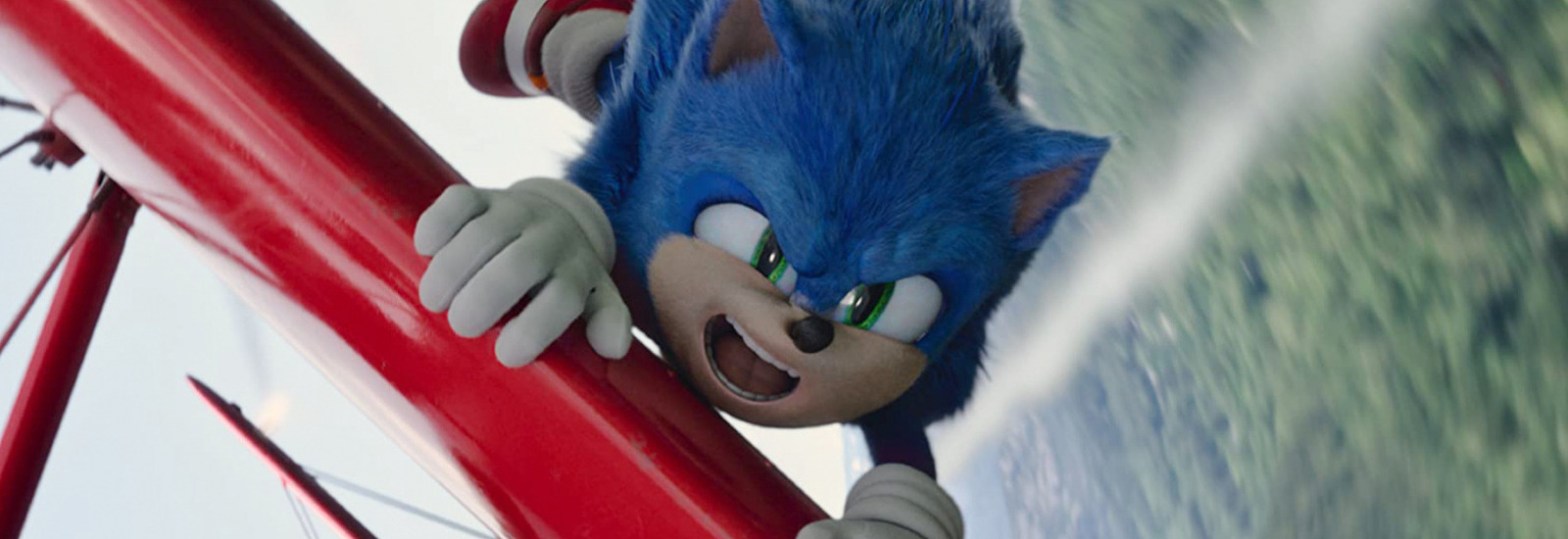
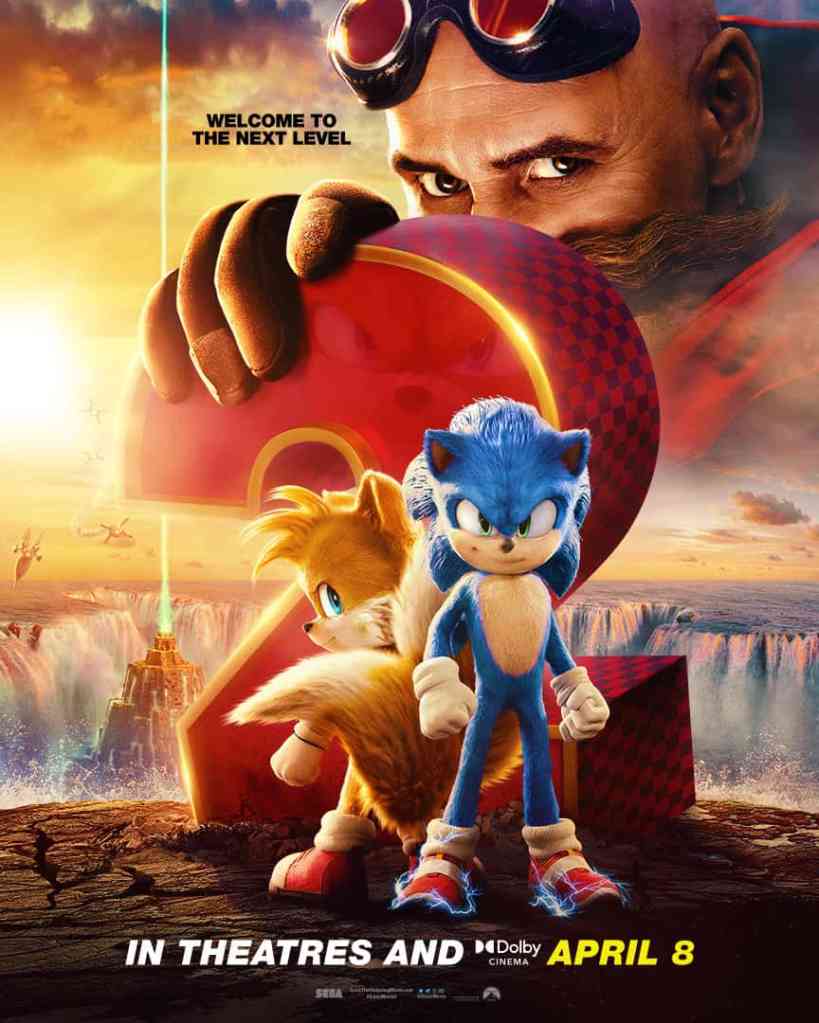


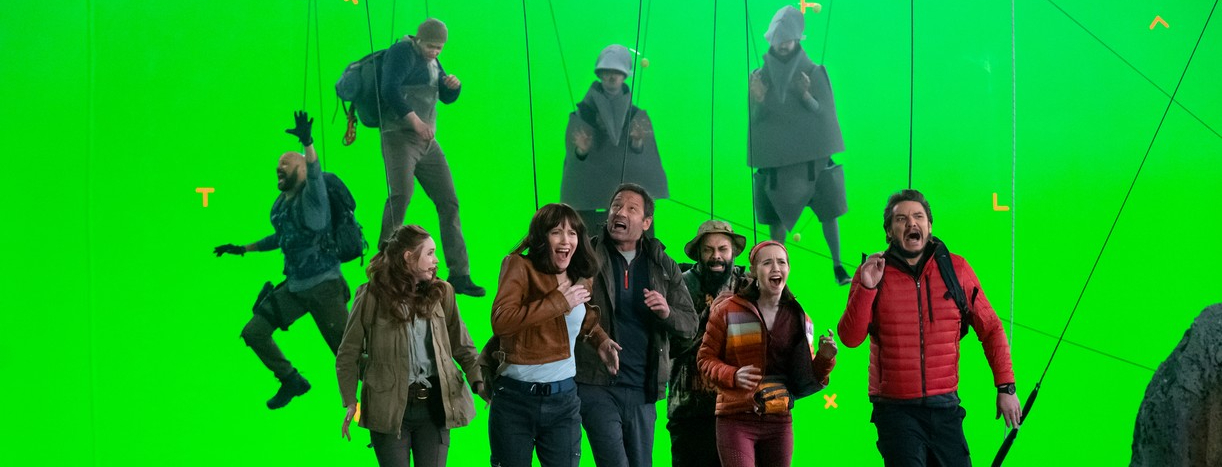
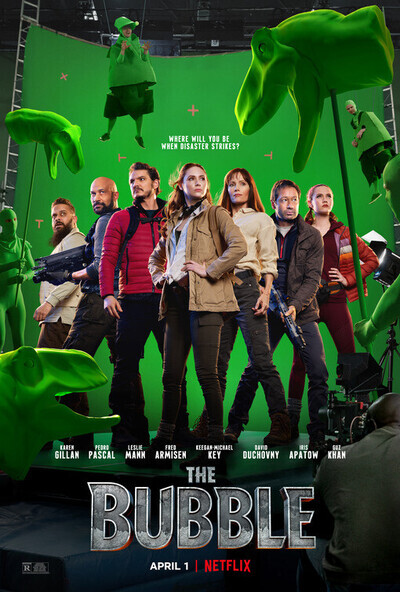
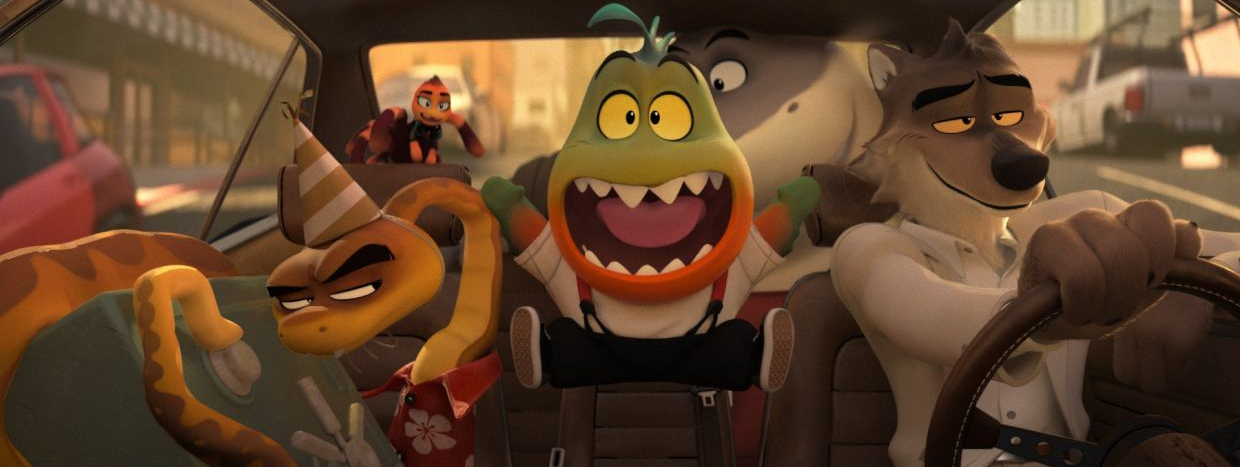
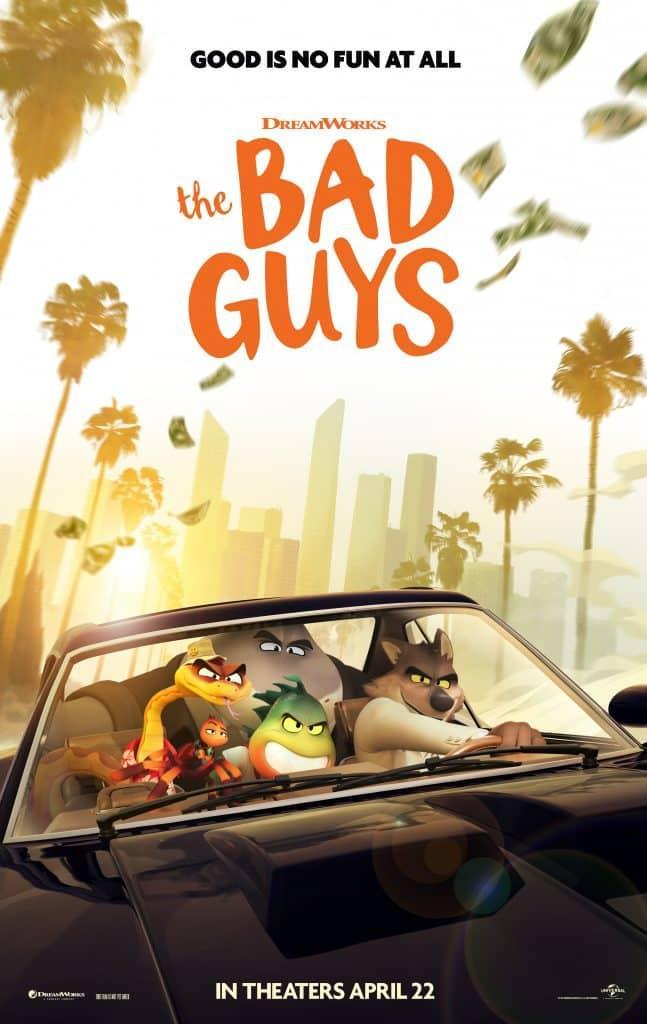


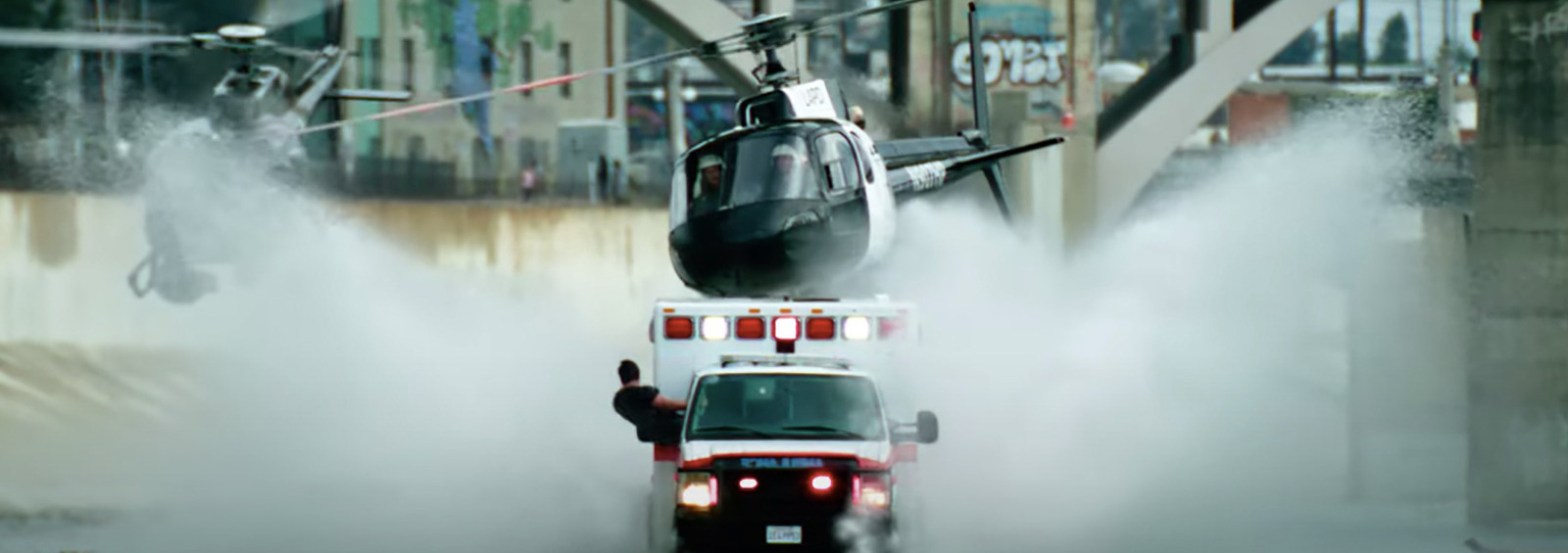
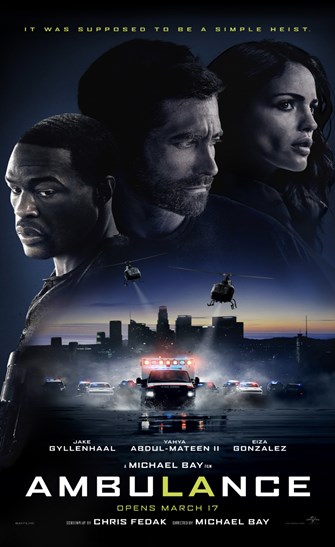
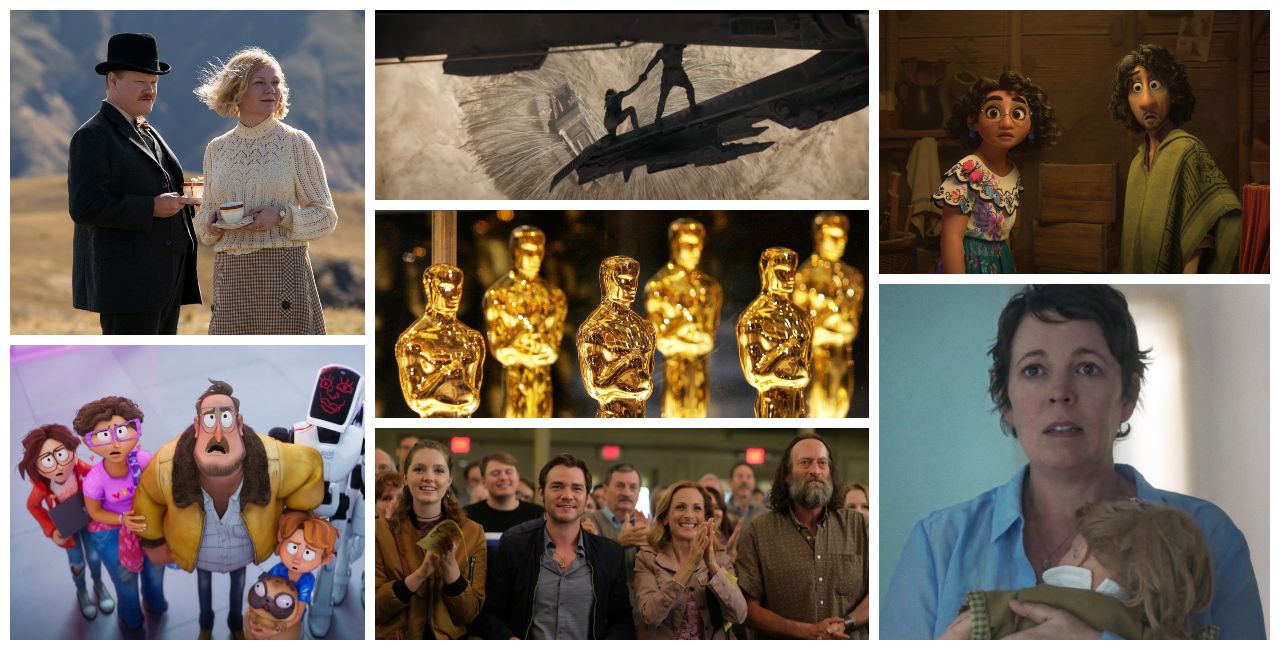

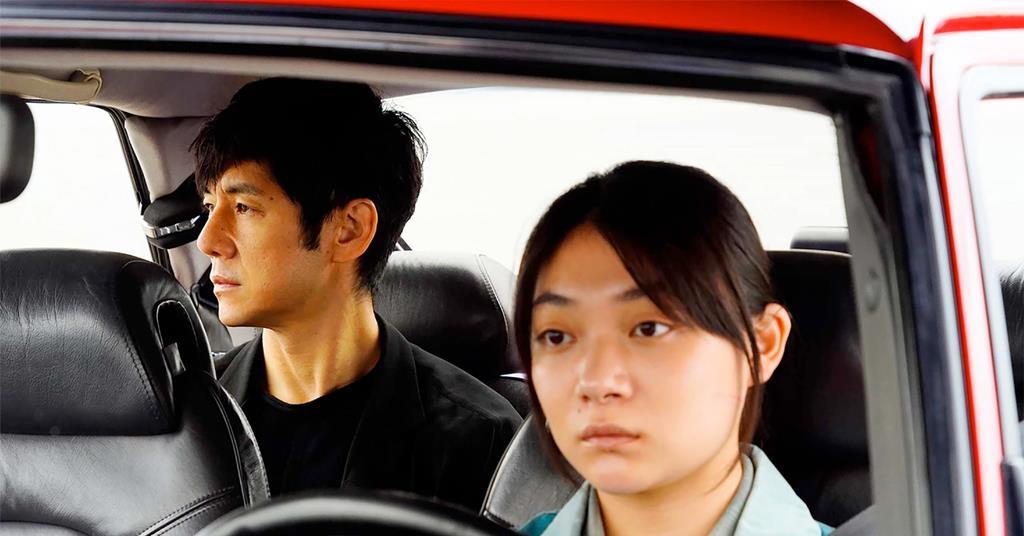
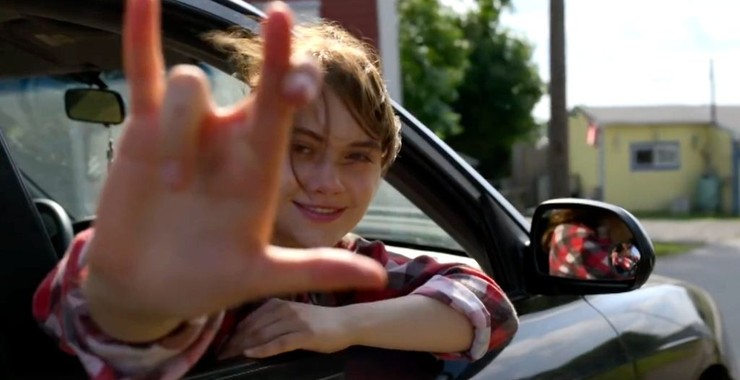
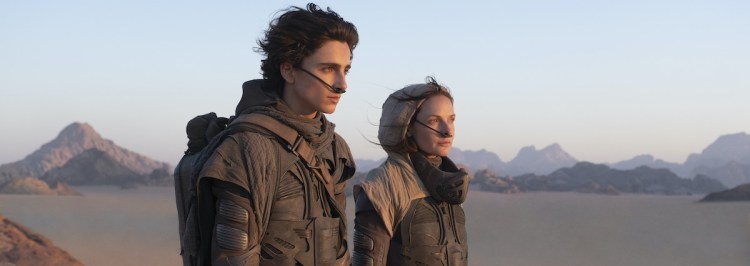
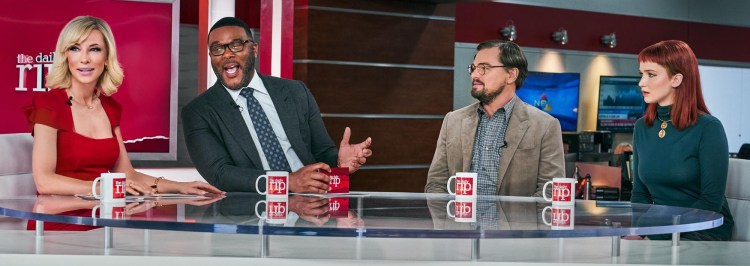
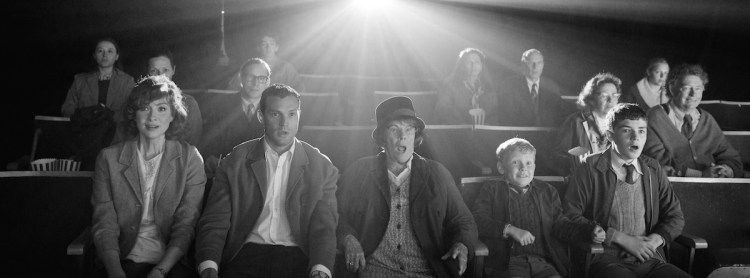
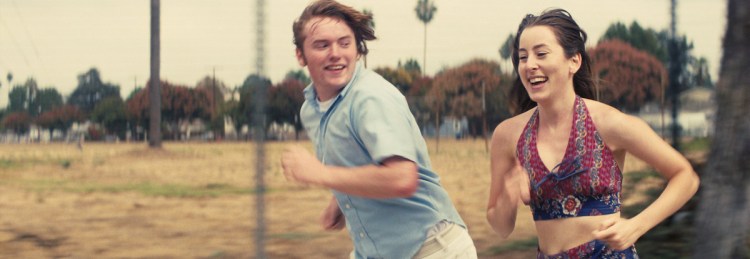
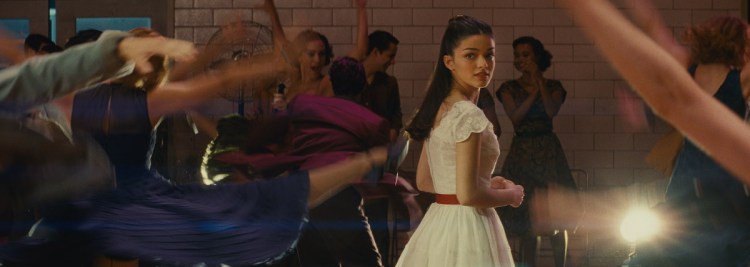
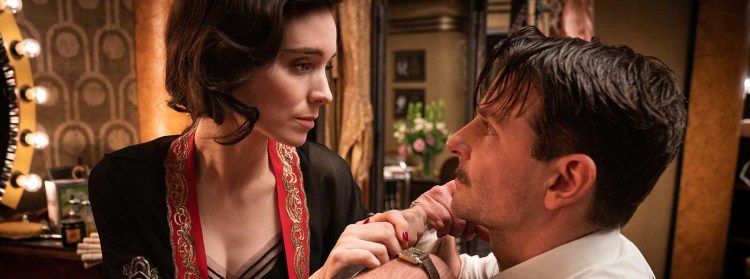

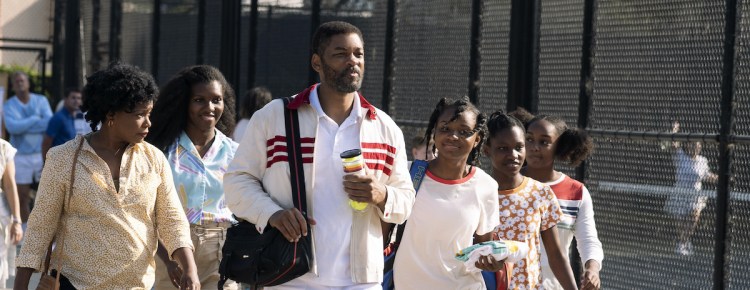
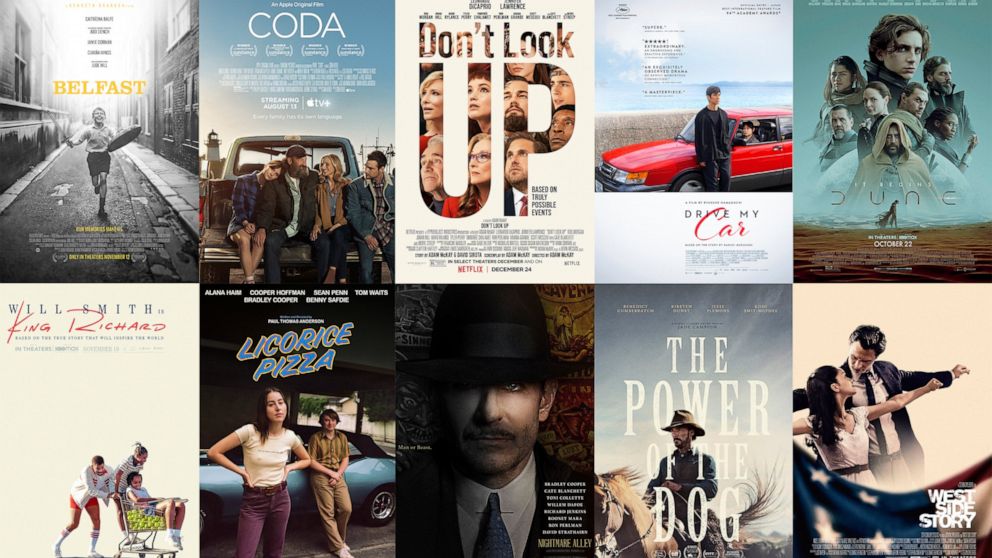
 Just A Little Bit Random