LFF 2022: My Robot Brother – Review

Release Date – TBC, Cert – N/A, Run-time – 1 hour 24 minutes, Director – Frederik Nørgaard

When her outdated, childish robot friend (Lars Brygmann, Kristian Holm Joensen) becomes a source of embarrassment Alberte (Selma Iljazovski) is gifted a new updated model (Philip Elbech Andresen) which is able to do more than any other robot at her school.

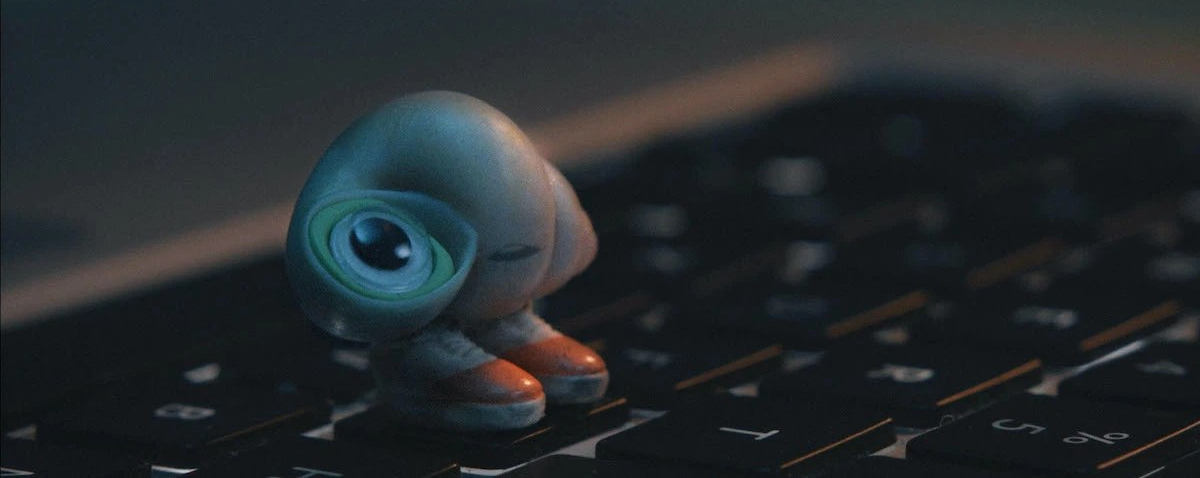
There’s often a clear line between a family film and a kids film. My Robot Brother may present itself as something more for slightly younger kids with its exaggerated nature and stylings, however there’s no denying that the silliness that’s a part of it allows for a good few chuckles for the older audience members. Much of this comes from Robbi (voiced by Lars Brygmann and physically performed by Kristian Holm Joensen), a tall, bulky, patched up brown robot. Looking like a kids toy that’s somehow been zapped with a growth ray he’s a big, clumsy, cuddly character plucked straight from a children’s cartoon. In many ways this is how he’s designed to be, he treats the young girl he’s designed to be the friend to like she’s much younger than she is. In a number of ways, while there may be a fondness towards the childhood robot there’s an increasing sense of embarrassment.

When Alberte’s (Selma Iljazovski) tech-obsessed parents (Lise Baastrup, Kristian Ibler) – almost always in some form of VR space – give in and buy her a yet-to-be-released new model things begin to turn around for her. Konrad (Philip Elbech Andresen) has many abilities which it seems no other robot at school has. He makes Alberte instantly more popular, however perhaps not everything is as it seems. Thus the film begins to travel down some slightly predictable and conventional lines. However, it’s clear stylings and target audience might just give it something of a slight pass.


Although, the bigger pass might be down to the silliness within the film. So many situations are heightened and exaggerated simply for a laugh, with a handful of decent chuckles scattered throughout the film. Sometimes it may not always be with the piece, or only half with it, but there’s still an undeniable entertainment factor present. Much of which comes from the clumsiness and general existence of Robbi. The character who most sums up the tones of the film, reaching the to the younger audience and most demonstrating the ways in which the film clearly doesn’t take itself too seriously.

My Robot Brother may be highly conventional and targeted more towards a younger audience, however there’s enough chuckles within it to help move things along and make for a likable enough piece of work for the time it’s on. Yes, like scene-stealer Robbi things may be a bit clumpy and overdone, but there’s also amusement to be found within this. Things stay relatively engaging and watchable and by the end, particularly with an audience, there are a fair few giggles to be had thanks to the pure cartoonishness of a number of instances throughout. Just sit back, turn your mind off and have a good, slightly absurd chuckle.

My Robot Brother absolutely targets a younger audience, however there’s enough silliness within its conventional narrative to provide a good amount of giggles and amusement for the time it’s on.

Rating: 3 out of 5.

LFF 2022: Casa Susanna – Review

Release Date – TBC, Cert – N/A, Run-time – 1 hour 37 minutes, Director – Sébastien Lifshitz

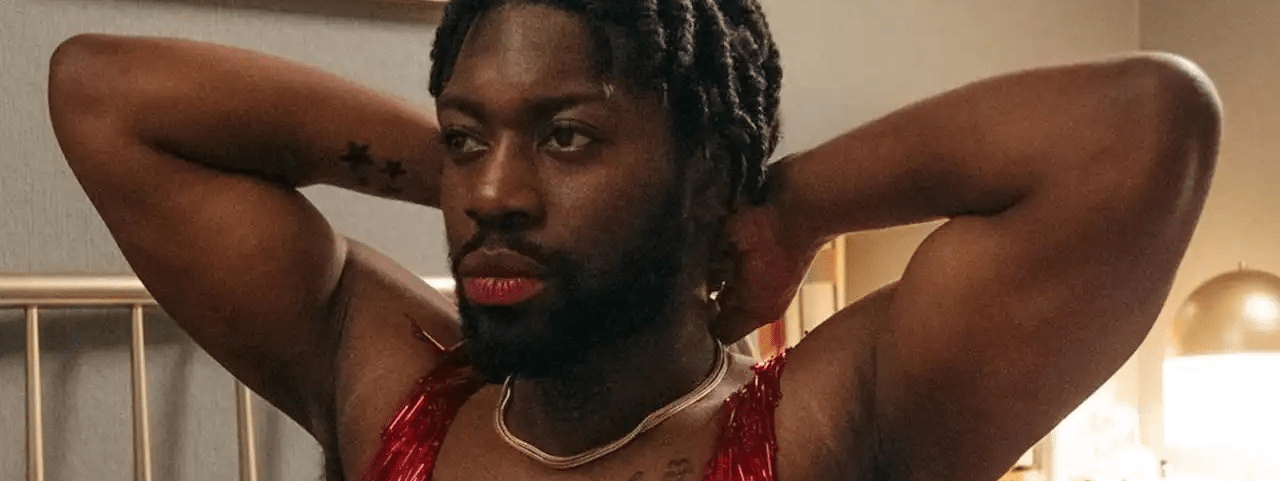
The story of the Casa Susanna, a safe haven away from the rest of society in the late ’50s where people could go to express their gender identity and sexuality.

There’s something of a wistful nature to Casa Susanna’s reflection of the late-50s and early-60s. It comes across in the cinematography of present day scenes where figures who found safety within the small walls of the escape haven re-meet to reminisce and discuss the effect of the titular building. While now slightly washed of colour and surrounded by overgrown grass we see plenty of colour and vibrancy in the images of the past. It’s as if it’s still present for the aging figures we hear from throughout the film.

The Casa Susanna was a place in the Catskills where people were allowed to express themselves and explore their gender identity and sexuality with no judgement. Men would come for a weekend of safety away from the judgement of the outside. Whether gay, transgender or transvestite there was a clear openness and acceptance from all others in the small spaces. The joint effect, and indeed individual response to cross-dressing is referred at one point as an “almost out of body experience. It was so powerful”. We see and hear a number of personal stories with emotional tinges throughout, adding to the overall wistful feel. All helping to push a feeling of celebration and freedom which must have been present within the walls of the central building.

It’s as the film slightly drifts away to the outside world where things become slightly more familiar. Not so much in the responses to certain figures’ sexualities and identities but more the general perception of LGBT people in society at the time, particularly in the cities. It’s around this point where in general the film moves away from focusing on the Casa Susanna as a whole and more on the effects that it had. There’s still interest in such elements, particularly with the hints of celebration which are still present, however there is a feeling of something a step away from the initial focus – due to the bridge in-between – meaning that there’s perhaps not as much engagement as there was beforehand.

Therefore things begin to feel somewhat lengthy – even at only 97 minutes. While not by too much there is the feeling that things could be somewhat cut down, or even put into a short documentary about the freedom of expression provided, with some of the effects. However, for what is present here there’s enough to like and engage with, particularly when it comes to the way in which the film and its participants look back at what were for them the good old days. Yet good old days which continued and allowed them to progress – “it wasn’t that the urge was increasing, but that time was passing” is a key phrase about identity which especially strikes within the film’s themes and surroundings. It’s these elements which bring about the most interest and engagement and allow for the true effect of the Casa Susanna to come through just that bit more.

While it might feel slightly lengthy as it moves away from the titular haven itself Casa Susanna still has plenty of wistfulness to help move it along and engage the viewer in its story of identity celebration.

Rating: 3 out of 5.

LFF 2022: Out Of Darkness – Review

This review was originally published following the film’s LFF screenings in 2022, when it went under the original title of The Origin.

Release Date – 23rd February 2024, Cert – 15, Run-time – 1 hour 27 minutes, Director – Andrew Cumming

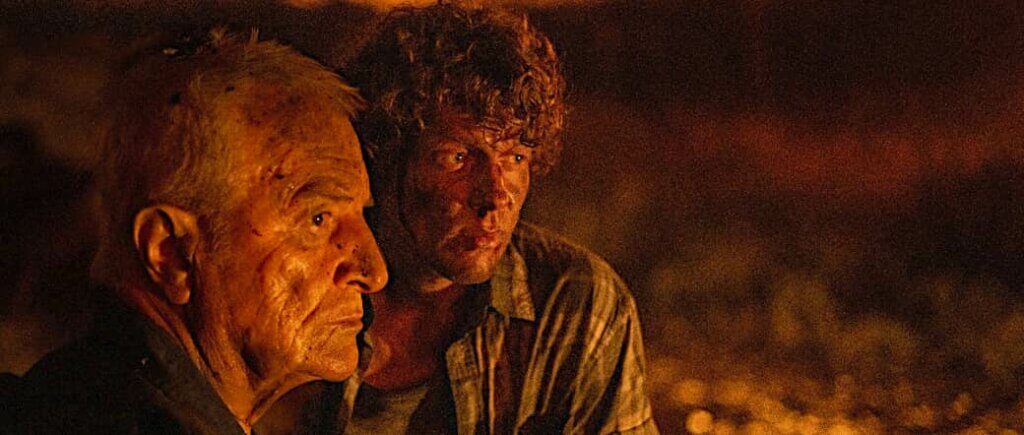
A prehistoric group of early humans find themselves attacked by an unknown force whilst searching unfamiliar terrain for a new homeland.

Amongst the details and visuals leaning into the horror genre perhaps the most effective thing within The Origin is the made-up language which forms the dialogue and conversations throughout the film. Yes, there may be subtitles, but because the language itself sounds so authentic instead of a series of random sounds and noises we buy into the world that bit more and engage with the small tribe of early humans which the film centres on. They’re trying to make their way to a new homeland, however their path crosses through dangerous territory seemingly dominated by an unseen threat which attacks from the mist which surrounds the area.

For the opening stages the film is restrained and stripped back before truly launching into any of the well-handled action sequences and horror elements, especially on the low budget with which this was made; making the most of the natural landscape of the Scottish Highlands. For that you have to admire the film. However, there are occasionally points where the style feels somewhat limiting. Perhaps during earlier instances where we’re witnessing the various discussions between members of the group as they discuss their future and authority. Yet, this admittedly eventually pays off in the second half when the idea of tribal relationships comes more into play. Creating interest as it’s developed more.

It’s also within this half where things turn into a more direct survival film. It’s within this genre where the majority of themes seem to lie and emerge through the development of the narrative. While it might occasionally mean a departure from some of what we have seen before – as they film makes it clear who the real protagonists are amongst the potential twists and turns of the plot – there’s still something watchable and engaging about this slightly new form and what it presents.

Perhaps the biggest drawback is the way in which the film slightly shifts and changes with its tones and elements. While there’s a general air and consistency you can occasionally feel the gears moving to try and get from one to the other. It largely comes through in the key developments and reveals which while helping to keep things moving do sometimes add to the more slow-burn nature of certain instances, again the more character-driven scenes of conversation. Yet, while you might be able to see some of the creases and feel things moving from point to point there’s still enough between those moments, and indeed within them, to allow for The Origin to work for its 87 minute run-time. Particularly when it manages to refine itself and find a more direct path forward.

While you might be able to feel some of the moving parts to link certain points The Origin provides enough interest within the situation the key characters find themselves in, with some good developments, that you’re generally kept in place throughout the run-time.

Rating: 3 out of 5.

Tár – Review

Cert – 15, Run-time – 2 hours 38 minutes, Director – Todd Field

An internationally acclaimed conductor (Cate Blanchett) finds her reckless words and actions coming back all at once.

The groundwork for writer-director Todd Field’s Tár is done in the way the viewer is placed directly into the various extended scenarios which make up much of the opening stages of the film. Whether part of a classroom or coffee shop conversation the camera feels like a conscious witness to the various events which bring us into the world of endlessly acclaimed conductor Lydia Tár (Cate Blanchett). The film opens with an interview which starts with Tár’s never-ending awards and credentials being lifted off before the interview itself begins. From there we see a considered, confident and honest figure not without a scattering of modesty, or perhaps recognition of her own successes compared to other women in her industry.

Whilst teaching at Juilliard Lydia is preparing to travel to Berlin to conduct her interpretation of Mahler’s Symphony No.5. Quickly forgetting about an interaction with a pangender BIPOC student (Zethphan Smith-Gneist) over putting Bach’s music aside from his misogynistic lifestyle. The sequence is one of the longer extended scenes in the film, shot with a one-shot style we move around the room to see the interaction from various different angles, all naturally playing out in real time. It’s a fascinating sequence not just in terms of where it might go in the moment and for the rest of the film but also because of the performances. Blanchett leads with an excellently considered performance as her character’s past, and indeed, present actions gradually begin to build up to come back at her all at once.


When talking to the Berlin Orchestra and conducting them there’s an effusive energy from Blanchett who excellently captures the development and mindset of her character throughout the film, especially in the final half of the film. Matched by Field’s direction which subtly observes and interacts with the events of Tár’s life – especially sitting back waiting for things to kick off as she starts to converse and flirt with new orchestra member Olga (Sophie Kauer), who she intentionally chose to join for this reason. All in front of her wife, Sharon (Nina Hoss) who acts as assistant conductor. The various dramas all weave into each other allowing for a consistent flow to the film which further hooks your engagement and keeps you involved and interested for the 158 minute run-time.

While this might occasionally mean that some of the shorter scenes don’t quite have the same effect, there’s always a longer interaction or conversation around the corner with plenty of things being said and shown within the performances, all adding to the pile that will inevitably fall on the central character. One who you can’t help but engage with and wait to see what happens to her. You may not hate her, but you’re certainly meant to anticipate the eventual turnaround in her life and how she will try to combat it – although nothing will prepare you for a rather scary accordion number. And once that moment arrives the course the film takes is equally intriguing as you wait to see where it goes.

There’s no surprise that people have been asking if Lydia Tár is a real person thanks to the brilliant way in which Cate Blanchett plays her, and Todd Field treats her. Wonderfully developed and engaging in its extended sequences there’s a lot to like about the development of Tár’s investing narrative.

Rating: 4 out of 5.

M3gan – Review

Cert – 15, Run-time – 1 hour 42 minutes, Director – Gerard Johnstone

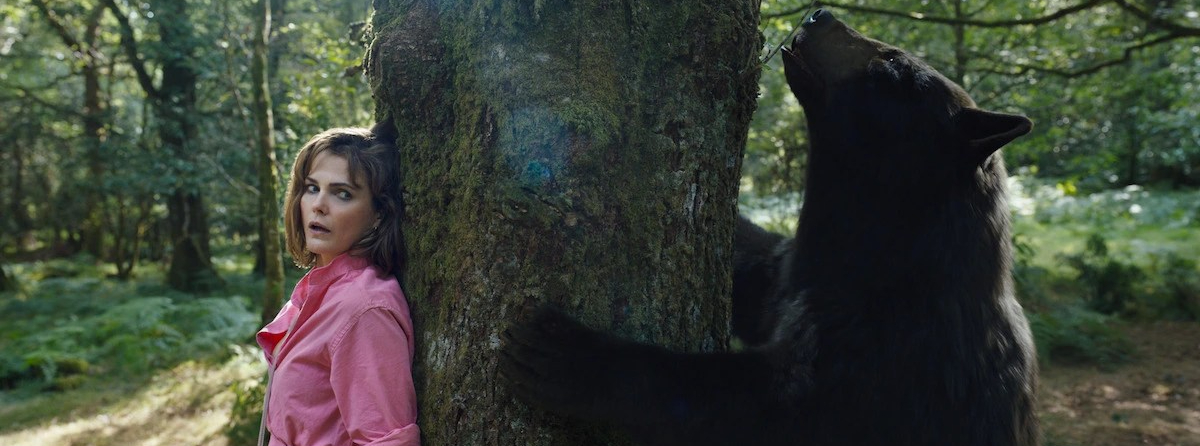
A robot (Jenna Davis/ Amie Donald) designed to be a friend to and protect a child (Violet McGraw) begins to show murderous tendencies towards anyone who comes close to harming her.

Going into M3gan knowing very little apart from the general concept I must admit to having been taken by surprise from the opening five seconds. After the studio logos we jump straight into a deeply accurate advert for a kids toy. However, one with a darkly comic edge as the laughs roll out to an intentionally irritatingly upbeat song about a dead pet being replaced by a new forever friend in the form of a new toy. The toy is created by Funki and can be linked with an app which can interact with the Purrpetual Pet.

However, while Funki leads the market their toy is being replicated by rival companies, at cheaper prices. Engineer Gemma (Allison Williams) is tasked with coming up with a cheaper version of the toy which can be released as soon as possible, however her time has been largely spent putting thousands of dollars into a life-like robot which can learn and develop to communicate with a child as if it were a real person. While initially dismissed by her frustrated boss (Ronny Chieng) the project is put forward for a major launch when M3gan (voiced by Jenna Davis and physically performed by Amie Donald) is shown to be the new best friend of Gemma’s niece Cady (Violet McGraw). “Imagine what M3gan can do for thousands of kids all around the world, even the ones who don’t have dead parents” Chieng’s David enthusiastically says in a promotional video.


When we first meet M3gan (standing for Moden 3 Generative Android) director Gerard Johnstone seems to understand that there’s something inherently creepy about robots. The way in which her mouth can’t make proper shapes and so simply moves unrhythmically up and down when she speaks is the first indication of this. Nonetheless she forms a bond with Cady, her primary user, and almost begins to play the role of guardian for her instead of Gemma, who takes her in when Cady’s parents pass away after a car crash at the start of the film. It also means that she herself isn’t overly monitoring M3gan, only properly noticing how much time is spent with the robot when things need to be altered during development.

One alteration that’s missed is perhaps just how much the robot is willing to protect her primary user. Over time in various slightly distant and clear stages we see her anger rise as murderous intentions are displayed towards anyone who may threaten to harm, or even shout at, Cady. As this happens we see M3gan go from eerie and creepy to a more standard horror villain, although certainly still an entertaining one. It follows the more conventional lines of the film of a robot-gone-wrong story which occasionally come in to slightly disturb the flow of certain moments. While this does form the majority of the piece, and works rather well as a whole, there is the occasional feeling of familiarity which settles in during particular scenes, especially as M3gan’s lack of control increases.

Yet, there’s still enough present throughout the film which works well enough and provides plenty of entertainment factor. There may not be as much humour as the opening stages may suggest but there are still a handful of chuckles scattered throughout. It helps to keep things moving and generally make for a more engaging and enjoyable film. Without it there would certainly be a still watchable and engaging piece of work, however it’s the humour which shows the film knows how to have fun with its ideas and concept, understanding to some extent that we’ve at least seen the broad outlines done in some places before. But, as a whole here there’s plenty to like and enjoy to make for a likable android horror for the time the film is on. One which will, and already seems to have, undoubtedly found its audience.

While it might show some conventional leanings as the titular robot loses some of its creepiness there’s still plenty within M3gan to gain a positive response, both from the restrained horror and the occasional comedy.

Rating: 3 out of 5.

All The Beauty And The Bloodshed – Review

Release Date – 27th January 2023, Cert – 18, Run-time – 2 hours 2 minutes, Director – Laura Poitras

Documentary looking at the life of photographer Nan Goldin through her own pictures, alongside her present day activism against pharmaceutical company Perdue and the Sackler family in relation to the opioid crisis.

“Photography was always a way to walk through fear… It gave me a reason to be there” says photographer Nan Goldin about her life and work. Both encapsulating progressive boundary-pushing attitudes, particularly in regards to her work focusing on the LGBTQ+ community. “Survival was an art” she later states in regards to the creation of a safe space being created for gay people when the streets of Boston became too dangerous. Her activism in the present day is just as passionate as director Laura Poitras follows Goldin and other members of PAIN (Prescription Addiction Intervention Now) protest within prominent museums around the world against the money going into them from the Sackler family. The family who were behind the likes of pharmaceutical company Perdue during the opioid crisis, leading to the deaths of thousands.

In a number of ways there’s almost two different films here. One about Goldin’s life and the other about her current activism. The latter takes more of a standard documentary form while the former sees us taken through a number of Goldin’s slideshows and pictures from over the years, with narration provided by herself recounting her memories – a number of which are acknowledged to have not been much talked about. Both styles work well and indeed have plenty of interest, however occasionally the feeling that you’re watching what could be two different films comes into play, largely in the bridges between each section.


However, the film rarely drops and disengages. Even as its run-time begins to slightly show. It keeps your interest and engagement thanks to the unflinching way in which it treats its subject and the various points that crop up within her life. It’s this attitude which also allows things to keep moving and stay relatively consistent, particularly when it comes to the aforementioned bridges between chapters. There’s almost always some form of development to connect and engage with, particularly within Goldin’s life and the people she finds herself surrounded and pushed by – “I only escape because of my friends” she claims amongst a series of pictures she fondly reminisces over.

Through the work of Poitras and the editing team the cutting attitude of the film is emphasised by a stirring nature to the protest scenes, particularly emotional when you see the push and hear the stories behind the cause, and indeed fascination within strands relating to the likes of censorship – a particular element which moves along with great pace, helped by just how much is shown within it. It’s thanks to moments such a this, and the general force of the film as a whole which fully embraces the bold, boundary-pushing life of Goldin and a number of people who have been part of her life and career. While occasionally things may feel somewhat split both core strands and focuses continue to have strength with plenty to engage and interest.

While it may occasionally feel like its telling two stories, with two different styles, All The Beauty And The Bloodshed powers through with plenty of unflinching stories and details to engage and interest. Fully embracing the bold, boundary-pushing life of its central figure.

Rating: 4 out of 5.

Mat Sheldon ‘The Electricity In Me’ Interview

Writer-director Mat Sheldon joins me to discuss his upcoming short film The Electricity In Me, available to watch online very soon. In the conversation we discuss the likes of cutting away during a to-camera monologue, the work of music on set and opening up a personal story to the cast and crew.

If you’d like to hear Mat’s song requests you can hear them by following the links below:
Let My Key Be C – Nils Frahm and Anne Müller
Love – Mica Levi

LFF 2022: Ashkal – Review

Release Date – TBC, Cert – N/A, Run-time – 1 hour 31 minutes, Director – Youssef Chebbi

When burnt bodies and skeletons begin to appear across Carthage two detectives (Mohamed Grayaâ, Fatma Oussaifi) try to find out the source of what may be an increase in self-immolation.

With each stage of the investigative process that it depicts Ashkal attempts to show the slow, drawn-out process as best as possible within its 91 minute run-time. It’s a slow-burn, there’s no denying that. And sometimes this means that certain elements can feel somewhat disjointed due to the bridges between them and the course that the narrative as a whole follows. We go from focusing on our two leads and the central case at hand to occasionally branching out to look at other, admittedly related, areas that will later impact them and their search for clues and answers.


The figures in question are Batal (Mohamed Grayaâ) and Fatma (Fatma Oussaifi), while there’s a fair deal of discussion between them the film almost seems to focus on their views on the case at hand. We meet them after the discovery of a charred skeleton in the middle of a long-abandoned, unfinished building structure. While initially it’s put down to a case of self-immolation more similar cases begin to crop up, with no known link or source. The more that’s uncovered to do with the bodies the more an eerie sense begins to enter the piece. It’s boosted by occasional elements such as music and the way certain footage is shown and captured – sometimes via a phone or some form of playback – which truly help to capture the darkness that’s at play in something like this.

In fact, while the film and your engagement are sometimes hindered by the slow-burn quality of the narrative the effect of such moments is increased thanks to this factor. In a number of ways it’s the biggest push and pull when it comes to the ways in which the film comes across to the viewer. Especially in terms of the depiction of the relationship between Batal and Fatma, who often feel very distanced from each other, especially in the opening stages as their differences are fully on display, alongside the clear roles which each one plays in the case and work in general. Yet, while occasionally Ashkal might hit some bumps along the way, and create its own distance to the viewer, there’s just about enough present to bring your interest back at certain points to make for interesting viewing, particularly when it comes to the extent of the potential murders that appear throughout.

The slow-burn that constructs Ashkal’s narrative makes for both disengagement and interest. While certain instances feel drawn out of disjointed others have an enhanced darkness and sense of engagement to them helping to broaden out of the mystery taking place.

Rating: 3 out of 5.

LFF 2022: The Eternal Daughter – Review

Release Date – 24th November 2023, Cert – 12, Run-time – 1 hour 36 minutes, Director – Joanna Hogg

A mother and daughter (Tilda Swinton) confront the past in different ways as they spend time in a hotel which was once their family home.

Joanna Hogg’s latest film, The Eternal Daughter, plays out like a personal ghost story. There’s no ghosts present, yet a haunted feeling chills the central figure, Julie (Tilda Swinton), as she paces around the halls and grounds of her former family home. She confronts the past in a much different way to her elderly mother, Rosalind (also Swinton), who largely sits and reminisces as part of a relaxed time away. Swinton is fantastic in the dual lead, effectively creating a true mother-daughter bond between the two central characters.

Rarely do they appear in the same shot; we almost always see them alone. Creating a sense of distance between the pair, further enhancing the later effects of shots where we do briefly see them together. The camera switches back and forth between them as they sit down for dinner, highlighting the natural course of conversation constructed by Hogg’s screenplay. Further conveyed in Julie’s staggered interactions with the hotel receptionist (Carly-Sophia Davies) – who almost seems to be the only member of staff, aside from kindly caretaker Bill (Joseph Mydell).


With each event and interaction the film adds an extra detail of atmosphere to both Swinton’s character and performance, and the surroundings as a whole. While there might not seem to be a great deal of development over the 96 minute run-time it’s the small details which construct the ghostly feeling which plagues the surroundings and what appears to be Julie’s building worries and frustrations. They’re quietly held in but revealed by Swinton’s performance, and the held back details as to why the trip has been made – it’s certainly more than just to see what the old family home is like now. As we reach the final stages everything comes together rather well, with a true effect thanks to the details and techniques which have been built up and demonstrated up until this point.

Like with a number of Hogg’s previous films – primarily The Souvenir – The Eternal Daughter will likely divide the audience. There will likely be a number of people who find it to be slow and drawn out due to the way that it very gradually builds up its small details for mystery and the ‘reveals’ in the final stages. However, for others, myself included, there’s enough intrigue present within the Hammer Horror style confines to engage and push things forward enough to make for an effective not-quite-ghost-story. One which is formed in Hogg’s style and details, and heightened by Swinton’s excellent dual performance.

Made in the subtle details of Hogg’s style and direction, alongside Swinton’s brilliant dual performance, The Eternal Daughter has just enough in each scene to hold interest and keep things moving for an effectively constructed ending.

Rating: 4 out of 5.

LFF 2022: Allelujah – Review

Release Date – 17th March 2023, Cert – 12, Run-time – 1 hour 39 minutes, Director – Richard Eyre

A geriatric ward in a small Yorkshire hospital is threatened with closure, despite the personal connection that the government inspector (Russell Tovey) has with the place.

Perhaps much like some of the characters in the film it’s easy to dismiss Allelujah from its opening stages. It comes across as a generally harmless but enjoyable British comedy with a familiar cast of famous faces. However, as things develop there are a number of truly big surprises along the way as the future of a geriatric ward is put into further questioning.

The ward in question is known as The Beth, part of a small Yorkshire hospital it’s threatened with closure especially when a government inspector (Russell Tovey) starts to look around. However Tovey’s Colin has a personal connection to the place in that his father Joe (David Bradley) is currently a resident of the ward. He, alongside the various other faces staying until they can be sent back to respective homes, is largely tended to by leader of the ward Sister Gilpin (Jennifer Saunders). After multiple years of hard, exhausting work her fellow doctors and nurses, alongside the current patients, are preparing to celebrate, particularly with the presentation of an award – “my service has been admired, there’s no need for the purchase of party novelties” she insists.


Her main priority is continuing to fight “for our right to care”. It’s a point that comes through not just her work but also that of Bally Gill’s Dr Valentine – who we see caringly tending to many of the patients on the ward. Valentine makes sure to build up relationships with those he’s looking after, giving us another glimpse into the ward outside of the ‘who’s got it the worst’ conversations and general bickering. It’s through this that much of the humour comes through, Derek Jacobi in particular is a highlight in this respect and certainly gets a fair deal of focus. It’s evident that there are certainly characters and strands which aren’t quite as prominent as others – even Judi Dench gets a rather minimal, yet undeniably key, role here. However, for what we do get, before things eventually come together, there’s a rather enjoyable piece of work here.

One which, as mentioned, takes a number of highly unexpected turns. Instead of taking you out of the film they instead further hook your interest and bring you along for the remainder of the run-time. Things may lean more towards the dramatic than they had before though, but there’s no denying the intrigue as to how things are going to develop with the various revelations and twists which crop up. All leading to a finale which certainly goes for the emotional punch with a true force. While it remains to be seen how well certain aspects of the film will age (it’s basis and politics are very clearly worn throughout, alongside an undeniably clear pro-NHS stance) as a whole it’s, for now, a rather enjoyable affair which may start off having you thinking you know what it’ll be like and where it’ll go before swerving rather effectively to your greater engagement and interest.

Perhaps, because of the build-up, the film won’t feel like a product of 2021/2 – the film itself is based on Alan Bennett’s 2018 play of the same name after all – as much as it currently might do so close to the time. Regardless, for what it does do there’s more to like and enjoy about Allelujah than there initially might seem. Bringing you into The Beth with the various different faces and characters present who, like the film, have a lot more to show and say than might initially appear to be the case.

While you may settle into the familiarity and ‘you know what you’re going to get’ of Allelujah there’s no denying the dramatic twists and surprises it manages to bring in to further hook your engagement in the later stages. A funny, well-put-together piece of work pushed by the pride that it has in itself.

Rating: 4 out of 5.