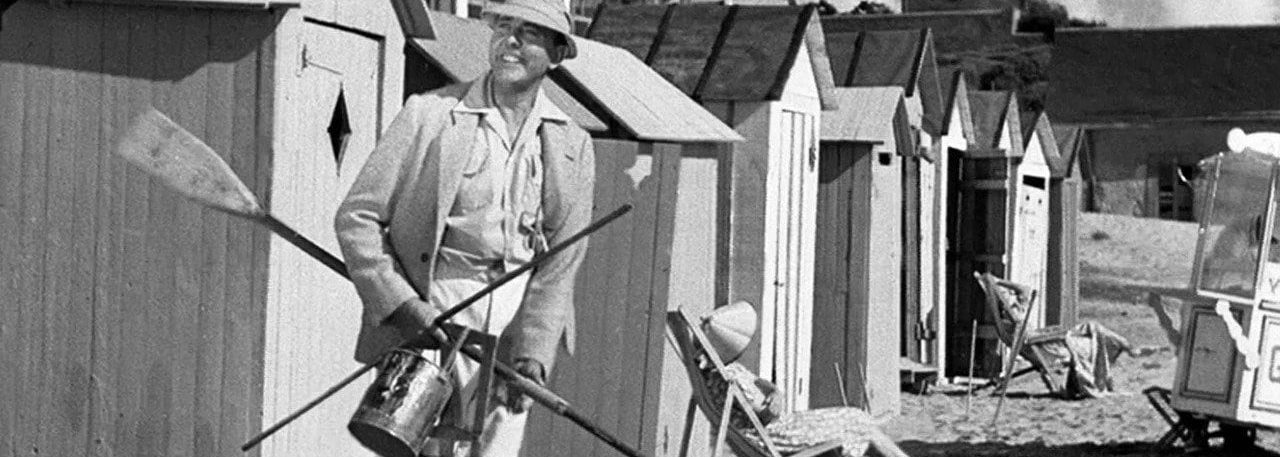
Possibly the most expensive joke in Monsieur Hulot’s Holiday, a film first released in 1953, was inspired by 1975’s Jaws.
I look into that, alongside Jacques Tati’s nostalgic condensing of human life into a French seaside town, in this introduction that I gave for the film in October 2025 at The Little Theatre in Bath. The film was shown in a double bill with The Straight Story, which it is said to have inspired, alongside being a key favourite film of David Lynch’s. This was as part of Picturehouse’s ‘Lynchspirations’ season which they held through the year after Lynch’s passing.
The audio in the video below was recorded specially based on the rough introduction that I had written before the screening.
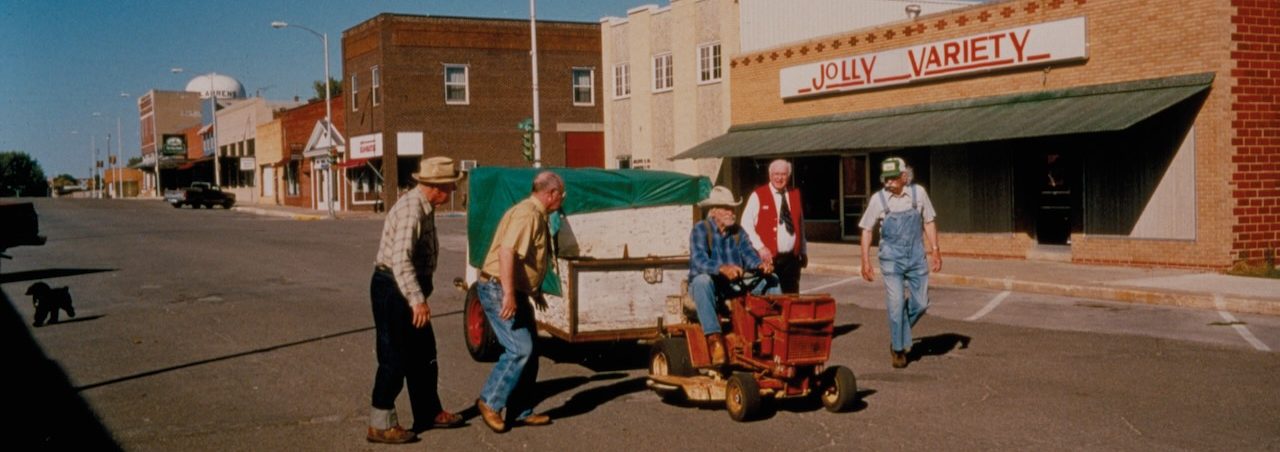
David Lynch famously saw The Straight Story as his most experimental film. Yet, as it shows the director’s love of people and their mindsets it’s thoroughly Lynchian.
Unlike other introductions that I’ve recorded, that can also be found on this website, the audio in the video below was recorded before the actual in-person screening, which might be why it sounds a bit more like I’m just reading from something. However, hopefully there’s still something here.
The screening itself was held in October 2025 at The Little Theatre in Bath as part of Picturehouse’s ‘Lynchspirations’ season which they held throughout the year. In the case of The Straight Story it was shown in a double bill with Monsieur Hulot’s Holiday.
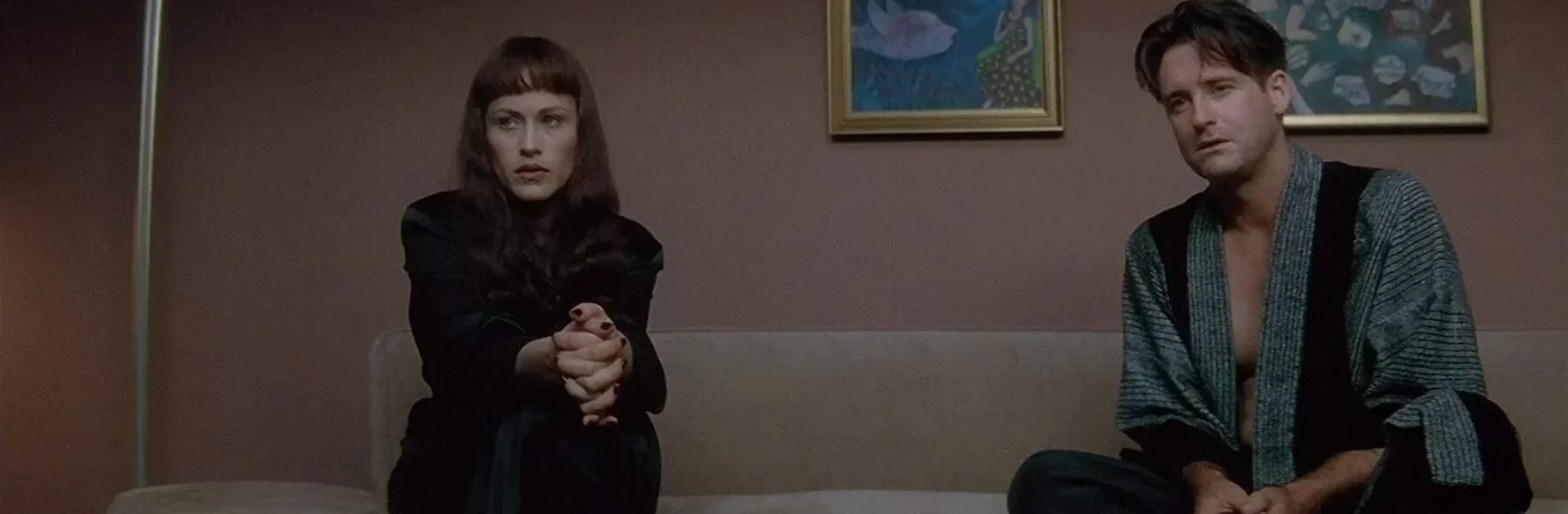
“I want to take this time to talk about three people. Admittedly, one of them isn’t David Lynch. Although, of course, he comes up in his relationship and views of these people. Those three people: David Bowie, Richard Pryor and OJ Simpson.”
Through these three people and the ways in which they each represented different lives I attempt to introduce Lost Highway. This was an introduction that I gave to a screening at The Little Theatre in Bath in September 2025 where the film was shown as part of Picturehouse’s ‘Lynchspirations’ season, where it was shown in a double bill with Alfred Hitchcock’s Vertigo. The audio in the below video was specially recorded based on the rough introduction that I had written before the screening.
Here’s the 1984 interview Richard Pryor gave on Tony Brown’s Journal that I mention in the introduction.
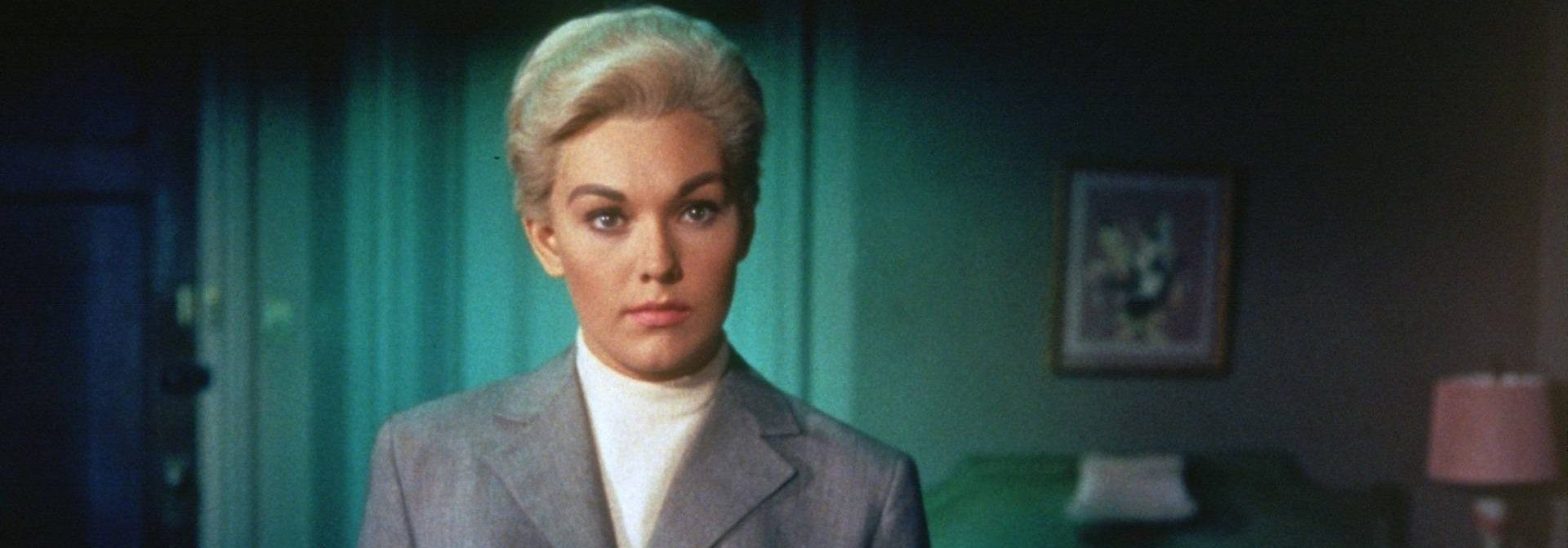
How personal was Vertigo to Hitchcock? In terms of the director’s infamous control over his films, particularly on set, there may have have been a good deal of the director that went into the film.
I look at how that comes through in the cycles of Vertigo in this introduction I gave to the film in September 2025. This was as part of a screening during Picturehouse’s ‘Lynchspirations’ season at The Little Theatre in Bath, where the film was paired as one which inspired David Lynch’s Lost Highway. The audio in the video below was recorded specially based on the rough introduction that I had written before the screening.
You can see the layout of the North By Northwest crop duster scene that I mention in the introduction here.
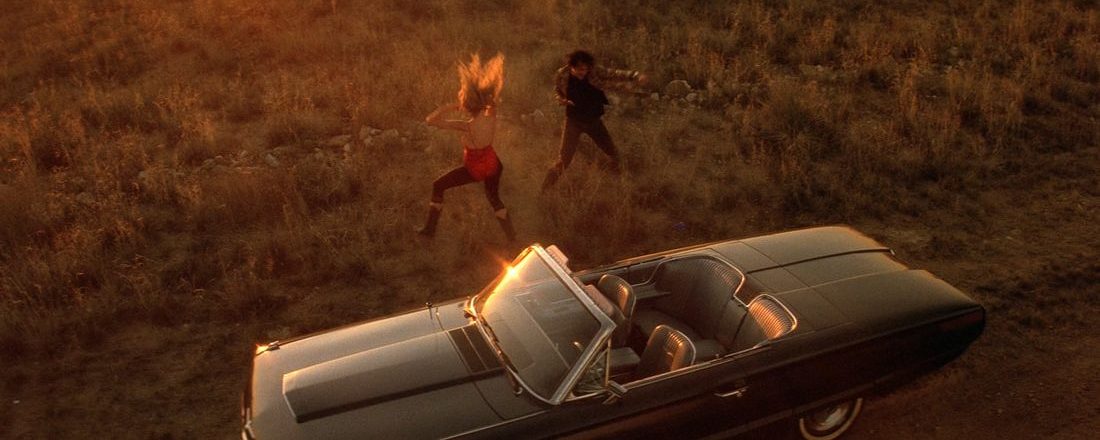
David Lynch’s love for The Wizard Of Oz and its “truthful” nature came most to the fore in Wild At Heart, a film that came as decades-long passion project Ronnie Rocket once again stalled. Falling in love with Barry Gifford’s characters of Sailor and Lula he had to make the film, with one or two changes just because of his love for the characters.
I look into this, and the unrealised Ronnie Rocket project, in an introduction I gave for the film in July 2025 at The Little Theatre in Bath, where the film was shown in a double bill with The Wizard Of Oz as part of Picturehouse’s ‘Lynchspirations’ season that they ran through the year. The audio in the video below was recorded specially based on the rough introduction that I had written before the screening. Links to some of the things that I reference in the introduction can be found below the video embed.
You can watch Nicolas Cage’s classic Wogan entrance and interview about the film here.
The Little White Lies feature, written by Lillian Crawford, that I mention in the introduction can be read on their website.
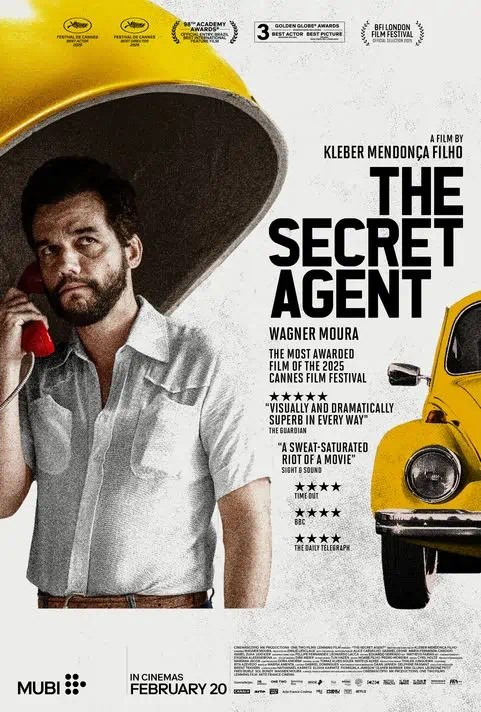
Release Date – 20th February 2026, Cert – 15, Run-time – 2 hours 41 minutes, Director – Kleber Mendonça Filho
Brazil, 1977. To escape his recent past, Marcelo (Wagner Moura) finds himself returning to his distant past in the city of Recife, where multiple lives and identities catch up to him with deadly intent.
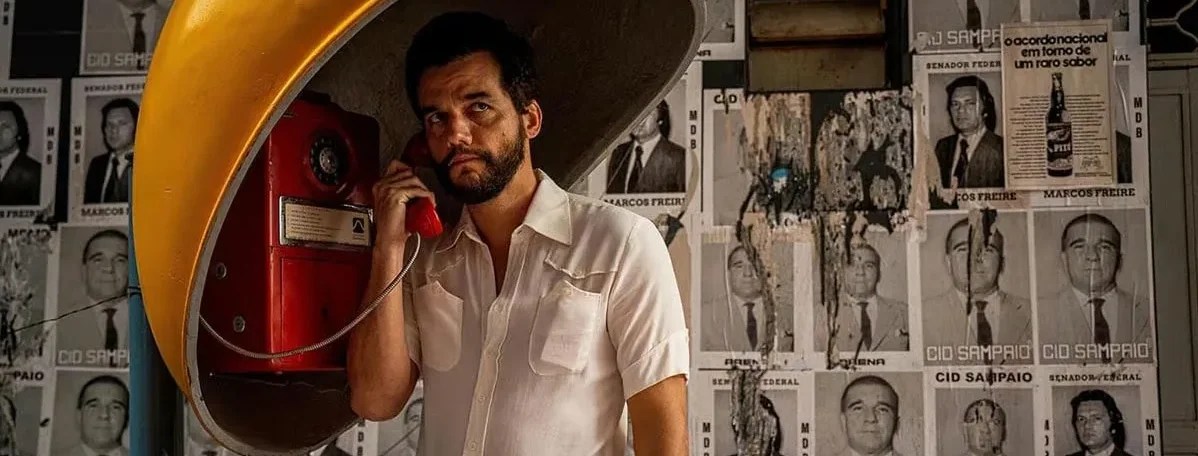
There’s a streak of dead-pan dark comedy in the extended opening scene of The Secret Agent. It could play out as its own short film, but opens the door to a world where murder is left out in the streets to be observed by everyone. Whether as a warning or reminder. Marcelo (Wagner Moura) has parked up at an out-of-the-way petrol station to fill up his bright yellow VW Beetle and sees a corpse covered by a not-big-enough piece of cardboard, the local dogs threatening to consume it before it’s taken away. Apparently a killing by the night shift worker stopping an attempted attack. The police turn up, ignore the body and scan Marcelo’s car inside and out before leading him on his way.
It’s a slow-burn opening but one rich with thematic detail for the lives that Marcelo finds himself caught between as the widower returns to his son (Enzo Nunes) in Recife. having been looked after by Marcelo’s in-laws. He appears to be returning in some ways to his somewhat distant past in order to escape his recent past, involving his work as a professor and the military dictatorship in Brazil, the film being set in 1977. With hitmen after him, seemingly the kind who will work for anyone who asks whether it be government or individual, he finds himself going undercover with quiet revolutionary action with those he lives near.
However, multiple paths start to close in and overlap. Marcelo, or as he becomes known Armando, is increasingly on edge as the overhanging threats that surround him, where anyone could be listening to a phone conversation, or observing it from just across the street, are clear in both his and the audience’s mind. While clocking in at 2-hours-and-40-minutes writer-director Kleber Mendonça Filho and editors Eduardo Serrano and Matheus Farias do an effective job of finding balance amongst the busyness of the gradual narrative. Both in terms of its intentionally slow pacing and the ways in which information is revealed about Marcelo, those he’s working alongside and those who are closing in on them.
Moura provides a quiet performance where the subtleties lie in what Marcelo doesn’t give away. The thoughts that are going through his mind rather than what he’s clearly saying. It’s a performance that lives in the pauses and layers of the character, even in the opening stages before the past that caused him to drive to Recife is uncovered. There are a lot of cogs moving in the background of The Secret Agent to both keep things moving and allow for the consistent revealing of both narrative and character-based details.
It’s a film where much of what is key works quietly to allow for things to move along smoothly, and without feeling overlong. Making for a drama that allows for its elements to come together, with characters and their paths threatening that along the way, with a layered sense of tension-tinged intrigue. Where attitudes to murder, what death can mean and how it’s all observed and depicted come to the fore with effectively internalised thought and emotion from Moura as the events of the film, like the blood and bodies, start to spill into the shakily watched and controlled streets.
Wagner Moura’s central performance is one of internalised subtlety where much of the effect, like the film, is working in the background to keep things consistently moving and engaging in the slow-burn layers of The Secret Agent’s overhanging threat and depictions of murder and secrets.
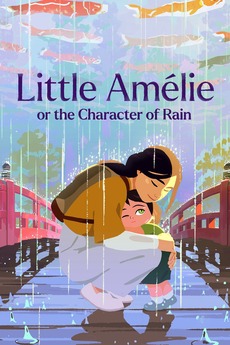
Release Date – 13th February 2026, Cert – PG, Run-time – 1 hour 18 minutes, Directors – Maïlys Vallade, Liane-Cho Han
In the first years of her life in 1960s Japan, Belgian Amélie (Loïse Charpentier/ Emmylou Homs) explores the world through her young interpretation and imagination, growing to understand it through the help of nanny Nishio-san (Victoria Grosbois).
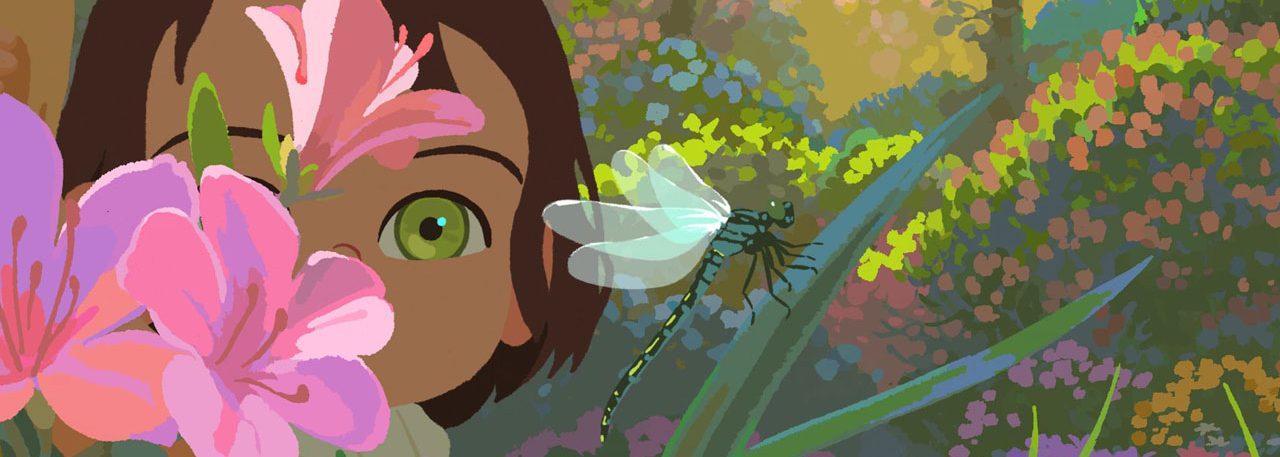
It’s rare that a film scene can create an almost complete sense of calm. Even rarer that that feeling can be induced for 70-minutes. There’s a meditative quality to the hand-drawn world of Little Amélie as we see the first three years of the titular characters life (narrated by Loïse Charpentier as her future self, with in-the-moment dialogue provided by Emmylou Homs) brought to life by colour and her imaginative point-of-view.
She acknowledges that her youth means that she doesn’t always understand the world, or what those around her are feeling, particularly in the wake of bereavement, but through the help of nanny Nishio-san (Victoria Grosbois) understanding starts to grow. There’s an inquisitiveness to the central character, and indeed the film as a whole, as the Belgian toddler explores late-1960s Japan, her world and lust for life awakened after trying white chocolate for the first time. There’s an air of Ghibli to the meditative nature of the avid exploration, especially when around water, whether it be a pond or key effect of rain. Even amongst Amélie’s energy.
For 70-minutes I was transported into the kinetic world of the film. Wonderfully detailed in the vibrant animation which brings so much personality to what unfolds. Accepting early on that the lead character believes that she’s God, born in a vegetative state and observing the world around her until she finds herself able to walk and (try to) talk as someone her age would during an earthquake. Humour and emotion intertwine both caught in the heart that the film is made with and emits in equal measure. The relationship between Amélie and Nishio-san is filled with so much care that understanding of the world takes on a layered meaning.
At times I was reminded of moments of peace in the relationship between the two lead characters in Lilo And Stitch. As when Lilo puts a lei around the chaotic genetic experiment’s neck as he walks around creating havoc in her room. There’s a gentleness to Little Amélie’s very short run-time, but one that subtly gets across its emotional beats and profundity through the view of the central character. The relationships and behaviours that she observes, the loss and rifts experienced – especially between Nishio-san and landlady Kashima-san (Yumi Fujimori) as they discuss the tragedy their families faced in World War II and how that shapes their attitudes and actions now.
Little Amélie plays out as a film for adults from a child’s perspective. With its PG rating, it’s one that young people can watch, and will undoubtedly find something in, but there’s another layer of maturity in the way the world is realised, and adapted from Amélie Nothomb’s autobiographical novel The Character Of Rain. One that adds to the emotional aspects displayed in the warm embrace that the film creates in its visuals and style. From start to finish I found myself utterly entranced and in a state of pure calm by it. If this isn’t one of the best and most affecting films of the year, 2026 will have been a brilliant year for film.
With echoes of Ghibli in the lively animation and calm thematic exploration, Little Amélie is 70-minutes of pure, inquisitive calm that subtly deals with its mature aspects in accessible, humorous and emotionally in-tune style.
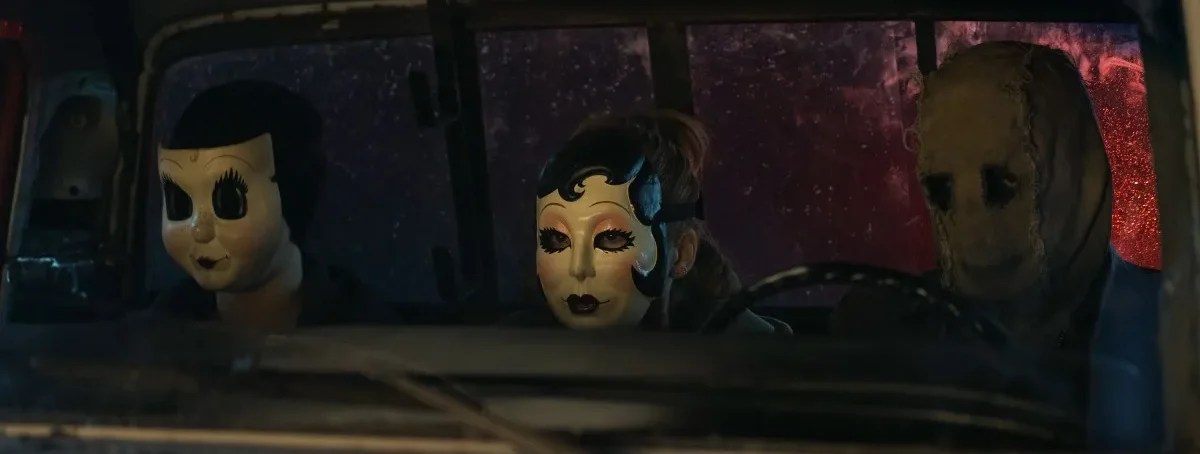
With the masked group of strangers hunting her down with more personal anger, Maya (Madelaine Petsch) finds herself caught between escaping and taking them down from within.
It’s been suggested by producer Courtney Solomon that this trilogy of Strangers films was intended to be more of a character study of the titular killers. However, when the idea is that they’re strangers with no real motive you’d expect that to be difficult to do. Yet, as we arrive at this third and final instalment in the Renny Harlin directed story not only do we seemingly dive headfirst into the identities of the killers there’s less fear and tension than there was in the dampness of the previous instalment. It’s hard to study ‘they kill because they just do’ when you don’t go any deeper than that.
When acting as stripped back slasher flicks The Strangers franchise has worked the best, I remember liking the solid chiller that was 2018’s Prey At Night, and the first chapter of this trilogy wasn’t too bad, either. But, when things are broadened out and become something of a repetitive chase the narrative proves not quite more of the same but rather less but the same.
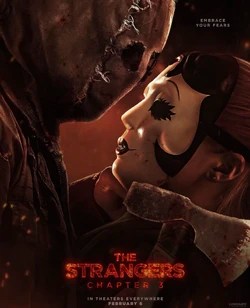
Madelaine Petsch’s Maya finds herself still fleeing from the group of masked killers as their anger towards her grows more personal. Yet, while they manage to kill everyone near her in constantly-cut-away-from lack of detail she manages to escape with increasing bloody gashes across her face, even if very little has happened to her. However, as more is pieced together about who the group are via multiple flashbacks, largely there to just have some more killings; failing to get into the psychopathic actions and attitudes at hand, she finds herself potentially having to get closer to them to have to take them down – see the posters and trailers where she’s hidden behind one of their masks. An idea which the film feels very unsure what it’s meant to do with it beyond it having been a good idea or image when initially assembling the story.
There’s potential for a look at random evil and the darkness that comes as part of that in The Strangers, it’s slightly in the first film but very light in the mainstream slasher vein of things. However, that potential is far away in Chapter 3 as there’s a slight hop into a very shallow puddle. Moving along with a set of repetitive and increasingly dull interactions that start to feel more copy and paste than recycled. Even the movements of the killers seem to be the same with each murder. The pattern of behaviour we see developed over the years is a monotonous one with seemingly very little development. Yet, Maya’s responses still seem completely random. Among many unfortunate consistencies in this trilogy one of the biggest had been the many utterly stupid decisions that characters have made in each of them.
The more Chapter 3 goes on, although like the previous two instalments its run-time is kept to 90-minutes, less when you take off the lengthy credits, and the more it seems to try and do with its titular group of serial killers the less it actually seems to do. It’s so caught in trying to be a direct, mainstream slasher that it doesn’t allow itself to have room for much else to happen, in a film that already doesn’t have a great deal going on. Constantly shooting itself in the foot as it moves away from the elements that at least make for more passable viewing.
An apparent character study with no character to actually study amongst the over-repeated kills and events throughout The Strangers: Chapter 3 which is both less and the same as it removes the blind, unknown evil of the titular killers.
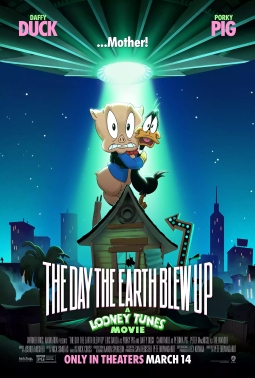
Release Date – 13th February 2026, Cert – PG, Run-time – 1 hour 31 minutes, Director – Pete Browngardt
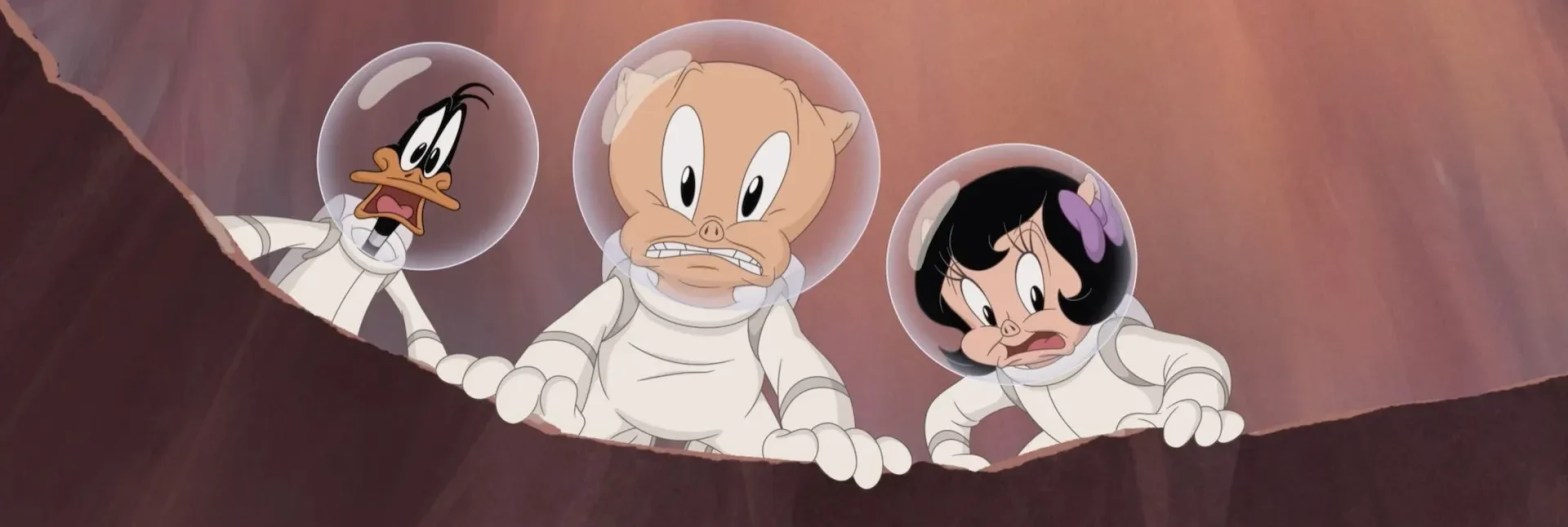
In order to fix their roof Daffy Duck and Porky Pig (both Eric Bauza) get a job at a bubble gum factory, which uncovers an alien invasion plot that soon only they can stop.
The first fully-animated, fully-original cinematically released Looney Tunes film has had a bit of a journey to the big screen, particularly here in the UK where the film will finally grace screens almost a year after its eventual US release. The franchise appears to have been in trouble at Warner Bros, particularly after everything that happened with Coyote Vs Acme, but if The Day The Earth Blew Up is anything to go by that treatment is nothing to do with quality.
There’s a true Saturday morning cartoon feel to this film which, while holding a relatively simple plot, avoids feeling like a stretched out short. Linked to the style of the Looney Tunes Cartoons series the film doesn’t focus on a large ensemble of recognisable characters and instead is led by the duo of Daffy Duck and Porky Pig (both Eric Bauza) as they try to save the Earth from alien invasion, uncovered by them after getting a job at a bubble gum factory to pay for a new roof for their ramshackle home, or else face eviction.
Linked to the Looney Tunes Cartoons TV series the film fully embraces the chaotic antics that you’d expect from these characters. Slapstick, misunderstandings and pure silliness are all on display in the bright, colourful 2D animation. There’s nothing flashy about the style, seemingly intentionally so as the filmmakers appear to want to simply make a Looney Tunes film, and succeed in doing so.
As the leading pair are observed by antagonistic The Invader (Peter MacNicol) – who seems to be inspired by The Emperor’s New Groove’s Yzma in both look and behaviour – there’s plenty of loud chaos on display from both sides, and chuckles to go with them. Yes, it might sometimes feel like there are beats put in to slightly pad things out to 90-minutes, fellow pig Petunia (Candi Milo) is introduced to help the pair uncover and combat key details about the gum as an insider at the factory trying to develop a new flavour, whilst acting as a love interest for Porky, but early on can feel like a plain aside from the humour in order to move things along. But, overall there’s a consistently amusing nature to the film.
One that takes influence from 50s sci-fi B-movies, as suggested in the title, but doesn’t go towards homage or full parody, the case for this film is more inspiration than anything else. It allows for enough to be happening around the characters to push them forward so that things don’t feel either too distracted or bogged down, or as if the film is full of padding. The plot itself is kept fairly simplistic, and that’s no bad thing, and moves along with a good deal of chuckles and amusement to see it through with its chaotic cartoon style that gets to the heart of Looney Tunes – even with a nod to the shorts that started things off early on as Daffy and Porky search for a job that they can keep. This is pure, silly cartoon entertainment.
Embracing the chaos and antics that makes Looney Tunes what it is The Day The Earth Blew Up manages to avoid feeling like an extended short as it makes for an amusing 90 minutes of Saturday morning cartoon entertainment.
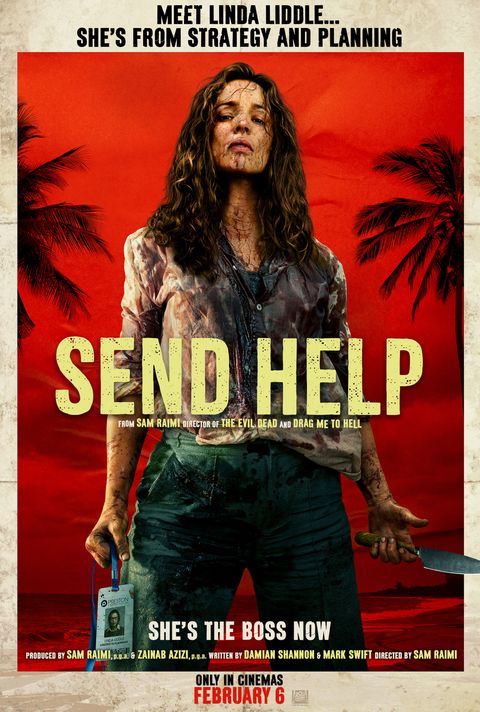
Cert – 15, Run-time – 1 hour 53 minutes, Director – Sam Raimi
After a plane crash a hardworking but overlooked employee (Rachel McAdams) leads the survival of her and her domineering new boss (Dylan O’Brien) on a small island until help arrives, if it ever does.
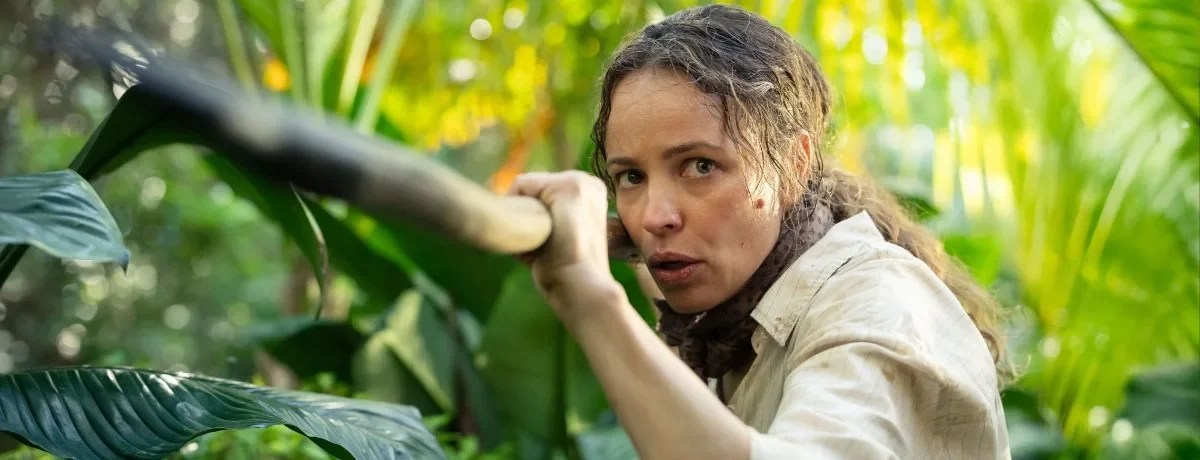
Just as you may be wondering whether Send Help is really a Sam Raimi movie the plane crash sequence arrives. The camera, still until this point, starts racing around the hurtling, and depleting, shell of the decreasingly airborne vehicle as people and furniture inside it start to be pulled out to their, occasionally bloody doom. Shock, humour and tension lie in the sequence that leads strategy and planning worker Linda Liddle (Rachel McAdams) to be stranded on an island somewhere near the Gulf of Thailand with her arrogant new boss Bradley Preston (Dylan O’Brien), having just taken over from his father who had promised Linda a promotion to company VP.
The pair conflict early on in a set of office-based exchanges which sit comfortably in tongue-in-cheek cliché. Raimi and his cast play up the conventions, particularly Linda’s slightly awkward character; the glasses-and-cardigan-wearing lady who sits at home each night watching Survivor with her pet bird. It’s all part of the way the build-up to the eventual crash is leant into. Before McAdams can show off her character’s survival instincts – hinted at in the wide array of survival books on her shelves at home – and Raimi turns the film on its head with a good handful of blood splatters. Each making for a true big screen audience experience.
Hunting, fights and fending against the elements are all on the agenda and each is viewed with a wry smile from the director, and also his two leads. A hunt for a boar makes for an entertainingly grisly exchange with plenty of blood and snot on display. After already being exposed to the sensory side of things in the heat, and downpour, of the island this proves to just be a taster of things to come as a true exposing to the elements begins.
Linda leaps into her expertise and survival instincts while her boss – who she reminds they’re not in the office anymore – lies injured and believing that a large sign for help should be made instead of foraging for food. However, one proves better at maintaining strength than the other in their respective views on what should be done, and indeed one appears to be enjoying the experience much more than the other. As the two continue to conflict in the new light their dynamic is caught under there are a good few chuckles to be found in the egotism of O’Brien’s character. Particularly finding strength in the film’s second half.
McAdams’ proves a consistent force from start to finish, capturing the madness and yet focus that comes with Linda’s being on the island. Balancing tension and humour in a number of confrontational scenes where she suggests that she could be just as much of a threat as she can a help towards Bradley. Throughout she’s as aware of what’s going on as the film is. There’s a self-aware tone to much of what we see, yet one that still manages to create some truly squeamish images which induce audible gasps and winces, amongst some sometimes briefly distracting CG.
Things power along with deliriously entertaining force as the effects of the island have their respective impacts. A predictable third act development doesn’t even cause a major stumble as the battle for control continues to play out, and one that had a big smile on my face on a number of occasions from the pure enjoyment of it all. Even during the bloodier moments, and those which had me letting out slight yelps at one or two details and sequences, I couldn’t help but grin at the fun there was to be had with the self-aware, tongue-in-cheek nature that the film holds. Especially with Raimi behind the camera and the commitment of McAdams and O’Brien. Send Help is pure, grisly entertainment.
Inducing laughs and audible winces, Raimi and his two leads are fully committed to, and succeed in, making Send Help a deliriously entertaining and enjoyably grisly survival tripwhich turns itself on its head more than once.
 Just A Little Bit Random