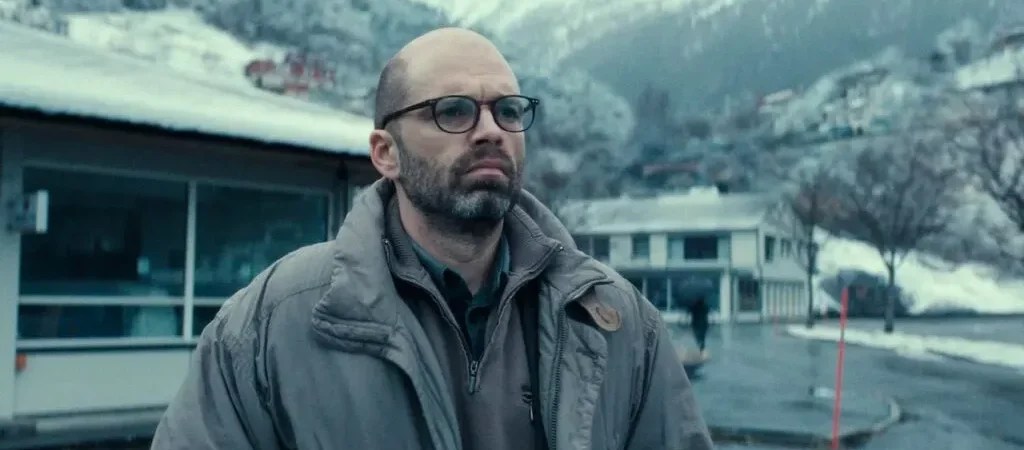
Release Date – 13th November 2026, Cert – 15, Run-time – 2 hours 26 minutes, Director – Cristian Mungiu
Devout Christians Lisbet (Renate Reinsve) and Mihai (Sebastian Stan) move from Romania to Norway, where they face the judicial system and have their children taken away over accusations of child abuse.
I’ve never had an emotional, or physical, response to a film as like I had to Fjord before. As the jovial music of the credits began I sat staring directly at the screen, computing the sudden wave that had hit me like a full-speed truck. I had to get up, needed to. Rushing out of the cinema and to the nearest Tesco my aim to just buy some emergency comfort food. Whilst looking for a box of Jaffa Cakes amongst the aisles I found myself tearing up in anger, physically shaking over what I’d just seen. Post-purchase, breaking back out into the streets just off Picadilly Circus I just wandered amongst them processing what I’d seen, still utterly furious. A few weeks on, I still am.
This year’s London Film Festival had multiple films that, for me, were summarised as ‘what you bring to it, you get out of it’ Fjord was undoubtedly one of these and landed its true effect in its very final shot. For the most part I sat thinking that Cristian Mungiu’s film was really good, at times great. As devout Christian parents Lisbet (Renate Reinsve) and Mihai (Sebastian Stan) fight the judicial system of the Norwegian former’s home country, having moved back after raising their kids in Romania for a number of years, after allegations of child abuse – when the school notices bruises on eldest daughter Elia’s (Vanessa Ceban) shoulders – I found myself getting angry at times. As Stan’s stern father figure stands up to testify in court his answers, stance and stare combine to make one of the most terrifying scenes of the year.
The case gains public attention and leads to protests, as the question about what’s abuse and what’s merely conservative values comes into play. The turnaround that reveals the core plot is really well handled, leading us initially into something that walks a tightrope between mystery and a firm decision as to Lisbet and Mihai’s actions – both wonderfully performed by Reinsve and Stan who remain largely reserved, particularly the latter, throughout, yet clearly set on getting their kids back and proving their love and care for them. There could be an air of mystery to the film, and some may find that flowing all the way through. I don’t quite think the film asks the questions that it wants to ask, and it certainly isn’t out to give answers, but there’s no denying the emotional response it got from me. And not from it being bad, but because of the directions the film takes, the reasons characters give as to their actions.
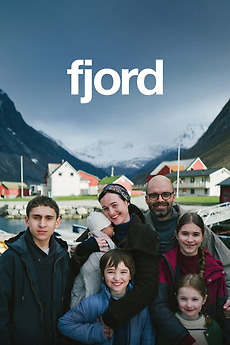
It seems clear that the film is critical of the Norwegian child welfare services, it certainly seems to have been viewed that way in the country itself, but I think there’s still room to understand what those representing them in Fjord are doing, and why. It’s in part what brought out that fury in me having watched the film, seen where it led its characters, and where some were allowed to go. Mungiu, and editor Mircea Olteanu, build this up in the serenity of a cosy village on the edge of a freezing river, the surroundings capped with frost or snow; brilliantly captured by Tudor Vladimir Panduru who places you right in the middle of the muted conversations flying from door to door. The narrative and characters are specifically manipulated to get a reaction from those watching.
It’s totally understandable why some have been more lukewarm, or purely negative, on this year’s Palme d’Or winner, and, again, for the most part I sat and generally thought the film to be really good until the final stages struck with the full effect of what I had just seen. It’s a film that on reflection I’ve thought about all the tinkering that’s done, the objective details in the characters that can backfire and be seen a completely different way to how the film may want you to see them. What’s brought to it can be taken from it and that’s certainly the case for me, admittedly from quite a personal standpoint. It’s masterful dramatic tinkering that builds up and creates fear, upset and anger throughout, much of it revolving around the parental leads who still make you feel throughout almost two-and-a-half hours as if your response to the verdict they face could go either way whichever one is given.
There’s a bluntness throughout the film, particularly the dialogue, and while we see familial units and expressions of love and care there’s never a real sense of warmth amongst them. Matching the surroundings, and yet lacking the scenic appeal. Fjord twists round as puppet-mastery plays out in the unfolding narrative of the Gheorghiu family. It hand a striking effect on me that still arises when thinking about the film. I’ll see it again, perhaps tentatively, that fury is still there. And all as an effect of how the film plays with the audience’s emotions and connections from start to finish, unpacking its brief opening scene and line of dialogue.
A brilliantly tinkered with set of perspectives shifts Fjord throughout and makes for a quietly emotionally gripping drama with upset, fear and eventual fury, largely stemming from the performances and blunt dialogue of the two leads, particularly Stan on blistering form amongst the scenic frosty surroundings.

