Release Date – 6th November 2026, Cert – 15, Run-time – 2 hours 39 minutes, Directors – Javier Calvo, Javier Ambrossi
War, music and plays have an effect across multiple generations of interconnected gay men at different points in Spanish history.
“I’m not going to intrude on your heart, but outside this door you have to be what you’re meant to be.” The words of blunt advice passed on from father to son as young Carlos (Milo Quifes) is sent out the door of the family home to a meeting that will affect his future. One that sees him refused membership of a high-class casino for rumours in town that he’s gay, which he continues to deny.
While these words spoken towards the opening of La Bola Negra capture much of the film’s views of hiding for the expectations of society, and personal sides of art such as plays, poetry and music, Carlos’ segment is briefly glimpsed in the first half. Instead we switch more often between grandfather and grandson. Sebastián (Spanish musician Guitarricadelafuente throwing himself into the physicality of the role), made to act as a nationalist soldier in 1937 amongst the Spanish Civil War, placed as a guard for prisoner Rafael Rodríguez Rapún who he quickly forms a bond with, and in 2017 former playwright and historian Alberto (Carlos González), who comes across pages from an abandoned play known as La Bola Negra (The Black Ball) in his late-grandfather’s possession.
The stories weave and compliment each other greatly, holding in different ideas of concealing a true identity of passion, but in very different periods. Music and art play a key role in the film, and one key sequence in the later stages – resulting in a screen of blinding snow – set to a track by Guitarricadelafuente and Raül Refree called La Nieve, hopefully a big awards contender next year, adding a strikingly emotional punch to the sequence at hand. It’s helped by the greater bringing together of the three strands, with Carlos’ starting to play more of a role in the other two stories as we learn more of his context and just why he’s present in this story. It takes some time for this to come together, but eventually makes more sense why this is the case and when the central characters feel more like a trio of joint stories there’s a stronger push to the themes at hand.
There’s tragedy, the opening sequence is an unflinching shock. And there’s a sense throughout from the characters less of solely internalised emotion, but withheld. Unwantedly and painfully so. Yet, there are beats, particularly from Alberto’s research and discoveries about his family’s past, that – in contrast to disputes and treatment from his mother (Lola Dueñas) – bring a sense of release; an open acknowledgement of passion and identity, perhaps something validating about his life and work, especially in a conversation during a brief appearance from Glenn Close. It works amongst the emotional swings the film goes through, and the pain of not being able to properly express love and gay identity felt by the other two parts of the generational trio, particularly in the scale and grandness of the closing stages, sweeping us further into the strong visuals.
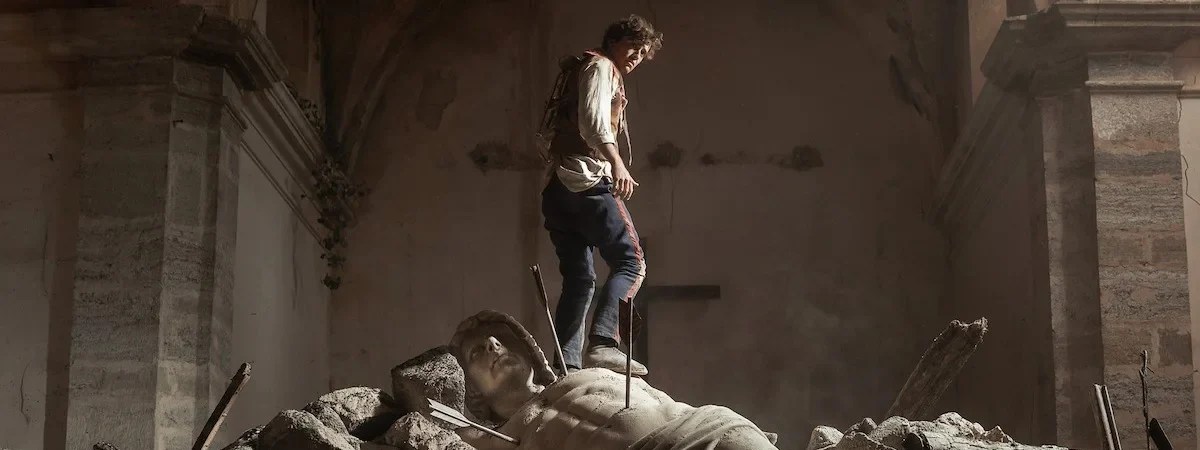
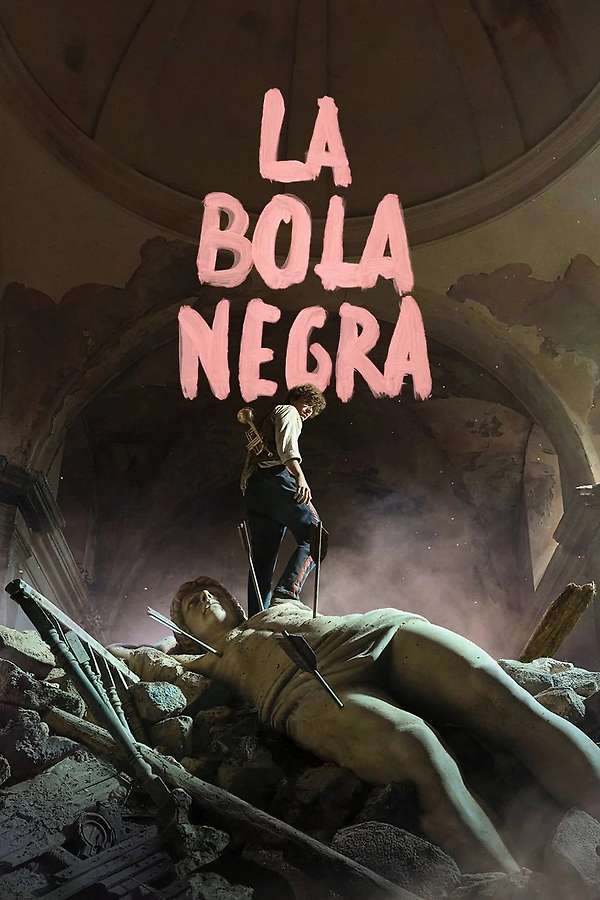
Throughout there’s a film packed with visual detail from the production design to the cinematography, making the most of the big screen while maintaining the personal side of the story and a sense of isolation that the characters feel. Heights play a key part of these, between mountains and a tower of rubble and statues characters feeling dwarfed by their surroundings plays a big part as the score swells or the written or musical form allows them to exist more as themselves.
There’s a grandness to much of La Bola Negra. The sound, visuals, performances and pure personal nature for the characters as they each hide part of themselves in some way. It delivers in the montage sequences, and strong intercutting of the narrative strands in the final hour; where the score and music as a whole lands just as much of an impact and brings more to the themes of art and identity at play and both the withheld and powerful emotions naturally living as part of them.
Grand in scale and how it approaches its themes of art and identity, La Bola Negra makes big emotional swings and they pay off thanks to the eventual joining of the three narrative strands, pushed by a set of strong performances from the three leads.

