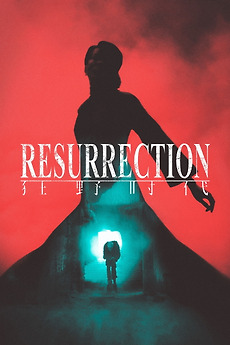
Cert – 15, Run-time – 2 hours 36 minutes, Director – Bi Gan
In a world where only a handful of people still dream, those that do are called Deliriants and hunted down to prevent their dreams from leaking out and harming the longer lives of those who don’t.
Over the years, if something has had a hazy, down-to-interpretation narrative it may well have been referred to as Lynchian. Much of what gets labelled to this simply doesn’t make sense. Where the term if less used is in the dream-like nature that the director immersed himself in so much. Famously he loved dreams and the power they could have, the sides of reality they could contrast with and show. A love of dreams and what art can say fuels writer-director Bi Gan’s Resurrection, a film deserving of the Lynchian label.
Set in a world where the majority of people have chosen not to dream to extend their lives, those who still do are known as Deliriants, with hunters sent out to kill them in case their dreams leak out and cause harm to others. Jackson Yee plays one of the last ones left, already slipping away a projector is set up in his mind by a hunter (Shu Qi) so his last moments can be lived through dreams, visions and film styles and genres of the past. Opening as a silent film with dialogue cards and plenty of texture in the production design to fit the era we move through the decades from there with just as much attention to detail. Immersing both the Deliriant in the different roles he takes on and the audience.
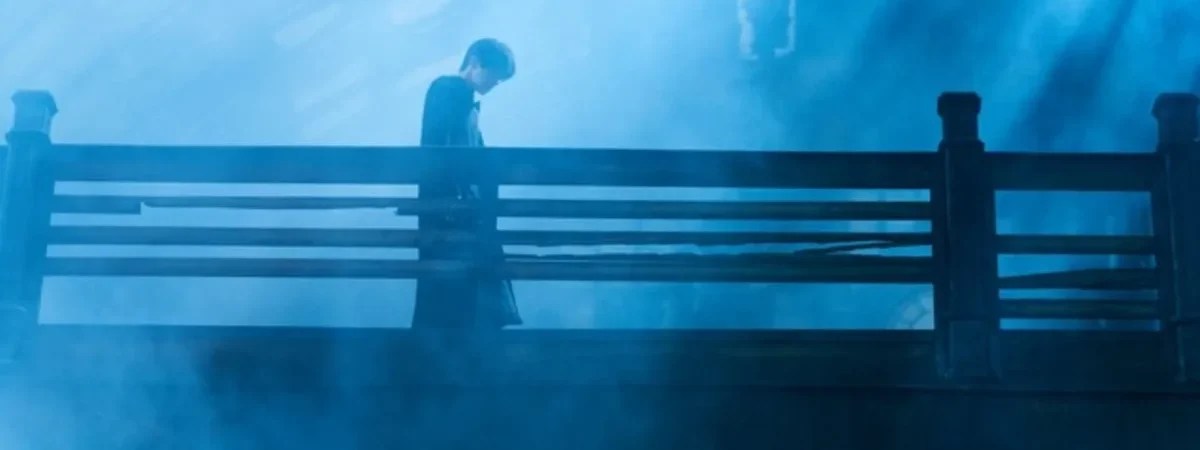
Chapters play out to capture the six senses of Buddhist thought (the five basic sense and mind). There’s something personal and solemn about each one. A feeling of something closing for the last time, the shutters being pulled down as if a soulful farewell to cinema. Yet, Bi avoids negativity or a downbeat tone. Instead, he celebrates dreams and the power they have. How they can transport us, how we can identify with them and not be completely mindless by having them. It’s a film about the power of dreams and film. One rich in their ability, and in just how it shows this.
The design of each location we visit, each story that unfolds is striking from both cinematography and production design. While there can be a slightly long feeling to the just over two-and-a-half hour run-time there’s a continuing emotional undercurrent to the segments and the lives the central Deliriant takes on – Yee plays each lead role in the stories while the faces of those around him change, he’s dropped into each film and scenario. Experiencing the emotions alongside the cast of the films the projector shows. Bi’s film is as much about feeling as it is dreams, the pair go hand-in-hand, those who don’t dream are blank-faced, turning in unison in the opening stages to stare at the camera in empty judgement for it continuing to look to the fading silver screen.
Some have referred to Resurrection as a love letter for film’s deathbed, David Ehrlich fittingly said on Letterboxd that if you told him this would be the last movie anyone ever made he wouldn’t be surprised. It’s a look back at cinema, at film and dreaming and a push for the power that it holds without mentioning the busyness of the modern day, the instancy of smart phones and on-demand. Because it’s not about that, it’s about cinema and the ability to feel and dream. About connecting. And Bi shows this with an occasional wooziness that doesn’t flood with sentimentality. Visions flash before the eyes of the Deliriant, a flicker of frames. We get to live in them for a little bit at a time and know for us they aren’t fading just yet.
A Lynchian set of filmic dreams, brought to life with precise production design and cinematography, and a woozy, if slightly lengthy, look at our connection with cinema and the world around us through dreams and the emotions they create and understand.
 Just A Little Bit Random