The 2025/26 awards season has truly highlighted the changing face of various awards bodies and their voters. Even before this year’s Oscar nominations were announced blockbusters, quiet indies, horror, foreign language titles and plenty of tales about the healing power of art appeared to be in equal contention. Yes, a number of titles may have cropped up more regularly than others before wins started to be handed out, but if there’s one thing precursors have proved its the existence of an underdog and that an unpredictable race is still alive.
Awards season may have seemed to last longer than usual this year, but there’s no denying that in the last couple of weeks it’s developed into an exciting one with many races feeling as if they could go in any direction, including Best Picture. Once again ten films are battling it out on Academy members’ preferential ballots to be named the best film of 2025 (by US release date). And so, let’s take another annual dive into the nominees’ chances at taking home the top prize on Oscar night and trying to work out which one may be the one to claim it.
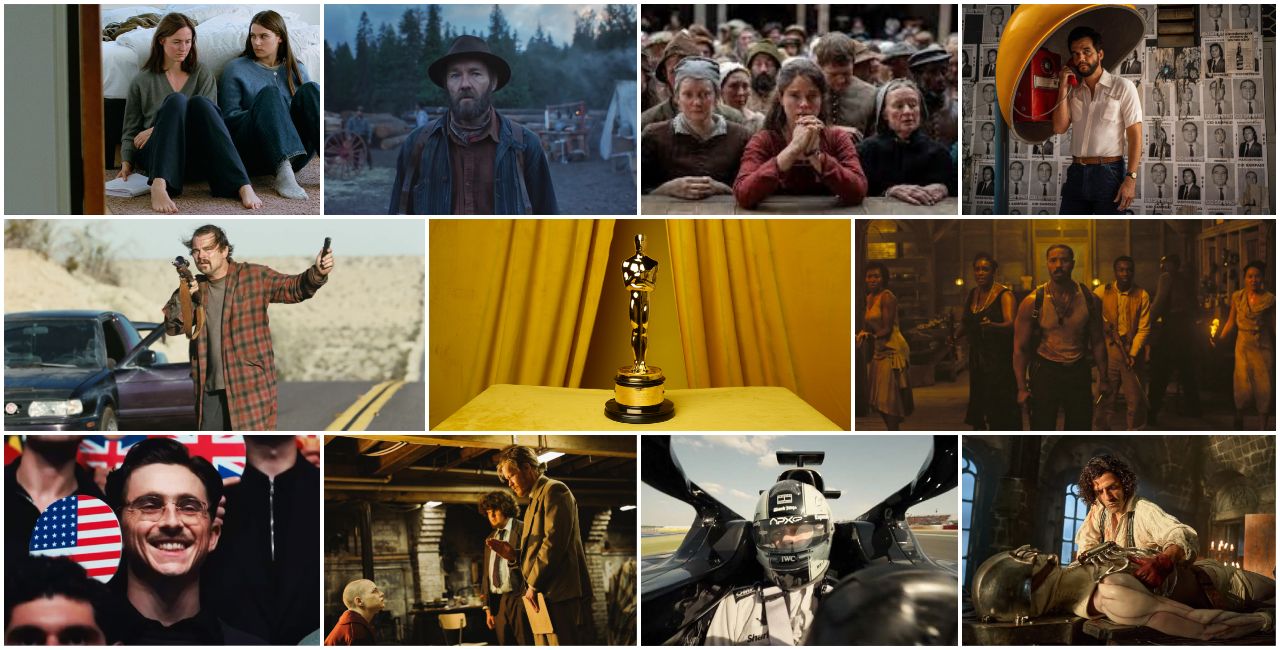
Films acclaimed by critics and audiences, box office hits, bold stylistic films, genre flicks (particularly horror), each of these the Academy has embraced more and more over the last ten years and Sinners encapsulates all of them. Some of them have always been present in the Best Picture mix, others more recent appearances since the expansion to ten nominees, and bringing in of more younger voters. Regardless, Sinners is not just one of the most talked about films of the year, having kept up its momentum, and if anything increased it, since its April release date but one of the most prominent forces in this year’s awards season.
A genre film such as this getting any nominations is usually something notable, just think back to The Substance last year, but to get a record-breaking 16 nominations is something else. And, unlike The Substance, Sinners isn’t a body horror film, which can turn some voters away. There’s certainly blood and horror on display in the vampire action, but it also has themes present in other fellow Best Picture nominees this year about the power of art and music. Much has been said about the ways in which Ryan Coogler’s film, which is a frontrunner in multiple categories including key indicators such as Best Original Screenplay and Director, looks at creative industries through its genre lens and alongside being a highly praised film it may well have resonated with a number of voters. And the film is far from the weirdness of Everything Everywhere All At Once, which won Best Picture with its thematic elements wound into everything that flew around throughout the multiversal madness.
With a key win for the top prize at the Actors Awards, and Michael B Jordan picking up Lead Actor in a further shake-up for that Oscar race, there’s clear love for the film from the Academy’s biggest branch (by quite some distance). Add to that the love shown by many other branches leading to its many nods and there’s a strong show of support from across the board that hasn’t led to accusations of it being overblown, as Emilia Perez faced last year with 13 nominations. Over almost a year Sinners has grown and grown and shows no sign of stopping. Warner Bros and the cast and crew of the film have hit the campaign trail hard and maintained that celebration of the film, and filmmaking. It’s something that’s very likely to resonate with a lot of voters, alongside the film being great and could see it being another bold winner of the Best Picture Oscar.
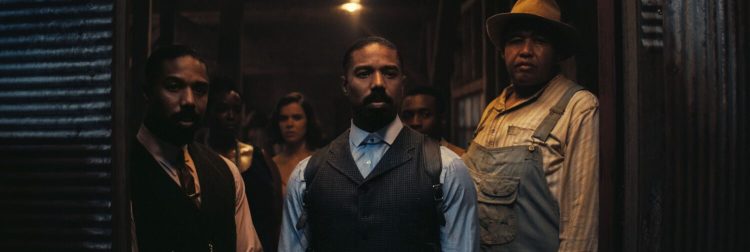
With Sinners leading the way and Weapons earning Amy Madigan a nomination for Best Supporting Actress, one of the closest races of this year’s ceremony, Frankenstein was also included in many lists pointing out the surge of horror in this year’s Oscar nominations. While it may not be the most horrifying of the nominees it slots into the genre, and comes courtesy of past Academy Award winner Guillermo del Toro. With a win for The Shape Of Water and his take on Pinocchio (in Animated Feature), and a Best Picture nod for Nightmare Alley, del Toro has quickly become an Academy favourite and this passion project has been well embraced. Although, it could be argued by some that if he’s won Oscars in the recent past, and had multiple nominations since, this latest film might be passed over in favour of something else (a reason that comes up annually from some voters).
While it may not have key Directing or Film Editing nominations, and seems to be slightly behind in the Adapted Screenplay race there is a key nod for Jacob Elordi’s supporting turn as The Creature – one of the key roles in the story getting notice like this suggests that a key emotional arc in the film had an impact and may be remembered beyond the performance that helped form it – and a number of appearances in technical categories where the film appears to be a frontrunner, if not locked in. The look and feel of del Toro’s films are so key to the atmosphere they create and effect that they have, and the recognition of that could indicate strong immersion and, again, effect from the world and film.
When looking at possible acting winners it can help to look at Makeup And Hairstyling, the Academy love a transformative performances, especially helped by makeup. Elordi and Frankenstein ticking both boxes and an effective transformational performance can bring weight to a film and the impact it has on voters. If there’s weight in one category it may be more in the minds of voters already leading it to be more present for something like Best Picture. Although, it can also be pointed out that it may not be overly present in minds due to not appearing at all key precursors, although perhaps rising through the ranks over time.
Yet, what might help the film the most is the fact that Netflix haven’t barraged their campaign. In previous years, almost every year, they’ve been criticised for doing too much and turning people away from their nominated films causing them to lose (see Roma, The Power Of The Dog, Emilia Perez – amongst many other issues that came up with that film) however, with Frankenstein the campaign has very much focused on the film and filmmaker, speaking passionately about the story and artform, rather than ‘Netflix desperately wants an Oscar’ (and they REALLY do). A more genuine campaign could help the film out, and it is true that to a fair extent campaigning is a big part of awards season, unfortunately perhaps more than the films themselves at some points.
But, with the story of The Creature having had the notice and impact that it has, and the filmmaking side of things being pushed from a beloved creative, Frankenstein could find its way to top prize on Oscar night.
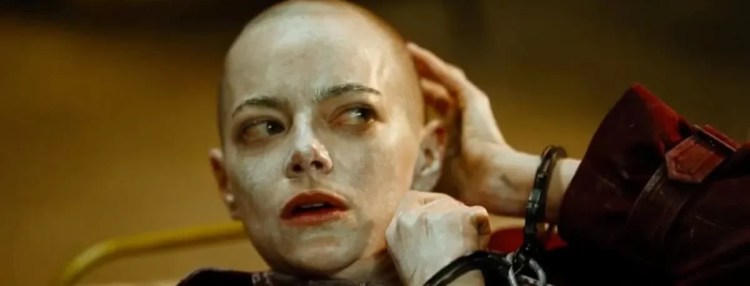
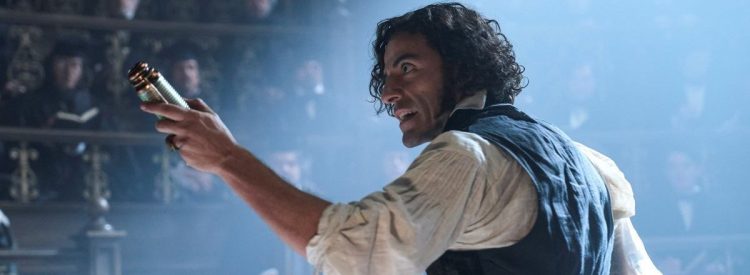
Genre, weirdness, genre weirdness and unique style. Sinners and Frankenstein have nothing compared to the unlikeliest of Academy darlings, Yorgos Lanthimos. Lanthimos’ strange, off-kilter style has once again succeeded in obtaining a Best Picture nomination, this time in the form of Bugonia. Lead Actress Emma Stone has also received another nomination, so soon after her win for fellow Lanthimos feature Poor Things, showing her to be the beloved Academy force we already knew her to be.
There were some who doubted Bugonia’s nomination chances after a somewhat more muted reception compared to his previous films, although those who love it have truly loved it and gone out to bat for it. And with the way it plays with ideas of modern day conspiracy theories in the form of Jesse Plemons’ character (Plemons not having received a nomination despite nods at precursors such as SAG and BAFTA) there’s certainly a good deal of modern day relevance for voters to find – even if the ending itself has divided people, which could hold the film’s chances back.
Lanthimos has generally been a divisive filmmaker, even within the Academy. He may be able to create stylish worlds with his creative production team, but the wins for his films have largely been for the acting performances, even with stronger contenders. Even in the case of Bugonia outside of Adapted Screenplay and Jerskin Fendrix’s score there are no other nominations for the film, although it doesn’t quite have the same visual push as the likes of Poor Things or The Favourite.
And while Bugonia’s response may seem more muted in terms of general reception and nominations, again, those who have loved it have really loved it. And that could be a big help on the preferential ballot. It could have a good chunk of first place rankings on there which helps it through a stage or two, from which point it’s just a matter of enough second and third place mentions (more of which later – much later, sorry). Some may see it as too divisive, but Lanthimos has proved again with this nomination that he shouldn’t be doubted. With the force of him and Stone, and a tamer film than in the past, too, Bugonia could find itself being the title read from the final envelope at this year’s ceremony.
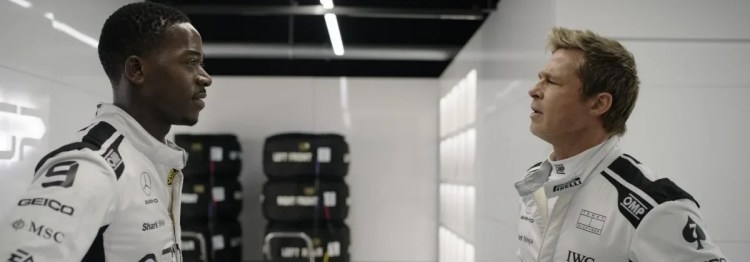
Let’s turn the corner (pun intended) from weird and genre fare to something more familiar and conventional. Every year a traditional Hollywood flick such as F1 appears, think back to a few years ago when Ford V Ferrari slipped in to the nominees. It’s a safe, conventional, crowdpleasing film that the Academy still likes to award every now and then (CODA, or even Green Book, for example). The kind that may not be the most loved film, but is the most consistently liked and agreed upon (which can often be the biggest benefit on the preferential ballot).
There was some surprise, including from myself, when F1 slipped in to the Best Picture line-up. It had only really appeared at the Producers Guild Awards beforehand, and it’s quite a PGA film, really. But, it turns out that Apple have been pushing this film hard. Almost as hard as Warner Bros have with Sinners. Arranging multiple screenings across America, and even in the UK and beyond for international voters, and creating the push of this as a big screen film. Its Sound and Visual Effects nominations show that this has been taken on board, and its just the kind of flashy film that could easily get the Film Editing win.
Yes, it has no other big nominations outside of Best Picture and because of this is viewed as something of an outsider, but Apple are continuing to push the film and hope that a traditional movie star feature can earn them another Oscar (after also releasing CODA), and not quite in the way Netflix have overdone in the past, as already mentioned. It’s something that appeals strongly to older voters, who still form a considerable block of eligible voters even with changes to what makes someone eligible and a greater push for a more diverse Academy membership in recent years.
Additionally, with the lack of titles such as Avatar: Fire And Ash and Wicked: For Good it could be said that F1 has the blockbuster (or at least major title push) that not many other titles in this years Best Picture race could be seen to fall under (aside from maybe Sinners which feels rather different and separate to F1). Plus, a film that’s pushing the idea of big screen spectacle in an age where streamers are continuing to dominate conversation, alongside acquisitions, likely wouldn’t go amiss with voters. A film that’s largely well-liked and sits in favour with a key voting demographic, and has the right consistent pushes, is a good mix to get a Best Picture win.
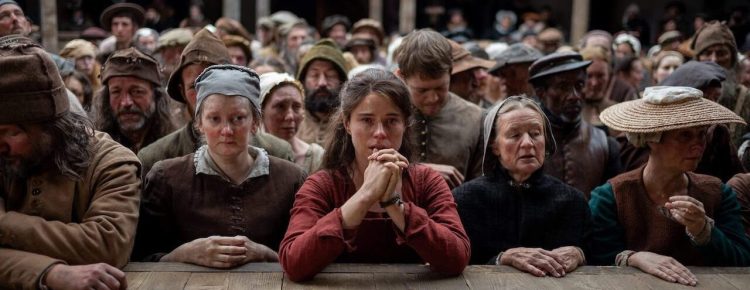
From modern racing spectacle to the (very) traditional theatrical experience, Hamnet was at one point seen as a frontrunner for Best Picture, and it could well still be. Jessie Buckley appears to be the only acting nominee almost locked in to win in their category, while the other three races could literally be won by anyone nominated, for her performance in the film; showing its strength and effect – especially in the theatre-based third act.
It’s that third act which particularly leaves a lasting impression from Hamnet, and therefore a strong final impression for many potential voters who are left with the effect of the highlight finale in their minds. And that impact could well help the film when it comes to how it sits in voters’ minds helping it on the ballot. Plus, while the film has largely been viewed as dropping away due to not picking up awards at major precursors it’s still been viewed as one of the certain nominees and titles in this year’s awards conversation. It’s held a strong place amongst the chatter for a good while, remaining consistent and showing that there may be a quiet power behind its louder prominence.
Yet, with Paul Mescal failing to get into the Supporting Actor race, despite consistent appearances at precursors and a lack of Film Editing nomination, there are hints that Hamnet may not quite have a full push, even while dealing with a familiar-to-the Academy theme of the healing power of art; seen particularly in those aforementioned final stages. There could also be an argument that co-writer and director Chloé Zhao won both Best Director and Picture somewhat recently with Nomadland, although she’s managed to secure another Director nomination here. Plus, such ideas don’t seem to have been thrown around as much with potential voters in the case of Hamnet.
There’s a good blend in the film, especially thanks to a clearly dominating central performance from Jessie Buckley carrying its core themes, that could resonate well with voters, and has still had a strong showing, not being completely shut out (in fact nowhere near it) from the chance of picking up this year’s top Oscar.
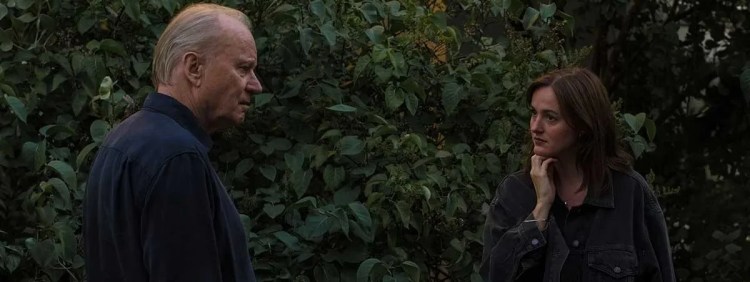
If there’s one thing more appealing to the film industry than a film about the healing power of art and theatre it’s one about the healing power of film specifically. To get nine nominations is no mean feat, to get nine nominations without any technical nods outside of Film Editing is something else. There’s clearly a lot of love still present for Sentimental Value, but it isn’t without threat. Largely in the International Feature category where the film once seemed a lock, it now seems more fairly certain. However, The Secret Agent (also nominated for Best Picture) could prove to be a threat in this category, sneaking up like I’m Still Here did on Emilia Perez last year (although Sentimental Value doesn’t exactly have any controversy around it that could damage its chances).
The performances of the ensemble cast have also been much-praised, leading to four nominations with three in two categories (Stellan Skarsgård in Supporting Actor and Elle Fanning and Inga Ibsdotter Lilleaas both in Supporting Actress) that feel as if they could go to anyone (Jessie Buckley’s seeming lock on Lead Actress puts Renate Reinsve’s chances at a bit of a distance). And in a film about fractured family relationships and trying to find healing affecting performances are certainly going to help with its impact and may impact voters even more than a film already about themselves, or at least their industry.
Yet, the biggest sway is the fact that the film has been nominated in the big four major categories that people look for for a possible Best Picture winner (Writing, Directing, Editing and Acting). Nominations here aren’t entirely essential, but they’re often looked to as a good sign of a strong Best Picture contender. The lack of technical nominations aren’t overly something to take note of in the case of Sentimental Value because it’s not the kind of film that appears in, or is going for, the likes of Costume and Production Design. The film may now be facing stronger competition than perhaps it seemed when first viewed as a frontrunner a good few months ago, but it has a strong mix of factors in terms of key nominations and themes that show notice from the Academy that could lead the cast and crew to take the stage at the end of this year’s Oscars.
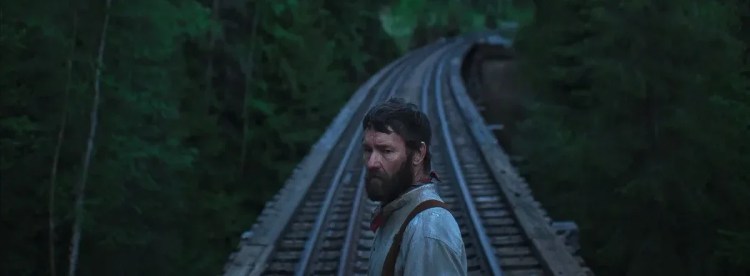
From films about the healing power of art to perhaps one about a long search for healing. Train Dreams would be my personal pick for this year’s Best Picture Oscar, but it may be one of the lesser seen nominees. While new Academy rules are in place to get potential voters to see every film in each category before voting in it there still seem to be ways around this meaning that films not seen will likely be placed at the bottom of the preferential ballot. However, Train Dreams has the help of a largely word-of-mouth campaign.
While a Netflix film the streamer’s push appeared to be behind the likes of Frankenstein and nomination-less Jay Kelly, and to some extent A House Of Dynamite, over Train Dreams. Yet, the film grew from festival screenings and when eventually landing on the platform it continued to find an audience which really embraced it and led to eventual awards success. It may only have four nominations (Picture, Original Song, Cinematography and Adapted Screenplay), but the love for the film has continued to grow and grow, even after nominations were announced, showing an increasing favour for it that could give it consistent placement on ballots.
However, despite this the film still hasn’t found itself quite on the same level of discussion as most other contenders and is still viewed as something of an outside contender that only just slipped into the running. With no major nominations outside of Picture and Screenplay, and a lack of appearances at key ceremonies such as SAG, DGA and BAFTA, there’s a long uphill climb for the film, especially with just how tonally and stylistically different it seems from all the other nominees this year. Even in this day and age it doesn’t quite feel like a traditional Best Picture nominee, although it’s understandable as an awards contender and easy to see how it managed to finds its way into the line-up.
The acclaim for the film which has grown may mean that it’s a more recent watch for some voters, causing it to be fresher in their minds and perhaps a couple of places higher on the ballot. And those second and third place rankings can be more important than a lot of top placements. It’s this kind of thing that could help push Train Dreams along the line. A film that quietly emerged and has continued to be quiet while the conversation and note around it have increased could very well quietly creep up and win of the most prized awards in film.
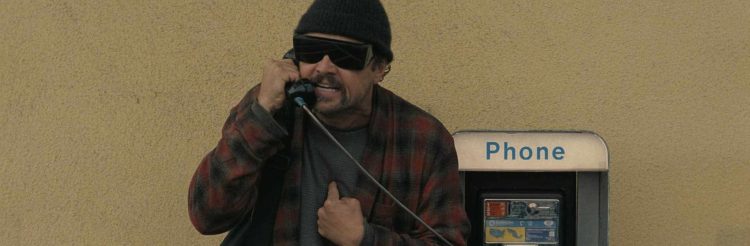
The changing face of early 20th century America eventually shifts into the turbulent face of modern day America, in this case in the form of One Battle After Another. From the moment it opened there was much discussion around the film as being the one that could possibly win Paul Thomas Anderson an Oscar. That conversation has continued with Anderson being a frontrunner in multiple categories, including Director and Original Screenplay. It helps that the film has won key awards in these categories already, including at the DGA, PGA (which also votes via preferential ballot) and WGA awards, and BAFTA.
With strong showings at these key ceremonies and 13 Oscar nominations, including all the major categories and even then some talk of a snub for Chase Infiniti in the acting categories, there’s a lot of love that’s still present for one of the most acclaimed films of the year, with not much labelling of it being overrated. Although, there could be the argument from some voters that the film has won more than enough so it’s time for something else to be given a chance.
Even so, the satirical elements present throughout, particularly involving the antagonists (Sean Penn appears to be a strong contender in the close Supporting Actor race), in modern day America and there may be some more familiarity and resonance for voters – although it has been pointed out that the film isn’t one with an overtly political stance or siding.
There’s something about the tone of the film that fits in with that of last year’s Best Picture winner, Anora; and perhaps even highly-acclaimed recent winner Parasite. The mix of tones and genres on display and the charge-like pacing which spans multiple places and ideas could mean that there’s something for almost everyone, and the acclaim the film has had could mean it gets a lot of first place rankings on ballots which could give it something of a head start towards the 51% mark eventually needed to win Best Picture.
Leonardo DiCaprio may not quite be charging ahead in the Lead Actor race, but he’s not really been campaigning for himself and more the film and those around him; as if knowing that he’s already got his Oscar, having won for The Revenant. And a push from someone like DiCaprio doesn’t go amiss, even for a film such as this which has had, plenty of acclaim. From the moment the first reviews came out there seemed to many to be a smooth path for One Battle After Another towards Best Picture. There’s every chance that that could prove to be true with the near-sweep the film has had so far, with only Sinners’ win at SAG (and also claim of Original Screenplay at WGA to One Battle’s Adapted Screenplay win) getting in the way of a clean on, showing a lot of love behind it that could continue to Best Picture glory.

Moving to the other multi-party chase story involving revolutionaries, The Secret Agent brings back one of the highlights of last year’s Oscar season which surrounded I’m Still Here. By that I mean the outpouring of joy, celebration and love from Brazilians online over the film’s nominations. Each post about The Secret Agent that The Academy puts up on socials, or just Best Picture, or perhaps even the ceremony in general, is packed with comments of Brazilian flag emojis and celebration for the film and Brazil. Every time it’s an absolute joy to see, one that’s never failed to bring a smile to my face whenever I’ve seen it.
While this might not have a huge impact on the Best Picture race or voters, who are unlikely to see this, there’s been a growing campaign around The Secret Agent that’s led it to be in a similar situation to I’m Still Here last year. Where it could creep up on what was viewed as a strong frontrunner to win International Feature, with additional nominations for Casting and Wagner Moura in Lead Actor. While The Secret Agent may have seemed to have slipped into this year’s Best Picture grouping as a ninth or tenth nominee, it appears to have pushed ahead with word-of-mouth, certainly more so than Train Dreams has, which largely helped to secure its nods in the first place, including Moura’s.
It could be said that, like in International Feature, it faces competition from Sentimental Value with both being foreign language films, although perhaps there’s more of an argument that it could face more from One Battle After Another with the aforementioned revolutionary aspects. Although, it could be said in this vein that The Secret Agent might have more of a click with the expanding number of international voters in the Academy, despite some criticism for some of the weirder sub-plots and moments in the film (see the journey of a missing leg). The Secret Agent may not be the most universally agreed upon film, although perhaps more so than Bugonia, and like that film those who have loved it have really loved it and may well give it a round or two’s advantage on their ballots.
Yet, after last year’s success with I’m Still Here creeping up there could be more of that with The Secret Agent. It took Roma to lead to Parasite becoming the first non-English language Best Picture winner, The Secret Agent could have the gradually built momentum to push ahead and win. It’s, a bit like the main character, something of a mysterious figure that’s built-up over time and could easily become the second foreign language film to win Best Picture.
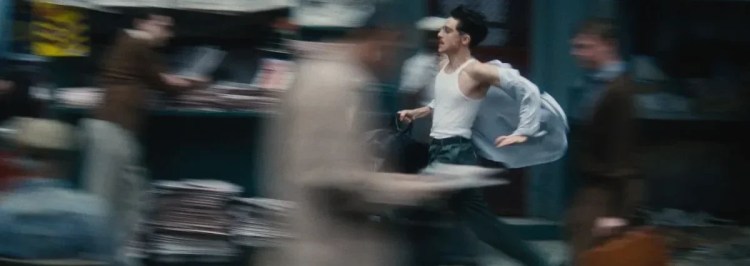
And after nine films dreaming big of winning Best Picture we arrive at the final nominee, and perhaps one that’s dreaming biggest of a win, with a star who appears to almost desperately want an Oscar. And largely Timothée Chalamet’s openness about this hasn’t damaged his own campaign, which may have pushed the likes of Odessa A’zion away from a deserved Supporting Actress nomination; nor have his recent comments about ballet and opera which came about shortly after Oscar voting closed this year. Chalamet has certainly proved himself as not for everyone, and when it comes to Marty Supreme he’s all over the film and its promotion – although that’s unlikely to turn many voters away as he’s managed to secure his third nomination.
Yet, he’s continued to fall behind in the Lead Actor race, missing out on major awards like SAG and BAFTA while Marty Supreme has also left many ceremonies empty handed. Although, in an anyone-could-win race like Lead Actor he still very much has a chance, and more than the internet (which the Academy sits outside of) would have you think. Where the film has perhaps faced the most damage is in the form of writer-director Josh Safdie. Safdie’s nominated for Best Director and already seemed unlikely to win, but now seems firmly at the back of the pack after reports of his awareness of misconduct involving a 17-year-old actress on the set of 2017’s Good Time. While it could be argued that his damages his campaign and not entirely the rest of the film led by Chalamet, Marty Supreme is so much a Safdie film that it’s impossible not to see these reports, which emerged just days after nominations were announced, having an effect.
Even with the film’s nine nominations, including in key categories. Yet, in most of them it seems to be playing second or, more often, third place to One Battle After Another and Sinners. If Chalamet can pick up Lead Actor, which is still very much possible, then the film’s chance may pick up. Plus, it’s one that undoubtedly leaves a lasting effect for many with its frantic, stress-inducing style. One that’s led by the bad decisions and impulses of the lead character. Although, one who, despite his big dreams, many have pointed out is unlikable. There may be a good performance bringing that character to life, but can a film with an unlikable character at its centre win Best Picture over something, or rather someone, slightly more crowdpleasing? It’s not necessarily a major factor, again the film has an impact that voters will likely remember the effect of, more strongly than that of other nominees, but over the course of this year’s awards season it does seem to have had a growing list of factors working against it as it seems to have fallen away in the race.
But, with more than the key nominations (nine in total) and being one of the more talked about nominees, pretty consistently through the race, it’s still been in the conversation in one form or another. There’s every chance that the ideas of dreaming big could be enough to push it across the line and connect with voters for consistent enough top four placements that could see it across the line to achieve that dream of winning the final Oscar announced on Sunday night.
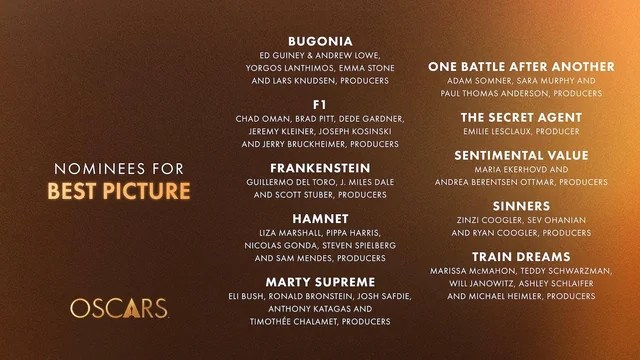
Finally, after yet another set of overlong, rambling, repetitive and (even more than usual) poorly written looks at each individual nominee it’s time to finally get to the point of this and look at what might win this year’s Best Picture Oscar.
This, as always, comes down largely to what will fare the best on the preferential ballot. And in that regard you’re not looking for the film with the most consistent first place rankings, although that can obviously help, but that which also may likely have plenty of second and third place mentions to keep it in the running. All in the hope of eventually getting to the 51% mark that will win it the award. It’s why often the winner is the film that’s most consistently liked rather than the one that may have had the most praise directed towards it (although this has varied between the two in the last decade).
There are often some films that you can immediately spot aren’t likely to win Best Picture. Those that have had the most mixed, or more muted, reception and those that just haven’t had the awards season presence of other nominees. This year those come down to three nominees, all largely for each of the above reasons. Therefore, it looks as if F1, Bugonia and Train Dreams are unlikely to be taking the Oscar stage at the end of the night this year.
Frankenstein, too, seems to have fallen away over the course of this year’s awards season, after having grown during it, too. It’s name has been somewhat left behind in the race. While it’ll likely pick up a good deal of technical awards its lack of Directing and Editing nominations, and not being seen as likely to win outside of the technical nods, means it has something of an uphill climb to win. For similar reasons, despite its nominations, and many factors which have started to appear against the film and its lack of major awards success, Marty Supreme also seems to have fallen behind more than perhaps expected when it was first nominated.
As for The Secret Agent and Sentimental Value, while they’re both being talked about for International Feature, and each have a strong chance, there’s not much other conversation around them anymore, particularly The Secret Agent. While Sentimental Value could pull ahead in races like Supporting Actor, (I hold out hope for) Supporting Actress and maybe even a surprise in Original Screenplay awards season has largely seen it pushed to a significantly nominated film that’s set to maybe just win International Feature.
In the case of Hamnet, Jessie Buckley appears to be a lock for Leading Actress and I don’t believe that the film has fallen away as much as people claim it has. There’s still a lot of love for it, and lingering effect from it that could push it up people’s ballots. Yes, it might not quite be consistent number 1, but it may have a good deal of key placements just below that help it along. I also don’t think that it’ll overly be fighting for space amongst the other films about art as therapy – again, see Sentimental Value which is the most similar as opposed to Sinners. Yet, with the film not picking up Best Film at BAFTA, although claiming Outstanding British Film, it seems that even more home turf is leaning away from it and towards other nominees.
And then comes the very likely two-horse race between Sinners and One Battle After Another. One has a record breaking 16 nominations, the other isn’t far behind with 13. The genre leanings of Sinners, particularly horror in this case, have far from held it back and to some extent seem to have helped it along. It fits in with some recent wins, and yet stands out as something of a slight anomaly. It’s stayed in the conversation since its release almost a year ago and has had a big, big push from Warner Bros, perhaps bigger than that which they’ve given One Battle.
Plus, while One Battle has one at a number of key precursors, Sinners has often been alongside it. Maybe not winning the top prize, but still key awards that show favour for it, and it won the top prize at SAG, which has the biggest overlap with Academy votership and also saw Michael B Jordan winning Lead Actor for the film there. If he repeats this at the Oscars then there could easily be a surge for the film in Picture, even more so if Ryan Coogler takes Best Director, which could easily happen.
Yes, the Academy may want to give Paul Thomas Anderson an Oscar, but this will likely be recognised by Director and, if not, Screenplay. And this doesn’t overly factor into Best Picture wins unless it’s a major career-spanning lookback, such as Scorsese with The Departed is now seen to be by some. Both are likely to be placed very close to each other on ballots and it could literally come down to either of them. There could be a split between Picture and Director, while there could also be a shared win. This awards season has been greatly unpredictable the more its gone on, with multiple categories feeling as if they could be won by anyone nominated, to some extent even Best Picture (although that mostly comes down to these two films, although a surprise is, of course, possible).
And while I think that Sinners will pick up a number of awards on the night, with 16 nominations it almost certainly will, One Battle After Another may well get those key ones that could indicate a Best Picture winner (although CODA proved again a couple of years ago that you don’t need everything to win the top prize – having only been nominated for, and won, three awards, although still in key categories).
But, with the track record that it’s had so far and the momentum since release I believe that One Battle After Another will be the film to win the 98th Best Picture Oscar.
 Just A Little Bit Random