Release Date – 26th January 2024, Cert – 12, Run-time – 2 hours 21 minutes, Director – Blitz Bazawule
Separated from her sister at a young age, Celie’s (Fantasia Barrino) life is one of loneliness and abuse from her husband (Colman Domingo), over the years she finds strength in the outgoing and confident women around her.
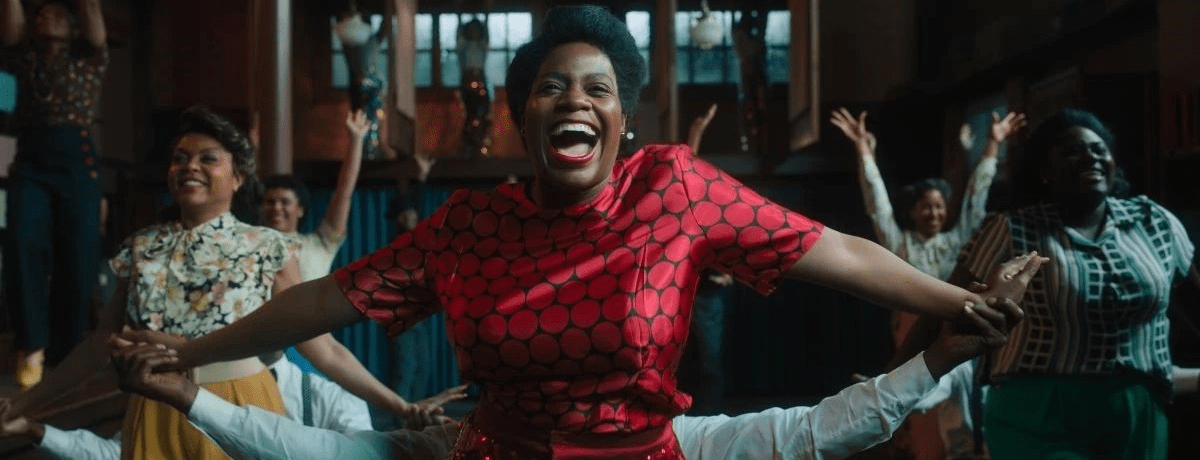
The Color Purple’s core narrative may not feel as if it lends itself throughout to the big, upbeat Broadway musical treatment. Yet, on the stage it’s proved a successful, highly acclaimed transfer from Alice Walker’s novel. Now, receiving the big screen treatment the benefits of the stage perhaps come through as the tonal shifts from the drama and upset of protagonist Celie’s (Fantasia Barrino) life are contrasted with more upbeat musical numbers, particularly in the film’s first hour.
The various song and dance numbers, which themselves for a good while seem rather infrequent, oddly feel as if they could be played out on a stage. There feels a shift in Blitz Bazawule’s direction to capture the big dance sequences, as a crowd of bodies move in unison with effective choreography which would likely work greater wonders on the stage, feeling sometimes like moves unchanged from a live production over a bigger film. Such moments can sometimes feel like a jolt just after a highly dramatic scene of Celie being abused by her husband, going by the name of Mister (Colman Domingo). The emotion and drama doesn’t always feel as if it has time to settle in and fully expand.
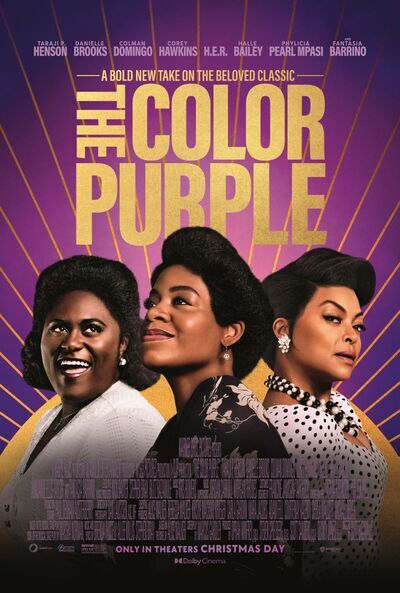
Where the feelings of strength come through is in the performances, a number of cast members having previously performed in iterations of the stage production. There’s a strong supporting cast surrounding Barrino, who particularly gets time to shine in the second half. While Celie is separated from her sister at a young age (the younger Celie played by Phylicia Pearl Mpasi, while Halle Bailey plays sister Nettie) she finds support and sisterhood in the strong women around her. Bold and defiant Sofia (Danielle Brooks, a highlight in need of more screen-time) and singer Shug Avery (Taraji P. Henson, putting her all into belting out her tunes), herself having known Mister in the past, lead those around Celie encouraging her to find her voice and fight back, to say “hell no!”
During moments of fighting back, and Celie managing to find her voice and gain more freedom the film is better contrasting with the more dramatic and emotional sides. It allows for a third act which brings about the emotions, even if after a bit of build-up – the film as a whole feels a little bit on the long side – especially in the very final stages where the style of the songs, largely the gospel-leaning tracks, land with a good impact from the way in which the cast join to sing them.
This, and the likes of Shug and Sofia, are the better contrasts to the harsh mistreatment Celie faces from Domingo’s well-performed character amongst the other tragedies in her life. While the songs may fit in more as we get more into the narrative they might still feel a part of the same film but the style frequently demonstrates a different feeling to the surroundings which are otherwise engaging. Even if sometimes needing a bit more time so tonal shifts don’t always feel so sharp and the drama can be more properly felt and given an impact.
The musical numbers may largely feel stage-like in this take on The Color Purple, however the strong performances help bring out the brief moments of bigger drama, and some worthwhile strands in the build-up to the effective conclusion.
 Just A Little Bit Random